
Imum Coeli Astrology: Decoding Roots, Private Self | StarPluto
In the intricate tapestry of a birth chart, while the Ascendant (Rising Sign) reveals our outward persona and the Midheaven (MC) our public ambition, there exists a profound, often overlooked point that delves into the very core of our being: the Imum Coeli (IC). Translated from Latin as "bottom of the sky," the IC is a cornerstone of astrological analysis, representing our deepest roots, private self, and emotional foundations.
Understanding the Imum Coeli is akin to deciphering the blueprint of our inner world. It speaks to our heritage, family lineage, early childhood experiences, and the subconscious patterns that shape our sense of security and belonging. This guide will explore the multifaceted significance of the IC, offering a comprehensive look into how it influences our private lives and emotional landscape.
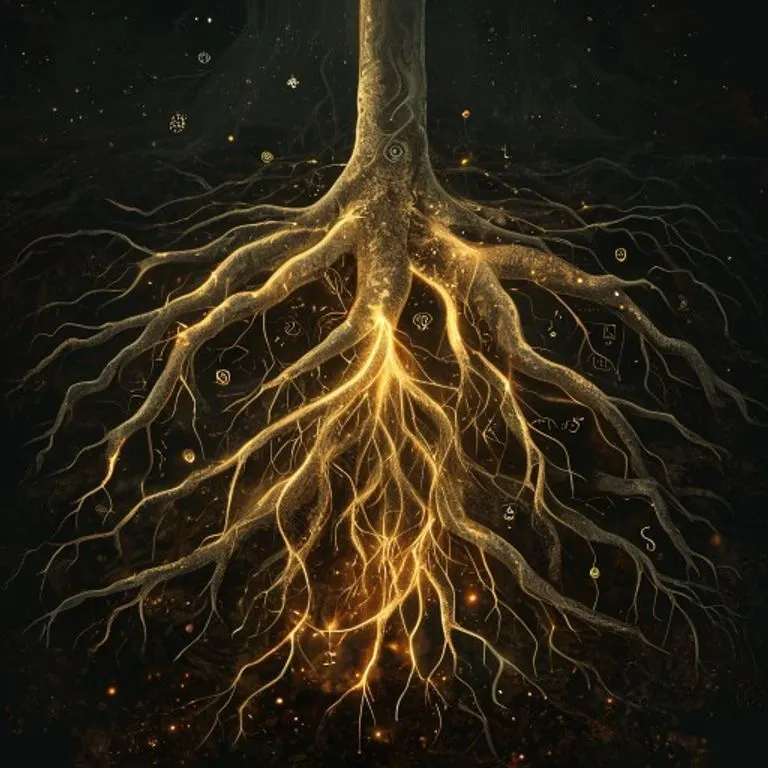
The IC is not merely a point but a gateway to understanding our most intimate needs and the psychological underpinnings that drive our reactions and choices, particularly in our personal sphere. It is the antithesis and complement to the Midheaven, forming a crucial axis that balances our private and public existences.
This deep dive into the Imum Coeli will illuminate its role in personal growth, self-acceptance, and the journey toward creating a secure and fulfilling home environment. By decoding its secrets, we gain invaluable insights into who we truly are at our core.
Understanding the Imum Coeli (IC) in Astrology
The Imum Coeli, often abbreviated as IC, is one of the four cardinal angles in a birth chart, along with the Ascendant (AC), Descendant (DC), and Midheaven (MC). These angles are highly significant as they mark the cusps of the most potent houses and represent critical points of interaction between our inner world and outer reality.
Geometrically, the IC is the lowest point of the ecliptic below the horizon at the moment of birth. It is directly opposite the Midheaven (MC), which is the highest point. While the MC represents our public image, career, and reputation, the IC signifies everything hidden, private, and foundational. It's the root system from which our entire being grows.
Astrologically, the IC is synonymous with the cusp of the Fourth House. This association is crucial because the Fourth House governs our home, family, ancestry, emotional security, and the very end of life. Therefore, the sign and any planets placed on or near the IC offer profound insights into these deeply personal areas.
- The Nadir: The IC is also known as the Nadir, meaning the lowest point. This term aptly captures its essence as the deepest, most private part of our psychological landscape.
- Foundation of Self: It represents the bedrock of our personality, the subconscious programming received in early childhood, and the familial patterns we inherit.
- Emotional Security: The IC describes what makes us feel safe, secure, and truly at home within ourselves and our environment.
- Ancestral Lineage: It connects us to our ancestors, our family history, and the genetic and karmic imprints passed down through generations.
Understanding the IC means acknowledging that our public achievements (MC) are inextricably linked to our private foundations. A strong, secure IC often enables a more confident and authentic expression of the MC, while an unaddressed IC can lead to instability in our external life.
The Fourth House: The IC's Domain
The Fourth House is traditionally associated with the sign of Cancer and its ruler, the Moon, both symbolic of nurturing, home, and emotional security. As the natural domain of the Imum Coeli, this house governs several critical aspects of our lives:
- Home Environment: This includes our physical dwelling, the atmosphere within it, and our relationship with the concept of "home."
- Family and Ancestry: The Fourth House reveals our relationship with our parents (especially the nurturing parent), our family of origin, and our ancestral roots. It speaks to our heritage and the legacy we carry.
- Emotional Foundations: It represents our earliest conditioning, the emotional climate of our childhood, and the subconscious patterns that form our sense of safety and belonging.
- Private Life and Inner World: This house governs our need for solitude, our personal sanctuary, and the deep emotional reservoirs we draw upon.
- The End of Life: In some interpretations, the Fourth House also relates to our final resting place and how we approach the culmination of our life's journey.

When analyzing the Fourth House and its cusp, the IC, astrologers look at the zodiac sign it falls in, any planets located within the house, and the aspects these planets make to other points in the chart. These elements combine to paint a detailed picture of an individual's inner world and their relationship with their personal history.
For instance, a Fourth House ruled by a fiery sign like Aries might indicate a childhood home that fostered independence, or perhaps one marked by conflict. Conversely, a watery sign like Pisces could suggest a highly empathetic or even chaotic home environment, deeply influencing the individual's emotional sensitivity.
IC and Your Psychological Roots
The Imum Coeli acts as a psychological anchor, revealing the subconscious patterns and emotional conditioning we absorbed during our formative years. It's the place where our earliest experiences with family, security, and belonging are imprinted, shaping our adult responses to intimacy and vulnerability.
Our IC sign and its planetary rulers describe the kind of emotional "nutrients" we received or lacked in childhood. This isn't necessarily about the physical home, but the emotional atmosphere and the sense of safety or insecurity it fostered. For example, a challenging planet like Saturn on the IC might indicate a childhood where emotional expression was restricted, leading to a lifelong quest for emotional stability and boundaries.
The IC also sheds light on our ancestral karma and inherited traits. It suggests patterns that have been passed down through generations, influencing our deepest fears, comforts, and our sense of belonging. Recognizing these patterns can be incredibly liberating, allowing us to consciously break free from unhelpful legacies and forge our own emotional path.
- Early Conditioning: The IC reflects the emotional lessons learned from parents and family figures.
- Core Comforts: It shows what truly makes us feel safe and at ease, beyond superficial pleasures.
- Subconscious Drives: Many of our automatic emotional reactions stem from the IC's influence, operating beneath conscious awareness.
- Healing the Past: Working with the IC can involve confronting and healing old wounds related to family and childhood, leading to greater emotional resilience.
By understanding the psychological roots revealed by our IC, we can cultivate a more secure inner sanctuary, develop healthier emotional boundaries, and create a home environment that truly supports our authentic self. This journey of self-discovery often involves introspection and a willingness to explore the hidden corners of our psyche.
IC in Different Zodiac Signs
The zodiac sign on the cusp of the Fourth House (the IC) profoundly colors our approach to home, family, and emotional security. Each sign brings its unique energetic signature to these foundational areas of life. Below is a brief overview of how the IC might manifest in different signs:
| IC Sign | Core Characteristics of Home & Roots |
|---|---|
| Aries IC | Needs an independent, dynamic home; may have had a competitive or pioneering family environment. Craves autonomy in private life. |
| Taurus IC | Seeks comfort, stability, and beauty in the home; values material security and tradition. Family may have been grounded or resistant to change. |
| Gemini IC | Home is a hub of communication, learning, and activity; may have experienced frequent moves or a diverse family background. Needs mental stimulation at home. |
| Cancer IC | Deeply connected to family and roots; home is a sanctuary for emotional security and nurturing. May be very protective of their private life. |
| Leo IC | Home is a place for self-expression, creativity, and warmth; may have had a dramatic or prominent family. Needs recognition and affection in private. |
| Virgo IC | Values order, cleanliness, and practicality in the home; may have had a family focused on service or critical analysis. Needs a structured, healthy private life. |
| Libra IC | Seeks harmony, balance, and aesthetic beauty in the home; family life may have emphasized diplomacy or partnership. Needs peace and fairness in private. |
| Scorpio IC | Needs privacy, intensity, and emotional depth at home; may have experienced powerful family dynamics or secrets. Craves profound emotional bonds. |
| Sagittarius IC | Home is a place for freedom, exploration, and philosophical inquiry; may have had a family that valued travel or higher education. Needs space and adventure. |
| Capricorn IC | Values structure, responsibility, and tradition in the home; family life may have been disciplined or challenging. Seeks security and achievement in private. |
| Aquarius IC | Home is unconventional, community-oriented, or technologically advanced; family may have been unique or detached. Needs intellectual freedom and individuality at home. |
| Pisces IC | Home is a spiritual sanctuary, often fluid or dreamlike; family life may have been empathetic, confusing, or artistic. Needs emotional fluidity and compassion in private. |
These interpretations provide a starting point for understanding your IC. The presence of planets in the Fourth House or making aspects to the IC will further refine these meanings, adding layers of complexity and nuance to your personal narrative.
Planets Conjunct the IC: Amplifying the Core Self
When a planet is conjunct (within a few degrees of) the Imum Coeli, its energy is deeply embedded in our foundational self, home life, and emotional roots. This placement amplifies the planet's influence in our private world, often shaping our earliest experiences and subconscious drives. The planet essentially becomes a core component of our sense of security and belonging.
- Sun Conjunct IC: A strong need for personal recognition and self-expression within the home. The father figure or a dominant parent may have played a significant role in shaping one's identity. There's a deep connection to one's lineage and a desire to build a strong, stable home.
- Moon Conjunct IC: Emphasizes emotional sensitivity, intuition, and a profound connection to the mother or nurturing parent. The home is a primary source of emotional security, and there's a strong need for comfort and belonging. Moods can be deeply tied to the home environment.
- Mercury Conjunct IC: Communication, learning, and intellectual activity are central to the home environment. Early childhood may have involved a lot of talking, reading, or siblings. There's a need to understand one's roots and articulate personal feelings.
- Venus Conjunct IC: Brings harmony, love, and aesthetic appreciation to the home. There's a desire for a beautiful, peaceful domestic life and strong emotional bonds with family. Early life may have been comfortable or focused on relationships.
- Mars Conjunct IC: Can indicate a dynamic, energetic, or even conflict-prone home environment in childhood. There's a strong drive to protect one's home and family, and a need for independence and action in private life.
- Jupiter Conjunct IC: Suggests an expansive, fortunate, or philosophical home life. There may have been a focus on education, travel, or spiritual growth within the family. A deep sense of optimism and generosity regarding one's roots.
- Saturn Conjunct IC: Often indicates a serious, disciplined, or challenging early home environment. There may have been a sense of responsibility or restriction. This placement can lead to a strong need for security and structure in adult home life, sometimes overcoming early difficulties to build a solid foundation.
- Uranus Conjunct IC: Points to an unconventional, unstable, or sudden changes in the home environment during childhood. There's a need for freedom and individuality in one's private life, often leading to unique living arrangements or a desire to break from traditional family patterns.
- Neptune Conjunct IC: Can bring sensitivity, idealism, or confusion to the home and family. Early life may have been elusive, artistic, or involved sacrifices. There's a deep spiritual connection to one's roots, but also a potential for lack of boundaries or escapism in private life.
- Pluto Conjunct IC: Indicates intense, transformative, or powerful dynamics within the family or home. There may have been deep psychological issues, power struggles, or significant changes in early life. This placement suggests a profound need for emotional regeneration and control over one's private sanctuary.
The interpretation of these conjunctions is highly nuanced and must be considered within the context of the entire birth chart. They offer profound insights into the foundational energies that shape our innermost being.
Transits to the IC: Periods of Inner Transformation
Transits to the Imum Coeli signal periods of significant internal change, often affecting our home life, family relationships, and sense of emotional security. These transits can bring hidden issues to the surface, prompting us to re-evaluate our foundations and make necessary adjustments to our private world.

When slower-moving planets (Jupiter, Saturn, Uranus, Neptune, Pluto) transit the IC, their influence can be particularly profound and long-lasting. These periods often coincide with major life events related to moving, family dynamics, or a deep psychological reckoning with our past.
- Jupiter Transiting IC: Often brings expansion, opportunities, or a sense of optimism to home and family matters. It might involve moving to a larger home, expanding the family, or finding greater comfort and philosophical understanding of one's roots.
- Saturn Transiting IC: Can bring challenges, responsibilities, or restructuring to the home and family. This transit may require confronting deep-seated fears about security or setting firmer boundaries. It's a period for building solid foundations, even if it feels restrictive.
- Uranus Transiting IC: Signals sudden, unexpected changes or disruptions in home life. This could be an abrupt move, a family upheaval, or a desire for radical freedom and unconventional living arrangements. It challenges our sense of stability.
- Neptune Transiting IC: Can bring confusion, idealism, or a dissolution of old structures in the home. There might be a spiritual awakening regarding one's roots, but also a potential for illusion, sacrifice, or a blurring of boundaries within the family.
- Pluto Transiting IC: Represents a profound transformation or power struggle within the home and family. Old patterns are purged, and deep psychological issues related to one's roots come to the surface for healing. This is a period of intense regeneration and rebuilding of one's emotional foundation.
Understanding these transits allows us to navigate these periods with greater awareness, embracing the opportunities for growth and healing they present, rather than being overwhelmed by their intensity. It's a time to consciously work on building a more authentic and secure inner sanctuary.
Integrating the IC with the Midheaven (MC)
The Imum Coeli and the Midheaven form a fundamental axis in the birth chart, representing the balance between our private and public lives. While the IC governs our roots, home, and inner world, the MC (Medium Coeli, or "middle of the sky") signifies our public image, career, and life direction. These two points are always in opposition, meaning they are in opposite zodiac signs, creating a dynamic interplay.
The IC-MC axis highlights the essential truth that our external achievements and public persona are deeply influenced by our internal foundations. A person with a strong, well-integrated IC often finds greater stability and authenticity in their public life. Conversely, unresolved issues in the IC domain can manifest as challenges in career or public recognition.
- IC as Foundation, MC as Pinnacle: The IC is the deep root system that anchors the tree, while the MC is the visible crown reaching for the sky. Both are necessary for growth and stability.
- Balancing Act: Integrating this axis means finding a healthy balance between our need for private security and our drive for public achievement. It's about bringing our authentic self (IC) into our public expression (MC).
- Familial Influence on Career: The IC's influence on family and heritage often dictates the kind of career paths we are drawn to or repel, reflecting early conditioning or a desire to break from it.
- Personal vs. Professional Identity: The IC-MC axis helps us understand how our personal history and emotional needs shape our professional identity and public role.
For example, if your IC is in Cancer (nurturing, home-oriented) and your MC is in Capricorn (ambitious, structured), you might find fulfillment in a career that allows you to provide structure and care, perhaps in a leadership role in a family-oriented business or a field that builds lasting foundations for others. The goal is to consciously align these two powerful points to live a more integrated and fulfilling life.
Practical Applications: Using IC for Self-Discovery
Decoding your Imum Coeli is not merely an academic exercise; it offers profound practical applications for personal growth and well-being. By understanding the energetic blueprint of your roots and private self, you can make conscious choices that foster greater emotional security, build a supportive home environment, and align your inner world with your outer aspirations.
- Creating Your Sanctuary: Use the IC sign and its planetary rulers to inform the design and atmosphere of your home. If you have a Taurus IC, prioritize comfort and beauty. If it's Gemini, ensure spaces for communication and learning.
- Healing Ancestral Patterns: Reflect on your family history and how your IC themes play out in generational patterns. Journaling, therapy, or ancestral healing practices can help release unhelpful legacies and embrace empowering ones.
- Understanding Emotional Needs: Your IC reveals what truly makes you feel safe and secure. Acknowledge these needs and actively work to fulfill them, rather than seeking external validation.
- Balancing Public and Private: Consciously integrate your IC and MC. Ensure your career path (MC) is supported by a strong, nurturing private life (IC). Don't let public ambition overshadow your need for a secure inner world.
- Embracing Your Inner Child: The IC is closely linked to our inner child. Nurturing this part of yourself, addressing old wounds, and providing the emotional support you might have lacked in childhood can be transformative.
The journey of exploring your Imum Coeli is a continuous process of self-discovery. It invites you to delve into your deepest self, honor your origins, and build a foundation of emotional resilience that supports your entire life's journey. By embracing the wisdom of your IC, you unlock the potential for profound inner peace and authentic self-expression.
Fuente: Contenido híbrido asistido por IAs y supervisión editorial humana.


Comments
Post a Comment