
Snake Weaknesses: Negative Aspects Chinese Zodiac | StarPluto
The Chinese Zodiac, a profound astrological system rooted in ancient traditions, assigns one of twelve animal signs to each birth year, offering deep insights into personality and destiny. Among these, the Snake holds a unique position, often associated with profound wisdom, captivating charm, and an air of compelling mystery. However, like all zodiac signs, the Snake embodies a complex duality, harboring specific weaknesses and negative aspects that can significantly influence an individual's life path, relationships, and overall personal growth.
Understanding these inherent challenges is not merely an exercise in critique but a crucial step for those born under this sign towards mitigating their potential impact and fostering a more balanced and harmonious existence. This comprehensive exploration delves into the specific negative facets of the Snake personality, drawing from traditional Chinese astrological interpretations and psychological insights. We aim to provide a detailed understanding of these traits, offering a roadmap for self-improvement and harmonious living for those influenced by the Serpent's enigmatic energy.

The intricate nature of internal conflict and hidden struggles often faced by individuals born under the Chinese Zodiac Snake.
The Snake, with its enigmatic aura, is often perceived as intelligent, intuitive, and sophisticated. Yet, beneath this polished exterior lie tendencies that, if left unchecked, can lead to significant personal and interpersonal difficulties. This article will explore these challenges in depth, providing context and strategies for growth.
Table of Contents
- The Shadow of Suspicion and Jealousy
- Stubbornness: A Double-Edged Trait
- Fickleness and Relationship Instability
- The Burden of Self-Reliance and Distrust
- Insecurity: The Root of Control Issues
- Overthinking and Prone to Excess
- Strategies for Mitigating Snake's Negative Traits
- Balancing the Serpent's Nature: Growth and Self-Awareness
- The Elemental Influence on Snake's Weaknesses
- Conclusion
The Shadow of Suspicion and Jealousy
One of the most prominent negative traits associated with the Snake in the Chinese Zodiac is a profound tendency towards suspicion and jealousy. This is not merely a fleeting emotion but often a deeply ingrained aspect of their personality, stemming from their inherent need for control and their frequently secretive nature. Snakes are highly intuitive and perceptive, capable of sensing subtle shifts in atmosphere and human behavior, which can be both a gift and a curse.
While their intuition can be an asset, it can also lead them to overanalyze situations, interpreting innocent actions as potential threats or betrayals. This pervasive suspicion can manifest in various ways, creating significant friction in their personal and professional lives. In romantic relationships, a Snake may constantly question their partner's loyalty, scrutinizing their words and actions for hidden meanings, leading to an atmosphere of pervasive mistrust.
This constant vigilance can suffocate a relationship, pushing loved ones away. They may become possessive, demanding constant reassurance, which paradoxically often leads to the very abandonment they fear. Their jealousy is not always overtly aggressive; it can be a silent, simmering resentment that poisons their inner peace and negatively affects their interactions, creating emotional distance.
Professionally, suspicion can severely hinder collaboration and teamwork. A Snake might struggle to delegate tasks, believing that others are incapable or might undermine their efforts. They may view colleagues as rivals rather than allies, making it difficult to build strong, supportive networks crucial for career advancement. This distrust can limit opportunities for growth and innovation, as they may be reluctant to share ideas or take risks that involve relying on others.
The constant vigilance required to maintain their suspicious worldview can also be emotionally exhausting, leading to chronic stress, anxiety, and even paranoia. The roots of this suspicion often lie in a deep-seated insecurity and a strong memory for past hurts, making it difficult for them to forgive and forget. This historical baggage can fuel their present distrust, creating a self-fulfilling prophecy where their suspicion eventually alienates others, seemingly confirming their initial fears.
Stubbornness: A Double-Edged Trait
Snakes are renowned for their strong will and unwavering determination, qualities that can be highly advantageous in achieving their ambitious goals. However, these strengths often morph into pronounced stubbornness, becoming a significant impediment to progress and harmonious relations. Once a Snake has formed an opinion or decided on a course of action, it can be incredibly challenging to sway them, even in the face of compelling evidence or logical arguments that contradict their stance.
Their conviction frequently borders on inflexibility, making compromise a rare and arduous endeavor. This stubbornness can manifest as an unwillingness to admit fault, even when clearly in the wrong. For a Snake, acknowledging a mistake might feel like a sign of profound weakness, which they are loath to display, preferring to maintain an image of infallible intellect and foresight. This can lead to prolonged conflicts, as they dig in their heels, refusing to back down or concede a point.

The intricate and delicate balance of trust in relationships, often challenged by the Snake's inherent suspicion.
In personal relationships, this rigidity can be particularly damaging, as it prevents open communication, mutual understanding, and the necessary give-and-take that healthy partnerships require. Partners of Snakes may feel unheard, undervalued, and frustrated by this unwavering inflexibility, leading to resentment and emotional distance. The inability to adapt or consider alternative viewpoints can erode the foundation of intimacy and shared decision-making.
In professional settings, a stubborn Snake might resist new ideas or methods, preferring to stick to what they know, even if it is less efficient or outdated. This resistance to change can stifle innovation and limit their career advancement, as they may be perceived as uncooperative or resistant to progress. While their persistence can be admirable, their inability to adapt can make them difficult team members or leaders, hindering collective success.
They may struggle with constructive criticism, viewing it as a personal attack rather than an opportunity for improvement. This trait can also lead them to pursue paths that are clearly unproductive, simply because they have committed to them, demonstrating a reluctance to admit a misjudgment. The underlying reason for a Snake's stubbornness often relates to their profound desire for control and their intellectual pride; they trust their own judgment above all else and may view external input as an attempt to undermine their authority or intelligence.
Fickleness and Relationship Instability
Despite their capacity for intense loyalty when deeply committed, Snakes can also exhibit a notable degree of fickleness, particularly in their younger years or when they feel unfulfilled. This trait can lead to significant instability in relationships, making it challenging for them to maintain long-term, consistent connections. Their sophisticated and often restless minds are constantly seeking stimulation, intellectual engagement, and emotional depth.
If a relationship becomes mundane, predictable, or lacks the excitement and intellectual challenge they crave, a Snake may become easily bored and begin to look elsewhere for satisfaction. This fickleness is not necessarily malicious but rather a byproduct of their internal search for deeper meaning, passion, and constant personal evolution. However, it can be deeply hurtful to partners who are committed and emotionally invested, leading to feelings of betrayal and inadequacy.
Snakes may struggle with emotional consistency, sometimes appearing aloof or detached, only to become intensely passionate and engaging at other times. This emotional rollercoaster can be confusing and draining for those around them, creating a sense of insecurity and instability within the relationship dynamic. Their natural charm and allure often attract many admirers, which can further complicate their romantic lives, providing ample opportunities for distraction.
A Snake might enjoy the attention, even if they are in a committed relationship, sometimes leading to flirtatious behavior or even infidelity. This pursuit of novelty or external validation can stem from an underlying dissatisfaction with their current circumstances or a profound fear of true intimacy, which requires vulnerability and consistent effort. The desire for a perfect, idealized relationship can make them constantly search for something "better," preventing them from fully appreciating the good they already have.
This constant seeking can prevent the deep roots of a relationship from forming, leading to a pattern of superficial connections rather than enduring bonds. The emotional toll of this fickleness can be significant, not only for their partners but also for the Snake themselves, who may experience regret, loneliness, and a perpetual sense of unfulfillment despite their many experiences.
The Burden of Self-Reliance and Distrust
While self-reliance is often lauded as a virtue and a cornerstone of independence, for the Snake, it can paradoxically become an isolating and heavy burden. Their inherent distrust of others frequently leads them to believe that they are the only ones truly capable of handling their affairs effectively and to their exacting standards. This deeply ingrained belief can prevent them from seeking necessary help, delegating tasks, or forming genuine, collaborative partnerships, both personal and professional.
They prefer to operate independently, often taking on far more than they can comfortably manage, rather than entrusting responsibilities to others. This extreme self-reliance often stems from their pervasive suspicion that others might betray them, fail to meet their high standards, or simply not understand their complex vision. They may feel that to maintain control and ensure success, they must meticulously do everything themselves, leaving no room for external input or assistance.
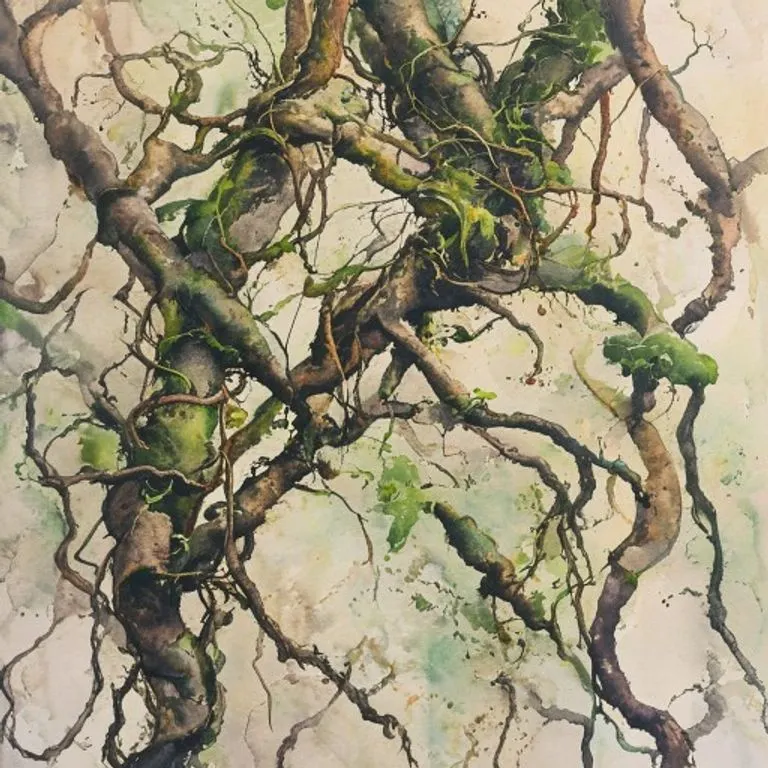
The complex and sometimes suffocating nature of excessive self-reliance, intertwining personal burdens.
This mindset, while seemingly efficient in the short term, can lead to severe burnout, chronic stress, and missed opportunities for growth that inherently come from collaboration and diverse perspectives. It also prevents them from building robust support systems, leaving them feeling profoundly alone and vulnerable when facing significant challenges or setbacks. The lack of shared burden can make every obstacle feel insurmountable.
In friendships and family dynamics, this pervasive distrust can manifest as a reluctance to share personal vulnerabilities or ask for emotional support. Snakes may keep their true feelings hidden, presenting a stoic or self-sufficient front, even when struggling internally with deep emotional turmoil. This emotional guardedness can create significant distance, making it difficult for others to connect with them on a deeper, more meaningful level.
Loved ones might feel shut out, unappreciated, or believe that the Snake doesn't value their input or presence, leading to strained relationships. The inability to lean on others can create a cycle of isolation, where the Snake's self-reliance, intended to protect, ultimately cuts them off from the very support that could alleviate their burdens.
Insecurity: The Root of Control Issues
Beneath the Snake's typically calm, composed, and often enigmatic exterior often lies a deep-seated insecurity. This fundamental insecurity is frequently the underlying cause of many of their more challenging negative traits, particularly their intense need for control, pervasive suspicion, and unwavering stubbornness. When Snakes perceive a lack of control over a situation, they can become profoundly anxious and defensive, leading them to overcompensate by attempting to manipulate circumstances or people to fit their desired outcome.
This behavior is not typically born of malice but rather from a deep-seated fear of vulnerability, unpredictability, and the potential for chaos. The insecurity can manifest as a crippling fear of failure, an insatiable need for constant external validation, or an intense, often paralyzing, desire for perfection in all endeavors. They may be highly critical of themselves and others, projecting their internal anxieties and impossibly high standards onto their environment and those around them.
This relentless internal pressure to always be "right" or "in control" can be emotionally and mentally exhausting, preventing them from taking healthy risks or embracing new experiences that fall outside their meticulously defined comfort zone. The pervasive fear of making a mistake can paralyze them, leading to chronic procrastination, analysis paralysis, or an obsessive overanalysis of every potential outcome, stifling spontaneity and genuine joy.
In relationships, insecurity can lead to extreme possessiveness and an overwhelming fear of abandonment. A Snake might constantly seek reassurance from their partner, demanding proof of affection and loyalty, or conversely, push them away as a subconscious test of their commitment. This push-pull dynamic can be incredibly confusing and damaging for both parties, as it creates an environment of emotional instability, anxiety, and distrust, eroding the foundation of intimacy.
They may struggle with genuine intimacy because it requires a level of vulnerability that their insecurity makes them deeply hesitant to embrace. The act of opening up and trusting another with their deepest fears and desires feels like an unbearable risk, leading them to maintain emotional barriers even with those they love most. This cycle perpetuates their insecurity, as they never fully experience the unconditional acceptance they crave.
Overthinking and Prone to Excess
Snakes are inherently deep thinkers, endowed with sharp intellects and a natural inclination towards analysis and contemplation. While this intellectual prowess is a significant strength, it can easily devolve into chronic overthinking, becoming a debilitating weakness. This tendency to ruminate can lead to analysis paralysis, where the Snake becomes so engrossed in dissecting every detail and potential outcome that they struggle to make decisions or take action.
This constant mental activity can generate significant anxiety, as their minds replay past events, anticipate future problems, and scrutinize every interaction for hidden meanings. The inability to quiet their minds can lead to mental exhaustion, insomnia, and a detachment from the present moment, diminishing their overall quality of life. They may miss opportunities because they are too busy analyzing the "perfect" moment to act, or they may become overwhelmed by the sheer volume of possibilities.
Furthermore, the Snake's appreciation for luxury, comfort, and the finer things in life, while a source of pleasure, can sometimes veer into excess. Their desire for a sophisticated and comfortable existence, if unchecked, can lead to indulgence, materialism, or even hedonism. This is not necessarily a moral failing but rather a potential escape mechanism from deeper emotional issues or the anxieties generated by their overthinking.
They might seek solace in extravagant purchases, fine dining, or other forms of sensory pleasure as a way to temporarily quiet their restless minds or numb underlying insecurities. This pursuit of external gratification can become a distraction from genuine self-reflection and personal growth, creating a cycle where temporary pleasures mask deeper unfulfilled needs. Recognizing this tendency is crucial for Snakes to cultivate true contentment, rather than fleeting satisfaction.
Strategies for Mitigating Snake's Negative Traits
Understanding these weaknesses is the first step; actively working to mitigate them is the path to growth. Snakes can employ several strategies to transform these challenges into opportunities for personal development:
- Cultivate Trust and Openness: For suspicion, practice distinguishing between genuine threats and imagined ones. Engage in mindfulness to stay present and avoid overthinking. Gradually open up to trusted individuals, starting with small vulnerabilities, to build a foundation of mutual trust. Therapy can be particularly beneficial in processing deep-seated fears.
- Embrace Flexibility and Humility: To combat stubbornness, consciously practice active listening and empathy. Seek out diverse perspectives and consider them genuinely, rather than immediately dismissing them. Recognize that true strength lies in adaptability and the ability to learn from others, and that admitting a mistake is a sign of wisdom, not weakness.
- Foster Commitment and Communication: For fickleness, cultivate a deeper understanding of personal emotional needs and communicate them openly and honestly with partners. Focus on the value of enduring relationships and the natural evolution of intimacy beyond initial excitement. Engage in activities that bring consistent satisfaction, rather than constantly seeking novelty.
- Delegate and Build Support Systems: To alleviate the burden of self-reliance, practice delegating tasks, even small ones, and trust others to complete them. Actively build a network of trusted advisors and friends. Recognize that interdependence is a strength, not a weakness, and that sharing burdens can lead to collective success and reduced stress.
- Address Insecurity Directly: For control issues rooted in insecurity, focus on building self-worth from within, rather than seeking external validation. Challenge the fear of failure by taking calculated risks and reframing mistakes as learning opportunities. Practice self-compassion and acceptance of imperfections.
- Practice Grounding and Moderation: To manage overthinking and excess, implement grounding techniques like meditation or deep breathing exercises. Set boundaries for analytical thought, dedicating specific times for problem-solving. Practice moderation in all aspects of life, finding contentment in simplicity and genuine experiences rather than material indulgence.
Balancing the Serpent's Nature: Growth and Self-Awareness
The journey of balancing the Snake's complex nature is one of continuous growth and profound self-awareness. It involves recognizing that the very traits that can be weaknesses—such as their intense intuition, strong will, and desire for depth—are also the source of their greatest strengths. The goal is not to eradicate these aspects but to understand and channel them constructively. By acknowledging their tendencies towards suspicion, stubbornness, fickleness, and insecurity, Snakes can proactively develop healthier coping mechanisms and interaction patterns.
Self-reflection, journaling, and seeking feedback from trusted individuals can provide invaluable insights into their behavioral patterns. Learning to pause before reacting, to question their initial suspicions, and to consider alternative viewpoints are essential practices. This process transforms potential liabilities into assets, allowing the Snake to leverage their natural intelligence and charm without being undermined by their shadow aspects. Ultimately, it leads to more fulfilling relationships, greater professional success, and a deeper sense of inner peace.
The Elemental Influence on Snake's Weaknesses
In Chinese astrology, each animal sign is also associated with one of the five elements: Wood, Fire, Earth, Metal, and Water. These elemental influences further refine and modify the expression of the Snake's core weaknesses, adding layers of complexity to their personality.
- Wood Snake: Wood Snakes tend to be more grounded and less prone to extreme fickleness, but their stubbornness can be deeply rooted and difficult to sway. Their suspicion might manifest as a quiet, persistent skepticism.
- Fire Snake: Fire amplifies the Snake's passion and intensity. This can make their jealousy more overt and their stubbornness more explosive. Their fickleness might be driven by a constant need for excitement and recognition.
- Earth Snake: Earth Snakes are generally more stable and practical, which can temper their fickleness. However, their self-reliance can become an unyielding refusal to accept help, and their insecurity might be deeply buried, leading to rigid control issues.
- Metal Snake: Metal Snakes possess strong convictions and a sharp intellect. This can make their stubbornness particularly unyielding and their critical overthinking exceptionally precise, leading to perfectionism and harsh self-judgment. Their distrust can be cold and absolute.
- Water Snake: Water Snakes are more adaptable and intuitive, which can make them less overtly stubborn. However, their suspicion can be more fluid and insidious, adapting to circumstances, and their fickleness might stem from a deep emotional restlessness and a search for profound connection.
Understanding these elemental nuances provides a more granular view of how a Snake's inherent weaknesses might present themselves, allowing for more personalized strategies for self-improvement and harmonious interaction.
Conclusion
The Chinese Zodiac Snake, while celebrated for its wisdom and charm, possesses a complex array of negative traits that, if left unaddressed, can impede personal growth and strain relationships. From the pervasive shadow of suspicion and jealousy to the unyielding grip of stubbornness, the restless nature of fickleness, the isolating burden of self-reliance, and the deep-seated roots of insecurity that fuel control issues, these aspects present significant challenges.
However, the power of self-awareness and intentional effort offers a clear path to transformation. By understanding the origins and manifestations of these weaknesses, and by actively implementing strategies for cultivating trust, embracing flexibility, fostering commitment, and addressing insecurity, individuals born under the Snake sign can achieve a more balanced and fulfilling life. The journey toward self-mastery is continuous, empowering the Snake to harness their profound strengths while gracefully navigating their inherent challenges, ultimately leading to greater harmony and success.
Fuente: Contenido híbrido asistido por IAs y supervisión editorial humana.


Comments
Post a Comment