
Altar Building Guide: Sacred Space for Ritual | StarPluto
Altar building is an ancient and deeply personal practice that transcends cultures and spiritual traditions, offering a tangible focal point for intention, devotion, and connection to the sacred. Far more than just a collection of objects, an altar serves as a consecrated space, a miniature universe reflecting our inner landscape and our aspirations. It acts as a bridge between the mundane and the divine, providing a dedicated area for meditation, prayer, ritual, and personal reflection.
In a world that often feels chaotic and disconnected, creating an altar can be a powerful act of grounding and self-care. It invites us to slow down, engage with our spiritual side, and consciously manifest our desires and gratitude. This guide will explore the profound significance of altar building, its diverse forms, and provide practical steps to help you create your own sacred space for ritual and spiritual growth.
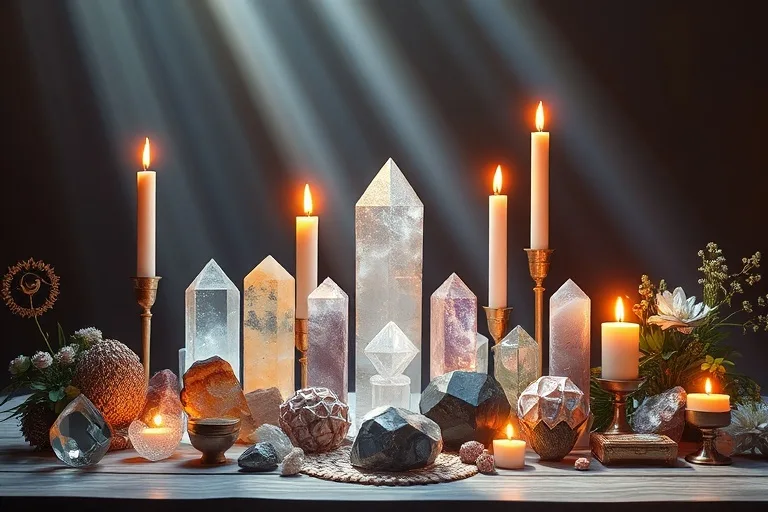
Table of Contents
- The Essence of Altar Building
- Historical and Cultural Significance
- Types of Altars and Their Purpose
- Key Elements of a Sacred Altar
- Step-by-Step Guide to Creating Your Altar
- Maintaining and Honoring Your Sacred Space
- The Transformative Power of Altars
The Essence of Altar Building
At its core, an altar is a designated area where one can consciously engage with the sacred. It's not necessarily about religious dogma, but rather about creating a personal sanctuary that reflects one's spiritual beliefs, intentions, and values. This space serves as a constant reminder of what is important to us, fostering a sense of peace, focus, and connection.
The act of building an altar is inherently a meditative process. It involves thoughtful selection, arrangement, and consecration of objects that hold personal meaning. Each item placed on the altar contributes to its energetic resonance, transforming a simple surface into a powerful vortex of spiritual energy. It becomes a place where intentions are amplified, gratitude is expressed, and inner wisdom is sought.
Historical and Cultural Significance
Altars have been an integral part of human civilization since ancient times, appearing in virtually every culture and spiritual tradition across the globe. From the megalithic stone altars of prehistoric Europe to the elaborate temples of ancient Egypt and Mesoamerica, these sacred structures have always served as places of worship, sacrifice, and communion with divine forces.
In many indigenous cultures, altars are deeply connected to the land and ancestral spirits, often incorporating natural elements and offerings. In Eastern traditions, altars might feature statues of Buddhas or deities, alongside incense and offerings of food and flowers. The common thread across all these diverse expressions is the human desire to honor the sacred and establish a tangible link to the spiritual realm.
Types of Altars and Their Purpose
Altars are incredibly versatile and can be tailored to suit a wide range of purposes and personal beliefs. Understanding the different types can help you decide what kind of sacred space you wish to create:
- Personal Altars: These are dedicated to one's own spiritual growth, self-reflection, and personal intentions. They often contain items that symbolize personal strengths, goals, or areas needing healing.
- Ancestral Altars: Used to honor and connect with ancestors, these altars typically feature photographs, heirlooms, and offerings of food or drink that were enjoyed by departed loved ones. They serve as a space for remembrance and gratitude.
- Devotional Altars: Dedicated to specific deities, spiritual guides, angels, or archetypes, these altars include statues, images, and symbols associated with the chosen entity. Offerings are made to express reverence and seek guidance.
- Seasonal or Elemental Altars: These altars shift with the cycles of nature, celebrating solstices, equinoxes, or specific elements like Earth, Air, Fire, and Water. They often incorporate seasonal foliage, fruits, and symbols representing the current energies.
- Intention Altars: Focused on manifesting specific goals or desires, these altars hold items that symbolize the desired outcome, along with written intentions or affirmations. They act as a visual aid for manifestation practices.
Key Elements of a Sacred Altar
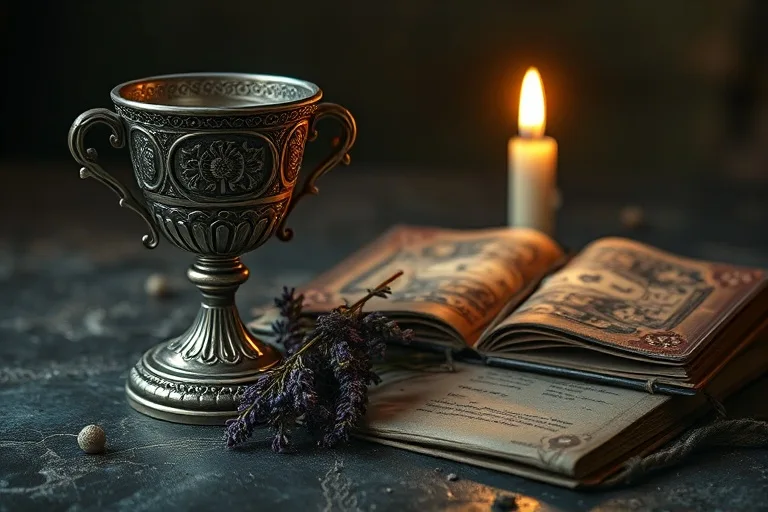
While there are no strict rules, many altars incorporate elements that represent the fundamental forces of existence or specific spiritual concepts. Consider including:
- Representations of the Elements:
- Earth: Crystals, stones, salt, sand, plants, flowers, soil, or a small bowl of earth.
- Air: Incense, feathers, bells, wind chimes, or a fan.
- Fire: Candles, a small lamp, or an image of fire.
- Water: A cup or bowl of water, seashells, or a small fountain.
- Spirit (Aether): A statue, symbol, or image representing the divine, a deity, or universal consciousness.
- Personal Items: Objects that hold deep personal significance, such as heirlooms, gifts, photographs, or items collected during meaningful experiences.
- Offerings: These can be fresh flowers, fruits, water, bread, or anything you feel moved to give as an act of gratitude or devotion. Offerings are typically refreshed regularly.
- Tools: Depending on your practice, you might include divination tools (tarot cards, pendulums), writing instruments for journaling, or ritual wands.
- Symbols: Statues, images, or carvings that represent your beliefs, such as a cross, a Buddha, an ankh, or a pentacle.
Step-by-Step Guide to Creating Your Altar
Creating an altar is a journey, not a destination. Here’s a simple guide to get you started:
- Choose a Location: Select a quiet, undisturbed spot in your home. This could be a small table, a shelf, a windowsill, or even a dedicated corner. Ensure it feels right to you and is easily accessible for your practices.
- Cleanse the Space: Physically clean the area thoroughly. Then, energetically cleanse it by smudging with sage or palo santo, ringing a bell, or visualizing purifying light. This clears away old energies and prepares the space.
- Set Your Intention: Before placing any items, reflect on the purpose of your altar. What do you want to invite into your life? What do you wish to honor? This intention will guide your choices.
- Gather Your Elements: Collect items that resonate with your intention and spiritual path. Don't feel pressured to buy new things; often, items found in nature or around your home hold the most power.
- Arrange Thoughtfully: Begin to arrange your items in a way that feels balanced and aesthetically pleasing to you. There's no right or wrong way; trust your intuition. You might consider placing taller items at the back and smaller ones at the front.
- Consecrate Your Altar: Once arranged, take a moment to stand before your altar. Light a candle, burn incense, and speak your intention aloud. You can offer a prayer, a blessing, or simply sit in quiet contemplation, imbuing the space with your energy and purpose.
Maintaining and Honoring Your Sacred Space
An altar is a living, breathing entity that benefits from regular attention and respect. Just as you maintain your physical home, your sacred space also requires care. This doesn't mean it needs to be pristine at all times, but rather that it should reflect your ongoing engagement with your spiritual path.
Regularly dust and clean the area, refresh water offerings, and replace wilting flowers. Take time to sit before your altar, even if it's just for a few minutes each day. Light a candle, meditate, or simply acknowledge its presence. This consistent interaction keeps the energy of your altar vibrant and reinforces its purpose in your life. Consider periodically re-evaluating the items on your altar, removing anything that no longer resonates and adding new elements as your spiritual journey evolves.
The Transformative Power of Altars
The practice of altar building offers numerous benefits that can profoundly impact your well-being. It provides a dedicated space for mindfulness, encouraging you to pause and connect with your inner self. This can lead to reduced stress, increased clarity, and a deeper sense of purpose. An altar can also serve as a powerful tool for manifestation, helping you to focus your intentions and attract positive outcomes into your life.
Moreover, an altar is a beautiful way to honor your spiritual journey and express gratitude for the blessings in your life. It can be a source of comfort during challenging times and a beacon of inspiration when seeking guidance. By creating and tending to a sacred space, you are not only building an altar but also nurturing your soul and strengthening your connection to the vast, mysterious forces of the universe.
Fuente: Contenido híbrido asistido por IAs y supervisión editorial humana.


Comments
Post a Comment