
Ancestor Veneration: Connecting with Your Lineage for Support and Wisdom | StarPluto
Ancestor veneration is a deeply rooted practice found across countless cultures and civilizations throughout history. It involves showing respect, honor, and gratitude towards deceased ancestors, often with the belief that they continue to influence the living world and can offer guidance, protection, and wisdom. This practice is not merely a historical relic; it remains a vibrant and meaningful part of many spiritual paths and family traditions today, offering a profound connection to one's past and a sense of belonging in the present.
In an increasingly disconnected world, reconnecting with our ancestral roots can provide a powerful sense of identity and purpose. This comprehensive guide explores the multifaceted nature of ancestor veneration, delving into its historical significance, diverse practices, and the profound benefits it offers for personal and spiritual growth. We will also distinguish it from ancestor worship and discuss how to engage in this practice respectfully and meaningfully in a contemporary context.
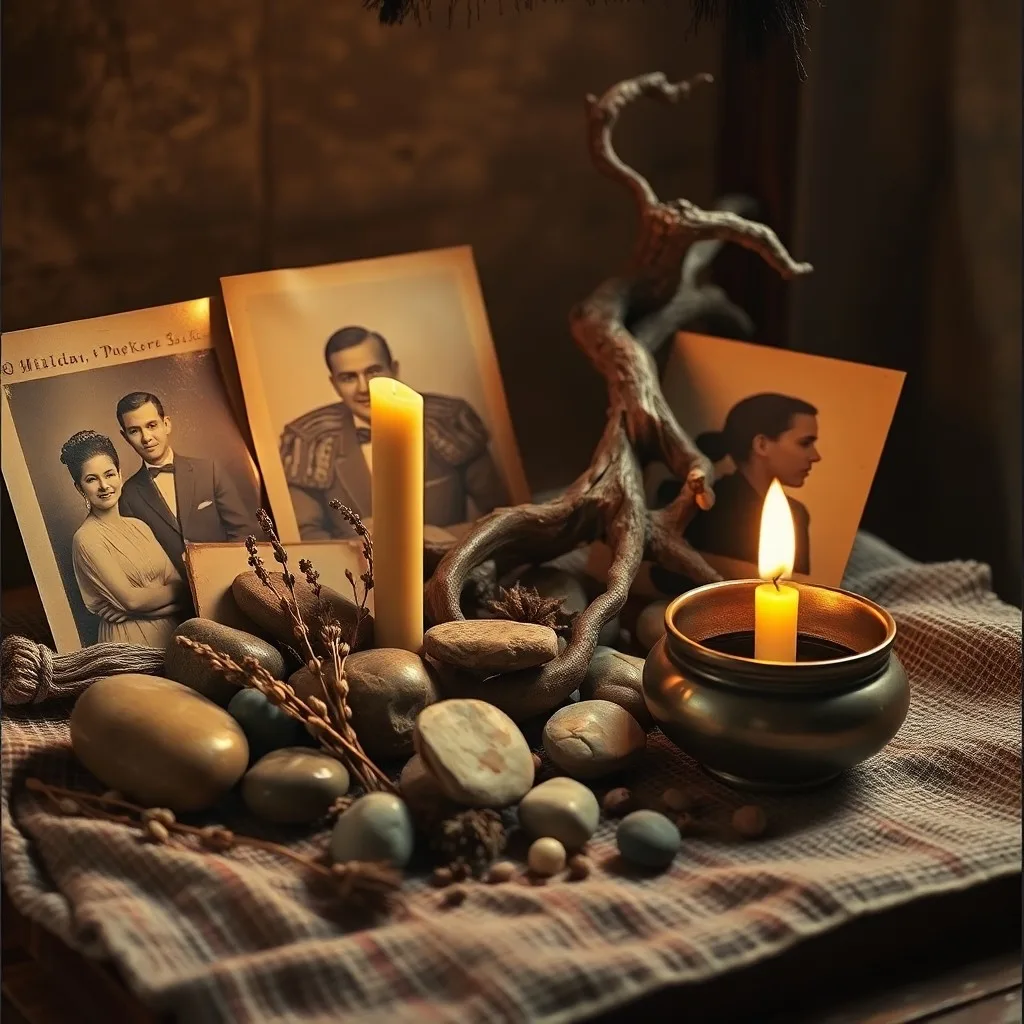
The intricate tapestry of ancestral connections, weaving past and present into a continuum of wisdom.
Table of Contents
- Historical and Cultural Roots of Ancestor Veneration
- Core Principles and Beliefs Behind the Practice
- Common Practices and Rituals of Veneration
- Psychological and Spiritual Benefits of Lineage Connection
- Modern Relevance and Adaptation of Ancestral Practices
- Ethical Considerations and Distinction from Worship
- Conclusion: The Enduring Power of Lineage
Historical and Cultural Roots of Ancestor Veneration
Ancestor veneration is not confined to a single religion or geographical region; it is a universal human phenomenon that has manifested in diverse forms across the globe for millennia. From ancient civilizations to contemporary indigenous communities, the recognition of a continuing bond with the deceased is a fundamental aspect of human spirituality.
In ancient Egypt, the elaborate burial rituals and tombs, such as those of the pharaohs, were designed to ensure the deceased's successful journey to the afterlife and their continued ability to influence the living. Offerings and prayers were regularly made to maintain their well-being and seek their favor. Similarly, in ancient Rome, the cult of the Lares and Penates involved household deities and ancestral spirits, to whom daily devotions were offered to protect the family and home.
Perhaps one of the most well-known examples comes from East Asia, particularly China, where ancestor veneration has been a cornerstone of Confucianism and folk religions for thousands of years. Filial piety, a core Confucian virtue, extends beyond life, mandating respect and care for one's parents and ancestors even after their passing. This is often expressed through elaborate family altars, ancestral tablets, and annual ceremonies like the Qingming Festival (Tomb-Sweeping Day).
Indigenous traditions worldwide, from various African cultures to Native American tribes and Polynesian societies, also hold deep reverence for ancestors. These practices often involve oral traditions, storytelling, sacred sites, and rituals designed to communicate with ancestral spirits, seeking their wisdom for community decisions, healing, and guidance. The Mexican celebration of Día de los Muertos (Day of the Dead) is another vibrant example, where families build altars, offer favorite foods and drinks, and welcome the spirits of their deceased loved ones back for a joyful reunion.
Core Principles and Beliefs Behind the Practice
At its heart, ancestor veneration is built upon several foundational beliefs and principles that transcend cultural boundaries. These include:
- Continuity of Life: The belief that death is not an absolute end, but rather a transition to another state of being, where the spirit of the deceased continues to exist and interact with the living.
- Interconnectedness: A profound understanding that individuals are part of a larger family and ancestral lineage, and that the actions and experiences of ancestors can impact current generations.
- Reciprocity: The idea that just as the living care for the deceased, the ancestors, in turn, can offer blessings, guidance, and protection to their descendants.
- Gratitude and Respect: A deep sense of appreciation for the lives, sacrifices, and legacies of those who came before, recognizing them as the foundation upon which current life is built.
- Seeking Wisdom and Guidance: Ancestors are often seen as repositories of wisdom and experience, capable of offering insights into life's challenges, spiritual growth, and personal development.
These principles foster a sense of responsibility towards one's lineage and encourage individuals to live in a way that honors their ancestors and contributes positively to the family's legacy. It's a spiritual framework that emphasizes the importance of family, history, and the unseen bonds that connect us all.
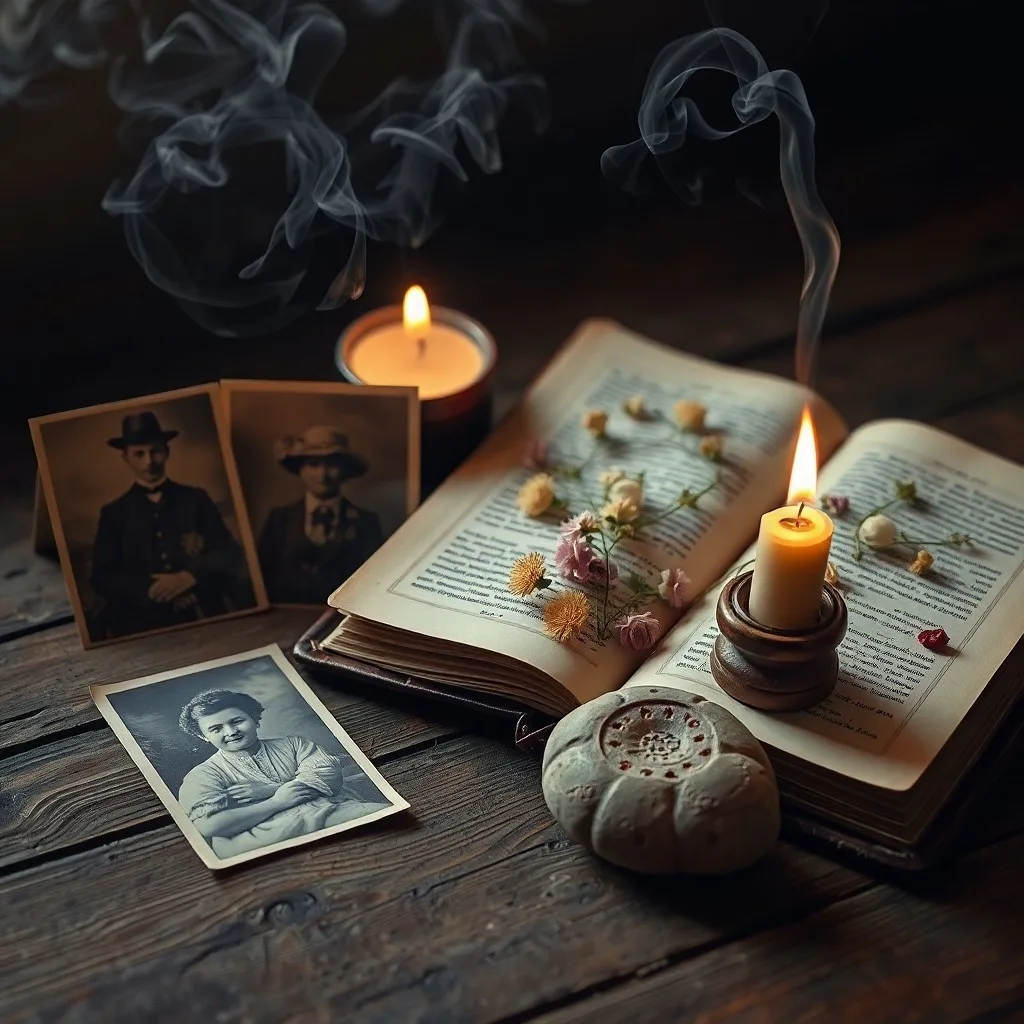
A beautifully arranged ancestral altar, a focal point for remembrance and connection.
Common Practices and Rituals of Veneration
The methods of ancestor veneration are as varied as the cultures that practice them, yet several common themes emerge. These practices often serve as tangible ways to express respect and maintain connection.
One of the most widespread practices is the creation of Advanced Planetary Aspects: Trines, Sextiles, Quincunxes. These can range from simple designated spaces within a home to elaborate structures in temples or public areas. They typically include:
- Photographs or Representations: Images, names, or symbolic objects representing the deceased.
- Offerings: Food (often favorite dishes of the ancestors), drink (water, tea, alcohol), incense, flowers, candles, and other items of significance. These are offered as acts of sustenance and respect.
- Prayers and Invocations: Verbal expressions of gratitude, requests for guidance, or simple remembrance.
Many cultures also observe specific Mesoamerican Astrology: Cosmic Cycles, Celestial Mechanics dedicated to ancestors. These can be annual events, such as the aforementioned Qingming Festival or Día de los Muertos, or rites of passage that acknowledge the transition of an individual into the ancestral realm. These gatherings often involve communal meals, storytelling, music, and dancing, reinforcing community bonds and the continuity of lineage.
Beyond formal rituals, personal practices like meditation, journaling, and dream work are also used to foster a deeper connection with ancestral spirits. Some individuals engage in genealogical research to learn more about their family history, viewing this as a form of veneration in itself, as it brings their ancestors' stories to light and honors their existence.
Psychological and Spiritual Benefits of Lineage Connection
Engaging in ancestor veneration offers a wealth of benefits that extend beyond mere tradition. These practices can profoundly impact an individual's psychological well-being and spiritual development.
- Enhanced Sense of Identity and Belonging: Understanding one's lineage provides a robust framework for personal identity. Knowing where you come from, the struggles and triumphs of your ancestors, can foster a deep sense of belonging and rootedness in the world. This connection can be particularly powerful for individuals feeling displaced or disconnected.
- Healing Ancestral Trauma: Many spiritual traditions believe that unresolved issues or traumas experienced by ancestors can echo through generations. Through veneration and intentional healing practices, individuals can seek to acknowledge, process, and potentially heal these ancestral wounds, leading to greater personal freedom and well-being. This concept is explored in various forms of Tarot Quantum Mechanics Intersecting Divination Reality and psychological therapies.
- Guidance and Support: Many practitioners report receiving guidance, insights, and a sense of support from their ancestors during challenging times. This can manifest through intuition, dreams, or synchronicities, providing comfort and direction.
- Personal Growth and Resilience: Reflecting on the lives of ancestors, their strengths, and their ability to overcome adversity can inspire resilience and courage in one's own life. It encourages a perspective that views personal challenges within a larger, enduring narrative of family strength.
- Spiritual Deepening: For many, ancestor veneration is a powerful spiritual practice that deepens their connection to the divine, the spirit world, and the cyclical nature of life and death. It can foster a sense of awe and reverence for the interconnected web of existence.
These benefits underscore the transformative potential of honoring one's lineage, moving beyond simple remembrance to active engagement with the spiritual heritage that shapes us.
The merging of ancient wisdom with modern understanding, a testament to enduring ancestral knowledge.
Modern Relevance and Adaptation of Ancestral Practices
In today's fast-paced, globalized world, the practice of ancestor veneration might seem anachronistic to some. However, its relevance is arguably more pronounced than ever. Many individuals, seeking meaning and connection beyond consumerism and fleeting trends, are rediscovering the profound value of ancestral practices.
Modern adaptations often involve a personalized approach, integrating traditional elements with contemporary understanding. This could include:
- Genealogical Research: Utilizing online databases and DNA testing to uncover family history, trace migration patterns, and identify ancestors, thereby building a more concrete connection to one's lineage.
- Personal Altars: Creating small, private altars in homes that reflect personal aesthetics and spiritual beliefs, incorporating items meaningful to both the practitioner and their ancestors.
- Mindful Remembrance: Dedicating specific times for quiet reflection, meditation, or prayer to honor ancestors, even without elaborate rituals. This can be as simple as lighting a candle or offering a moment of silence.
- Storytelling and Legacy Projects: Documenting family stories, creating photo albums, or engaging in creative projects that celebrate ancestral heritage, ensuring that their legacies are preserved for future generations.
The resurgence of interest in has also paved the way for a renewed appreciation of ancestor veneration. It offers a tangible way to address existential questions, foster resilience, and cultivate a deeper sense of self in an ever-changing world. It's about finding personal meaning in the collective story of one's family.
Ethical Considerations and Distinction from Worship
It is crucial to approach ancestor veneration with respect and ethical awareness, particularly when engaging with practices from cultures different from one's own. Cultural appropriation is a significant concern, emphasizing the importance of genuine intent, thorough research, and a deep understanding of the traditions being explored.
A common point of confusion is the distinction between "ancestor veneration" and "ancestor worship." While the terms are sometimes used interchangeably, there is a subtle yet significant difference:
- Veneration: Typically involves showing profound respect, honor, and gratitude. Ancestors are seen as respected elders, guides, or sources of wisdom, but not as deities to be adored or supplicated in the same way one would a god. The focus is on maintaining a respectful relationship and seeking their benevolent influence.
- Worship: Implies adoration and deification, treating ancestors as gods who hold ultimate power and control. While some traditions might blur these lines, many practitioners of ancestor veneration emphasize that their practices are about honoring, not worshiping.
When engaging in these practices, it is vital to:
- Respect Cultural Boundaries: If drawing from a specific cultural tradition, ensure you understand its nuances and avoid cherry-picking elements without proper context. Seek guidance from knowledgeable practitioners if possible.
- Maintain Personal Integrity: Develop practices that genuinely resonate with your own spiritual beliefs and values, rather than adopting rituals that feel inauthentic.
- Focus on Connection, Not Control: The goal is to foster a loving and respectful relationship with your lineage, not to manipulate or control ancestral spirits for personal gain.
By adhering to these ethical guidelines, individuals can engage in ancestor veneration in a way that is both personally enriching and culturally sensitive.
Conclusion: The Enduring Power of Lineage
Ancestor veneration is a timeless practice that offers a profound pathway to understanding ourselves, our place in the world, and the invisible threads that connect us to generations past. It is a testament to the enduring human need for connection, meaning, and a sense of belonging. By honoring our ancestors, we not only pay tribute to their lives and legacies but also open ourselves to a rich source of wisdom, healing, and support that can profoundly enrich our own journey.
Whether through formal rituals, quiet reflection, or the simple act of remembering, connecting with our lineage can provide a powerful anchor in a turbulent world, fostering resilience, identity, and a deeper appreciation for the grand tapestry of life from which we emerge. The practice reminds us that we are never truly alone, but part of an unbroken chain of existence, supported and guided by those who walked before us.
Fuente: Contenido híbrido asistido por IAs y supervisión editorial humana.


Comments
Post a Comment