
Runes Divination: Interpreting Ancient Nordic Symbols | StarPluto
Runes, an ancient system of symbols originating from Germanic cultures, have captivated seekers of wisdom for centuries. More than just an alphabet, each rune carries a profound meaning, representing cosmic forces, natural elements, and fundamental human experiences. Their use extends beyond mere writing, delving deep into the realms of divination, magic, and personal introspection.
This esoteric guide will explore the rich history of runes, their various forms, and the intricate art of interpreting their messages. Whether you are a novice curious about ancient Nordic wisdom or an experienced practitioner looking to deepen your understanding, this comprehensive overview aims to illuminate the path of runic divination. Prepare to unlock the secrets held within these powerful symbols and harness their guidance for your life's journey.
Table of Contents
The mystical glow of ancient runes, revealing their timeless secrets.
The Ancient Roots of Runes: History and Evolution
The word "rune" itself comes from the Old Norse word "rún," meaning "secret" or "mystery." These ancient symbols were not merely a writing system but were believed to be imbued with divine power and knowledge. Early runic inscriptions date back to the 2nd century CE, primarily found on artifacts across Northern Europe, including Scandinavia, Britain, and parts of Central Europe.
The origins of runes are shrouded in myth and legend, most notably in Norse mythology, where the god Odin is said to have gained knowledge of the runes through a self-sacrificial ordeal. Hanging from the world tree Yggdrasil for nine days and nights, Odin discovered the runes, bringing them as a gift of wisdom to humanity. This mythical narrative underscores the profound spiritual significance attributed to these symbols by the ancient peoples.
Archaeological evidence suggests that runes were used for various purposes, including inscriptions on memorial stones, weapons, jewelry, and tools. They served as a means of communication, record-keeping, and, crucially, as a powerful tool for magic and divination. The act of carving or casting runes was often accompanied by rituals and invocations, seeking guidance or influencing events.
Over time, the runic alphabets evolved, adapting to linguistic changes and regional influences. The most well-known and widely studied runic system is the Elder Futhark, which forms the basis for much of modern runic divination. Understanding this historical context is vital for appreciating the depth and power of runic symbols in contemporary practice.
Understanding the Futhark: Types of Runic Alphabets
The term "Futhark" is derived from the first six runes of the alphabet: Fehu, Uruz, Thurisaz, Ansuz, Raido, and Kaun (or Kano). While several runic systems existed, three main types are most commonly recognized and studied today, each with its unique characteristics and historical period of use. These distinct alphabets reflect the evolving linguistic and cultural landscapes of the Germanic tribes.
The Elder Futhark (c. 150-800 CE)
The Elder Futhark is the oldest known runic alphabet, consisting of 24 runes arranged into three groups of eight, called "aettir" (families). Each aett is associated with specific deities and themes, providing a structured framework for interpretation. This system is the most commonly used for divination due to its comprehensive symbolic range and deep historical roots.
The runes of the Elder Futhark are believed to represent universal archetypes and forces, making them highly versatile for interpreting various life situations. Their meanings are often multifaceted, encompassing both positive and challenging aspects, encouraging a balanced perspective in divination. Many modern runic sets are based directly on this ancient script.
The Younger Futhark (c. 800-1100 CE)
During the Viking Age, the Elder Futhark evolved into the Younger Futhark, a simplified alphabet with only 16 runes. This reduction in symbols occurred as the Old Norse language changed, and some sounds merged or disappeared. Despite fewer runes, the Younger Futhark remained a potent writing and magical system.
The Younger Futhark is divided into two main branches: the Danish Long-Branch runes and the Swedish-Norwegian Short-Twig runes. While less commonly used for contemporary divination than the Elder Futhark, its historical significance in Viking culture is undeniable. Studying it offers insights into the linguistic and spiritual practices of that era.
The Anglo-Saxon Futhorc (c. 400-1100 CE)
In Anglo-Saxon England, runes underwent further expansion, resulting in the Futhorc, which could have anywhere from 28 to 33 runes. This expansion was a response to the phonetic changes in the Old English language, requiring more symbols to represent new sounds. The extra runes often combined elements of existing ones or introduced entirely new symbols.
Notable examples of Anglo-Saxon runic inscriptions include the Ruthwell Cross and the Franks Casket, showcasing the artistic and literary applications of this script. While less frequently used for divination today, the Futhorc provides a fascinating glimpse into the cultural fusion and linguistic development of early medieval England. Its complexity reflects a rich tapestry of beliefs.
A collection of runic tools, evoking the ancient practice of divination.
Runic Divination: Principles and Practices
Runic divination is not about predicting a fixed future but rather about gaining insight into current energies, potential outcomes, and the underlying dynamics of a situation. It serves as a tool for self-reflection, spiritual guidance, and understanding the forces at play in one's life. The process involves selecting runes and interpreting their symbolic messages in context.
Casting Methods
There are various methods for casting runes, each suitable for different types of questions or insights. The most common approach involves drawing runes from a bag or casting them onto a designated cloth. The choice of method often depends on personal preference and the specific nature of the inquiry being made.
- Single Rune Draw: Ideal for a quick daily insight or a simple "yes/no" answer. The chosen rune provides a focal point for reflection.
- Three-Rune Spread: A popular method for exploring past, present, and future influences. This spread offers a narrative flow to the interpretation.
- Nornir Spread: Named after the Norse goddesses of fate, this spread uses three runes to represent "What was," "What is," and "What will be." It provides a deeper look into karmic patterns.
- Five-Rune Spread (Cross Spread): Addresses a question from multiple angles, often covering the challenge, supporting forces, obstacles, advice, and outcome. This spread offers comprehensive guidance.
- Odin's Rune (Blank Rune): Some runic sets include a blank rune, often called Wyrd, representing the unknowable or divine fate. Its appearance can signify that the answer is not yet revealed or is entirely in the hands of destiny.
Interpretation Principles
Interpreting runes requires intuition, knowledge of their individual meanings, and an understanding of their interaction within a spread. Context is paramount, as a rune's meaning can shift depending on its position and the surrounding runes. Consider the question asked and how the runes relate to it.
- Upright vs. Reversed: Many runes have different meanings when they appear upright versus reversed. An upright rune typically signifies its positive or active aspect, while a reversed rune may indicate challenges, blockages, or the shadow side of its energy. Not all runes have reversed meanings; some are symmetrical.
- Contextual Reading: Look at the runes not in isolation but as part of a larger story. How do they influence each other? Do they form a coherent message or highlight conflicting energies? The interplay between symbols is crucial for a nuanced interpretation.
- Intuition and Personal Connection: While traditional meanings provide a foundation, your personal intuition plays a significant role. Allow the imagery and feeling of each rune to speak to you. Over time, you will develop a deeper, more personal connection with the symbols.
For further exploration into esoteric practices and their interpretations, consider delving into topics like Tarot Quantum Mechanics Intersecting Divination Reality or the meaning behind Tarot Quantum Mechanics Intersecting Divination Reality, which can complement runic wisdom. These practices often share common threads of spiritual insight and self-discovery.
Interpreting the Runes: Individual Meanings (Elder Futhark)
Each of the 24 runes of the Elder Futhark holds a unique and complex set of meanings. These interpretations are derived from ancient lore, linguistic roots, and centuries of esoteric practice. Below is a concise overview of each rune's core symbolism, providing a starting point for your interpretive journey.
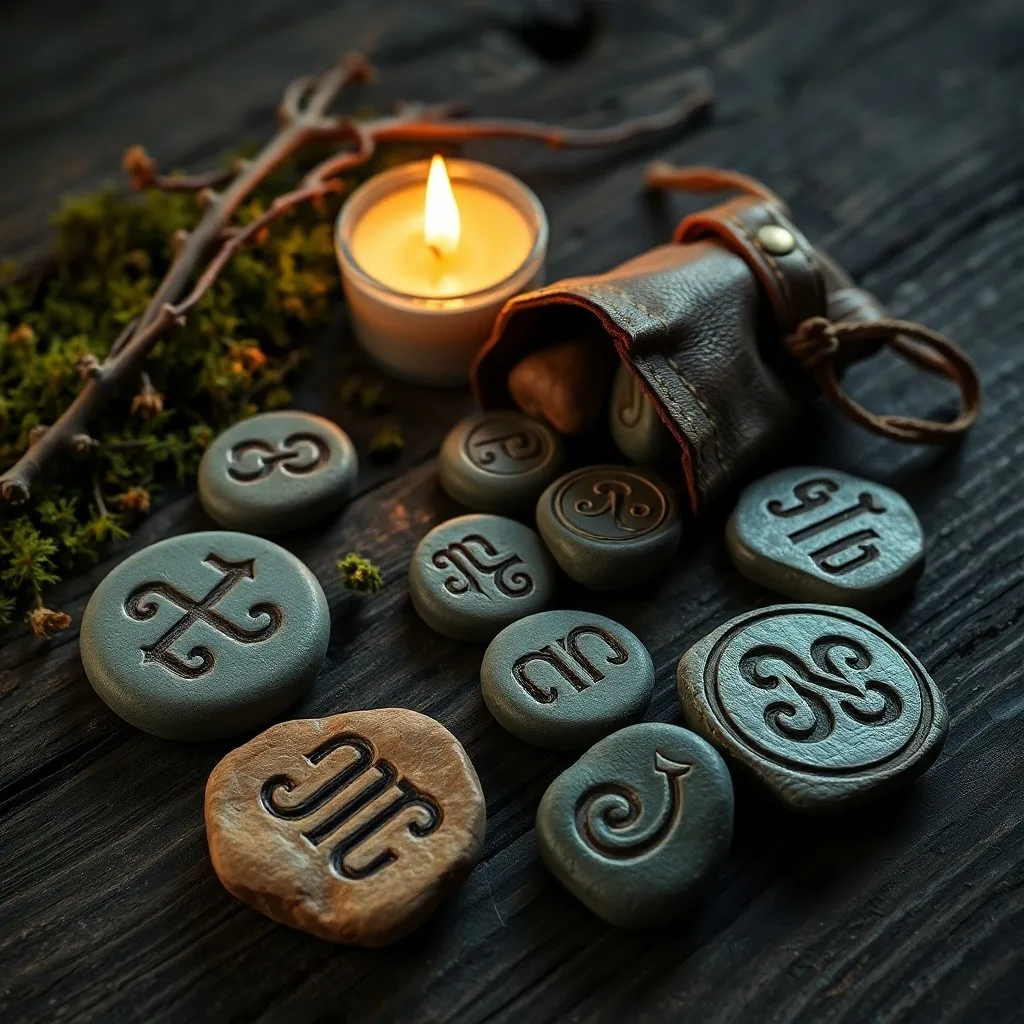
The Algiz rune, a symbol of divine protection and spiritual connection.
| Rune | Phonetic | Key Meaning (Upright) | Reversed Meaning (if applicable) |
|---|---|---|---|
| Fehu | F | Cattle, wealth, abundance, new beginnings, financial strength. | Loss, disappointment, greed, poverty, failure. |
| Uruz | U | Wild ox, strength, endurance, raw power, good health. | Weakness, illness, missed opportunities, lack of motivation. |
| Thurisaz | Th | Thorn, giant, conflict, protection, defense, sudden change. | Danger, vulnerability, compulsion, betrayal, rash decisions. |
| Ansuz | A | God, communication, inspiration, wisdom, divine message. | Miscommunication, manipulation, misunderstanding, trickery. |
| Raido | R | Journey, travel, progress, rhythm, spiritual quest. | Crisis, stagnation, wrong path, unexpected delays, bad advice. |
| Kano (Kenaz) | K | Torch, illumination, knowledge, creativity, passion. | Lack of vision, instability, disease, ending of a phase. |
| Gebo | G | Gift, partnership, generosity, balance, exchange. | (No reversed meaning, symmetrical) |
| Wunjo | W | Joy, comfort, harmony, fellowship, spiritual reward. | Sorrow, alienation, struggle, delay, intoxication. |
| Hagalaz | H | Hail, disruption, crisis, uncontrolled forces, awakening. | (No reversed meaning, symmetrical) |
| Nauthiz | N | Need, constraint, delay, resistance, self-reliance. | Distress, poverty, emotional hunger, hardship, warning. |
| Isa | I | Ice, standstill, challenge, introspection, patience. | (No reversed meaning, symmetrical) |
| Jera | J / Y | Harvest, year, cycles, positive outcome, patience rewarded. | (No reversed meaning, symmetrical) |
| Eihwaz | Ei | Yew tree, endurance, reliability, death and rebirth, transformation. | (No reversed meaning, symmetrical) |
| Perthro | P | Lot cup, mystery, fate, secrets, hidden abilities, destiny. | Stagnation, addiction, loneliness, illusion, hidden dangers. |
| Algiz | Z | Elk, protection, defense, spiritual connection, guardian. | Hidden danger, vulnerability, sacrifice, deceit, loss of divine link. |
| Sowilo | S | Sun, success, honor, wholeness, victory, enlightenment. | (No reversed meaning, symmetrical) |
| Tiwaz | T | Tyr, justice, sacrifice, leadership, courage, victory. | Imbalance, injustice, lack of passion, defeat, over-analysis. |
| Berkano | B | Birch goddess, growth, rebirth, fertility, new beginnings, family. | Stagnation, domestic problems, anxiety, infertility, deceit. |
| Ehwaz | E | Horse, movement, partnership, trust, progress, teamwork. | Disharmony, distrust, betrayal, forced change, delays. |
| Mannaz | M | Man, humanity, self, community, social order, introspection. | Self-delusion, isolation, manipulation, dependence, mortality. |
| Laguz | L | Water, intuition, flow, emotions, subconscious, healing. | Fear, avoidance, poor judgment, lack of creativity, toxicity. |
| Inguz | Ng | Ing, fertility, new beginnings, completion, growth, inner peace. | (No reversed meaning, symmetrical) |
| Othala (Odal) | O | Inheritance, home, ancestral property, tradition, security. | Homelessness, poverty, bad karma, prejudice, lack of order. |
| Dagaz | D | Day, breakthrough, awakening, new dawn, transformation. | (No reversed meaning, symmetrical) |
This table provides a foundational understanding of each rune. However, the true depth of runic interpretation comes from studying their historical context, mythological associations, and how they interact within a reading. Practice and personal meditation on each symbol will greatly enhance your ability to interpret their messages accurately.
Ethical Considerations in Runic Practice
Approaching runic divination with respect and ethical awareness is crucial for a meaningful and responsible practice. Runes are powerful tools, and their use should always be guided by integrity and a commitment to personal growth, not manipulation or harm. Understanding these principles ensures a positive and constructive experience for both the practitioner and the querent.
- Respect for the Symbols: Treat your runes with reverence. Keep them in a special pouch or box, and cleanse them regularly. This fosters a respectful connection to their energy and heritage.
- Intention and Clarity: Always approach a reading with a clear and positive intention. Frame your questions in a way that seeks guidance and understanding, rather than trying to force a specific outcome.
- Personal Responsibility: Remember that runes offer insights and possibilities, not absolute decrees. The ultimate power of choice and action always rests with the individual. Use the guidance to empower yourself, not to relinquish responsibility.
- Confidentiality and Privacy: If reading for others, maintain strict confidentiality regarding their questions and the insights gained. Create a safe and trusting environment for the divination process.
- Avoid "Fortune Telling": Runic divination is not about predicting the exact future, but about understanding current energies and potential paths. Focus on providing empowering insights that help navigate challenges and seize opportunities.
- Continuous Learning: The path of runic wisdom is ongoing. Continuously study, meditate, and reflect on the runes to deepen your understanding and connection. This dedication enhances the quality of your practice.
By adhering to these ethical guidelines, you ensure that your runic practice remains a source of wisdom, empowerment, and positive influence. The ancient Nordic symbols are not to be trifled with, but respected as sacred conduits of insight. For more on spiritual tools, consider exploring Tarot Quantum Mechanics Intersecting Divination Reality or the power of Sound Alchemy: Cellular Regeneration, Manifestation Frequencies.
Conclusion: Embracing Runic Wisdom
The practice of runic divination offers a profound connection to ancient wisdom and a powerful tool for self-discovery. By understanding the historical origins, the various Futhark systems, and the individual meanings of each rune, you can unlock a rich tapestry of insights. Remember that runes are not just symbols; they are echoes of cosmic forces and human experience, offering guidance to those who seek it with an open heart and a clear mind.
Embrace the journey of learning and intuition, allowing the runes to illuminate your path and provide clarity in times of uncertainty. Whether you are seeking answers about love, career, personal growth, or spiritual development, the ancient Nordic symbols stand ready to share their timeless messages. May your path be guided by their profound wisdom.
Fuente: Contenido híbrido asistido por IAs y supervisión editorial humana.


Comments
Post a Comment