
Runes: Ancient Nordic Divination & Symbolism | StarPluto
Runes, an ancient script originating from Germanic peoples, are far more than mere letters. They represent a profound system of divination, magic, and symbolism that has captivated scholars and spiritual seekers for centuries. These powerful symbols offer a unique window into the worldview of early Nordic and Germanic cultures, encompassing their understanding of the cosmos, human nature, and the forces that shape destiny.
From their earliest inscriptions to their modern-day resurgence in esoteric practices, runes have served as a tool for communication, protection, and insight. This comprehensive guide delves into the rich history, intricate meanings, and practical applications of runes, providing an educational and informed perspective on their enduring legacy.
Table of Contents
- Historical Context and Evolution of Runes
- The Elder Futhark: The Core Runic Alphabet
- Understanding Individual Rune Meanings
- Runes as a Divination System: Casting and Interpretation
- Modern Applications and Ethical Considerations
- Beyond Divination: Runes as Symbolic Power
- Conclusion: The Enduring Wisdom of Runes
Historical Context and Evolution of Runes
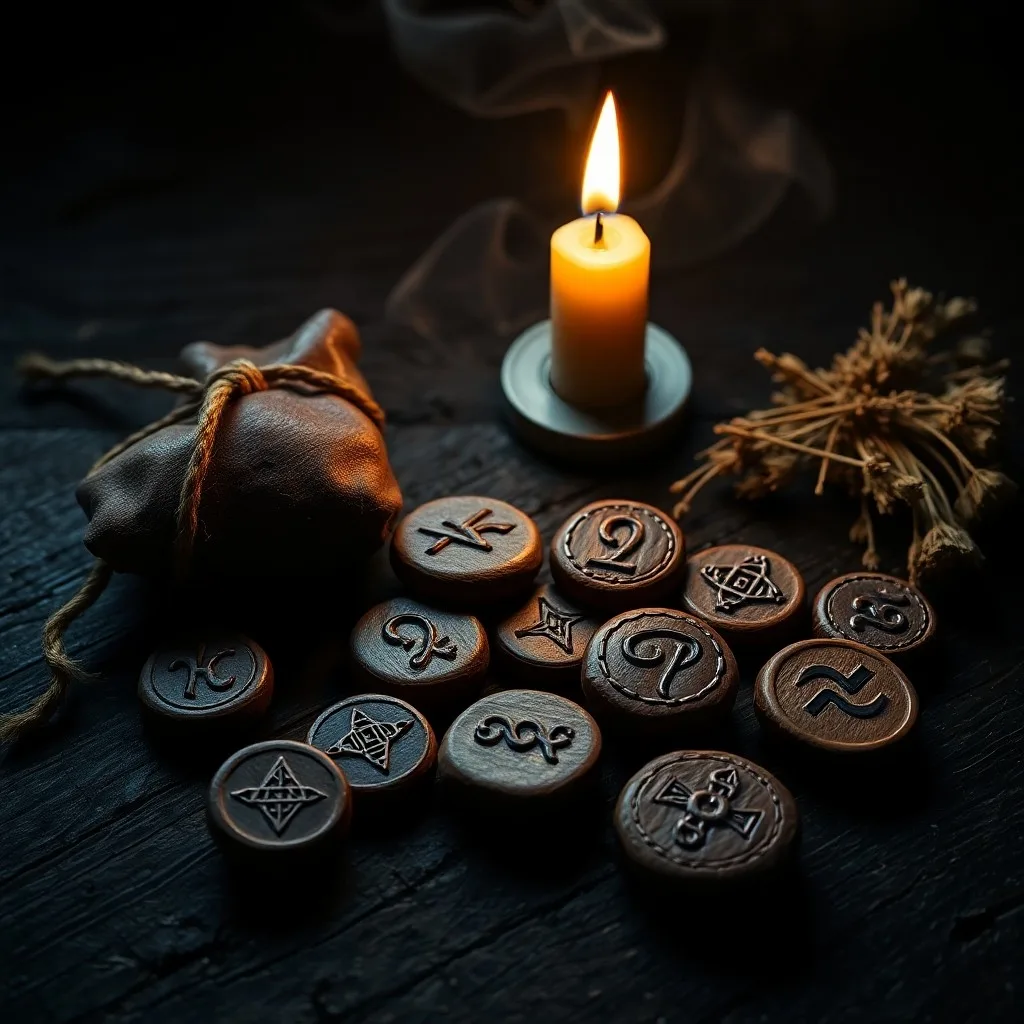
The term "rune" itself is believed to derive from a Germanic root meaning "secret," "mystery," or "whisper," hinting at their esoteric significance. The earliest runic inscriptions date back to the 2nd century CE, though their origins are likely much older, rooted in Proto-Germanic traditions. Unlike the Latin alphabet, which was primarily a phonetic tool, runes were imbued with inherent magical and symbolic power, each character representing a concept, a deity, or a force of nature.
The development of runic alphabets, known as Futharks, saw several transformations over centuries. The most prominent forms include the Elder Futhark, the Younger Futhark, and the Anglo-Saxon Futhorc. Each variant adapted to the linguistic and cultural shifts of the Germanic tribes, reflecting their evolving spiritual and practical needs.
- Elder Futhark (c. 150-800 CE): This is the oldest and most complete runic alphabet, consisting of 24 characters. It is widely considered the foundational system for runic divination and magic. Its use spread across Northern Europe, from Scandinavia to Britain.
- Younger Futhark (c. 800-1100 CE): Developed during the Viking Age, this simplified alphabet contained only 16 runes. Its reduction in characters meant that each rune had to carry more phonetic and conceptual weight, making interpretation more nuanced.
- Anglo-Saxon Futhorc (c. 5th-11th centuries CE): Used in Anglo-Saxon England, this Futhark expanded to between 29 and 33 runes, incorporating new sounds and concepts relevant to the evolving Old English language and culture.
The decline of runic script began with the Christianization of Northern Europe, as the Latin alphabet became the dominant writing system. However, their symbolic power never fully faded, persisting in folklore, decorative arts, and eventually experiencing a revival in the 20th century as tools for Tarot Quantum Mechanics Intersecting Divination Reality. The study of runes provides invaluable insights into ancient Germanic languages, mythology, and religious beliefs, making them a crucial subject for historical and anthropological research.
The Elder Futhark: The Core Runic Alphabet
The Elder Futhark is the most commonly studied and utilized runic alphabet for divination today. It is divided into three groups of eight runes each, known as Aettir (singular: Aett). Each Aett is associated with specific deities and themes, adding layers of meaning to the individual runes.
- Freyr's Aett (First Aett): Associated with the god Freyr and goddess Freyja, this Aett deals with creation, material wealth, primal forces, and the beginning of journeys.
- Hagal's Aett (Second Aett): Named after the rune Hagalaz, this Aett explores themes of change, challenge, transformation, and the forces of nature.
- Týr's Aett (Third Aett): Associated with the god Týr, this Aett focuses on justice, leadership, spiritual growth, and the culmination of efforts.
Understanding the structure of the Futhark and the context of each Aett is crucial for a deeper interpretation of the runes. Each rune within these Aettir carries a unique phonetic sound, a symbolic meaning, and often a connection to a specific Norse myth or concept. This interconnectedness makes rune reading a rich and multidimensional practice, requiring both knowledge and intuition.
Understanding Individual Rune Meanings
Each of the 24 runes in the Elder Futhark possesses a distinct meaning, representing various aspects of life, nature, and the human experience. These meanings are often multi-layered and can shift depending on the context of the reading, as well as whether the rune appears upright or reversed (though not all runes have a reversed meaning).
| Rune | Name | Phonetic | Key Meaning (Upright) | Key Meaning (Reversed/Challenge) |
|---|---|---|---|---|
| ᚠ | Fehu | F | Cattle, wealth, abundance, new beginnings | Loss, poverty, greed, disappointment |
| ᚢ | Uruz | U | Wild ox, strength, vitality, primal force | Weakness, illness, misdirected force |
| ᚦ | Thurisaz | Th | Thorn, giant, protection, destructive force, change | Danger, defenselessness, compulsion, betrayal |
| ᚨ | Ansuz | A | God, Odin, communication, wisdom, inspiration | Miscommunication, manipulation, delusion |
| ᚱ | Raido | R | Journey, travel, rhythm, order, spiritual quest | Crisis, stagnation, injustice, wrong direction |
| ᚲ | Kenaz | K | Torch, knowledge, insight, creativity, healing | Lack of creativity, disease, ignorance, false hope |
| ᚷ | Gebo | G | Gift, partnership, generosity, balance | (No reversed meaning) Imbalance, sacrifice |
| ᚹ | Wunjo | W | Joy, comfort, fellowship, harmony, success | Sorrow, alienation, delusion, struggle |
| ᚺ | Hagalaz | H | Hail, disruption, crisis, sudden change, chaos | (No reversed meaning) Natural disaster, loss |
| ᚾ | Nauthiz | N | Need, constraint, necessity, patience, endurance | Distress, poverty, internal conflict, delay |
| ᛁ | Isa | I | Ice, stagnation, pause, challenge, self-preservation | (No reversed meaning) Deception, delusion, lack of clarity |
| ᛃ | Jera | J/Y | Year, harvest, cycles, reward, peace, justice | (No reversed meaning) Bad harvest, sudden reversal |
| ᛇ | Eihwaz | Ei | Yew tree, endurance, reliability, death, transformation | (No reversed meaning) Confusion, destruction, weakness |
| ᛈ | Perthro | P | Dice cup, fate, mystery, secrets, chance, rebirth | Stagnation, addiction, lack of control, loss of faith |
| ᛉ | Algiz | Z | Elk, protection, defense, guardian, divine connection | Hidden danger, vulnerability, sacrifice, loss |
| ᛋ | Sowilo | S | Sun, success, honor, wholeness, victory, guidance | (No reversed meaning) False goals, bad counsel, destruction |
| ᛏ | Tiwaz | T | God Týr, justice, sacrifice, victory, leadership | Injustice, imbalance, defeat, lack of passion |
| ᛒ | Berkana | B | Birch goddess, growth, fertility, rebirth, new beginnings | Stagnation, decay, family problems, anxiety |
| ᛖ | EhwaZ | E | Horse, movement, progress, trust, teamwork, harmony | Discord, betrayal, disharmony, stagnation |
| ᛗ | Mannaz | M | Man, humanity, self, community, social order | Self-delusion, isolation, manipulation, mortality |
| ᛚ | Laguz | L | Water, flow, intuition, dreams, subconscious, healing | Fear, circular motion, avoidance, poisoning |
| ᛝ | Ingwaz | Ng | God Ing, completion, fertility, new beginnings, inner growth | (No reversed meaning) Stagnation, scattering, impotence |
| ᛟ | Othala | O | Inherited property, homeland, ancestry, tradition, order | Homelessness, poverty, bad karma, prejudice |
| ᛞ | Dagaz | D | Day, dawn, breakthrough, awakening, transformation | (No reversed meaning) Blindness, hopelessness, ending |
This table provides a foundational understanding, but true mastery comes from deep study, personal reflection, and intuitive connection to each symbol. Many resources, including scholarly texts and modern Tarot Quantum Mechanics Intersecting Divination Reality, offer more extensive interpretations and historical context for each rune.
Runes as a Divination System: Casting and Interpretation
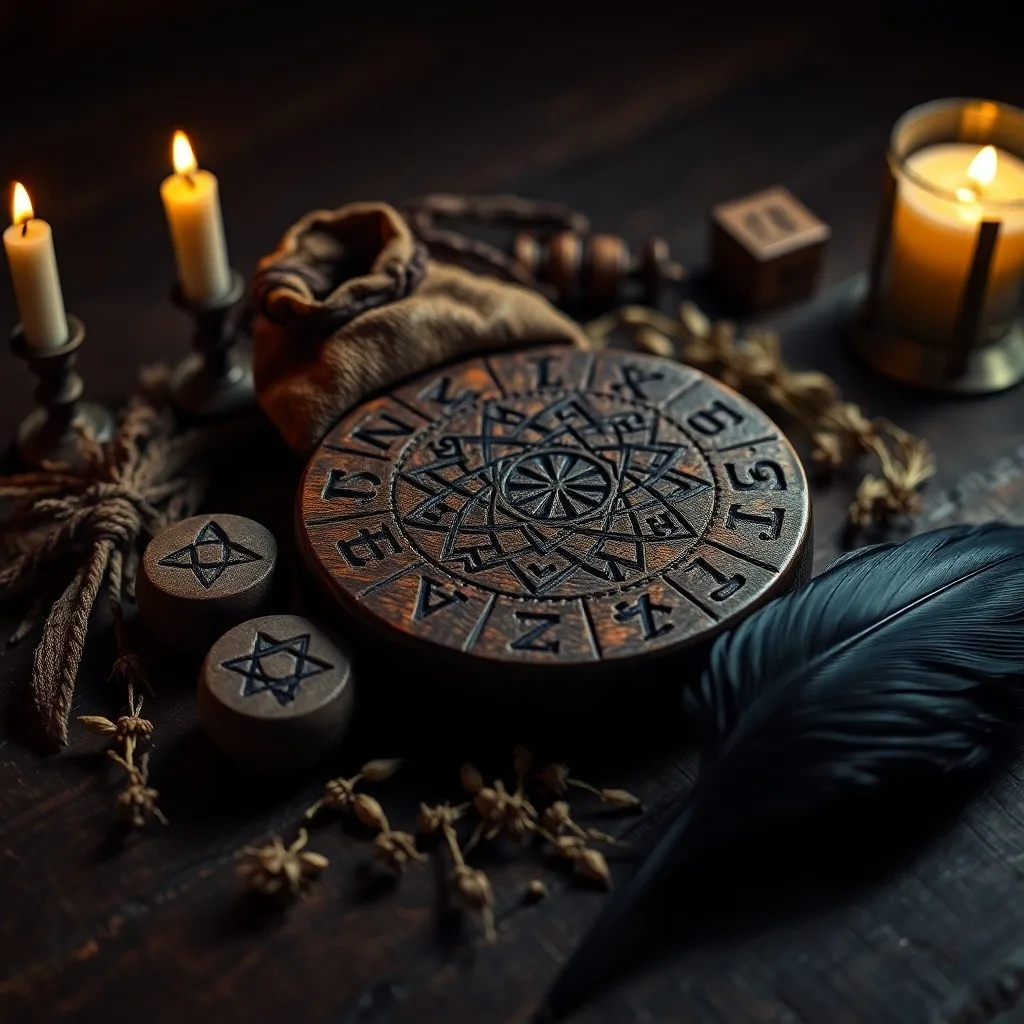
Rune casting is a form of divination used to gain insight into present situations, understand potential future outcomes, and explore inner wisdom. It's not about predicting a fixed future, but rather about illuminating paths and offering guidance based on current energies and choices. The practice typically involves drawing or casting a selection of runes and interpreting their meanings in relation to a specific question or situation.
Before a reading, it's customary to cleanse the runes and the space, set a clear intention, and formulate a precise question. This preparation helps to focus the energy and ensure a meaningful reading. Runes can be made from various materials, including wood, stone, bone, or metal, each carrying its own energetic properties.
Common rune spreads include:
- The Three-Rune Spread: This simple yet powerful spread typically represents Past, Present, and Future, or Situation, Challenge, and Advice. It's excellent for quick insights and focused questions.
- The Nornir Spread: Named after the Norse goddesses of fate (Urd, Verdandi, Skuld), this spread often uses three runes to represent what was, what is, and what will be, offering a deeper look into the threads of destiny.
- The Five-Rune Spread (or Cross Spread): This spread can provide a more detailed analysis, often covering the situation, challenges, influences, advice, and outcome. It allows for a more nuanced understanding of complex issues.
Interpreting rune meanings requires a blend of knowledge, intuition, and contextual awareness. The interaction between runes in a spread, their position (upright or reversed), and their relation to the question at hand all contribute to the overall message. It's a dialogue between the seeker and the symbols, guided by the wisdom embedded within the runic system. Many practitioners keep a journal to record their readings and reflect on their interpretations over time, deepening their understanding and personal connection to the runes.
Modern Applications and Ethical Considerations
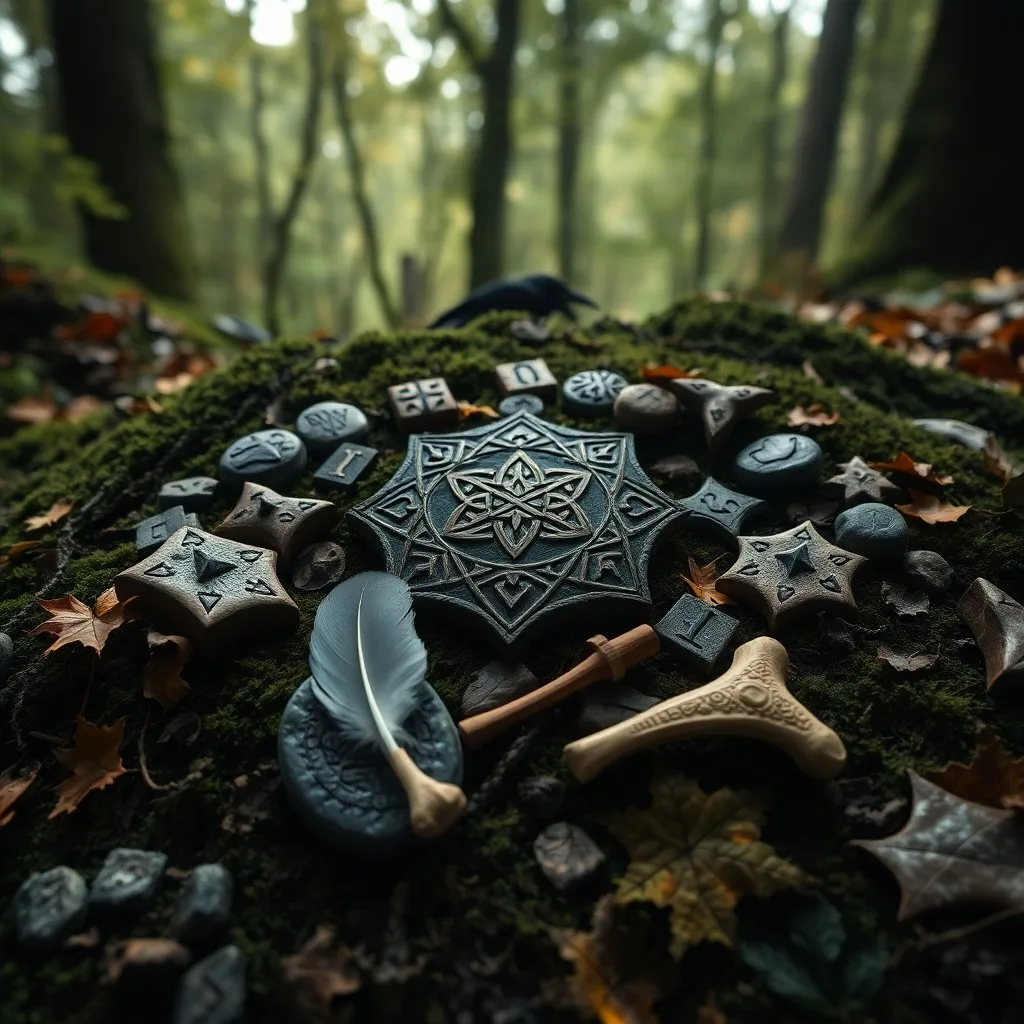
In contemporary spiritual and esoteric circles, runes are used for a variety of purposes beyond traditional divination. They serve as powerful tools for meditation, self-reflection, and personal growth. Many individuals use runes as focal points for journaling, contemplating the meaning of a single rune to gain deeper insight into their current life challenges or aspirations. The act of carrying a specific rune, or meditating on its symbol, can help to invoke its associated energies and qualities.
Runes are also incorporated into modern magical practices, often as talismans or amulets for protection, prosperity, or healing. Crafting or drawing runes with specific intentions is believed to channel their inherent power. However, it is crucial to approach runic magic with respect and a clear understanding of its potential implications. Misuse or lack of understanding can lead to unintended consequences, emphasizing the importance of ethical practice.
Ethical considerations in rune practice include:
- Respect for Cultural Origins: Acknowledging and respecting the Nordic and Germanic cultural heritage from which runes originate.
- Personal Responsibility: Understanding that runes offer guidance, not absolute commands. The individual always retains free will and responsibility for their choices.
- Non-Harmful Intent: Using runes for positive and constructive purposes, avoiding any attempt to manipulate or harm others.
- Continuous Learning: Committing to ongoing study and deepening one's knowledge of runic history, symbolism, and ethical practices.
The modern resurgence of interest in runes highlights a contemporary desire to connect with ancient wisdom and find meaning in a complex world. They offer a tangible link to a rich spiritual tradition and a powerful means for self-discovery and personal empowerment.
Beyond Divination: Runes as Symbolic Power
Beyond their use in divination, runes hold immense symbolic power that extends into various aspects of life and art. Each rune is a microcosm of a larger cosmic principle, a condensed symbol representing complex ideas and forces. This makes them potent symbols for personal adornment, artistic expression, and even architectural design, reflecting a deep connection to ancient heritage.
The symbolic nature of runes allows them to be used in:
- Talismanic Crafting: Individual runes or combinations of runes are carved or drawn onto objects to imbue them with specific protective, healing, or prosperity-attracting qualities. For example, the Algiz rune is often used for protection, while Fehu can be used for financial abundance.
- Meditative Focus: Meditating on the form and meaning of a single rune can facilitate deep introspection, connecting the practitioner to universal archetypes and their own subconscious. This practice can enhance intuition and spiritual awareness.
- Art and Design: Runic symbols are frequently incorporated into jewelry, tattoos, and other forms of art, not just for their aesthetic appeal but for the deeper meanings they convey. This allows individuals to carry and display symbols that resonate with their personal values or aspirations.
- Historical and Cultural Preservation: The study and appreciation of runes contribute to the preservation of ancient Nordic and Germanic cultures. They serve as a bridge to understanding the beliefs, values, and artistic expressions of these historical societies.
The enduring appeal of runes lies in their ability to transcend mere language and tap into universal human experiences. They remind us of the interconnectedness of all things and offer a framework for understanding the mysteries of existence. Their symbolic power continues to inspire and guide those who seek deeper meaning and connection in their lives, making them timeless emblems of wisdom and insight.
Conclusion: The Enduring Wisdom of Runes
Runes are a fascinating and powerful system that bridges ancient history with modern spiritual practice. From their origins as a functional alphabet for Germanic tribes to their evolution into a sophisticated tool for divination and self-discovery, their journey is a testament to their enduring relevance. The Elder Futhark, with its 24 distinct symbols, offers a comprehensive framework for understanding the forces at play in our lives and the world around us.
Whether approached from a historical, linguistic, or esoteric perspective, runes provide a rich tapestry of knowledge and insight. Their ability to offer guidance, facilitate personal growth, and connect individuals to ancient wisdom ensures their continued place in the realm of spiritual exploration. By studying and engaging with runes, we not only honor a profound cultural heritage but also unlock a powerful pathway to deeper understanding and self-awareness.
Fuente: Contenido híbrido asistido por IAs y supervisión editorial humana.


Comments
Post a Comment