
Ancestral Healing: Generational Patterns & Growth | StarPluto
Ancestral healing is a profound and increasingly recognized practice that delves into the unseen influences of our family lineage on our present lives. It operates on the premise that we inherit not only physical traits and cultural traditions from our ancestors but also energetic patterns, unresolved traumas, beliefs, and emotional imprints. These inherited aspects, often unconscious, can manifest as recurring challenges, limiting beliefs, or even physical ailments in our own lives, impacting our personal growth, relationships, and overall well-being.
This holistic approach seeks to identify, acknowledge, and ultimately release these generational patterns, paving the way for greater freedom, clarity, and personal empowerment. It's a journey of self-discovery that extends beyond the individual, recognizing the interconnectedness of past, present, and future generations. By engaging in ancestral healing, individuals can not only transform their own lives but also contribute to the healing of their entire family line, both backward and forward in time.
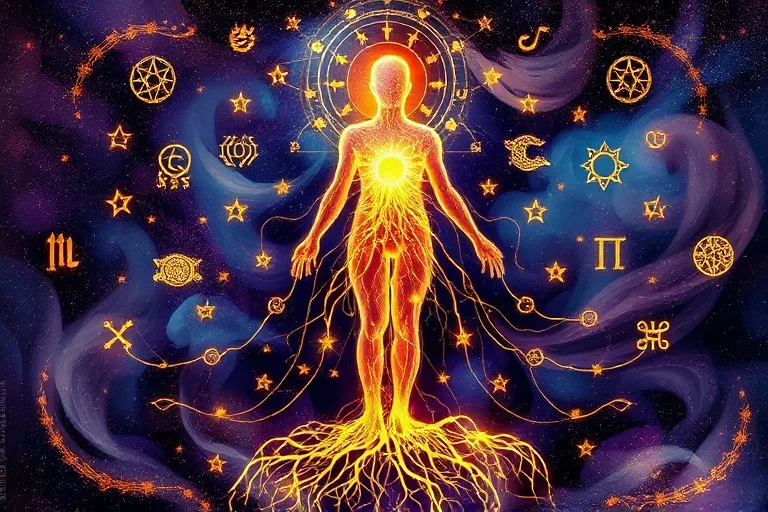
The concept of ancestral healing is rooted in various spiritual traditions, psychological theories, and emerging scientific understandings, such as epigenetics, which studies how environmental factors can turn genes on and off, potentially influencing future generations. While not a replacement for conventional therapy, it offers a complementary pathway to address issues that may have deeper, transgenerational origins. This article will explore the core principles, benefits, and common practices associated with ancestral healing, providing an introductory guide for those new to this transformative field.
What is Ancestral Healing?
Ancestral healing is a spiritual and psychological process aimed at resolving unresolved issues, traumas, and patterns that have been passed down through family lines. It acknowledges that the experiences of our ancestors—their triumphs, struggles, joys, and sorrows—can leave an energetic or emotional residue that influences subsequent generations. This influence can manifest in various forms, from persistent emotional states like anxiety or depression to recurring life challenges such as financial instability, relationship difficulties, or health issues.
The core idea is that by consciously engaging with our ancestral lineage, we can bring awareness to these inherited patterns. Once illuminated, these patterns can be processed, released, and transformed, thereby breaking cycles that may have persisted for generations. It’s not about blaming ancestors for current difficulties but rather understanding the context of our inherited experiences and taking responsibility for our own healing journey.
The Science Behind Generational Patterns
While ancestral healing often draws from spiritual and esoteric frameworks, modern science is beginning to provide intriguing insights into how generational patterns might be transmitted. The field of epigenetics, for instance, suggests that environmental factors and experiences can alter gene expression without changing the underlying DNA sequence. These epigenetic changes can then be passed down to offspring.
Research has shown that descendants of trauma survivors, such as Holocaust survivors or individuals exposed to famine, can exhibit altered stress responses or increased susceptibility to certain conditions, even if they did not directly experience the trauma themselves. This suggests a biological mechanism through which the impact of ancestral experiences can be inherited. While the direct link between epigenetics and all forms of "ancestral trauma" is still being explored, it provides a scientific lens through which to consider the profound influence of our lineage.
Common Manifestations of Unresolved Ancestral Patterns
Recognizing the signs of inherited patterns is the first step toward ancestral healing. These manifestations can be subtle or overt, impacting various areas of life. Some common indicators include:
- Recurring themes: Noticing similar challenges or patterns appearing across generations, such as financial struggles, relationship breakdowns, or specific health conditions.
- Unexplained emotional burdens: Experiencing persistent sadness, anxiety, anger, or guilt that doesn't seem to have a clear origin in your personal life experiences.
- Limiting beliefs: Holding unconscious beliefs about scarcity, unworthiness, or fear that hinder personal progress and seem deeply ingrained.
- Family secrets or unspoken traumas: A sense of something hidden or unresolved within the family history that creates tension or discomfort.
- Feeling disconnected: A persistent sense of not belonging, or a lack of connection to family, community, or even oneself.

Understanding these manifestations helps individuals to frame their personal struggles within a broader family context, offering new avenues for healing and resolution. It encourages a compassionate perspective, recognizing that many of our challenges are not solely personal failings but rather echoes of past experiences seeking resolution.
Benefits of Ancestral Healing
Engaging in ancestral healing can bring about a multitude of transformative benefits, impacting not only the individual but also their immediate family and future descendants. These benefits often extend beyond the initial issues that prompted the healing journey, leading to holistic well-being.
Key benefits include:
- Breaking negative cycles: The most direct benefit is the ability to consciously interrupt and release recurring negative patterns, preventing them from being passed further down the family line.
- Enhanced personal growth: By releasing inherited burdens, individuals often experience a surge in personal energy, creativity, and self-expression, leading to greater fulfillment.
- Improved relationships: Healing ancestral patterns can lead to healthier dynamics in current relationships, as unconscious projections and expectations are resolved.
- Increased self-awareness and identity: A deeper understanding of one's roots can foster a stronger sense of identity, belonging, and purpose.
- Emotional and physical well-being: Releasing stored trauma, whether personal or inherited, can alleviate chronic emotional distress and even contribute to improved physical health.
- Access to ancestral strengths: Beyond healing trauma, this practice can also help individuals connect with the positive qualities, wisdom, and resilience of their ancestors, drawing on these strengths for support.
The transformative power of ancestral healing lies in its capacity to shift deeply embedded energetic blueprints, creating a ripple effect of positive change throughout an entire lineage. For more insights into personal transformation, consider exploring topics like Tarot Quantum Mechanics Intersecting Divination Reality.
Approaches to Ancestral Healing
There are various methods and practices employed in ancestral healing, often drawing from a blend of spiritual, psychological, and therapeutic modalities. The choice of approach often depends on the individual's comfort level, cultural background, and the specific issues they wish to address.
Some popular approaches include:
- Family Constellations: Developed by Bert Hellinger, this therapeutic method involves setting up a spatial representation of a family system to reveal hidden dynamics and unresolved patterns. Participants stand in for family members, allowing the underlying energetic field to surface and be addressed.
- Ritual and Ceremony: Many indigenous and spiritual traditions utilize rituals, ceremonies, and offerings to honor ancestors, seek guidance, and release burdens. These can involve prayer, meditation, creating altars, or engaging in specific cultural practices.
- Genealogical Research: Actively researching family history can uncover significant events, traumas, or patterns that shed light on current challenges. This factual understanding can be a powerful catalyst for healing.
- Guided Meditations and Visualizations: Practitioners often guide individuals through meditations to connect with their ancestors, visualize releasing old patterns, and receive wisdom or blessings from their lineage.
- Energetic Healing Modalities: Practices like shamanic journeying, reiki, or other energy work can be used to clear ancestral energetic blocks and restore balance within the individual and their lineage.
- Therapeutic Dialogue and Storytelling: Discussing family stories, traumas, and dynamics with a therapist or trusted guide can help process and integrate ancestral experiences.
Each approach offers a unique pathway to connect with and heal ancestral patterns. It is often recommended to work with experienced facilitators or practitioners, especially when dealing with deep-seated traumas.
The Role of Compassion and Forgiveness
A crucial aspect of ancestral healing is cultivating compassion and forgiveness. It's important to approach the past not with judgment, but with an understanding of the historical, social, and personal contexts in which ancestors lived. Many ancestral traumas arose from difficult circumstances, societal pressures, or lack of resources that were beyond their control.
Forgiveness, in this context, is not about condoning harmful actions but about releasing the emotional charge and resentment tied to past events. It's a gift to oneself, freeing the individual from the energetic burden of anger or blame. This compassionate stance allows for a more open and effective healing process, transforming inherited pain into wisdom and strength. Engaging with practices like Sacramentales Protección Sanación Hogar Familia can be beneficial in fostering these qualities.
Integrating Ancestral Healing into Daily Life
Ancestral healing is not a one-time event but an ongoing journey. Integrating its principles into daily life can sustain the benefits and deepen the connection to one's lineage. This can involve simple practices such as:
- Honoring ancestors: Creating an altar, lighting candles, or simply speaking aloud to ancestors can strengthen the connection and express gratitude.
- Mindful reflection: Regularly reflecting on personal patterns and considering their potential ancestral origins can foster ongoing awareness.
- Storytelling: Sharing family stories, both positive and challenging, can help process and integrate ancestral experiences within the living family.
- Self-care: Prioritizing emotional and physical well-being is crucial, as healing ancestral trauma requires personal resilience and energy.
- Setting intentions: Consciously setting intentions to release inherited burdens and embrace ancestral strengths can guide daily actions.
By consciously engaging with our ancestral heritage, we not only heal ourselves but also contribute to a healthier, more harmonious future for our descendants. It is a powerful act of love and responsibility, bridging the past and the future through the present moment. For further exploration into spiritual practices, you might find value in understanding Astrología Horaria: Predicciones Clave Momentos Vitales.
Ancestral healing offers a profound path to understanding ourselves within the vast tapestry of our family history. By acknowledging and addressing the legacies passed down through generations, we unlock our potential for profound personal growth, break free from limiting patterns, and forge a future rooted in strength, resilience, and conscious choice. It is a testament to the enduring power of connection and the transformative capacity of healing love.
Source: Hybrid content assisted by AIs and human editorial supervision.


Comments
Post a Comment