
Ancestral Healing Shamanic Practices: Connecting Your Roots | StarPluto
Ancestral healing, a profound journey into the depths of one's lineage, offers a transformative pathway to understanding and resolving patterns inherited from past generations. This practice, often intertwined with ancient shamanic traditions, recognizes that our present lives are not solely shaped by our individual experiences but also by the collective history, traumas, and wisdom of our ancestors.
By consciously engaging with these unseen forces, individuals can unlock dormant potentials, release inherited burdens, and cultivate a deeper sense of belonging and purpose. Shamanic practices provide a rich toolkit for navigating this complex terrain, offering rituals, ceremonies, and spiritual journeys designed to connect with ancestral spirits and facilitate profound healing.

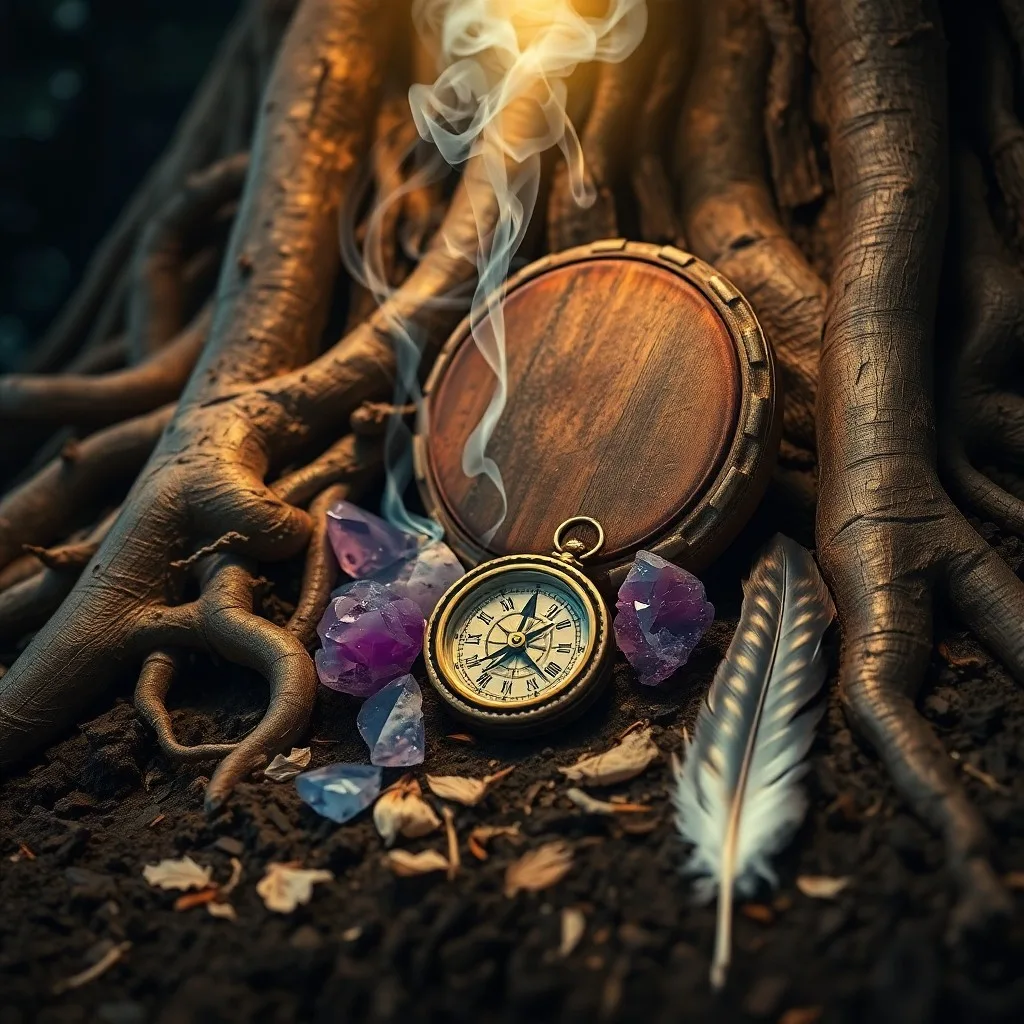
The Tarot Quantum Mechanics Intersecting Divination Reality symbolizes the deep connection between our roots and the cosmic wisdom we inherit.
This article delves into the essence of ancestral healing through shamanic practices, exploring how these ancient wisdom traditions can guide us in connecting with our roots, understanding intergenerational influences, and fostering holistic well-being. It aims to provide an introductory yet comprehensive overview for those seeking to embark on this powerful journey of self-discovery and transformation.
Table of Contents
- The Concept of Ancestral Trauma and Intergenerational Patterns
- Shamanism as a Path to Profound Healing
- Key Shamanic Practices for Ancestral Connection
- Benefits of Engaging in Ancestral Healing
- Ethical Considerations and Safe Practice
- Integrating Ancestral Wisdom into Modern Life
The Concept of Ancestral Trauma and Intergenerational Patterns
The notion that experiences can be passed down through generations is gaining increasing scientific validation, particularly through the field of epigenetics. This area of study suggests that traumatic events experienced by ancestors can leave molecular "tags" on our DNA, influencing how our genes are expressed without altering the underlying genetic code itself.
These epigenetic changes can manifest as predispositions to anxiety, depression, chronic stress, or even certain physical ailments, creating what is often referred to as ancestral or intergenerational trauma. Beyond biology, cultural narratives, family dynamics, and unresolved emotional patterns also contribute significantly to this inherited landscape.
Understanding these patterns is the first step towards healing. It involves recognizing that certain struggles or behaviors may not originate solely from one's personal history but could be echoes of past generations' unaddressed pain or unresolved conflicts. This awareness empowers individuals to break cycles and forge new, healthier paths for themselves and future generations.
Shamanism as a Path to Profound Healing
Shamanism, one of the oldest spiritual practices known to humanity, offers a holistic framework for understanding and interacting with the seen and unseen worlds. At its core, shamanism is about direct revelation—gaining knowledge and healing through altered states of consciousness, often facilitated by drumming, chanting, or sacred plant medicines.
A shaman acts as a bridge between the physical and spiritual realms, journeying to retrieve lost soul parts, clear energetic blockages, and communicate with spirit guides, power animals, and ancestors. In the context of ancestral healing, shamanic practices provide a structured and intentional way to engage with the lineage, offering respect, gratitude, and an opportunity for reconciliation.
The shamanic worldview posits that all life is interconnected, and that imbalances in one area can affect the whole. Therefore, addressing ancestral wounds is not just about individual well-being but also about restoring harmony within the broader web of life, including the family system and community. This approach emphasizes compassion, forgiveness, and the power of intention.
Key Shamanic Practices for Ancestral Connection
Several shamanic techniques are particularly effective for ancestral healing, each offering a unique way to engage with the lineage. These practices often involve creating sacred space, setting clear intentions, and opening oneself to spiritual guidance.
An , adorned with meaningful objects, serves as a focal point for connection and reverence.
-
Rituals and Ceremonies: Creating an ancestor altar is a common practice, where photos, heirlooms, and offerings (like food, water, or candles) are placed to honor and communicate with the lineage. These rituals can be simple daily acts of remembrance or elaborate ceremonies marking specific occasions, fostering a sense of continuity and gratitude.
-
Shamanic Journeying: Through rhythmic drumming or guided meditation, practitioners enter a non-ordinary state of consciousness to journey into the spirit world. In this state, one can seek guidance from ancestral spirits, receive messages, or witness past events that require healing. This practice allows for direct interaction with the energetic imprints of the lineage.
-
Soul Retrieval: When individuals experience trauma, parts of their soul or essence can fragment or become "lost." Shamanic soul retrieval aims to recover these lost parts, which can sometimes be linked to ancestral traumas that have impacted the soul's integrity across generations. This process can bring back vitality, wholeness, and a sense of self.
-
Energy Clearing and Extraction: Ancestral patterns often manifest as energetic blockages or intrusive energies within an individual's field. Shamanic practitioners can perform energy clearing and extraction work to remove these inherited imprints, allowing for a freer flow of life force and greater emotional and physical well-being.
-
Dreamwork and Vision Quests: Dreams are considered a direct conduit to the subconscious and the spirit world. Engaging in dream interpretation, especially with a focus on recurring themes or symbols related to family, can reveal ancestral messages and unresolved issues. Vision quests, often undertaken in nature, provide an opportunity for profound communion with the land and ancestral spirits, seeking guidance and clarity.
Benefits of Engaging in Ancestral Healing
The benefits of ancestral healing are far-reaching, impacting not only the individual but also their living family members and future generations. By addressing the roots of inherited patterns, one can experience profound shifts in various aspects of life.
-
Breaking Negative Patterns: Many individuals find themselves repeating cycles of behavior, relationship dynamics, or financial struggles that seem to defy personal effort. Ancestral healing helps identify and release these inherited patterns, paving the way for new, healthier choices.
-
Increased Self-Awareness and Identity: Connecting with one's ancestors can provide a deeper understanding of personal identity, cultural heritage, and the strengths and resilience passed down through the lineage. This fosters a stronger sense of self and belonging.
-
Improved Relationships: Unresolved ancestral issues can strain current relationships. By healing these wounds, individuals often experience greater empathy, forgiveness, and healthier boundaries with family members, both living and deceased.
-
Enhanced Well-being: Releasing the burden of ancestral trauma can lead to significant improvements in mental, emotional, and even physical health. Many report feeling lighter, more energetic, and more at peace after engaging in these practices.
-
Accessing Ancestral Gifts and Strengths: Beyond trauma, ancestors also pass down wisdom, talents, and resilience. Ancestral healing helps to consciously reclaim these positive attributes, integrating them into one's life for greater personal empowerment and creativity.
Ethical Considerations and Safe Practice
Engaging in ancestral healing, particularly through shamanic practices, is a powerful and sacred undertaking that requires respect, discernment, and often, the guidance of experienced practitioners. It is crucial to approach this work with an understanding of its potential depth and impact.
Abstract art can visually represent the complex and often ethereal nature of Guided Meditation Mindfulness Moon Phases Harmony and spiritual journeys.
When seeking a shamanic practitioner, it is vital to research their background, training, and ethical guidelines. A reputable practitioner will emphasize consent, cultural sensitivity, and the importance of integration after a session. They should also be transparent about their methods and respect individual beliefs and boundaries.
Furthermore, self-care and grounding practices are essential when undertaking ancestral healing. This work can bring up intense emotions and memories, and having a support system, whether it be a therapist, trusted friends, or personal spiritual practices, is highly recommended. Always prioritize your emotional and psychological safety throughout the process.
Integrating Ancestral Wisdom into Modern Life
Ancestral healing is not about dwelling in the past but about transforming its influence to create a more empowered present and future. The wisdom gained from connecting with one's roots can be integrated into daily life in numerous practical ways.
This might involve adopting new family traditions that honor ancestors, practicing mindfulness to recognize and shift inherited thought patterns, or engaging in creative expressions that channel ancestral gifts. It also means consciously choosing to live in alignment with values that promote healing and well-being for all members of the lineage, past, present, and future.
By embracing ancestral healing through shamanic practices, we not only heal ourselves but also contribute to the healing of our entire lineage, creating a legacy of resilience, wisdom, and love. It is a powerful act of self-love and collective responsibility, fostering a profound connection to the vast tapestry of human experience.
Source: Contenido híbrido asistido por IAs y supervisión editorial humana.


Comments
Post a Comment