
Chinese Zodiac Health: Wellness Tips & Elemental Balance | StarPluto
The Chinese Zodiac, a fascinating system rooted in ancient traditions, offers more than just personality insights; it provides a profound framework for understanding individual health tendencies and achieving elemental balance. Unlike Western astrology, which is based on planetary positions, the Chinese Zodiac assigns an animal sign and an associated element to each birth year, creating a unique energetic blueprint. This intricate system suggests that our inherent elemental makeup profoundly influences our physical, emotional, and mental well-being, guiding us toward personalized wellness strategies.
Understanding your primary animal sign and its dominant element, along with the cyclical influence of the five elements (Wood, Fire, Earth, Metal, Water), can unlock a deeper awareness of your body's needs. This knowledge empowers individuals to make informed choices about diet, lifestyle, and emotional management, fostering a harmonious state of health. By recognizing potential imbalances and leveraging the strengths of your elemental constitution, you can cultivate a more resilient and vibrant life, aligning with the ancient wisdom of Traditional Chinese Medicine (TCM).
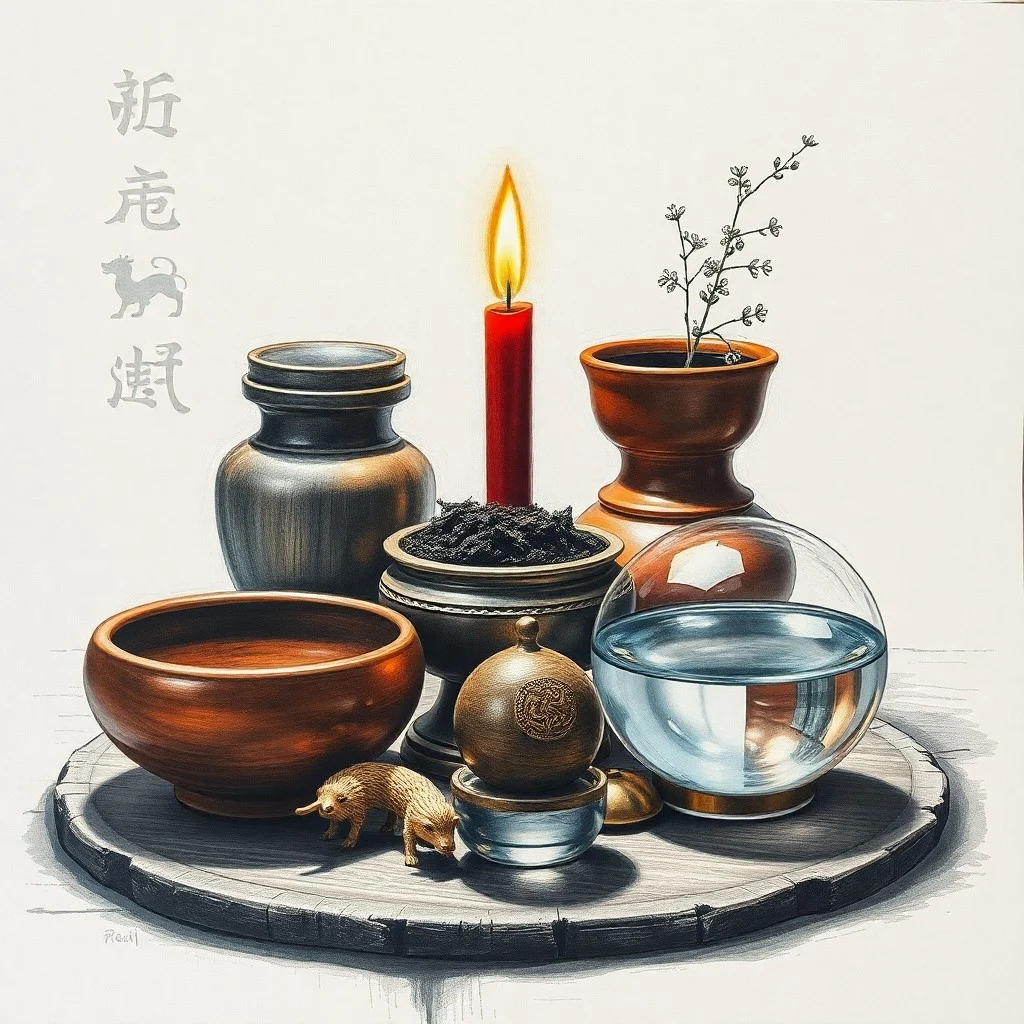
An ancient scroll illustrates the intricate connection between Chinese Zodiac animals and the five fundamental elements, symbolizing a holistic approach to well-being.
This article delves into the core principles of Chinese Zodiac health, exploring how each animal sign interacts with the five elements and offering practical wellness tips to achieve optimal balance. We will examine the characteristics of each element, their associated organs and emotions, and how these manifest in specific health tendencies. Ultimately, the goal is to provide a comprehensive guide that helps you harness the wisdom of your animal sign for enhanced vitality and a more balanced existence.
Understanding the Five Elements and Their Health Impact
In Traditional Chinese Medicine (TCM), the Five Elements (Wu Xing) – Wood, Fire, Earth, Metal, and Water – are fundamental concepts used to explain the cyclical changes in nature, the human body, and the universe. Each element is associated with specific organs, emotions, seasons, colors, and even flavors, creating an intricate web of connections that influence our health. When these elements are in balance within an individual, health and vitality flourish. Conversely, an imbalance can lead to various physical and emotional ailments.
Your birth year's element, combined with your animal sign, provides a unique lens through which to view your inherent strengths and vulnerabilities. For instance, a person born in a Wood year might naturally possess strong leadership qualities but could also be prone to stress-related issues affecting the liver. Recognizing these predispositions is the first step toward proactive health management. The goal is not to eliminate an element but to ensure its harmonious flow and interaction with the others, preventing excesses or deficiencies that disrupt the body's natural equilibrium.
The Five Elements theory emphasizes that everything is interconnected. Our diet, environment, emotional state, and even the time of day can impact the balance of these elements within us. By understanding these dynamics, we can tailor our wellness practices to support our unique elemental constitution. This holistic perspective encourages a lifestyle that nurtures all aspects of our being, leading to sustained health and inner peace. The following sections will detail each element and its specific health associations.
The Wood Element: Growth, Liver, and Gallbladder
The Wood element embodies growth, new beginnings, and dynamism, much like a tree pushing through the earth towards the sun. In the body, Wood is primarily associated with the Liver and Gallbladder. The Liver is responsible for the smooth flow of Qi (life energy) and blood throughout the body, as well as detoxification. The Gallbladder aids in digestion and decision-making. When Wood is balanced, individuals are assertive, creative, and adaptable, possessing clear vision and strong leadership skills.
However, an imbalanced Wood element can manifest as frustration, anger, and irritability. Physically, this imbalance can lead to headaches, migraines, digestive issues, muscle tension, and vision problems. People with a dominant Wood element or those experiencing Wood imbalance may find themselves prone to stress, impatience, and difficulty relaxing. It is crucial for them to manage their anger and find healthy outlets for their energy to maintain equilibrium.
- Associated Organs: Liver, Gallbladder.
- Emotion: Anger, frustration, irritability (imbalance); assertiveness, creativity (balance).
- Season: Spring.
- Flavor: Sour.
- Health Tendencies: Prone to stress, headaches, muscle stiffness, digestive issues, high blood pressure.
- Wellness Tips: Engage in regular exercise, practice anger management techniques, consume green leafy vegetables, incorporate sour foods in moderation, ensure sufficient sleep, and spend time in nature.
The Fire Element: Passion, Heart, and Small Intestine
The Fire element symbolizes passion, joy, and transformation, radiating warmth and light. Its primary associations in the body are the Heart and Small Intestine. The Heart governs blood circulation, houses the mind (Shen), and is responsible for our consciousness and emotional balance. The Small Intestine separates pure from impure, both physically in digestion and mentally in discernment. When Fire is balanced, individuals are enthusiastic, charismatic, and possess a joyful spirit, fostering deep connections with others.
An excess or deficiency of Fire can lead to emotional volatility, anxiety, insomnia, and heart-related issues. Physically, symptoms might include palpitations, high blood pressure, and heat-related conditions. Those with a strong Fire element need to be mindful of overexcitement and burnout, as their intense energy can easily deplete their reserves. Cultivating inner peace and emotional stability is paramount for Fire types.
- Associated Organs: Heart, Small Intestine.
- Emotion: Joy, excitement (balance); anxiety, restlessness, insomnia (imbalance).
- Season: Summer.
- Flavor: Bitter.
- Health Tendencies: Prone to heart issues, anxiety, insomnia, heatstroke, inflammation.
- Wellness Tips: Practice meditation, avoid overstimulation, consume cooling foods, incorporate bitter foods, engage in moderate exercise, and prioritize emotional calm.
The Earth Element: Stability, Spleen, and Stomach
The Earth element represents stability, nourishment, and grounding, much like fertile soil. It is linked to the Spleen and Stomach, which are central to digestion and nutrient absorption. The Spleen transforms food into Qi and blood, while the Stomach receives and ripens food. Earth also governs the muscles and tissues. When Earth is balanced, individuals are nurturing, practical, and reliable, providing support and stability to those around them.
An imbalanced Earth element can lead to worry, overthinking, and digestive disturbances such as bloating, indigestion, and fatigue. Physically, this might manifest as weight gain or loss, muscle weakness, and issues with dampness in the body. Earth types tend to internalize stress, which directly impacts their digestive system. Maintaining a balanced diet and managing worry are crucial for their well-being.
- Associated Organs: Spleen, Stomach.
- Emotion: Worry, overthinking (imbalance); empathy, stability (balance).
- Season: Late Summer (or transitional periods).
- Flavor: Sweet (natural, not refined).
- Health Tendencies: Prone to digestive issues, fatigue, weight fluctuations, dampness, muscle weakness.
- Wellness Tips: Eat regular, warm, cooked meals; avoid excessive cold or raw foods; practice mindfulness to reduce worry; engage in grounding activities like gardening; consume naturally sweet and earthy vegetables.
The Metal Element: Purity, Lungs, and Large Intestine
The Metal element signifies purity, structure, and communication, resembling precious minerals. It is linked to the Lungs and Large Intestine. The Lungs govern respiration, regulate Qi, and protect the body from external pathogens. The Large Intestine eliminates waste. Metal also relates to the skin and hair. When Metal is balanced, individuals are organized, disciplined, and possess strong moral values, often having clear boundaries and a keen sense of justice.
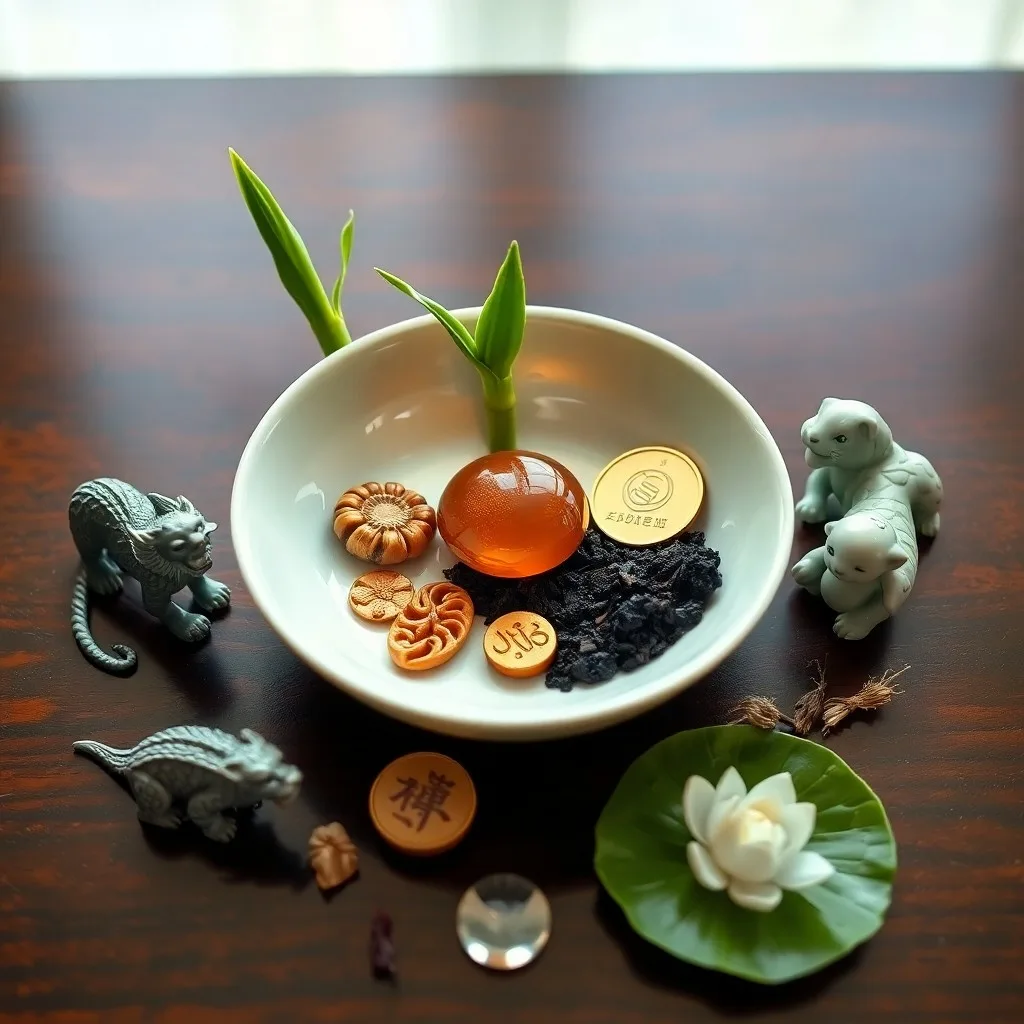
A balanced arrangement of natural elements and herbs, symbolizing the harmony sought in traditional Chinese health practices.
An imbalanced Metal element can lead to grief, sadness, and respiratory issues like asthma or colds. Physically, this might manifest as constipation, skin problems, and a weakened immune system. Metal types can be prone to rigidity and perfectionism, finding it difficult to let go of things or emotions. Practicing forgiveness and developing emotional flexibility are vital for their health.
- Associated Organs: Lungs, Large Intestine.
- Emotion: Grief, sadness, detachment (imbalance); integrity, discipline (balance).
- Season: Autumn.
- Flavor: Pungent/Spicy.
- Health Tendencies: Prone to respiratory problems, allergies, skin conditions, constipation, weakened immunity.
- Wellness Tips: Practice deep breathing exercises, engage in activities that promote emotional release, consume pungent foods like garlic and ginger, ensure adequate hydration, and maintain a clean environment.
The Water Element: Fluidity, Kidneys, and Bladder
The Water element represents fluidity, wisdom, and adaptability, flowing and adapting to its surroundings. It is associated with the Kidneys and Bladder. The Kidneys store essence (Jing), which is the fundamental substance for life, growth, and reproduction. They also govern bones, marrow, and hearing. The Bladder stores and excretes urine. When Water is balanced, individuals are calm, insightful, and resilient, possessing deep wisdom and strong willpower.
An imbalanced Water element can lead to fear, anxiety, and a lack of willpower. Physically, this might manifest as lower back pain, knee problems, urinary issues, hearing loss, and chronic fatigue. Water types can be prone to overworking and depletion of their vital essence. Prioritizing rest, hydration, and nurturing their inner reserves is crucial for their long-term health and longevity.
- Associated Organs: Kidneys, Bladder.
- Emotion: Fear, anxiety (imbalance); wisdom, calm, willpower (balance).
- Season: Winter.
- Flavor: Salty.
- Health Tendencies: Prone to lower back pain, knee issues, urinary problems, hearing loss, chronic fatigue, hormonal imbalances.
- Wellness Tips: Ensure adequate rest, stay well-hydrated, consume warming foods, incorporate salty foods in moderation (e.g., sea vegetables), practice meditation, and engage in gentle exercises like Tai Chi or Qigong.
General Health Tips by Chinese Zodiac Animal
While each animal sign has a core elemental affinity, the specific year of birth adds another layer of elemental influence. For example, a Wood Rat will have different health tendencies than a Water Rat. However, general patterns emerge based on the inherent nature of each animal. These are broad guidelines, and individual charts can be more complex.
| Animal Sign | Common Health Tendencies | Wellness Focus |
|---|---|---|
| Rat | Prone to stress-related ailments, digestive issues, and colds due to overthinking. | Stress management, regular meals, sufficient sleep. |
| Ox | Strong constitution but can suffer from overwork, joint pain, and digestive sluggishness. | Consistent exercise, balanced diet, adequate rest, joint care. |
| Tiger | Energetic but prone to high blood pressure, liver issues, and emotional outbursts. | Anger management, liver-cleansing foods, regular physical activity. |
| Rabbit | Sensitive digestion, prone to anxiety, skin issues, and respiratory problems. | Gentle exercise, stress reduction, skin care, healthy diet. |
| Dragon | Vibrant but can suffer from stress, headaches, and liver imbalance due to ambition. | Stress relief, liver support, balancing work and rest. |
| Snake | Prone to nervous system issues, anxiety, and digestive problems from overthinking. | Mindfulness, calming activities, gut health. |
| Horse | Energetic but susceptible to heart problems, high blood pressure, and restlessness. | Cardiovascular health, emotional balance, grounding activities. |
| Goat (Sheep) | Sensitive, prone to digestive issues from worry, and emotional fragility. | Stress reduction, gut-friendly diet, emotional support. |
| Monkey | Active but can suffer from nervous exhaustion, respiratory issues, and digestive upset. | Mental stimulation balanced with rest, lung health, regular eating habits. |
| Rooster | Organized but prone to stress, headaches, and respiratory problems from perfectionism. | Stress management, relaxation techniques, respiratory support. |
| Dog | Loyal but can suffer from anxiety, digestive issues, and muscle tension due to worry. | Stress reduction, gut health, regular physical activity. |
| Pig | Enjoys life but prone to overindulgence, weight gain, and digestive sluggishness. | Balanced diet, regular exercise, moderation in lifestyle. |
Achieving Elemental Balance for Optimal Health
Achieving elemental balance is a dynamic process that involves harmonizing your internal environment with the external world. It's not about being perfectly balanced all the time, but rather about understanding when an element is in excess or deficiency and taking steps to correct it. This involves a holistic approach, encompassing diet, lifestyle, emotional regulation, and environmental awareness.
For example, if you are a Wood sign experiencing anger and stress, incorporating more cooling, calming activities like meditation or gentle yoga, along with liver-supporting foods (like dark leafy greens), can help. If you are a Water sign feeling fearful and fatigued, focusing on adequate rest, warming foods, and activities that build confidence can be beneficial. The key is to listen to your body and observe your emotional state, making adjustments as needed.
- Dietary Adjustments: Incorporate foods associated with the element you need to strengthen or balance. For instance, pungent foods for Metal, sour for Wood, bitter for Fire, sweet (natural) for Earth, and salty for Water.
- Lifestyle Choices: Align your activities with the seasons. Spring is ideal for new projects (Wood), summer for social activity (Fire), late summer for grounding (Earth), autumn for reflection (Metal), and winter for rest and introspection (Water).
- Emotional Regulation: Recognize the emotions associated with each element and develop healthy coping mechanisms. For Wood, manage anger; for Fire, calm anxiety; for Earth, reduce worry; for Metal, process grief; for Water, confront fear.
- Environmental Harmony: Ensure your living and working spaces support your elemental needs. For example, a Metal type might benefit from a minimalist, organized space, while a Wood type thrives in environments with natural light and plants.
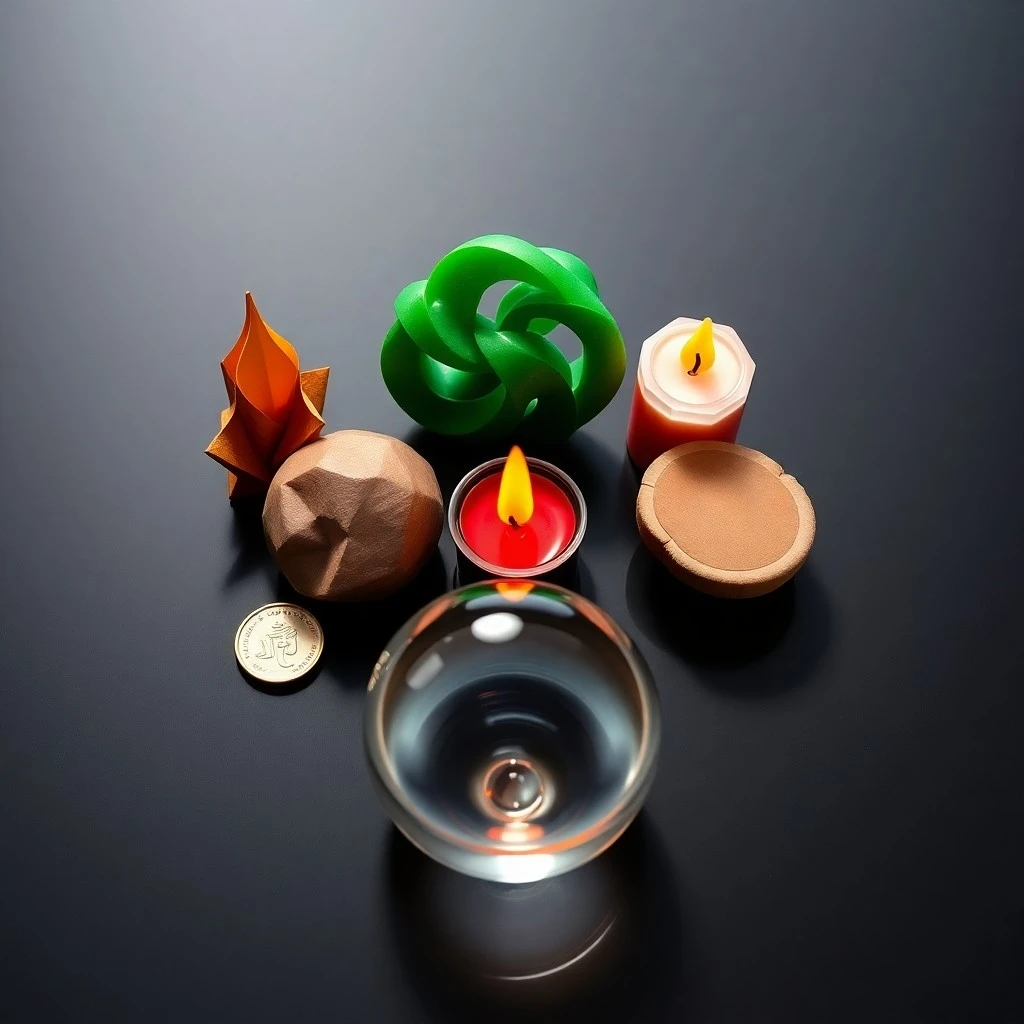
A tranquil watercolor landscape illustrates the seamless integration of the five elements, reflecting nature's perfect balance.
The Interplay of Yin and Yang in Health
Beyond the Five Elements, the concept of Yin and Yang is crucial to understanding holistic health in Chinese philosophy. Yin and Yang represent complementary opposites that are interdependent and constantly interacting. Yin is associated with coolness, darkness, passivity, and femininity, while Yang is linked to warmth, light, activity, and masculinity. In the body, Yin corresponds to blood, body fluids, and solid organs, while Yang relates to Qi, warmth, and hollow organs.
Optimal health is achieved when Yin and Yang are in a dynamic balance. An excess of Yang can manifest as inflammation, fever, or restlessness, while an excess of Yin might lead to coldness, sluggishness, or fatigue. Each of the Five Elements also has its Yin and Yang aspects. For example, the Liver is a Yin organ, while the Gallbladder is its Yang counterpart, both belonging to the Wood element. Understanding this interplay allows for a more nuanced approach to health, addressing not just the elemental imbalance but also its Yin or Yang nature.
For instance, if a Fire sign is experiencing Yang excess (e.g., severe anxiety and insomnia), the focus would be on cooling Yin-nourishing foods and calming activities. Conversely, if a Water sign has a Yin excess (e.g., chronic fatigue and coldness), warming Yang-tonifying foods and gentle movement would be recommended. This dual perspective ensures that wellness strategies are tailored to the specific energetic state of the individual, promoting true harmony and vitality.
Integrating Eastern and Western Wellness Approaches
While the Chinese Zodiac and Five Elements offer a powerful framework for health, they are not meant to replace modern medical advice. Instead, they provide a complementary perspective that can enrich your understanding of your body and guide preventive care. Integrating Eastern wisdom with Western scientific knowledge can lead to a more comprehensive and effective approach to well-being.
For example, if your Chinese Zodiac analysis suggests a predisposition to liver issues (Wood element), you might proactively adopt a liver-friendly diet and stress-reduction techniques, while also undergoing regular check-ups with your physician. Similarly, if you're a Fire sign prone to anxiety, practices like meditation and avoiding stimulants (Eastern wisdom) can complement conventional treatments for stress or heart health (Western medicine).
The beauty of this integrated approach lies in its ability to empower individuals to take a more active role in their health journey. By understanding your unique elemental constitution and its influence on your physical and emotional landscape, you can make conscious choices that support your inherent strengths and mitigate potential weaknesses. This synergy of ancient wisdom and modern science paves the way for a truly holistic and personalized path to enduring health and vitality.
Fuente: Contenido híbrido asistido por IAs y supervisión editorial humana.


Comments
Post a Comment