
Elemental Balance: Birth Chart Dynamics Explained | StarPluto
In the intricate tapestry of astrology, the four classical elements—Fire, Earth, Air, and Water—form the fundamental building blocks of personality and experience. Understanding the distribution and interaction of these elements within your birth chart offers profound insights into your core motivations, emotional landscape, intellectual processes, and practical approach to life. This foundational knowledge is crucial for anyone seeking a deeper comprehension of their astrological blueprint and how to navigate their inherent strengths and challenges.
The elements are not merely symbolic; they represent distinct modes of being and interacting with the world. Each zodiac sign is associated with one of these elements, imbuing individuals born under them with specific elemental qualities. By analyzing the elemental balance in your natal chart, you can uncover patterns that explain your natural inclinations, areas of ease, and potential growth edges. This guide will explore each element in detail, provide methods for identifying their presence in your chart, and offer strategies for balancing any perceived excesses or deficiencies.
Table of Contents
- The Four Elements in Astrology
- Identifying Elemental Balance in Your Birth Chart
- Interpreting Elemental Imbalances
- Strategies for Balancing Your Elements
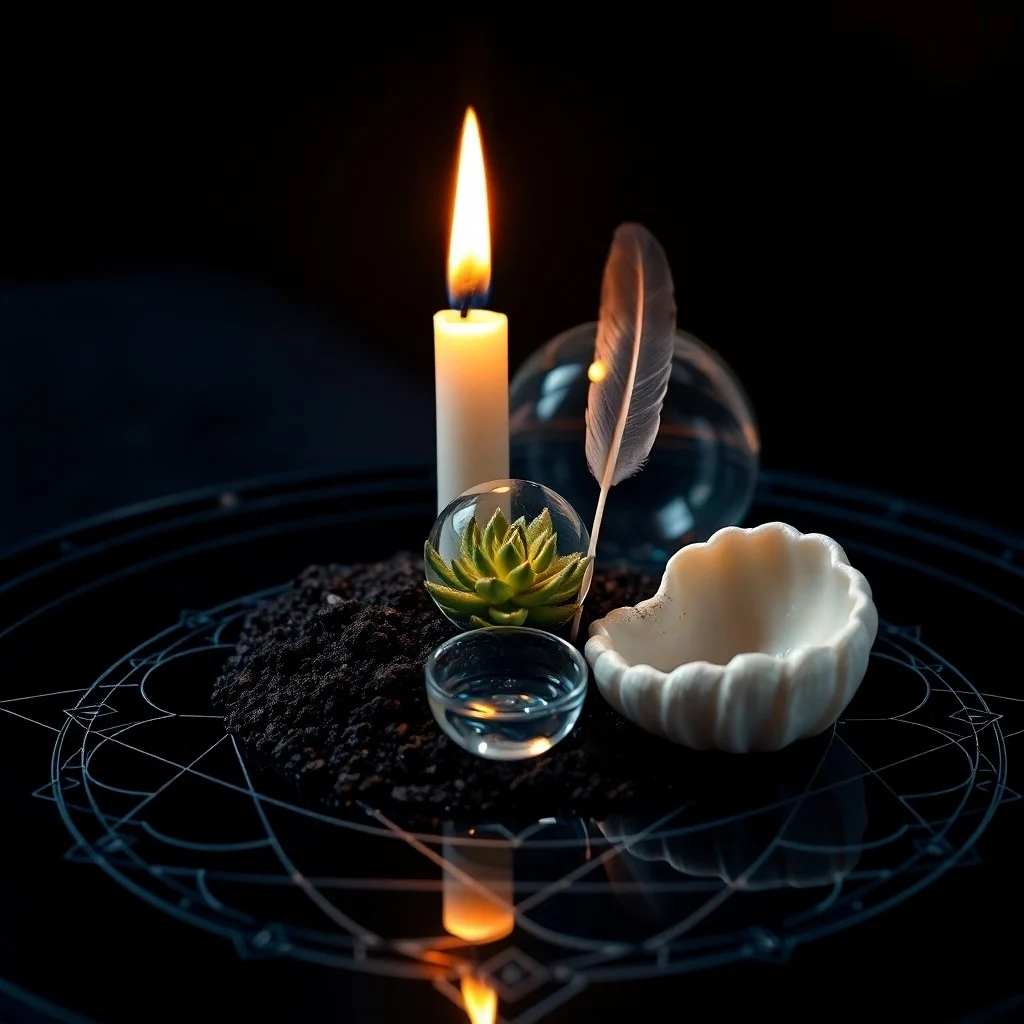
The harmonious interplay of fire, earth, air, and water elements is central to understanding one's astrological makeup.
The Four Elements in Astrology
Each of the twelve zodiac signs belongs to one of the four elements, which are further categorized by their qualities (cardinal, fixed, mutable). The elements themselves describe the fundamental nature of the energy associated with those signs and the planets placed within them. Knowing these basic definitions is the first step to understanding your elemental blueprint.
Fire Element: Passion, Action, and Inspiration
The Fire element is associated with dynamism, enthusiasm, and a strong drive for action. Signs under this element are Aries, Leo, and Sagittarius. Individuals with a strong Fire presence in their chart tend to be energetic, optimistic, and self-motivated, often radiating warmth and inspiration to others. They are natural leaders, passionate about their beliefs, and possess a pioneering spirit.
- Strengths: Courageous, enthusiastic, confident, creative, inspiring, spontaneous.
- Challenges: Impulsive, impatient, prone to anger, self-centered, can burn out quickly.
- Key Traits: Initiative, vitality, desire for experience, directness.
Earth Element: Stability, Practicality, and Grounding
The Earth element embodies practicality, stability, and a connection to the material world. Taurus, Virgo, and Capricorn are the Earth signs. People with a dominant Earth influence are typically grounded, reliable, and hardworking. They value security, tangible results, and have a strong sense of responsibility. Their approach to life is often methodical and realistic.
- Strengths: Dependable, patient, practical, resourceful, disciplined, sensual.
- Challenges: Stubborn, materialistic, resistant to change, overly cautious, can be rigid.
- Key Traits: Structure, perseverance, tangible results, sensory experience.
Air Element: Intellect, Communication, and Objectivity
The Air element represents intellect, communication, and social interaction. Gemini, Libra, and Aquarius fall under this element. Individuals with a prominent Air element are often intellectual, communicative, and objective. They thrive on ideas, exchange of information, and social connections. Their minds are typically quick, curious, and analytical, always seeking understanding and connection.
- Strengths: Intelligent, communicative, objective, social, fair-minded, adaptable.
- Challenges: Detached, indecisive, overly analytical, prone to anxiety, can be superficial.
- Key Traits: Thought, logic, connection, theory, impartiality.
Water Element: Emotion, Intuition, and Empathy
The Water element is associated with emotions, intuition, and the subconscious realm. Cancer, Scorpio, and Pisces are the Water signs. Those with a strong Water presence are deeply emotional, intuitive, and empathetic. They are highly sensitive to their environment and the feelings of others, often possessing a rich inner world and strong psychic abilities. Nurturing and compassionate, they seek deep connections.
- Strengths: Empathetic, intuitive, compassionate, imaginative, nurturing, perceptive.
- Challenges: Moody, overly sensitive, prone to self-pity, secretive, can be easily overwhelmed.
- Key Traits: Feeling, connection, healing, subconscious, depth.
Identifying Elemental Balance in Your Birth Chart
To understand your elemental balance, you need to analyze the distribution of planets and significant points (like the Ascendant and Midheaven) across the twelve zodiac signs in your birth chart. Each planet and point contributes a certain weight to its respective element. While there are various methods, a simple approach involves assigning points to each element based on planetary placements.
Symbolic representations of the elements offer a visual guide to their intrinsic qualities and interactions.
How to Calculate Elemental Distribution
Most online birth chart calculators provide an elemental breakdown. However, you can manually calculate it by following these steps:
- Assign Points: Give 1 point to each planet (Sun, Moon, Mercury, Venus, Mars, Jupiter, Saturn, Uranus, Neptune, Pluto) for the element of the sign they are in.
- Ascendant/Rising Sign: Give 1 point to the element of your Ascendant sign, as it represents your outer personality and how you approach the world.
- Midheaven (MC): Some astrologers also give 1 point to the element of the Midheaven, which relates to your career and public image.
- Total: Sum the points for each element. A balanced chart would ideally have a relatively even distribution, though perfect balance is rare and not necessarily desirable.
Understanding your birth chart is essential for this analysis. The overall picture provides a nuanced understanding of your energetic makeup, highlighting areas of natural strength and potential areas for development.
Understanding Dominant Elements
A dominant element indicates a strong, natural inclination towards the qualities of that element. For example, a chart heavily weighted in Fire suggests an individual who is naturally enthusiastic, driven, and takes initiative. They might be perceived as passionate and inspiring, but could also struggle with impatience or anger. Similarly, a strong Earth presence points to a grounded, practical, and reliable nature, while an abundance of Air suggests intellectual prowess and communicative skills. A dominant Water element signifies deep emotional intelligence and intuition.
Understanding Lacking Elements
Conversely, a lack of an element (zero or very few points) suggests an area where an individual might feel less comfortable or naturally proficient. This doesn't mean the quality is entirely absent, but rather that it requires conscious effort to develop or express. For instance, a lack of Earth might mean difficulty with practical matters or feeling ungrounded. A lack of Water could indicate challenges in expressing emotions or empathizing with others. These "missing" elements often represent significant life lessons and growth opportunities.
Interpreting Elemental Imbalances
Elemental imbalances are not inherently "bad"; they simply highlight areas of natural strength and areas that may require more conscious development. Understanding these imbalances can empower you to cultivate a more holistic and integrated personality. The goal is not to eliminate an element but to integrate its lessons and find ways to compensate for its absence or temper its excess.
Excess of Fire: The Overheated Engine
An excess of Fire can manifest as impulsiveness, impatience, and a tendency to act without thinking. While passionate, these individuals might struggle with follow-through or burn out quickly. They may also be prone to anger, arrogance, or a lack of sensitivity to others' feelings. Learning to channel this energy constructively is key.
Lack of Fire: The Unlit Spark
A deficiency in Fire can result in a lack of enthusiasm, low energy, and difficulty taking initiative. Individuals might feel uninspired, struggle with self-confidence, or find it hard to assert themselves. They may prefer to follow rather than lead and might need external motivation to get started on projects. Cultivating inner drive and passion becomes a life theme.
Excess of Earth: The Immovable Object
Too much Earth can lead to stubbornness, materialism, and an excessive focus on practicalities at the expense of imagination or emotional depth. These individuals might be resistant to change, overly cautious, or become bogged down by details. They may struggle with spontaneity and find it hard to adapt to new situations. Flexibility and openness are important lessons.
Lack of Earth: The Unmoored Vessel
A lack of Earth can result in feeling ungrounded, impractical, and disconnected from the material world. Individuals might struggle with financial stability, organization, or completing tasks. They may have brilliant ideas but lack the means to bring them into reality. Developing practical skills and a sense of routine can be highly beneficial.
The fluid and interconnected nature of the elements highlights the constant dance of energies within an individual's psyche.
Excess of Air: The Head in the Clouds
An excess of Air can lead to overthinking, detachment, and difficulty connecting with emotions. These individuals might be brilliant intellectually but struggle with practical application or emotional intimacy. They can be indecisive, prone to anxiety from too much mental activity, or appear superficial. Grounding and emotional awareness are vital for them.
Lack of Air: The Unspoken Thought
A deficiency in Air can result in communication difficulties, a lack of objectivity, or feeling mentally sluggish. Individuals might struggle to articulate their thoughts, engage in intellectual discussions, or see situations from different perspectives. They may be prone to subjective biases and find it hard to detach emotionally from situations. Cultivating curiosity and communication skills is important.
Excess of Water: The Emotional Ocean
Too much Water can lead to emotional overwhelm, hypersensitivity, and a tendency to absorb others' feelings. While deeply empathetic, these individuals might struggle with boundaries, moodiness, or becoming lost in their own emotional depths. They can be prone to self-pity or escapism. Learning emotional regulation and setting healthy boundaries is crucial.
Lack of Water: The Arid Landscape
A lack of Water can result in emotional detachment, difficulty empathizing, and a struggle to connect with one's own feelings. Individuals might appear cold or aloof, find it hard to express vulnerability, or struggle with intuition. They may intellectualize emotions rather than feeling them. Developing emotional awareness and compassion is a key life lesson.
Strategies for Balancing Your Elements
Achieving elemental balance is an ongoing journey of self-awareness and conscious effort. The goal is not to become perfectly balanced in every area, but to integrate the strengths of all elements and mitigate the challenges of any excesses or deficiencies. Here are some general strategies:
- For a lack of Fire: Engage in physical exercise, pursue creative hobbies, take calculated risks, practice assertiveness, and seek inspiring experiences. Activities like dancing, sports, or public speaking can help ignite your inner spark.
- For an excess of Fire: Practice mindfulness, meditation, or deep breathing to calm impulsiveness. Channel excess energy into productive work, engage in grounding activities, and cultivate patience. Learn to listen before reacting.
- For a lack of Earth: Spend time in nature, practice gardening, establish routines, focus on practical tasks, and manage finances. Activities like pottery, cooking, or building things can help you feel more grounded and connected to the material world.
- For an excess of Earth: Embrace spontaneity, try new things, allow for flexibility, and cultivate imagination. Engage in creative visualization or explore abstract concepts to broaden your perspective beyond the purely practical.
- For a lack of Air: Engage in intellectual pursuits, read widely, practice active listening, and participate in discussions. Journaling, learning a new language, or joining a debate club can enhance your communicative and objective skills.
- For an excess of Air: Practice grounding techniques, engage in physical activity to get out of your head, and focus on practical application rather than endless theorizing. Spend time in silence or meditation to quiet the mind.
- For a lack of Water: Practice emotional expression through art, journaling, or talking to trusted friends. Engage in empathetic exercises, spend time near water, and explore your intuition through meditation or dream work.
- For an excess of Water: Establish strong boundaries, practice emotional detachment when necessary, and engage in activities that provide structure and grounding. Learn to differentiate between your emotions and those of others.
Remember that your birth chart is a dynamic map, not a static sentence. While your elemental distribution provides a blueprint of your inherent tendencies, conscious awareness and effort can help you evolve and integrate all elemental energies. By understanding your unique Ascendant sign and planetary placements, you can tailor these strategies to your specific needs, fostering greater self-awareness and personal growth. Exploring the intricate connections between astrological aspects can further deepen your understanding of these dynamics, offering a holistic view of your potential.
The journey of elemental balance is one of self-discovery, allowing you to harness your strengths and transform your challenges into opportunities for profound personal development. By consciously working with the energies of Fire, Earth, Air, and Water, you can cultivate a more harmonious and fulfilling life, aligning with your true astrological potential.
Fuente: Contenido híbrido asistido por IAs y supervisión editorial humana.


Comments
Post a Comment