
Planetary Hours: Astrological Alignment & Success | StarPluto
In the vast tapestry of astrological wisdom, few tools offer such immediate and practical application as planetary hours. This ancient system, rooted in the observation of celestial rhythms, provides a unique lens through which to optimize our daily activities. By aligning our intentions and actions with the energetic signatures of the planets ruling specific hours, we can enhance our chances of success, foster greater harmony, and navigate life with a deeper sense of purpose.
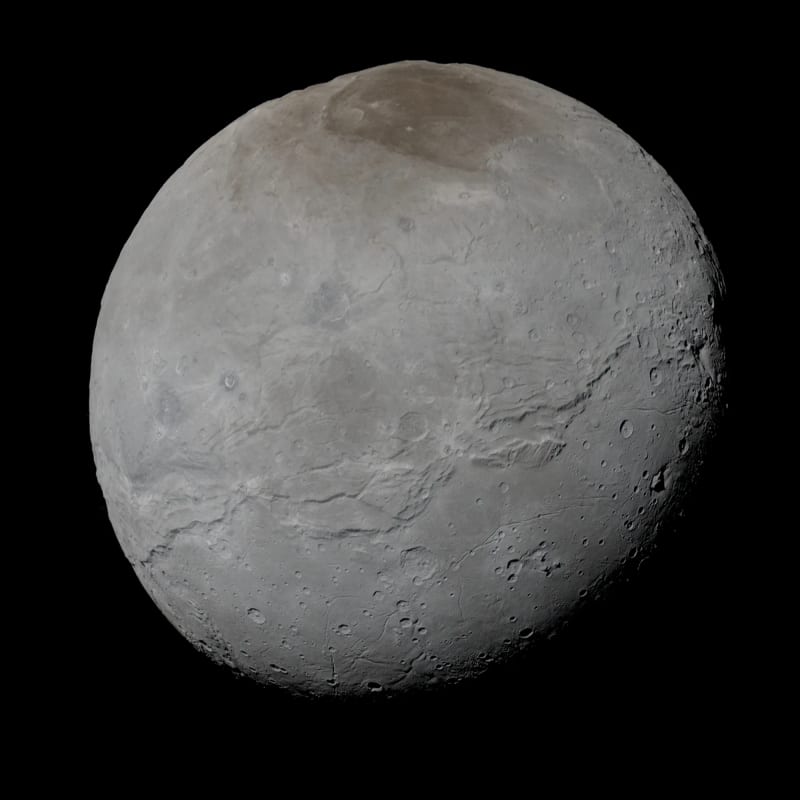
Cosmic forces align: Historical Pluto photograph offers insights into astrological success. Source: Wikipedia/Wikimedia.
Visual source: Historical Archive / Wikimedia Commons.
The Ancient Origins of Planetary Hours
The concept of planetary hours dates back to ancient civilizations, particularly the Babylonians and Egyptians, who were meticulous observers of the heavens. They recognized a profound connection between celestial movements and earthly events, laying the groundwork for what would become a sophisticated system of Tarot Quantum Mechanics Intersecting Divination Reality.
This knowledge was later adopted and refined by the Greeks and Romans, who integrated it into their daily lives, from planning battles to initiating business ventures. The system's enduring appeal lies in its simplicity and its promise of harnessing cosmic forces for practical benefit, offering a micro-level application of broader astrological principles.
Historically, planetary hours were not just a tool for astrologers but a common part of daily life, influencing decisions across various societal strata. They provided a framework for understanding the ebb and flow of energies throughout the day, allowing individuals to act in harmony with the cosmos rather than against it.
How Planetary Hours Work: The Basic Mechanism
Unlike standard clock hours, planetary hours are not fixed at 60 minutes. Instead, they are calculated by dividing the period from sunrise to sunset (day hours) and sunset to sunrise (night hours) into 12 equal segments each. This means that the length of a planetary hour varies depending on the season and geographical location, being longer in summer and shorter in winter.
The sequence of planetary rulers follows a specific order, known as the Chaldean order: Saturn, Jupiter, Mars, Sun, Venus, Mercury, Moon. This sequence is based on the apparent speed of the planets as observed from Earth, from slowest to fastest. Each day of the week is also ruled by a planet, which dictates the ruler of the first hour of that day.
For example, Sunday is ruled by the Sun, so the first hour after sunrise on Sunday is the hour of the Sun. The next hour would be Venus, then Mercury, and so on, following the Chaldean order. This cyclical pattern ensures that each planet gets its turn to govern an hour, imbuing that period with its unique energetic qualities.
The Seven Planets and Their Energetic Signatures
Each of the seven traditional planets (visible to the naked eye) carries distinct symbolism and energetic associations that influence the planetary hours they rule. Understanding these energies is key to effectively utilizing the system for Tarot Quantum Mechanics Intersecting Divination Reality and success.
- Sun (Sunday): Represents vitality, leadership, success, self-expression, and authority. Hours ruled by the Sun are ideal for important meetings, seeking recognition, creative endeavors, and boosting confidence.
- Moon (Monday): Governs emotions, intuition, nurturing, home life, and public relations. Moon hours are best for domestic tasks, self-care, meditation, connecting with family, and tasks requiring intuition or emotional intelligence.
- Mars (Tuesday): Associated with action, courage, drive, competition, and physical activity. Mars hours are excellent for starting new projects, exercising, confronting challenges, or engaging in competitive sports.
- Mercury (Wednesday): Rules communication, intellect, learning, travel, and commerce. Mercury hours are perfect for writing, studying, making phone calls, signing contracts, and short-distance travel.
- Jupiter (Thursday): Symbolizes expansion, luck, wisdom, prosperity, and higher learning. Jupiter hours are auspicious for financial investments, legal matters, seeking advice, spiritual practices, and anything related to growth and abundance.
- Venus (Friday): Governs love, beauty, harmony, relationships, and artistic pursuits. Venus hours are ideal for social gatherings, dating, artistic creation, beautification, and resolving conflicts.
- Saturn (Saturday): Represents discipline, structure, responsibility, long-term planning, and introspection. Saturn hours are suitable for tasks requiring patience, organization, deep contemplation, and working on long-term goals.

Cosmic alignment of planetary hours promises a path to astrological success.
Calculating Your Planetary Hours: A Practical Guide
While the concept is ancient, modern technology makes calculating planetary hours incredibly accessible. Many online tools and mobile applications can provide accurate planetary hours for your specific location and date, taking into account sunrise and sunset times.
However, understanding the manual calculation process can deepen your appreciation for this system. Here’s a simplified overview:
- Determine Sunrise and Sunset: Find the exact times for your location on the given day.
- Calculate Day Length: Subtract sunrise time from sunset time.
- Calculate Length of a Day Hour: Divide the day length by 12. This will give you the duration of each day hour.
- Calculate Night Length: Subtract sunset time from sunrise time of the following day.
- Calculate Length of a Night Hour: Divide the night length by 12. This will give you the duration of each night hour.
- Assign Planetary Rulers: Start with the planet ruling the day (e.g., Sun for Sunday). The first hour after sunrise is ruled by this planet. Follow the Chaldean order (Saturn, Jupiter, Mars, Sun, Venus, Mercury, Moon) for subsequent hours, cycling through the planets.
For instance, if sunrise is at 6:00 AM and sunset at 6:00 PM (12 hours of daylight), each day hour would be exactly 60 minutes. If it's a Sunday, the first hour (6:00-7:00 AM) is the Sun's, the second (7:00-8:00 AM) is Venus', and so on. The night hours would follow the same pattern, starting with the planet that follows the last day hour.
The Chaldean order of planets, from slowest to fastest apparent motion as observed from Earth, is:
Saturn → Jupiter → Mars → Sun → Venus → Mercury → Moon.
This sequence governs the succession of planetary hours throughout the day and night.
Optimizing Your Day: Aligning Activities with Planetary Energies
Once you understand the planetary rulers and their associated energies, you can begin to strategically plan your day. This isn't about rigid adherence but rather about creating a flow that supports your intentions and makes the most of cosmic influences.
| Planet/Day | Associated Energies | Recommended Activities |
|---|---|---|
| Sun (Sunday) | Leadership, vitality, creativity, self-expression, success. | Major presentations, seeking favors from superiors, creative writing, public speaking, self-promotion, starting new ventures. |
| Moon (Monday) | Intuition, emotions, nurturing, domestic matters, public relations, healing. | Gardening, household chores, meditation, self-care, connecting with family, public speaking (emotional appeal), healing rituals. |
| Mars (Tuesday) | Action, courage, drive, competition, physical activity, assertiveness. | Exercising, breaking bad habits, confronting challenges, starting competitive projects, surgical procedures (if necessary), defending oneself. |
| Mercury (Wednesday) | Communication, intellect, learning, travel, commerce, negotiation. | Writing, studying, signing contracts, making phone calls, short trips, networking, intellectual discussions, teaching. |
| Jupiter (Thursday) | Expansion, luck, wisdom, prosperity, higher learning, generosity. | Financial investments, legal proceedings, seeking advice, spiritual practices, charitable giving, starting educational pursuits, publishing. |
| Venus (Friday) | Love, beauty, harmony, relationships, artistic pursuits, pleasure. | Socializing, dating, artistic creation, beautification rituals, resolving conflicts, buying luxury items, enjoying leisure. |
| Saturn (Saturday) | Discipline, structure, responsibility, long-term planning, introspection, boundaries. | Organizing, deep contemplation, working on long-term goals, setting boundaries, tasks requiring patience and endurance, dealing with elders. |
By consciously choosing to engage in activities during their most favorable planetary hours, you can experience a subtle yet significant shift in outcomes. This practice fosters a deeper connection to the natural rhythms of the universe and enhances your ability to manifest your desires.
Cosmic energies align. Unlock your potential with planetary hours for guaranteed success.
Practical Tips for Integrating Planetary Hours into Daily Life
Integrating planetary hours doesn't require a complete overhaul of your schedule, but rather a mindful adjustment. Start small and observe the differences.
- Use an App or Online Calculator: This is the easiest way to get accurate times for your location. Many free options are available.
- Start with Key Activities: Don't try to schedule every minute. Focus on 2-3 important tasks a day that you want to give an extra boost.
- Observe and Journal: Pay attention to how you feel and the outcomes of tasks performed during specific planetary hours. This personal observation will deepen your understanding.
- Flexibility is Key: Life happens. If you miss a "good" hour, don't fret. The intention behind the action is also powerful. This is a tool for enhancement, not rigid control.
- Combine with Other Astrological Insights: For advanced users, combine planetary hours with your Tarot Quantum Mechanics Intersecting Divination Reality and current transits for even more personalized timing.
By consciously choosing to engage in activities during their most favorable planetary hours, you can experience a subtle yet significant shift in outcomes. This practice fosters a deeper connection to the natural rhythms of the universe and enhances your ability to manifest your desires.
Common Misconceptions and Nuances
While planetary hours offer a powerful framework, it's important to address some common misunderstandings to ensure effective application. This system is a guide, not a strict determinant of fate.
- Not a Guarantee of Success: Planetary hours increase the energetic favorability of an action, but they do not guarantee success if the action itself is poorly executed or ill-conceived. They are a supportive influence, not a magical solution.
- Beyond the Seven Planets: While the traditional system focuses on the seven visible planets, some modern astrologers may incorporate outer planets (Uranus, Neptune, Pluto) into more complex electional astrology. However, for daily practical use, the traditional seven are sufficient and most commonly used.
- The Importance of Intention: The power of planetary hours is amplified when combined with clear intention. Merely performing an action during a favorable hour without focus or purpose will yield fewer results.
- Personal Chart Overrides: Your individual natal chart and current transits always provide a more personalized layer of astrological influence. Planetary hours are a general overlay that can be further refined by understanding your unique cosmic blueprint.
Understanding these nuances helps to cultivate a balanced and realistic approach to using planetary hours, integrating them as a valuable tool within a broader astrological practice.
Conclusion: Unlocking Cosmic Rhythms for Personal Growth
Planetary hours offer a fascinating and effective method for harmonizing our daily lives with the ancient rhythms of the cosmos. By consciously choosing when to undertake specific tasks, we can tap into supportive planetary energies, enhancing our productivity, improving our relationships, and fostering a deeper sense of alignment with the universe.
Whether you are an experienced astrologer or simply curious about ancient wisdom, exploring planetary hours can provide a powerful tool for optimizing your day and moving towards greater success and well-being. Embrace this practice with an open mind and observe the subtle yet profound shifts it can bring to your life.
Fuente: Contenido híbrido asistido por IAs y supervisión editorial humana.


Comments
Post a Comment