
Asteroid Goddesses: Ceres, Pallas, Juno, Vesta Astrology | StarPluto
Modern astrology, while rooted in ancient traditions, continually evolves to incorporate new celestial bodies and deepen its understanding of human experience. Beyond the traditional planets, a quartet of significant asteroids—Ceres, Pallas, Juno, and Vesta—have emerged as powerful archetypal forces, often referred to as the "Asteroid Goddesses." These minor planets, primarily located in the asteroid belt between Mars and Jupiter, offer profound insights into our psychological makeup, relational patterns, creative expression, and spiritual devotion, adding intricate layers to natal chart interpretations. Their discovery in the early 19th century and subsequent integration into astrological practice have enriched the field, providing a more nuanced perspective on feminine principles and specific life areas.
This guide delves into the individual meanings of Ceres, Pallas, Juno, and Vesta, exploring their mythological foundations and their profound astrological significance. By understanding these celestial bodies, you can gain a more comprehensive and intricate understanding of your own natal chart and the subtle energies that shape your journey. We will explore how these powerful feminine archetypes manifest in personal expression, relationships, intellectual pursuits, and spiritual paths.
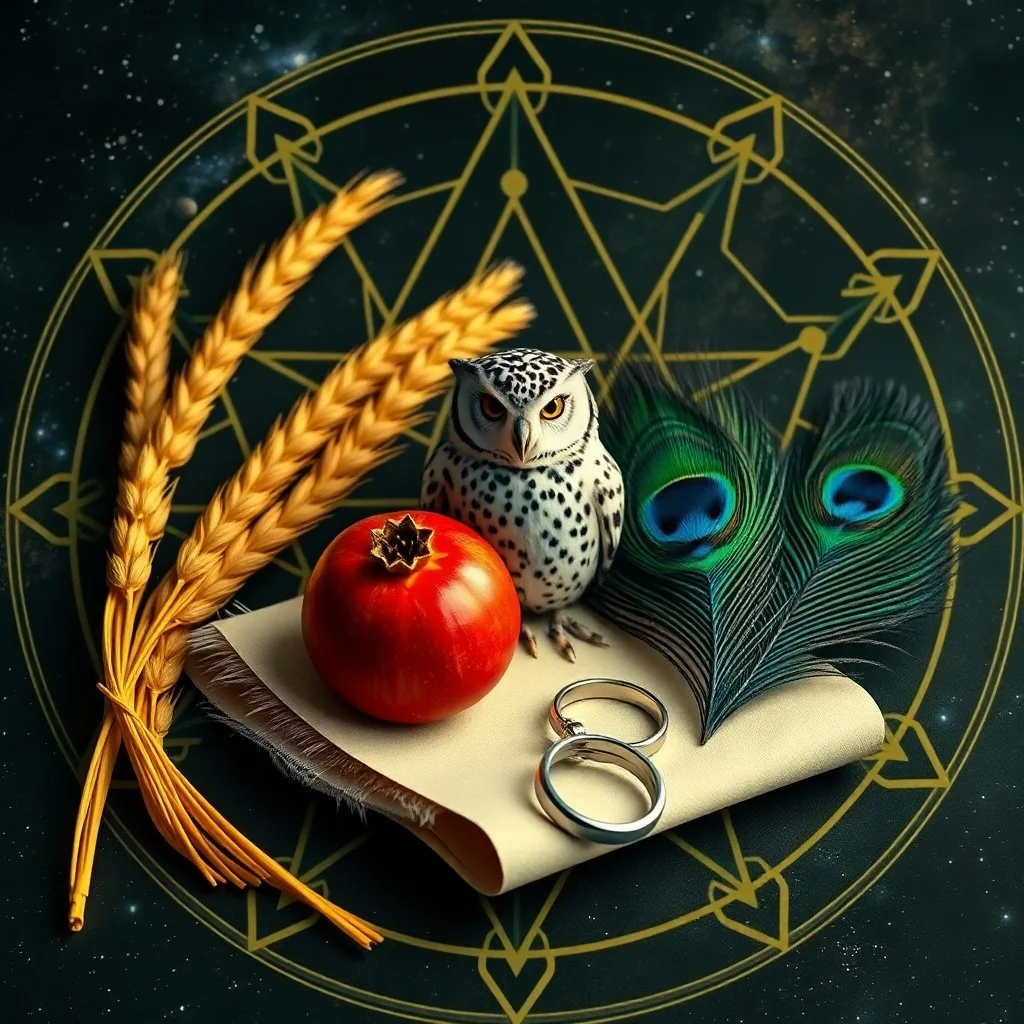
The Lunar Mansions Predictive Astrology Timing Life Events represent powerful archetypes that add depth to modern astrological readings.
Table of Contents
- Understanding Asteroid Goddesses in Astrology
- Ceres: The Nurturer and Giver of Life
- Pallas Athena: Wisdom, Strategy, and Creative Intellect
- Juno: Relationships, Partnership, and Commitment
- Vesta: Sacred Devotion, Focus, and Inner Fire
- Integrating Asteroid Goddesses in Natal Chart Analysis
- The Collective Impact of Asteroid Goddesses
Understanding Asteroid Goddesses in Astrology
The inclusion of asteroid goddesses marks a significant expansion in astrological analysis, moving beyond the traditional seven visible planets and the more recently discovered outer planets (Uranus, Neptune, Pluto). Each asteroid goddess is named after a prominent figure in Roman mythology, whose stories and attributes directly inform their astrological meanings. Unlike the personal planets (Sun, Moon, Mercury, Venus, Mars) that describe core personality traits, or the outer planets that represent generational themes and collective shifts, the asteroid goddesses often highlight specific psychological complexes, behavioral patterns, and areas of life where we seek balance, expression, or fulfillment.
They act as bridges, connecting our personal experiences to universal archetypes, and offering a deeper understanding of our inner landscape. Their positions by sign, house, and aspect in a natal chart reveal subtle yet potent influences, particularly concerning self-nurturing, intelligence, relationships, and spiritual focus. Astrologers consider them vital for a holistic Tarot Quantum Mechanics Intersecting Divination Reality, especially when delving into the nuances of feminine energy and specific life challenges.
Ceres: The Nurturer and Giver of Life
Ceres, the largest asteroid and now classified as a dwarf planet, is named after the Roman goddess of agriculture, grain, and motherly love (equivalent to the Greek Demeter). In astrology, Ceres embodies themes of nurturing, sustenance, food, mother-child bonds, loss, grief, and self-worth. It speaks to how we nurture ourselves and others, our relationship with food and the physical body, and how we cope with feelings of abandonment or deprivation.

Sound Alchemy: Cellular Regeneration, Manifestation Frequencies represents our capacity for nurturing, self-worth, and our relationship with sustenance.
The myth of Ceres and her daughter Proserpina (Persephone), who was abducted by Pluto, is central to understanding Ceres. Her grief and relentless search for her daughter led to the barrenness of the earth, symbolizing the profound impact of loss and the struggle for reunion. This narrative highlights the deep emotional ties and the pain associated with separation, making Ceres a key indicator of how we process and recover from emotional wounds related to care and belonging.
- Nurturing Style: Reveals how we give and receive care, our capacity for empathy, and our maternal instincts (regardless of gender). It can show whether we are overly giving, self-sacrificing, or struggle to accept help from others.
- Self-Worth: Indicates areas where we feel valued or devalued, often tied to early experiences of care and whether our fundamental needs were met. A strong Ceres can signify a healthy sense of self-esteem rooted in self-care.
- Food and Body Image: Can highlight issues related to eating disorders, body acceptance, or our general relationship with sustenance. This includes how we nourish ourselves physically and emotionally.
- Loss and Grief: Shows how we process separation, abandonment, and the cycles of loss and renewal. Ceres' placement can reveal our resilience in the face of emotional hardship and our ability to find comfort after sorrow.
In the Natal Chart: Ceres' sign and house placement describe the specific ways these themes manifest. For example, Ceres in Taurus might indicate a need for material security to feel nurtured, while Ceres in the 4th House emphasizes nurturing within the home and family. Its aspects to other planets can further refine these interpretations, showing how nurturing themes interact with other parts of the personality.
Pallas Athena: Wisdom, Strategy, and Creative Intellect
Pallas Athena, named after the Roman goddess of wisdom, warfare, strategy, and the arts (equivalent to the Greek Athena), represents our intellectual prowess, strategic thinking, problem-solving abilities, and creative intelligence. She is the archetype of the "wise warrior," advocating for justice through intellect and skill rather than brute force. Pallas also governs healing arts, particularly those involving pattern recognition and holistic approaches.

Lunar Mansions Predictive Astrology Timing Life Events embodies intellectual prowess, strategic thinking, and creative problem-solving.
Born fully grown and armored from the head of Zeus, Pallas Athena is associated with mental birth, independence, and a strong sense of justice. She is a protector of heroes and cities, embodying strategic defense and intellectual combat. Her lack of a mother figure in her birth story emphasizes her connection to patriarchal structures and her ability to navigate them with intelligence and diplomacy, rather than purely emotional responses.
- Strategic Thinking: How we approach challenges, devise plans, and navigate complex situations. This includes our ability to see patterns, anticipate outcomes, and execute effective solutions.
- Creative Intelligence: Our capacity for pattern recognition, artistic expression, and innovative solutions. Pallas often indicates talents in visual arts, design, or any field requiring intellectual creativity.
- Justice and Advocacy: Where we stand up for what is right, often through intellectual argument, legal means, or diplomatic negotiation. Pallas can represent a strong drive for social justice.
- Healing Arts: Connection to alternative medicine, therapy, and healing modalities that require insight and precision. This includes therapies that address mind-body connections and holistic well-being.
In the Natal Chart: Pallas' position reveals how we utilize our intelligence, our approach to conflict, and our unique creative gifts. Pallas in Aries might indicate a direct, assertive intellectual style, while Pallas in the 7th House could point to strategic partnerships or a focus on justice in relationships. Her aspects show how these intellectual and strategic energies integrate with other parts of the personality.
Juno: Relationships, Partnership, and Commitment
Juno, named after the Roman queen of the gods and goddess of marriage, childbirth, and women (equivalent to the Greek Hera), is the primary asteroid goddess associated with committed partnerships, marriage, and the dynamics within these unions. She highlights our needs and expectations in relationships, our capacity for loyalty, and our experiences with equality, jealousy, and betrayal. Juno illuminates the contractual and sacred aspects of partnership.
Juno's myth is largely defined by her tumultuous marriage to Jupiter, marked by his infidelities and her powerful reactions, including jealousy and retribution. This highlights the themes of fidelity, commitment, and the struggle for equality within a partnership. Her story underscores the complexities of long-term relationships, the pain of perceived injustice, and the deep desire for a truly reciprocal bond.
- Ideal Partner: Describes the qualities we seek in a committed partner and what we bring to such a union. This can reveal conscious and unconscious desires for a spouse or long-term companion.
- Commitment and Loyalty: Our capacity for long-term dedication and the challenges we face in maintaining it. Juno's placement can indicate areas where we are fiercely loyal or where we struggle with commitment.
- Equality in Relationships: Where we seek balance and fairness, and where imbalances may lead to conflict or resentment. Juno often highlights the need for mutual respect and shared power.
- Betrayal and Jealousy: How we react to perceived injustices or infidelities within our most significant bonds. Her energy can be intense when these themes are activated, reflecting a deep need for trust and fidelity.
In the Natal Chart: Juno's sign and house placement offer insights into the nature of our significant relationships, potential challenges, and our deepest needs for partnership. Juno in Libra might indicate a strong desire for harmonious, balanced partnerships, while Juno in the 10th House could suggest a partner who is influential in one's public life or career. Her aspects can reveal the ease or difficulty with which these relationship dynamics play out.
Vesta: Sacred Devotion, Focus, and Inner Fire
Vesta, named after the Roman goddess of the hearth, home, and sacred fire (equivalent to the Greek Hestia), represents our capacity for sacred devotion, focus, spiritual commitment, and the establishment of personal boundaries. She symbolizes the inner flame that fuels our purpose, the dedication to a cause, and the need for periods of solitude or celibacy to preserve one's energy and focus. Vesta highlights where we channel our sacred energy and maintain our integrity.
Vesta was one of the three virgin goddesses, known for her eternal flame and her dedication to her sacred duties. Her priestesses, the Vestal Virgins, maintained the sacred fire of Rome and took vows of chastity and service. This mythological background underscores Vesta's connection to purity, self-containment, and the channeling of energy towards a singular, sacred purpose. She represents the inner sanctuary we cultivate.
- Sacred Devotion: Where we dedicate our energy and attention with a sense of purpose and integrity. This can be a spiritual path, a creative pursuit, or a commitment to a particular cause.
- Focus and Concentration: Our ability to concentrate on a task or spiritual path, often requiring periods of withdrawal from external distractions. Vesta helps us maintain our inner focus amidst chaos.
- Boundaries and Purity: The need to protect our inner space and energy, sometimes through self-imposed celibacy or abstinence from certain activities. This is about preserving one's vital force for a higher aim.
- Inner Fire and Purpose: The core drive that motivates us and the area where we seek spiritual fulfillment. Vesta represents the internal flame that keeps us aligned with our deepest values and mission.
In the Natal Chart: Vesta's sign and house placement reveal where we are most likely to experience a sense of sacred duty, where we need to maintain focus, and where we might make personal sacrifices for a higher purpose. Vesta in Scorpio might indicate intense, transformative spiritual devotion, while Vesta in the 6th House could point to dedication in daily work or service. Her aspects show how this focused energy interacts with other planetary influences.
Integrating Asteroid Goddesses in Natal Chart Analysis
Interpreting the asteroid goddesses in a natal chart involves more than just understanding their individual meanings. It requires synthesizing their positions with the traditional planets, signs, and houses. They act as additional lenses through which to view the complex interplay of energies within a chart, offering more specific details on psychological motivations and behavioral patterns.
When analyzing a chart, consider the following:
- Sign Placement: How the energy of the asteroid goddess is expressed through the characteristics of the zodiac sign. For example, Ceres in Gemini might express nurturing through communication and teaching, while Pallas in Capricorn could signify strategic ambition in career.
- House Placement: The area of life where the asteroid goddess's themes are most active. Juno in the 7th House directly impacts partnerships, while Vesta in the 12th House might signify solitary spiritual practice or devotion to hidden causes.
- Aspects to Planets: How the asteroid goddesses interact with the personal and outer planets. A square between Ceres and Mars might indicate conflict around nurturing or self-worth, while a trine between Pallas and Mercury could enhance intellectual abilities. Conjunctions, oppositions, and trines to key planets amplify their influence.
- Conjunctions to Angles: When an asteroid goddess conjuncts an angle (Ascendant, Descendant, Midheaven, Imum Coeli), its influence becomes particularly prominent in the individual's personality, relationships, public image, or home life. These are often strong indicators of core life themes.
By integrating these layers, astrologers can paint a much richer and more detailed portrait of an individual's psychological landscape, revealing hidden strengths, challenges, and potentials that might be overlooked with a traditional planetary analysis alone. They provide a deeper understanding of our motivations and the subtle energies that guide our choices.
The Collective Impact of Asteroid Goddesses
The re-emergence and increasing recognition of these asteroid goddesses in modern astrology reflect a broader societal shift towards re-evaluating feminine archetypes and understanding diverse expressions of power and purpose. Their integration encourages a more holistic view of human nature, acknowledging the subtle yet profound influences that shape our lives beyond the major planetary forces. This expanded astrological vocabulary allows for a more inclusive and representative understanding of the human psyche.
The study of asteroid goddesses contributes to:
- Feminist Astrology: Providing a more balanced representation of feminine energies beyond Venus (love/beauty) and the Moon (emotions/motherhood), incorporating aspects of power, wisdom, independence, and devotion. They highlight diverse forms of strength and contribution.
- Psychological Depth: Offering specific insights into trauma, attachment, self-esteem, and relationship dynamics that resonate deeply with modern psychological understanding. They can pinpoint areas of vulnerability and resilience.
- Evolution of Consciousness: As humanity evolves, so does our astrological understanding. The asteroid goddesses reflect a growing awareness of multifaceted archetypes and their role in personal and collective development, moving beyond simplistic interpretations.
Their transits and retrogrades can also coincide with collective events related to their themes, such as movements for social justice (Pallas), discussions on relationship equality (Juno), or shifts in our collective approach to nurturing and resources (Ceres). Exploring these celestial bodies enriches not only personal interpretation but also our understanding of the broader human experience, fostering a more nuanced and empathetic perspective on global events and individual journeys.
Fuente: Contenido híbrido asistido por IAs y supervisión editorial humana.


Comments
Post a Comment