
Tea Leaf Reading: Ancient Divination Practice Guide | StarPluto
Tea Leaf Reading (Tasseography): Unveiling Ancient Divination Practice
Tasseography, more commonly known as tea leaf reading, is an ancient divination practice that involves interpreting patterns and symbols formed by tea leaves left in a cup after the beverage has been consumed. This fascinating art offers a unique window into potential future events, personal insights, and hidden truths, drawing on intuition and symbolic understanding. Far from being a mere parlor trick, tasseography has a rich history rooted in various cultures, evolving over centuries to become a cherished method of seeking guidance and self-reflection.
The practice is accessible to anyone willing to explore its depths, requiring little more than a cup of tea, a keen eye, and an open mind. It serves as a bridge between the mundane act of drinking tea and the mystical realm of foresight, transforming everyday residue into a canvas for profound messages. Understanding tasseography involves not just memorizing symbols but also developing a strong connection with one's intuition and the subtle energies at play.

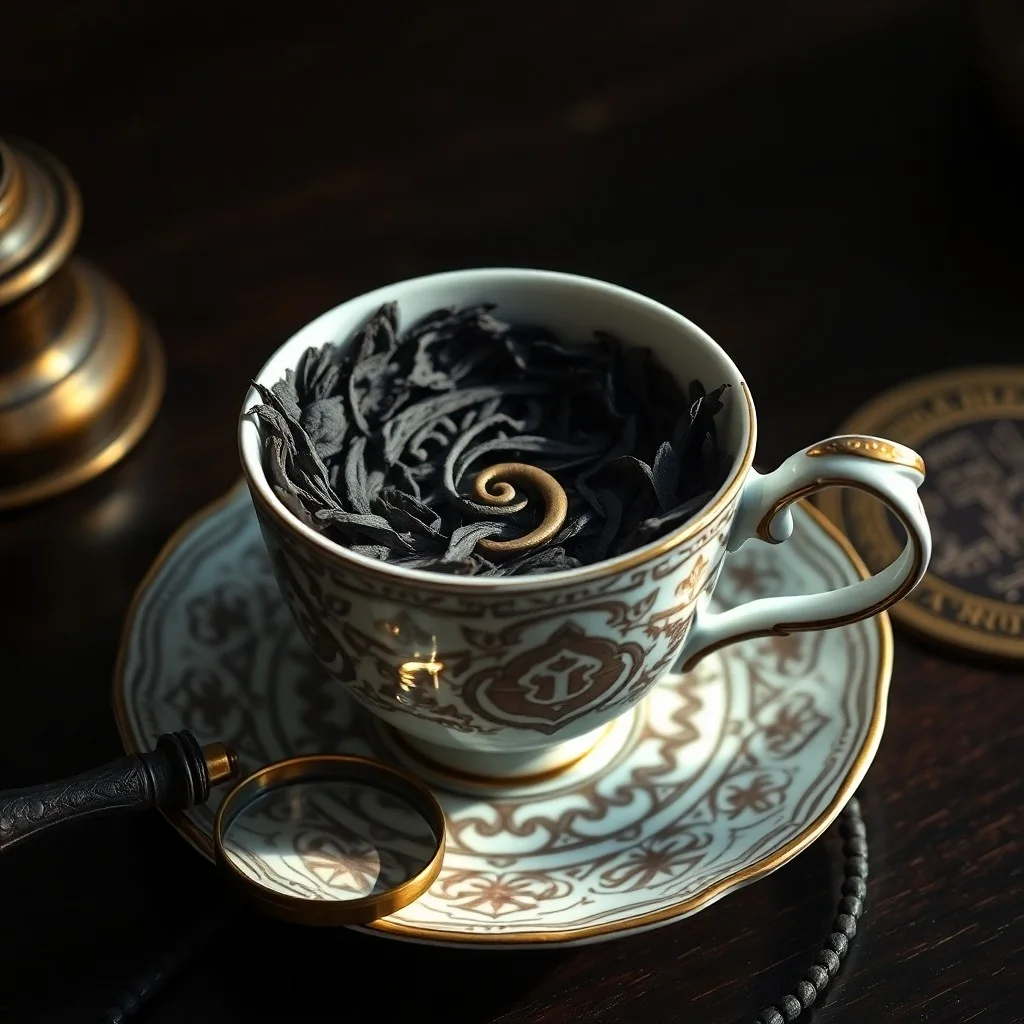
A delicate porcelain teacup with tea leaves forming intricate patterns, hinting at the ancient art of tasseography.
Table of Contents
- What is Tasseography?
- A Brief History of Tea Leaf Reading
- The Art of Reading Tea Leaves: Basic Steps
- Common Symbols and Their Meanings in Tasseography
- The Role of Intuition and Interpretation
- Preparing for a Tea Leaf Reading Session
- Tasseography in Modern Times
- Benefits and Limitations of Tea Leaf Reading
- How to Learn Tasseography
What is Tasseography?
Tasseography, derived from the French word "tasse" (cup) and the Greek suffix "-graphy" (writing or drawing), is the practice of divination by interpreting patterns made by tea leaves in the bottom of a teacup. It's a form of scrying, a method of fortune-telling that involves gazing into a reflective surface or medium to gain insights. Unlike other forms of divination that rely on cards or astrological charts, tasseography uses the organic and unpredictable formations of tea leaves to reveal messages.
The core principle behind tasseography is that the universe communicates through symbols. The tea leaves, influenced by the person drinking the tea, settle into shapes that are believed to represent various aspects of their life, personality, or future events. These symbols can range from simple objects like animals, letters, or numbers to more abstract forms that require deeper intuitive interpretation. It is a highly personal practice, as the symbols often resonate differently with each individual and reader.
For many, tasseography is not about predicting a fixed future but rather about gaining clarity, understanding current influences, and exploring potential paths. It encourages introspection and can act as a catalyst for self-discovery. The act of reading the leaves can provide comfort, guidance, and a sense of connection to something larger than oneself, making it a powerful tool for personal development and spiritual exploration within the broader field of esotericism.
A Brief History of Tea Leaf Reading
The origins of tasseography can be traced back to ancient China, where tea originated. However, the formal practice as we know it today largely developed in Europe during the 17th century, following the introduction of tea to the continent. Early forms of scrying existed long before tea, utilizing wine dregs or coffee grounds. When tea became popular, its fine leaves proved ideal for forming discernible patterns, quickly making it a favored medium for divination.
In Europe, particularly in Britain and Ireland, tea leaf reading became a popular pastime among all social classes. It was often practiced in homes and at social gatherings, evolving from a serious mystical art to a form of entertainment. Romani people are also credited with popularizing and preserving many of the traditional interpretations of tea leaf symbols, passing down their knowledge through generations. The practice flourished, with numerous guidebooks and symbol dictionaries published throughout the 18th and 19th centuries, standardizing many of the interpretations.
While its popularity waned slightly in the 20th century with the advent of teabags, which leave no leaves for reading, tasseography has experienced a resurgence in recent times. Modern practitioners often use loose-leaf tea and embrace the tradition as a way to connect with ancestral practices and explore personal intuition. It stands as a testament to humanity's enduring quest for meaning and guidance, much like the study of horoscope history.
The Art of Reading Tea Leaves: Basic Steps
Performing a tea leaf reading involves several key steps, from preparing the tea to interpreting the final patterns. Adhering to these steps ensures a clear and meaningful reading:
Choose the Right Tea: Opt for loose-leaf tea, as teabags contain finely cut leaves that are difficult to interpret. Traditional black teas like English Breakfast or Earl Grey work well, but any loose-leaf tea with visible leaf fragments is suitable. Avoid herbal teas with large pieces of fruit or flowers.
Select the Cup: A plain, light-colored teacup with a wide mouth and no internal patterns is ideal. This allows the tea leaves to stand out clearly against the cup's surface, making interpretation easier.
Brew and Drink: Place a teaspoon of loose tea leaves directly into the cup (no infuser). Pour hot water over them and let it steep. The person receiving the reading should drink the tea slowly, focusing on their question or intention. Leave a small amount of liquid (about a teaspoon) at the bottom.
Swirl and Invert: Once the tea is mostly consumed, gently swirl the cup three times counter-clockwise. This helps distribute the remaining leaves. Then, quickly invert the cup onto a saucer, allowing any excess liquid to drain. Let it sit for a minute or two.
Interpret the Patterns: Turn the cup right-side up. The leaves clinging to the sides and bottom of the cup form patterns. These patterns are then interpreted based on their shape, location within the cup, and proximity to other symbols. The handle of the cup often represents the querent (the person whose fortune is being told).
The interpretation phase is where the art truly comes alive. The reader examines the symbols, considering their traditional meanings, but also allowing their intuition to guide them. The position of the leaves in the cup is crucial: symbols near the rim often represent events in the near future, while those at the bottom suggest distant future events or deeper, underlying issues. Symbols closer to the handle relate more directly to the querent's personal life or home environment.
Common Symbols and Their Meanings in Tasseography
While interpretations can be highly personal, many symbols in tasseography have widely accepted meanings. These meanings often draw from universal archetypes and cultural associations. Here is a table of some common symbols and their general interpretations:
An antique wooden desk with a journal and teapot, representing the tools and atmosphere of tasseography.
| Symbol | General Meaning | Contextual Interpretation |
|---|---|---|
| Anchor | Stability, security, hope | A stable relationship or financial situation; hope for the future. |
| Bird | News, travel, freedom | Good news arriving; a journey or new opportunities. |
| Circle | Completion, unity, success | A project coming to fruition; harmony in relationships. |
| Cross | Challenge, sacrifice, spirituality | An obstacle to overcome; a period of spiritual growth. |
| Fish | Good fortune, abundance, knowledge | Financial gain; new insights or wisdom. |
| Heart | Love, affection, joy | New romance; deep emotional connection; happiness. |
| Key | Solution, opportunity, secret | Unlocking a problem; a new path opening; discovering hidden information. |
| Mountain | Obstacle, ambition, challenge | A significant hurdle; achieving a high goal; a difficult journey. |
| Star | Hope, success, guidance | Good luck; achieving dreams; divine guidance. |
| Tree | Growth, stability, family | Personal development; strong foundations; family matters. |
It's important to remember that these are just starting points. The true art lies in how these symbols interact with each other, their size, clarity, and position within the cup. A small, faint symbol might indicate a minor influence, while a large, clear one suggests a significant event or strong energy. The surrounding symbols can also modify or enhance the meaning of a central figure, creating a narrative rather than isolated predictions. This holistic approach is key to a comprehensive reading.
The Role of Intuition and Interpretation
While symbol dictionaries provide a valuable framework, intuition is the cornerstone of effective tasseography. A skilled reader doesn't just identify shapes; they sense the energy, the story, and the underlying message that the leaves are trying to convey. This intuitive connection allows for a more nuanced and personalized interpretation that goes beyond rote memorization of symbols. It's about feeling the resonance of the patterns with the querent's current situation and questions.
Developing intuition for tasseography, as with other psychic practices, requires practice and an open mind. It involves trusting your gut feelings, noticing subtle associations, and allowing your subconscious to make connections. Many readers find that meditation or a moment of quiet focus before a reading can enhance their intuitive abilities. The more you practice, the more you'll begin to recognize patterns and develop your own unique interpretive style.
Furthermore, interpretation is not static. The meaning of a symbol can shift depending on the querent's question, their emotional state, and the overall context of the reading. For example, a "snake" might represent betrayal for one person but transformation for another. A good tasseographer acts as a guide, helping the querent explore the potential meanings and how they might apply to their life, rather than simply dictating a fixed outcome. This interactive process makes the reading more empowering and insightful.
Preparing for a Tea Leaf Reading Session
Proper preparation can significantly enhance the clarity and effectiveness of a tea leaf reading. Both the reader and the querent benefit from a focused and respectful approach to the divination process:
Set the Intention: Before brewing the tea, the querent should quietly focus on their question or area of life they wish to explore. A clear intention helps to "charge" the tea and guide the formation of relevant symbols. The question can be specific or general.
Create a Calm Environment: A quiet, peaceful setting free from distractions is ideal. Soft lighting, gentle music, or even burning incense can help create an atmosphere conducive to introspection and intuitive work. This helps both parties relax and open up to the messages.
Mindful Consumption: The act of drinking the tea should be a contemplative one. Encourage the querent to sip slowly, allowing the tea to absorb their energy and thoughts. This is a crucial part of the energetic transfer that influences the leaf patterns.
Respect the Process: Approach the reading with respect and an open mind. Avoid skepticism or a dismissive attitude, as this can hinder the flow of intuitive information. Remember that tasseography is a tool for insight, not a definitive pronouncement.
Document the Reading: It can be helpful to take notes or even photographs of the tea leaf patterns. This allows for later reflection and can reveal new insights over time. Sometimes, the full meaning of a symbol only becomes clear after an event has transpired.
By treating the session as a sacred ritual, both the querent and the reader can maximize the potential for profound and meaningful insights. This preparation ensures that the energy is aligned and the environment supports clear communication from the leaves.
Tasseography in Modern Times
Despite the fast-paced, technologically driven world we live in, tasseography continues to captivate and intrigue. Its resurgence can be attributed to a growing interest in mindfulness, spiritual practices, and alternative forms of self-discovery. Many people are seeking ways to reconnect with ancient wisdom and to find meaning beyond the material realm. Tasseography offers a tangible, yet mystical, entry point into this world.

An oil painting capturing abstract tea leaf formations swirling in a teacup, suggesting mystical contemplation.
Modern practitioners often integrate tasseography with other forms of divination, such as astrology or tarot, to provide a more comprehensive reading. The visual and tactile nature of tea leaf reading makes it particularly appealing in an age dominated by digital screens. It offers a hands-on, organic experience that fosters a deeper connection to the present moment and the subtle energies at play. Workshops and online courses dedicated to tasseography are becoming increasingly popular, indicating a renewed interest in this timeless art.
Furthermore, the aesthetic appeal of tea culture itself contributes to tasseography's enduring charm. The ritual of tea preparation and consumption, combined with the mystery of the leaves, creates a rich experience that transcends mere fortune-telling. It's a blend of tradition, art, and personal insight that continues to find its place in contemporary spiritual and self-help landscapes. This practice, like shamanic journeying, offers a path to explore non-ordinary realities.
Benefits and Limitations of Tea Leaf Reading
Like any divination practice, tasseography offers a unique set of benefits and also comes with certain limitations that practitioners and querents should be aware of.
Benefits:
Self-Reflection and Insight: Tasseography encourages introspection, prompting individuals to think deeply about their lives, choices, and aspirations. The symbols act as prompts for self-analysis.
Guidance and Clarity: It can provide a fresh perspective on confusing situations or offer guidance when facing difficult decisions, helping to illuminate potential paths forward.
Intuition Development: Regular practice sharpens intuitive abilities, enhancing one's capacity to recognize and interpret subtle energies and signs in everyday life.
Stress Reduction: The ritualistic nature of preparing and reading tea can be a calming and meditative experience, offering a break from daily stressors.
Cultural Connection: It provides a connection to ancient traditions and cultural heritage, fostering a sense of continuity and belonging.
Limitations:
Subjectivity: Interpretations can be highly subjective, varying greatly between readers and even for the same reader at different times. This can lead to ambiguity.
Lack of Specificity: Tasseography often provides symbolic or metaphorical insights rather than concrete, detailed predictions, which might not satisfy those seeking very specific answers.
Misinterpretation: Without developed intuition or proper guidance, symbols can be easily misinterpreted, leading to confusion or incorrect conclusions.
Dependence: Over-reliance on any divination method can lead to a lack of personal agency, where individuals might wait for "signs" rather than taking proactive steps in their lives.
Requires Loose Leaf Tea: The practical limitation of needing specific tea types can be a minor inconvenience for some.
Approaching tasseography with a balanced perspective, appreciating its strengths while acknowledging its limitations, allows for a more enriching and responsible engagement with this ancient art. It is a tool for empowerment, not for relinquishing personal responsibility.
How to Learn Tasseography
Embarking on the journey of learning tasseography is a rewarding experience that deepens your connection to intuition and symbolism. Here's a guide to help you get started:
Start with the Basics: Begin by familiarizing yourself with the preparation steps outlined earlier. Practice brewing and drinking tea, leaving the dregs, and swirling the cup. Focus on making these steps a mindful ritual.
Study Common Symbols: Acquire a good book or reliable online resource that lists common tea leaf symbols and their traditional meanings. Don't try to memorize everything at once; start with a few basic shapes like animals, numbers, or simple objects.
Practice Regularly: The key to mastering tasseography is consistent practice. Perform readings for yourself and for friends. The more leaves you examine, the better you'll become at recognizing patterns and developing your interpretive eye. Keep a journal of your readings to track progress and insights.
Develop Your Intuition: Engage in practices that enhance intuition, such as meditation, journaling, or dream analysis. Pay attention to your gut feelings during readings. Over time, you'll find that your personal interpretations will become as valuable as traditional ones.
Consider Mentorship or Courses: If you're serious about deepening your practice, seek out experienced tasseographers or enroll in workshops. Learning from others can provide valuable insights and accelerate your development. Many spiritual centers or online platforms offer such resources.
Trust Your Inner Voice: While traditional meanings are helpful, always trust your own intuitive connection to the symbols. If a symbol evokes a particular feeling or association for you, honor that. Tasseography is a deeply personal journey of discovery.
Learning tasseography is not about becoming a perfect fortune-teller, but rather about cultivating a deeper understanding of yourself and the subtle currents of life. It's a journey of continuous learning and intuitive growth, offering a unique and engaging way to explore the mystical dimensions of existence. Just as one might study numerology for life path insights, tasseography provides a visual narrative for personal destiny.
Source: Contenido híbrido asistido por IAs y supervisión editorial humana.


Comments
Post a Comment