
Qabalistic Tarot Spreads: Deciphering Tree of Life | StarPluto
Qabalistic Tarot is a profound system that merges the symbolic richness of Tarot with the intricate philosophical framework of the Qabalah, particularly the Tree of Life. This synergy provides a powerful tool for self-exploration, spiritual development, and deciphering the hidden mechanics of the universe. Far beyond simple fortune-telling, this approach transforms Tarot into a map for navigating consciousness and understanding the divine blueprint.
The Tree of Life, a central diagram in Qabalistic thought, represents the emanations of the divine, from the unknowable source to the manifest world. Each of its ten spheres, or Sephiroth, and twenty-two connecting paths embodies specific aspects of existence, consciousness, and divine energy. When Tarot cards are overlaid onto this structure, they gain layers of meaning that can illuminate complex situations and guide the seeker on their spiritual journey.
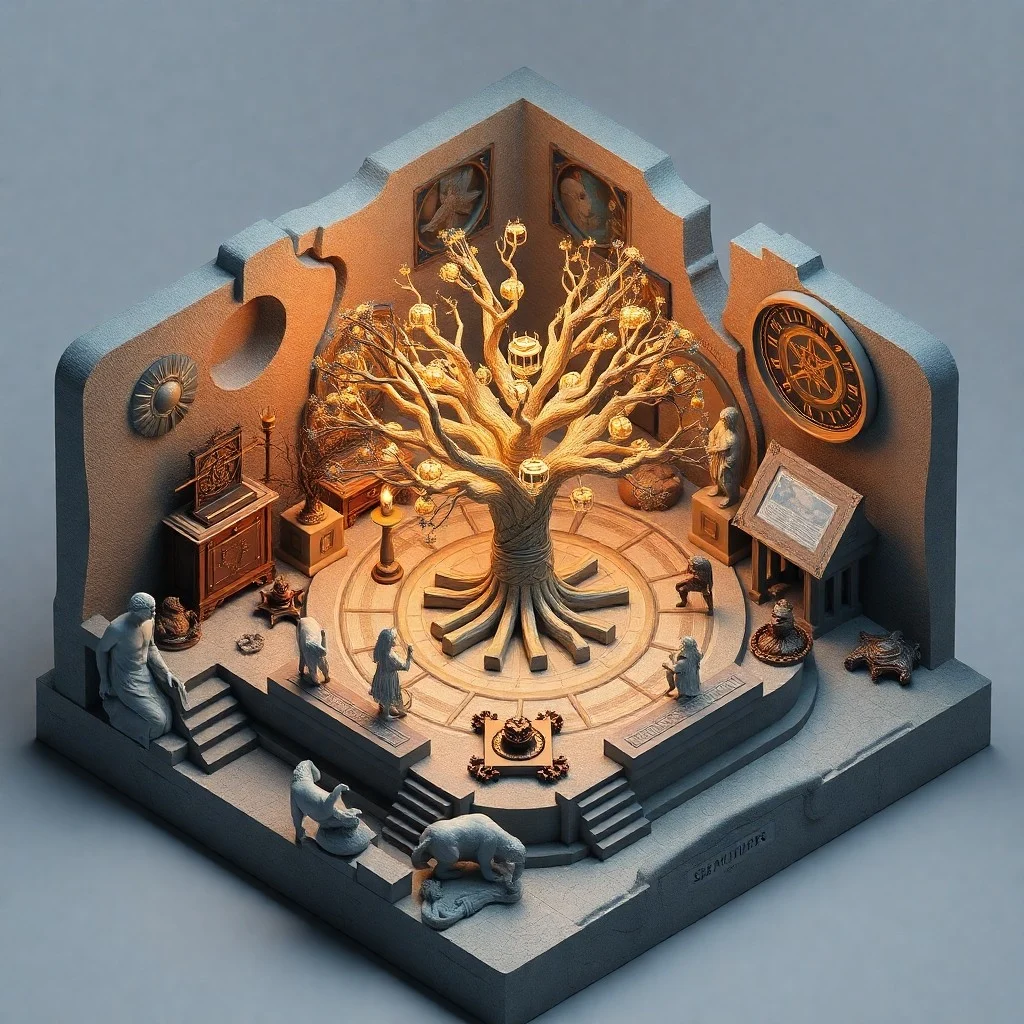
The Fool card, a symbol of new beginnings, is deeply intertwined with Qabalistic principles, representing the path of Aleph on the Tree of Life.
This article delves into the sophisticated world of Qabalistic Tarot spreads, offering a comprehensive guide to understanding their structure, interpretation, and practical application. We will explore how these spreads can help you decode the mysteries of the Tree of Life and apply its ancient wisdom to contemporary challenges, fostering a deeper connection to your inner self and the cosmos.
Table of Contents
- The Foundation: Qabalah and the Tree of Life
- Mapping the Tarot to the Tree of Life
- Essential Qabalistic Tarot Spreads
- Interpreting Cards Through a Qabalistic Lens
- Practical Application and Spiritual Growth
The Foundation: Qabalah and the Tree of Life
Qabalah, often spelled Kabbalah, is an ancient mystical tradition of Judaism that explores the nature of the divine and the universe. Its central symbol, the Tree of Life (Etz Chayim), is a complex diagram consisting of ten interconnected spheres, known as Sephiroth (singular: Sephirah), and twenty-two paths that link them. Each Sephirah represents a distinct attribute or emanation of God, while the paths correspond to the twenty-two letters of the Hebrew alphabet and, by extension, the twenty-two Major Arcana of the Tarot.
Understanding the Sephiroth is crucial for Qabalistic Tarot interpretation. They are often grouped into three pillars and four worlds, representing different levels of existence. The right pillar (Mercy) includes Chokmah, Chesed, and Netzach, symbolizing expansion and active force. The left pillar (Severity) comprises Binah, Geburah, and Hod, representing limitation and passive form. The middle pillar (Balance) consists of Kether, Tiphareth, Yesod, and Malkuth, signifying equilibrium and consciousness.
The Sephiroth, from the highest (Kether) to the lowest (Malkuth), trace the journey of divine energy into manifestation. Kether is the Crown, representing pure potential and unity. Chokmah is Wisdom, the initial spark of creation. Binah is Understanding, the great mother who gives form to Chokmah's energy. Chesed is Mercy, representing boundless love and expansion. Geburah is Severity, embodying justice and discipline. Tiphareth is Beauty, the heart of the Tree, balancing all forces and representing harmony and consciousness.
Netzach is Victory, associated with emotion, art, and nature. Hod is Splendor, representing intellect, communication, and logic. Yesod is Foundation, the astral plane, connecting the higher realms to the physical. Finally, Malkuth is Kingdom, the physical world and the culmination of all emanations. The paths between these Sephiroth represent the dynamic interactions and transitions between these divine attributes, offering a roadmap for spiritual evolution.
Mapping the Tarot to the Tree of Life
The genius of Qabalistic Tarot lies in its systematic correlation between the Tarot deck and the Tree of Life. This mapping provides a profound interpretive layer, allowing practitioners to understand the deeper esoteric significance of each card. The Major Arcana, Minor Arcana, and Court Cards all find their place within this intricate system.
Major Arcana: The Paths
The twenty-two Major Arcana cards correspond directly to the twenty-two paths connecting the Sephiroth on the Tree of Life. Each path is also associated with a Hebrew letter, a specific astrological influence, and a unique spiritual lesson. For instance, The Magician (Path 12, connecting Kether to Binah) represents the power of will and manifestation, mirroring the creative force that bridges pure potential with understanding. The High Priestess (Path 13, Kether to Tiphareth) embodies hidden knowledge and intuition, reflecting the veil between the divine and conscious awareness.Minor Arcana: The Sephiroth in the Four Worlds
The fifty-six Minor Arcana cards are divided into four suits: Wands, Cups, Swords, and Pentacles. Each suit is associated with one of the four Qabalistic Worlds: Atziluth (Archetypal/Fire/Wands), Briah (Creative/Water/Cups), Yetzirah (Formative/Air/Swords), and Assiah (Material/Earth/Pentacles). Within each suit, the ten numbered cards (Ace to Ten) correspond to the ten Sephiroth, reflecting how the energy of each Sephirah manifests in that particular world. For example, the Ace of Wands represents Kether in Atziluth – the pure, unadulterated spark of divine will. The Ten of Pentacles signifies Malkuth in Assiah – the culmination of material manifestation and worldly success.Court Cards: The Sephiroth in the Four Worlds with Elemental Dignities
The sixteen Court Cards (King, Queen, Knight, Page) are often seen as representing the four elements (Fire, Water, Air, Earth) within each of the four Qabalistic Worlds, or as specific aspects of the Sephiroth themselves. They can also represent different stages of development or types of personalities. For example, a King might represent the active, masculine energy of Chokmah in a particular suit, while a Queen embodies the receptive, feminine energy of Binah. Their placement within a spread can reveal how these archetypal energies are playing out in a querent's life.
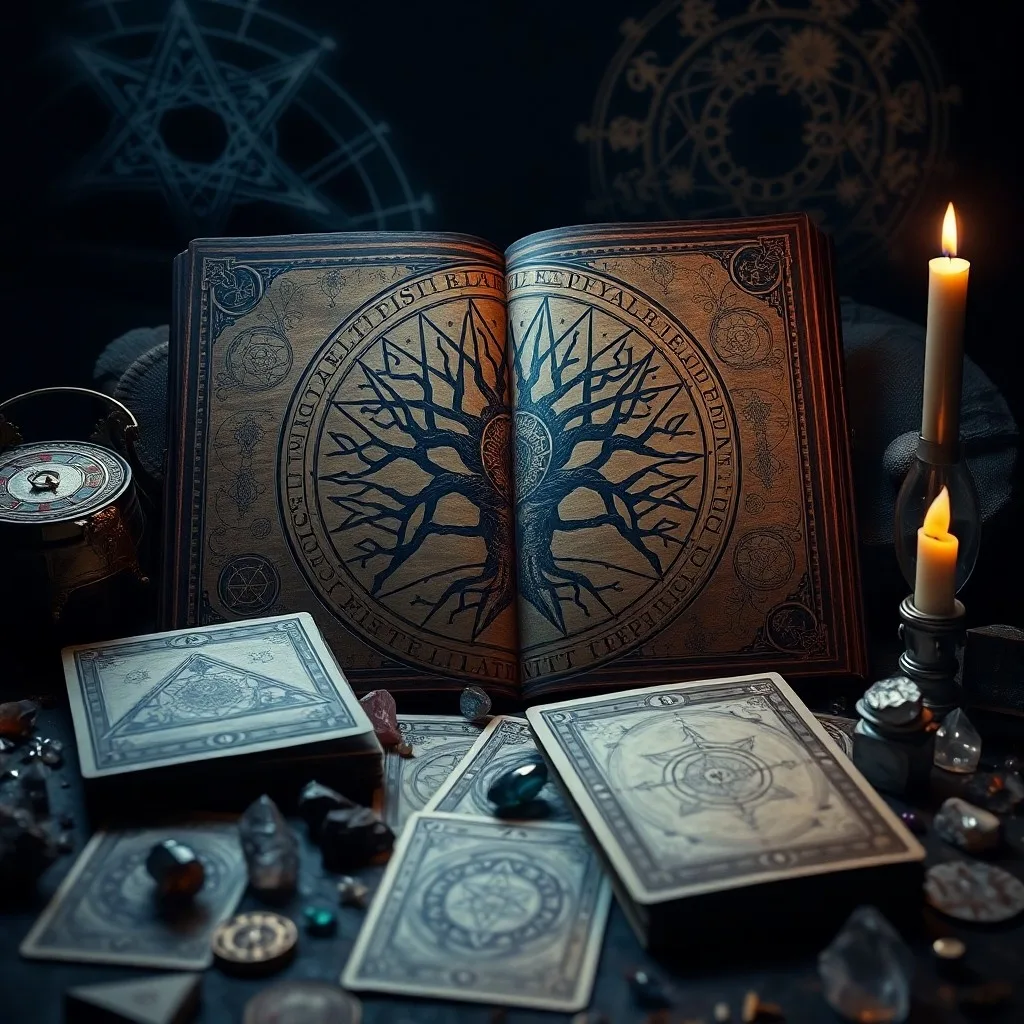
The intricate structure of the Tree of Life, with its Sephiroth and paths, forms the cosmic blueprint for Qabalistic Tarot interpretation.
Essential Qabalistic Tarot Spreads
Qabalistic Tarot spreads are designed to leverage the profound symbolism of the Tree of Life, offering a structured approach to gaining deep insights. These spreads are not merely about card positions; they are about understanding the flow of energy, the interplay of divine attributes, and the spiritual journey of the querent through the Qabalistic framework.
The Tree of Life Spread
This is arguably the most comprehensive and illuminating Qabalistic spread. It uses all ten Sephiroth as card positions, allowing for a holistic view of a situation or the querent's spiritual state. While there are variations, the core principle remains the same: each card reveals the influence of a specific Sephirah on the matter at hand.
The layout typically involves placing ten cards, one for each Sephirah, starting from Kether at the top and descending to Malkuth at the bottom. The interpretation considers not only the individual card meanings but also their Qabalistic associations and how they interact along the paths and pillars.
| Position (Sephirah) | Meaning in Spread | Key Qabalistic Association |
|---|---|---|
| 1. Kether (Crown) | The ultimate goal, divine inspiration, pure potential, the essence of the matter. | Unity, the beginning, pure existence. |
| 2. Chokmah (Wisdom) | Creative impulse, primal energy, "what is stirring," the active force. | Dynamic wisdom, creative father. |
| 3. Binah (Understanding) | Form, structure, limitations, understanding the situation, the passive form. | Receptive understanding, creative mother. |
| 4. Chesed (Mercy) | Expansion, growth, benevolence, gifts, blessings, opportunities. | Love, compassion, magnanimity. |
| 5. Geburah (Severity) | Discipline, restriction, challenges, necessary destruction, judgment. | Justice, strength, severity. |
| 6. Tiphareth (Beauty) | Consciousness, balance, harmony, truth, the heart of the matter, self-sacrifice. | Beauty, harmony, self-awareness. |
| 7. Netzach (Victory) | Emotions, desires, instincts, art, nature, what drives you. | Emotion, passion, endurance. |
| 8. Hod (Splendor) | Intellect, communication, logic, plans, how you express yourself. | Intellect, reason, communication. |
| 9. Yesod (Foundation) | Subconscious, instincts, dreams, the astral plane, foundation of the physical. | Astral plane, subconscious, reproduction. |
| 10. Malkuth (Kingdom) | Physical reality, outcome, manifestation, the tangible result. | Earth, physical world, manifestation. |
The Pathworking Spread
This spread is designed for deeper exploration of specific paths on the Tree of Life. Pathworking is a meditative or ritualistic practice where one symbolically journeys along a path to integrate its lessons. A Tarot spread can be used before, during, or after such a journey to gain clarity.
Typically, this spread involves selecting a specific path (e.g., the path between Tiphareth and Netzach, associated with The Empress) that the querent wishes to explore. Cards are then drawn to represent different aspects of this journey:
Card 1: Starting Sephirah - The current state or energy of the Sephirah from which the path begins.
Card 2: The Path Itself - The challenges, lessons, or energies inherent in traversing this specific path (often a Major Arcana card). This card reveals the core nature of the transition.
Card 3: Ending Sephirah - The desired outcome or transformed state upon successfully integrating the path's lessons.
Card 4: Obstacles/Guidance - What might hinder or help the journey along the path.
Card 5: Integration - How to best integrate the wisdom gained from the pathworking into daily life.
This spread is excellent for those engaged in serious Qabalistic study or personal growth, as it provides targeted insights into specific spiritual transitions.
The Sephirah Spread
Sometimes, the focus isn't on a journey but on understanding a particular aspect of one's being or a situation, which can be directly linked to a single Sephirah. The Sephirah Spread allows for an in-depth analysis of one specific sphere on the Tree of Life. This can be useful when feeling out of balance in a particular area of life that corresponds to a Sephirah.
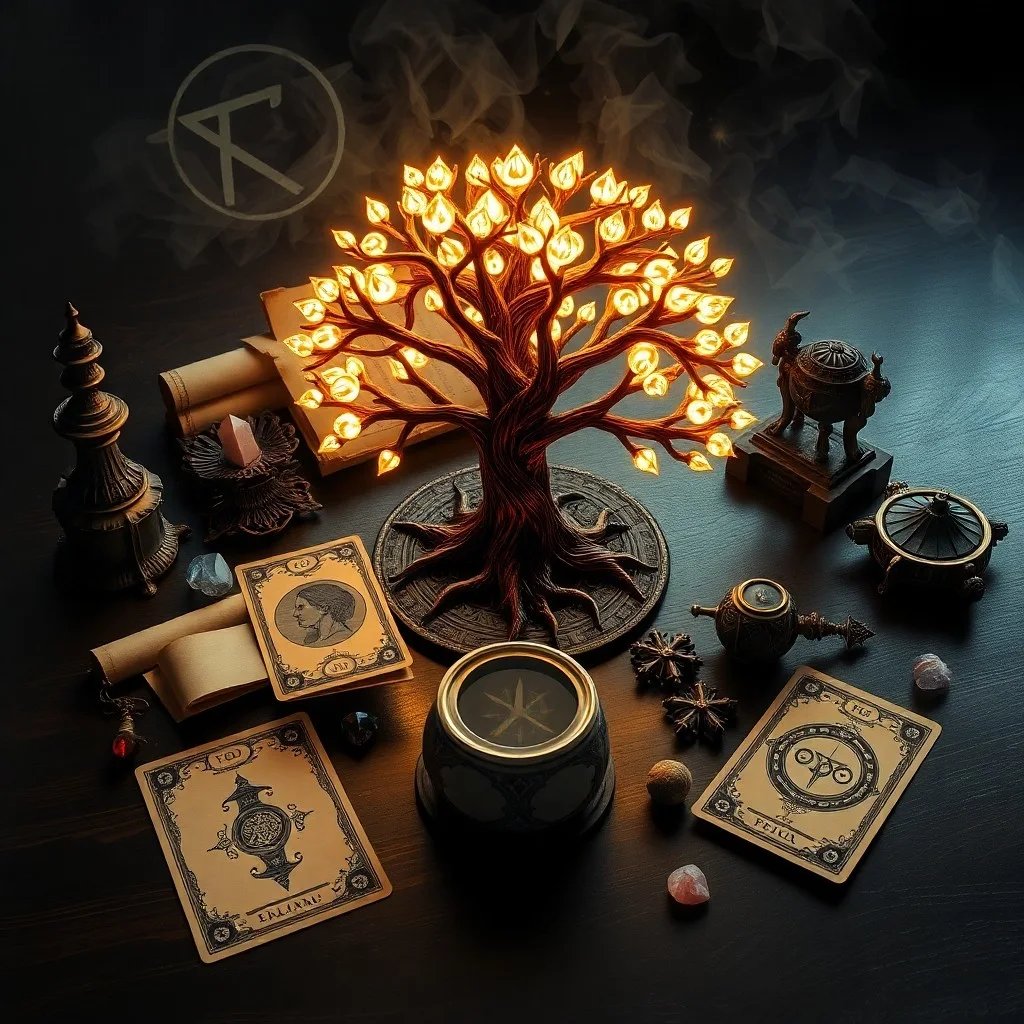
Ancient Qabalistic texts and Tarot cards offer a powerful combination for those seeking to understand esoteric wisdom.
To perform this spread, the querent first identifies the Sephirah they wish to explore. For example, if they are struggling with issues of love and compassion, they might choose Chesed. If they need to understand their communication patterns, Hod would be appropriate. Once chosen, several cards are drawn to illuminate different facets of that Sephirah's influence:
Card 1: The Sephirah's Core Energy - What is the fundamental energy of this Sephirah currently manifesting in the querent's life?
Card 2: Its Positive Expression - How is this Sephirah manifesting in a healthy, balanced way?
Card 3: Its Negative/Imbalanced Expression - Where is there imbalance or shadow aspects related to this Sephirah?
Card 4: How to Harmonize - Actionable advice or insights on how to bring this Sephirah into balance.
Card 5: Its Influence on Other Sephiroth - How this Sephirah affects other aspects of the querent's Tree of Life.
Interpreting Cards Through a Qabalistic Lens
Interpreting Tarot cards within a Qabalistic framework requires more than just memorizing card meanings. It demands an understanding of the Sephiroth, the paths, the Hebrew letters, astrological correspondences, and the four worlds. Each card's traditional meaning is enriched and deepened by its Qabalistic context.
When a card appears in a specific Sephirah position, its meaning is filtered through the attributes of that Sephirah. For example, if The Emperor (Key IV) appears in the position of Chesed (Mercy/Expansion), it might suggest a benevolent, expansive leadership style, or a need to apply structured authority (Emperor) with compassion (Chesed). If the same card appears in Geburah (Severity/Discipline), it could indicate a strict, even tyrannical, application of authority, or a need for firm boundaries and self-control.
Similarly, when a Major Arcana card appears in a path position, it describes the nature of the transition or relationship between the two Sephiroth it connects. The Lovers (Key VI), for instance, connects Binah (Understanding) and Tiphareth (Beauty). If it appears in this position, it might signify a choice (Lovers) that leads to harmony (Tiphareth) through deep understanding (Binah), or a union that brings balance to one's inner and outer worlds.
The Minor Arcana cards, with their elemental and Sephirotic correspondences, provide practical insights into how these energies manifest in daily life. A 5 of Swords in Hod (Intellect) might indicate mental conflict or defeat in the realm of ideas, while a 5 of Cups in Netzach (Emotion) could point to emotional disappointment or regret in relationships. By combining the card's universal symbolism with its Qabalistic placement, a reader can construct a nuanced and multi-layered interpretation.
Practical Application and Spiritual Growth
Qabalistic Tarot spreads are more than just predictive tools; they are powerful instruments for spiritual growth and self-discovery. Regular engagement with these spreads can deepen your understanding of yourself, your place in the universe, and the divine forces at play in your life. They encourage introspection, meditation, and a holistic approach to problem-solving.
Self-Reflection: By consistently mapping your life situations onto the Tree of Life, you begin to see patterns and identify areas of imbalance. This can lead to profound self-awareness and personal transformation.
Decision Making: When faced with complex choices, a Qabalistic spread can illuminate the various energetic influences, potential challenges, and ultimate outcomes from a spiritual perspective, guiding you toward alignment with your higher purpose.
Spiritual Development: Using the Pathworking Spread, you can consciously embark on journeys of spiritual integration, understanding the lessons of each path and Sephirah. This can be a powerful complement to meditation and ritual practices.
Understanding Universal Laws: The Tree of Life itself is a diagram of universal laws. By seeing how Tarot cards interact within this structure, you gain insight into the fundamental principles that govern creation and manifestation.
To effectively utilize Qabalistic Tarot, consistent study of both Tarot symbolism and Qabalistic principles is essential. Start with a basic understanding of each Sephirah and path, then gradually integrate the card meanings. Journaling your readings and reflecting on how the Qabalistic associations resonate with your experiences will significantly enhance your practice. This is a journey of continuous learning and profound revelation.
In conclusion, Qabalistic Tarot spreads offer a sophisticated and deeply rewarding method for engaging with the Tarot. By integrating the ancient wisdom of the Tree of Life, these spreads transcend conventional readings, providing a powerful framework for spiritual exploration, personal development, and a deeper understanding of the cosmic dance of creation.
Fuente: Contenido híbrido asistido por IAs y supervisión editorial humana.


Comments
Post a Comment