
Aura Colors Meanings: Guide to Energy Field | StarPluto
The human aura, often described as an electromagnetic field of energy surrounding every living being, is a fascinating aspect of esoteric and spiritual traditions. This vibrant field is believed to reflect an individual's physical, mental, emotional, and spiritual state. Understanding the colors within one's aura can provide profound insights into inner workings, current life circumstances, and potential areas for growth and healing.
While not scientifically measurable by conventional means, the concept of the aura has been explored across various cultures and spiritual practices for centuries. It serves as a visual representation of our energetic blueprint, constantly shifting and evolving with our experiences and consciousness. Delving into the meanings of these colors offers a unique pathway to self-discovery and a deeper connection with our subtle energies.
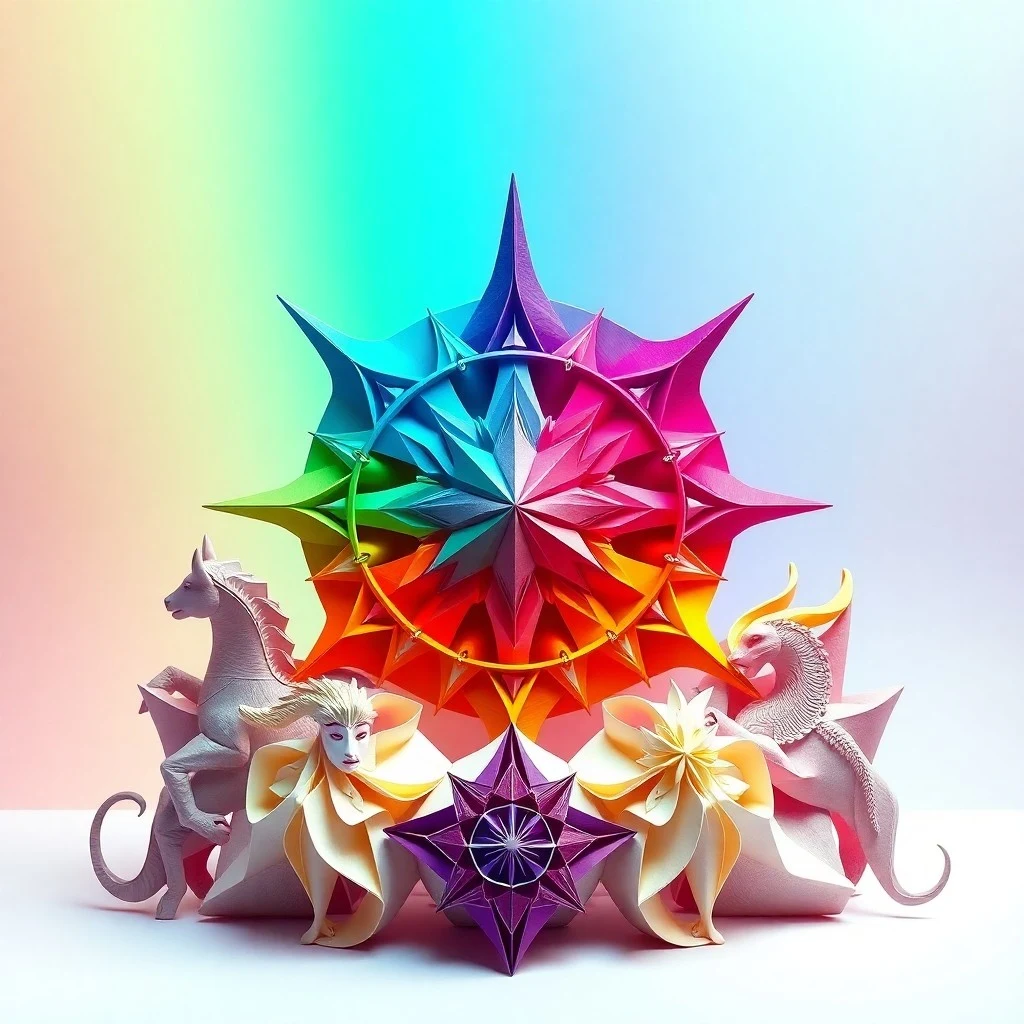
A vibrant, swirling energy field, illustrating the complex and dynamic nature of the human aura and its connection to the universe.
This comprehensive guide aims to demystify aura colors, offering an educational and informed perspective on what each hue signifies. From the fiery passion of red to the serene wisdom of violet, each color tells a story about our inner landscape. By learning to interpret these energetic signatures, individuals can gain a powerful tool for self-awareness and personal development.
What is an Aura?
An aura is essentially a subtle energy field that emanates from all living things. In humans, it's often perceived as an oval-shaped field of light and color surrounding the body, extending several inches or even feet outwards. This field is believed to be composed of different layers, each corresponding to various aspects of our being, such as physical health, emotional state, mental processes, and spiritual connections.
While modern science has yet to fully acknowledge or measure auras with conventional instruments, ancient spiritual traditions, particularly in Eastern philosophies, have long recognized and worked with these energy fields. Practices like Tarot Quantum Mechanics Intersecting Divination Reality, acupuncture, and reiki are all based on the principle of energy flow within and around the body, directly interacting with what is often referred to as the aura or subtle energy system.
The concept suggests that our thoughts, emotions, and physical health directly influence the colors, clarity, and vibrancy of our aura. A healthy, balanced individual might exhibit a bright, clear, and expansive aura with well-defined colors, while someone experiencing stress, illness, or negative emotions might have a duller, muddier, or constricted aura. It's a dynamic system, constantly changing and reflecting our inner world.
How to See or Sense Auras
Perceiving auras is a skill that can be developed over time, though some individuals may have a natural predisposition. It often involves training one's peripheral vision and cultivating a heightened sense of awareness. There are various techniques people employ to try and see or sense these energy fields.
One common method involves focusing on a person or object against a plain, light-colored background. By relaxing the eyes and looking slightly past the subject, some individuals report seeing a hazy outline or faint glow, which can then develop into discernible colors. Another approach is through meditation and visualization, where one attempts to attune to the energetic vibrations of others.
Beyond visual perception, many people experience auras through other senses, such as feeling changes in temperature, sensing energetic pressure, or even intuiting colors or emotional states. This is often referred to as aura reading, a practice that combines intuition with an understanding of color symbolism to interpret the subtle messages conveyed by the energy field.
Primary Aura Colors and Their Meanings
Each color within the aura carries specific vibrations and meanings, reflecting different aspects of an individual's being. The intensity, clarity, and placement of these colors can further refine their interpretation. Here's a detailed look at the primary aura colors and what they typically represent:

A still life of glowing crystals, representing the subtle energies and the potential for enhancing one's aura.
- Red: This vibrant color is associated with the root chakra and signifies physical energy, passion, strength, vitality, and courage. A bright, clear red suggests a strong will, leadership qualities, and a grounded nature. Dark or muddy red can indicate anger, frustration, or an overactive ego.
- Orange: Linked to the sacral chakra, orange represents creativity, joy, enthusiasm, ambition, and emotional expression. A clear orange suggests a sociable and adventurous spirit, while a dull orange might point to suppressed emotions or addiction issues.
- Yellow: Corresponding to the solar plexus chakra, yellow signifies intellect, optimism, confidence, personal power, and a cheerful disposition. Bright yellow indicates a strong sense of self and mental clarity. Muddy yellow can suggest fear, anxiety, or an overthinking mind.
- Green: Associated with the heart chakra, green embodies healing, growth, balance, harmony, and compassion. A clear green indicates a loving and nurturing individual, often a healer. Dark or murky green can symbolize jealousy, resentment, or a lack of self-love.
- Blue: Connected to the throat chakra, blue represents communication, peace, intuition, truth, and serenity. A clear blue suggests excellent communication skills and a calm demeanor. Dark or dull blue might indicate fear of expression or sadness.
- Indigo: Linked to the third eye chakra, indigo signifies deep intuition, wisdom, spiritual connection, and psychic abilities. A clear indigo suggests a highly intuitive and perceptive individual. Muddy indigo can indicate a struggle with intuition or self-deception.
- Violet/Purple: Associated with the crown chakra, violet represents spirituality, mysticism, transformation, enlightenment, and divine connection. A vibrant violet indicates a strong spiritual awareness and connection to higher consciousness. Dull purple can suggest a need for spiritual grounding.
- Pink: Often seen as a blend of red and white, pink signifies love, compassion, tenderness, innocence, and a gentle nature. A clear pink indicates unconditional love and empathy. Dark or muddy pink can suggest immaturity in relationships or a need for self-love.
- White/Silver: These colors represent purity, spiritual awakening, divine connection, and protection. White often indicates new beginnings or a highly spiritual person. Silver can signify intuition, psychic protection, and abundance.
- Gold: Gold is a powerful color associated with enlightenment, wisdom, spiritual protection, and divine guidance. A golden aura often indicates a highly evolved spiritual being or someone experiencing a profound spiritual awakening.
Less Common Aura Colors and Their Implications
Beyond the primary spectrum, other colors and shades can appear in an aura, each with its own specific interpretation. These often provide more nuanced insights into an individual's state.

An abstract watercolor, capturing the fluid and interconnected nature of emotional and energetic fields.
- Brown: Often indicates a grounded, practical nature when clear. However, muddy brown can signify materialism, selfishness, or a blockage in energy flow, particularly around the lower chakras. It can also suggest a need for decluttering or releasing old patterns.
- Gray: Clear gray can represent introspection, analytical thinking, or a detached perspective. However, dark or murky gray often points to fear, depression, exhaustion, or a lack of energy. It can also indicate hidden issues or a feeling of being stuck.
- Black: While often associated with negativity, black in an aura can signify protection, absorbing negative energies, or a deep understanding of the shadow self. However, if it appears as dark, dense patches, it can indicate illness, unresolved grief, or the presence of negative entities. It usually suggests an area where energy is being absorbed rather than emitted.
- Turquoise: A blend of blue and green, turquoise represents a strong healer, a compassionate communicator, and someone who works with the collective consciousness. It suggests a person who can inspire and soothe others through their words and presence.
- Magenta: A mix of red and violet, magenta indicates a non-conformist, an eccentric, or an innovative thinker. These individuals often march to the beat of their own drum and possess a strong sense of individuality and creativity.
Aura Layers and Their Significance
Beyond the spectrum of colors, the aura is also understood to consist of multiple layers, each vibrating at a different frequency and associated with distinct aspects of human experience. While various systems describe these layers differently, a common model includes seven main layers, each linked to a corresponding chakra:
| Aura Layer | Associated Chakra | Primary Function/Meaning |
|---|---|---|
| Etheric Body | Root Chakra | Physical health, bodily sensations, instinctual functions. Closest to the body. |
| Emotional Body | Sacral Chakra | Feelings, emotions, desires, passions. Reflects emotional state. |
| Mental Body | Solar Plexus Chakra | Thoughts, ideas, beliefs, mental processes. Reflects intellectual activity. |
| Astral Body | Heart Chakra | Bridge between physical and spiritual realms, love, relationships. |
| Etheric Template Body | Throat Chakra | Blueprint for the physical body, communication of truth, creative expression. |
| Celestial Body | Third Eye Chakra | Spiritual love, unconditional love, divine connection, intuition. |
| Ketheric Template Body | Crown Chakra | Connection to the Divine, universal consciousness, spiritual purpose. Outermost layer. |
Understanding these layers helps in comprehending the holistic nature of the aura. Issues in one layer can affect others, emphasizing the interconnectedness of our physical, emotional, mental, and spiritual health. For instance, chronic stress (mental body) can manifest as physical ailments (etheric body) and emotional imbalance (emotional body), all reflected in the aura's colors and vibrancy.
Maintaining a Healthy Aura
Just as we care for our physical bodies, maintaining the health and clarity of our aura is crucial for overall well-being. A strong, clear aura can act as a protective shield, while a weakened or muddied one can leave us vulnerable to negative influences and energetic drain. Several practices can help cleanse, strengthen, and balance your energy field:
- Meditation: Regular meditation helps to calm the mind, balance emotions, and connect with higher consciousness, all of which contribute to a clearer and more vibrant aura. Focusing on specific colors during meditation can also help to strengthen corresponding chakra energies.
- Nature Connection: Spending time in nature, particularly near trees or bodies of water, can naturally cleanse and recharge your aura. The grounding energy of the earth helps to release stagnant energies and absorb fresh, vital life force.
- Energy Healing Modalities: Practices like Reiki, Pranic Healing, or crystal therapy can help to clear blockages, balance energy centers, and restore harmony to the aura. These modalities work directly with the subtle energy body.
- Positive Affirmations and Thoughts: Since thoughts and emotions directly impact the aura, cultivating a positive mindset and using affirmations can significantly improve its quality. Focusing on gratitude, love, and compassion can brighten your energy field.
- Healthy Lifestyle: A balanced diet, adequate sleep, and regular exercise contribute to physical well-being, which in turn supports a strong and healthy aura. Avoiding toxins and processed foods can also prevent energetic stagnation.
- Aura Cleansing Techniques: Simple practices like taking a salt bath, smudging with sage, or visualizing a protective white light around yourself can help clear away unwanted energies and reinforce your aura's boundaries.
By consciously engaging in these practices, individuals can actively participate in maintaining their energetic health, leading to greater physical vitality, emotional stability, mental clarity, and spiritual growth. The aura is not merely a passive reflection but an active component of our overall well-being.
Conclusion
The study of aura colors offers a profound journey into the subtle dimensions of human existence. While often considered part of esoteric knowledge, the principles behind aura interpretation resonate with universal truths about energy, consciousness, and interconnectedness. Each color, from the grounding red to the spiritual violet, provides a unique lens through which to understand our inner world and our interactions with the environment.
Embracing the concept of the aura encourages a holistic approach to health and self-awareness. By recognizing the dynamic interplay of colors and their meanings, individuals can gain valuable insights into their emotional states, mental patterns, and spiritual path. This understanding empowers us to make conscious choices that foster balance, healing, and personal evolution, ultimately leading to a more harmonious and vibrant life.
Whether you perceive auras visually or sense them intuitively, the wisdom embedded in their colors serves as a powerful guide. It reminds us that we are energetic beings, constantly radiating and interacting with the world around us. Cultivating a healthy and balanced aura is an ongoing practice, but one that yields immense rewards in terms of self-knowledge and spiritual growth.
Fuente: Contenido híbrido asistido por IAs y supervisión editorial humana.


Comments
Post a Comment