
Astrology Digital Age: Apps, AI, Future Trends | StarPluto
The ancient practice of astrology, once confined to dusty tomes and private consultations, has undergone a profound transformation in the digital age. With the advent of smartphones, advanced computing, and artificial intelligence, cosmic insights are now more accessible, personalized, and dynamic than ever before. This exploration delves into how technology is reshaping our understanding and interaction with the stars, from intuitive mobile applications to sophisticated AI-driven predictive models.
The digital revolution has democratized astrology, moving it from the esoteric fringes to mainstream consciousness. What was once the domain of a select few is now a global phenomenon, with millions seeking daily guidance, natal chart interpretations, and compatibility analyses through digital platforms. This shift not only broadens astrology's reach but also introduces new methodologies and challenges to its traditional foundations.
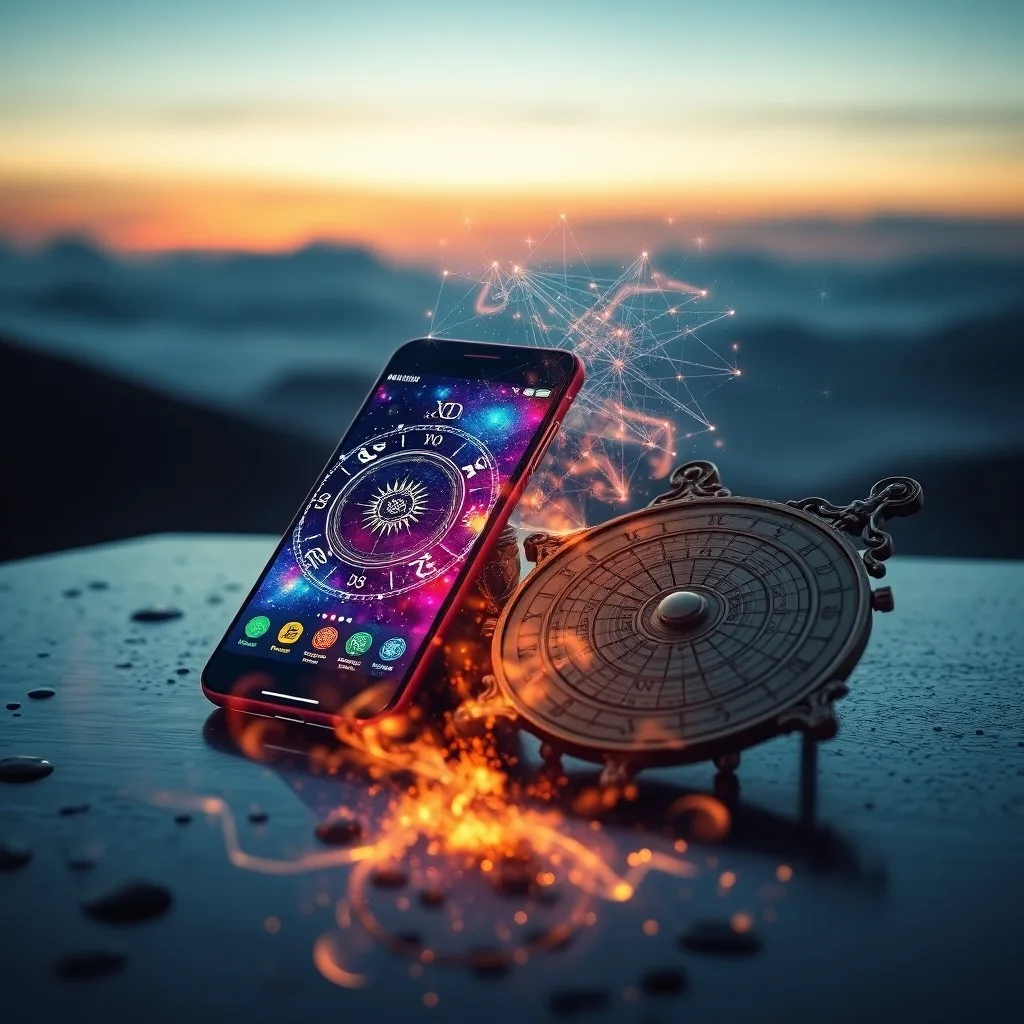
The fusion of technology and ancient wisdom, symbolizing the digital transformation of astrological practices.
1. The Digital Transformation of Astrology
The digital age has fundamentally reshaped how astrology is consumed and practiced. Historically, obtaining an accurate natal chart required complex manual calculations or the expertise of a seasoned astrologer. Today, a few taps on a smartphone can generate a detailed chart, complete with planetary positions, house placements, and aspect interpretations. This ease of access has sparked a resurgence of interest in astrology, particularly among younger generations who are digital natives.
The transformation extends beyond mere calculation. Digital platforms offer interactive learning experiences, personalized content streams, and global communities that connect enthusiasts and practitioners. This evolution has made astrology a dynamic field, constantly integrating new technologies to enhance its relevance and utility in contemporary life. The sheer volume of data now available also opens doors for statistical analysis and pattern recognition that were previously unimaginable.
2. Astrology Apps: Your Personal Cosmic Guide
Astrology apps have become indispensable tools for millions, offering a convenient and engaging way to interact with cosmic energies. These applications vary widely in their features, catering to different levels of interest and expertise. From simple daily horoscopes to in-depth natal chart analyses, they provide instant access to astrological information.

A classic astrolabe juxtaposed with a digital screen, illustrating the evolution of astrological tools.
Key features often include:
- Daily Horoscopes: Personalized forecasts based on your birth chart.
- Natal Chart Generation: Instant creation and interpretation of your unique cosmic blueprint.
- Compatibility Reports: Analysis of romantic, platonic, or professional relationships.
- Transits and Progressions: Real-time tracking of planetary movements and their influence.
- Educational Content: Articles, glossaries, and tutorials to deepen understanding.
Popular apps like Co-Star, The Pattern, and Sanctuary have garnered massive user bases by combining accurate data with engaging interfaces and social features. They often employ algorithms to deliver highly personalized insights, making astrology feel more relevant and applicable to individual lives. This personalization is a significant draw, moving beyond generic sun sign horoscopes to a more nuanced understanding of one's astrological profile.
3. Artificial Intelligence: Enhancing Astrological Insight
Artificial intelligence (AI) is beginning to play a transformative role in astrology, pushing the boundaries of what's possible in cosmic prediction and analysis. AI algorithms can process vast amounts of astrological data, identify complex patterns, and even generate personalized readings that mimic human astrologers.
AI's capabilities in astrology include:
- Data Analysis: Identifying correlations between planetary alignments and historical events or personality traits.
- Personalized Readings: Generating highly detailed and nuanced interpretations of natal charts and transits.
- Predictive Modeling: Developing more sophisticated models for forecasting trends and individual experiences.
- Natural Language Generation: Creating coherent and contextually relevant astrological reports.
While AI offers unprecedented opportunities for depth and personalization, it also raises questions about the role of intuition and human wisdom in astrology. The ethical implications of AI-driven predictions, particularly concerning sensitive life decisions, are a growing area of discussion. The challenge lies in leveraging AI's analytical power without losing the interpretive artistry that has long defined astrological practice. For more on how AI is shaping predictions, consider exploring Tarot Quantum Mechanics Intersecting Divination Reality.
4. Social Media's Role in Modern Astrology
Social media platforms have become vibrant hubs for astrological content and community building. Instagram, TikTok, Twitter, and YouTube are teeming with astrologers, enthusiasts, and content creators sharing insights, memes, and educational materials. This widespread presence has made astrology more relatable and digestible for a broad audience.

An abstract representation of AI's intricate neural networks intertwined with celestial elements, hinting at future predictive capabilities.
The impact of social media includes:
- Community Building: Connecting individuals with shared interests in astrology.
- Educational Content: Bite-sized explanations of complex astrological concepts.
- Trend Spotting: Rapid dissemination of astrological trends and current planetary influences.
- Astrologer Visibility: Providing a platform for astrologers to reach wider audiences and offer services.
However, social media also presents challenges, such as the proliferation of misinformation and the oversimplification of complex astrological principles. The emphasis on quick, engaging content can sometimes detract from the depth and nuance required for a comprehensive understanding of astrology. Despite this, its role in popularizing and making astrology accessible cannot be overstated.
5. Learning Astrology in the Digital Era
The digital age has revolutionized how individuals learn and study astrology. Gone are the days when access to astrological knowledge was limited to specialized schools or rare books. Today, a wealth of online courses, webinars, e-books, and digital archives makes learning astrology more accessible than ever before.
Online learning platforms offer structured curricula, often taught by experienced astrologers, catering to beginners and advanced students alike. These courses frequently include interactive elements, live Q&A sessions, and peer communities, fostering a rich learning environment. Furthermore, digital libraries provide access to historical texts and contemporary research, allowing for a deeper dive into the theoretical and philosophical underpinnings of astrology.
The convenience of learning at one's own pace and from anywhere in the world has significantly broadened the demographic of astrology students. This global reach also encourages cross-cultural exchange of astrological traditions, enriching the field as a whole. For those interested in the historical context of this ancient practice, exploring Tarot Quantum Mechanics Intersecting Divination Reality can provide valuable background.
6. Challenges and Ethical Considerations
Despite the numerous benefits, the digital age also presents significant challenges and ethical considerations for astrology. The ease of publishing content online means that misinformation can spread rapidly, leading to a diluted understanding of complex astrological principles. Oversimplification, often for the sake of viral content, can mislead individuals seeking genuine guidance.
Key challenges include:
- Misinformation: The spread of inaccurate or poorly researched astrological content.
- Oversimplification: Reducing complex concepts to bite-sized, often superficial, explanations.
- Privacy Concerns: The collection and use of personal birth data by apps and platforms.
- Loss of Nuance: The potential for algorithms to miss the subtle, intuitive layers of astrological interpretation.
Moreover, the commercialization of astrology in the digital sphere raises questions about authenticity and exploitation. Users must navigate a landscape filled with both reputable practitioners and those offering superficial or misleading services. Ensuring data privacy and promoting responsible consumption of astrological content are paramount for maintaining the integrity of the practice.
7. The Future of Digital Astrology
The trajectory of astrology in the digital age points towards even greater integration with emerging technologies. We can anticipate more sophisticated AI models capable of not just interpreting charts but also engaging in dynamic, conversational astrological counseling. Virtual reality (VR) and augmented reality (AR) could offer immersive experiences, allowing users to visualize planetary movements and their energetic influences in a three-dimensional space.
The future may also see astrology deeply embedded within wellness and personal development ecosystems, offering real-time guidance based on current transits and individual needs. Blockchain technology could even be used to verify the authenticity of astrological data and readings, adding a layer of trust and transparency. The role of human astrologers will likely evolve, shifting from manual calculation to expert interpretation, ethical guidance, and the development of advanced algorithms. This blending of human intuition with technological precision promises a rich and evolving future for cosmic insights.
The digital age has undeniably transformed astrology, making it more accessible, personalized, and interactive. While it brings challenges related to misinformation and ethical use, the opportunities for deeper understanding, broader reach, and innovative applications are immense. As technology continues to advance, astrology will likely continue to adapt, offering new ways for humanity to connect with the cosmos and understand its profound influence on our lives.
Fuente: Contenido híbrido asistido por IAs y supervisión editorial humana.


Comments
Post a Comment