
Runes Divination: Ancient Wisdom for Modern Guidance | StarPluto
In an increasingly complex world, many seek ancient wisdom to navigate modern challenges. Rune divination, a practice rooted in the spiritual traditions of Germanic peoples, offers a profound pathway to self-discovery and guidance. These enigmatic symbols, more than just an alphabet, are keys to understanding the hidden currents of life, offering insights into personal growth, relationships, and destiny.
Far from being mere fortune-telling, working with runes encourages introspection and empowers individuals to make informed decisions. This comprehensive guide delves into the rich history, symbolic meanings, and practical applications of runes, providing a foundational understanding for anyone interested in harnessing their ancient power for contemporary living.
The Mystical Origins of Runes
The word "rune" itself means "secret" or "mystery," reflecting the profound spiritual significance these symbols held for ancient Germanic tribes. Originating around the 1st century CE, runes served as an alphabet for writing, but their primary function extended far beyond mere communication. They were believed to be imbued with divine power, used for magic, protection, and, most notably, divination.
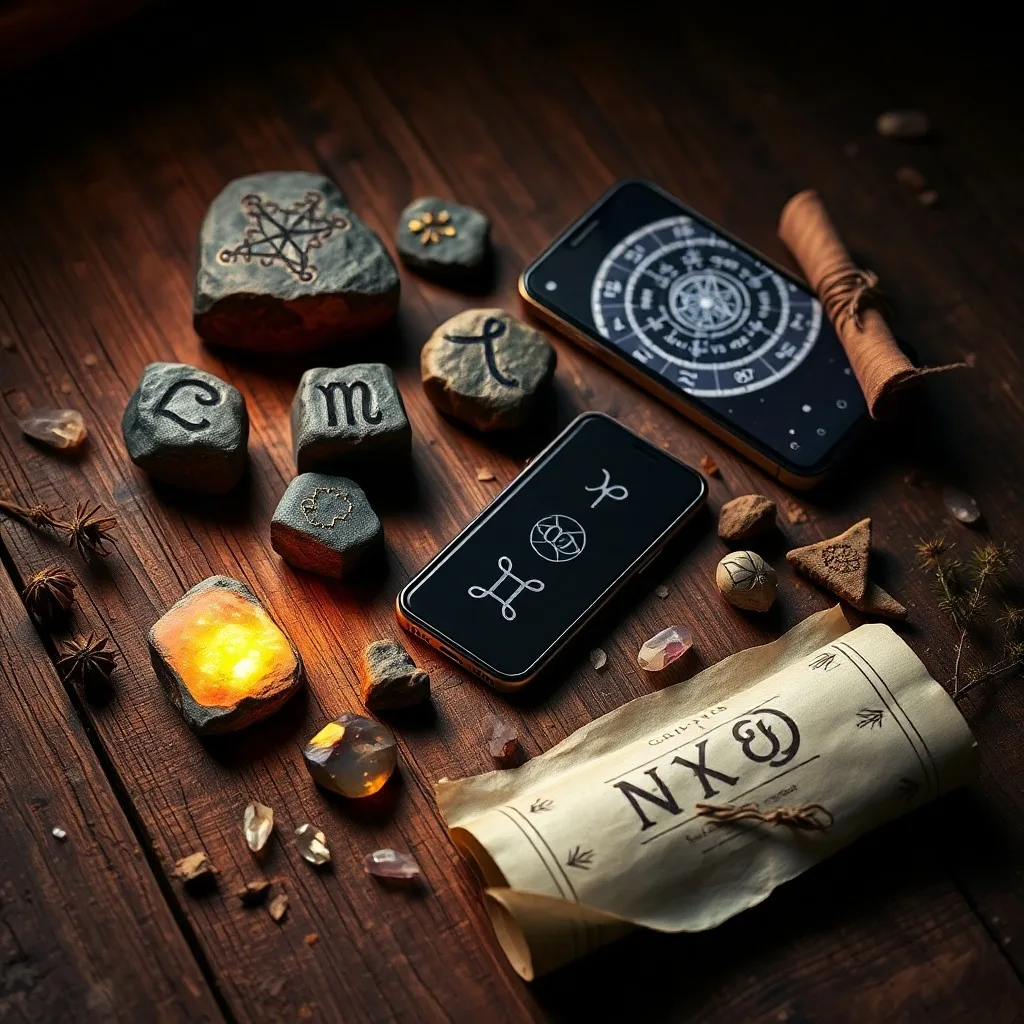
Ancient runic stones on a table, symbolizing the deep historical roots and mystical nature of rune divination.
The most widely recognized runic alphabet is the Elder Futhark, consisting of 24 symbols. Each rune possesses a name, a phonetic sound, and a rich layer of symbolic meaning derived from Norse cosmology, mythology, and the natural world. Legend has it that the god Odin himself discovered the runes after hanging upside down from the world tree Yggdrasil for nine days and nights, sacrificing an eye for cosmic wisdom.
Over centuries, as Germanic societies evolved, the Elder Futhark gave way to variations like the Younger Futhark, which had fewer symbols but remained central to cultural and spiritual life. Despite their decline with the spread of Christianity, runes experienced a resurgence in modern times, particularly in the 20th century, as people rediscovered their potential as tools for spiritual exploration and personal guidance.
Understanding the Elder Futhark: Key Runes and Their Meanings
The Elder Futhark is divided into three groups of eight runes, known as "aetts." Each aett is associated with a specific Norse deity or concept, further enriching the layers of interpretation. Understanding the individual meanings of these 24 runes is crucial for effective divination.
Here is a brief overview of some key runes and their general interpretations:
- Fehu (ᚠ): Cattle, wealth, abundance, financial strength, new beginnings. It signifies prosperity and material gain, but also the responsibility that comes with it.
- Uruz (ᚢ): Wild ox, strength, untamed potential, primal force, good health. Represents raw power, endurance, and the ability to overcome challenges.
- Thurisaz (ᚦ): Thorn, giant, destructive force, protection, conflict. Can indicate a warning, a need for defense, or a sudden change.
- Ansuz (ᚨ): Odin, divine breath, communication, inspiration, wisdom. Associated with messages, insights, and spiritual guidance.
- Raidho (ᚱ): Ride, journey, travel, progress, rhythm. Symbolizes movement, evolution, and the path one is on.
- Kenaz (ᚲ): Torch, illumination, knowledge, creativity, insight. Represents enlightenment, inspiration, and the ability to create.
- Gebo (ᚷ): Gift, partnership, generosity, balance, exchange. Signifies relationships, mutual giving, and the sacred bond between individuals.
- Wunjo (ᚹ): Joy, happiness, harmony, fellowship, success. A positive rune indicating contentment and favorable outcomes.
- Hagalaz (ᚺ): Hail, disruption, crisis, uncontrolled forces, transformation. Often a warning of unexpected events or a necessary upheaval.
- Nauthiz (ᚾ): Need, necessity, constraint, resistance, patience. Highlights areas of want or restriction, urging resilience and self-reliance.
- Isa (ᛁ): Ice, standstill, delay, challenge, self-preservation. Suggests a pause, a period of reflection, or obstacles that require patience.
- Jera (ᛃ): Year, harvest, cycles, reward, fruition. Represents the culmination of efforts, natural progression, and positive results over time.
Each rune can also have a reversed or "merkstave" meaning, which often indicates a challenge, a blocked energy, or the opposite of its upright interpretation. For example, a reversed Fehu might suggest loss or financial instability, while a reversed Ansuz could point to miscommunication or deception. Learning these nuances enriches the depth of any reading.
A mystical book illuminated by a glowing rune, symbolizing ancient knowledge and magical discovery.
The Art of Runic Divination: Casting Methods
Runic divination involves casting or drawing runes to gain insight into a situation or question. There are various methods, each with its own advantages, but the core principle remains the same: allowing the runes to fall or be chosen in a way that reflects the energies at play. The most common methods include:
- The Bag Method: This is perhaps the most traditional approach. All 24 (or 25, if including the blank rune) runes are placed in a pouch. The diviner then reaches in and draws a specific number of runes, depending on the spread chosen.
- The Casting Cloth: Some practitioners prefer to cast all their runes onto a designated cloth. The runes that land face up, or those within a specific area of the cloth, are then chosen for interpretation. This method can sometimes reveal patterns or clusters of runes that add to the reading's depth.
- The Random Draw: For a quick insight, one might simply close their eyes, focus on a question, and draw a single rune from the bag. This method is excellent for daily guidance or immediate clarification.
Regardless of the method, the act of drawing or casting should be approached with reverence and a clear mind. The physical interaction with the runes helps to establish a connection between the diviner and the symbols, enhancing the intuitive flow of information. It's not about randomness, but about aligning with the subtle energies that guide the selection.
Preparing for a Runic Reading: Setting Intentions
Before embarking on a rune reading, proper preparation is key to ensuring clarity and accuracy. This involves creating a sacred space, clearing your mind, and formulating a clear intention or question. The more focused your energy, the more precise the guidance you will receive.
- Create a Sacred Space: This doesn't require an elaborate altar, but rather a quiet, clean area where you feel comfortable and undisturbed. You might light a candle, burn incense, or play calming music to set the mood. The goal is to create an environment conducive to spiritual focus.
- Clear Your Mind: Before handling the runes, take a few deep breaths to center yourself. Let go of distractions and worries. Some practitioners find meditation or a short prayer helpful in achieving a state of mental clarity and openness.
- Formulate Your Question: This is perhaps the most critical step. Avoid vague or yes/no questions. Instead, aim for open-ended questions that invite guidance and insight. For example, instead of "Will I get the job?", ask "What steps can I take to improve my chances of getting the job?" or "What challenges might I face in this new career path?"
- Handle Your Runes with Respect: Treat your runes as sacred objects. Avoid letting others handle them excessively, and store them in a protective pouch or box when not in use. This maintains their energetic integrity and personal connection to you.
By consciously preparing for your reading, you honor the ancient tradition of rune divination and open yourself to receiving profound wisdom. This ritualistic approach transforms the act of drawing runes from a casual inquiry into a meaningful spiritual practice.
Common Runic Spreads for Insight
Different runic spreads allow for varying levels of detail and complexity in a reading. Choosing the right spread depends on the nature of your question and the depth of insight you seek. Here are some of the most common and effective rune spreads:
| Spread Name | Number of Runes | Purpose/Interpretation |
|---|---|---|
| Single Rune Draw | 1 | Ideal for quick daily guidance, a yes/no answer (interpreting the rune's energy as positive/negative), or a general theme for the day. It offers immediate, concise insight. |
| Three-Rune Spread (Past, Present, Future) | 3 | A foundational spread for understanding a situation's evolution.
|
| The Norn's Spread | 3 | Similar to the three-rune spread but with a focus on destiny and choice, named after the Norse goddesses of fate (Norns).
|
| The Five-Rune Cross | 5 | Offers a more detailed view of a situation, providing context and potential solutions.
|
Experimenting with different spreads will help you discover which ones resonate most with your personal style and provide the clearest insights for your specific needs. Remember, the spread is merely a framework; your intuition and understanding of the runes bring it to life.
A large runic stone in a misty forest, evoking a sense of ancient wisdom and natural spirituality.
Interpreting Runes: Beyond Literal Meanings
Interpreting runes is both an art and a science, requiring a blend of knowledge, intuition, and contextual understanding. While each rune has a core meaning, its significance can shift dramatically depending on its position in a spread, its relationship to surrounding runes, and the specific question being asked.
Here are key aspects to consider during interpretation:
- Upright vs. Reversed (Merkstave): Many runes have an inverted meaning when they appear upside down. This often signifies challenges, blockages, or the opposite of the upright meaning. Some runes, like Gebo, do not have a reversed meaning due to their symmetrical nature.
- Context is King: Always interpret runes within the context of your question. A rune like Nauthiz (need) might mean financial hardship if you asked about money, but a need for patience if you asked about a relationship.
- Neighboring Runes: Runes rarely stand alone. Their meanings are often influenced by the runes next to them. Look for themes, contrasts, or reinforcing messages between adjacent symbols. For instance, Fehu (wealth) next to Wunjo (joy) might indicate happiness derived from prosperity.
- Intuition and Personal Connection: While studying traditional meanings is important, your personal intuition is paramount. Allow the imagery and feeling of each rune to speak to you. What is your gut reaction? What thoughts or memories does it evoke? This personal connection deepens the reading.
- The Blank Rune (Wyrd): Some rune sets include a blank rune, often called Wyrd (fate). Its appearance can signify the unknown, destiny unfolding, or a situation where the outcome is not yet determined and requires faith.
Keep a rune journal to record your readings, your questions, the runes drawn, and your interpretations. Over time, you'll develop a deeper understanding of how the runes communicate with you and discover your own unique insights. This practice refines your interpretive skills and strengthens your bond with these ancient tools.
Runes for Self-Discovery and Modern Life
In contemporary society, runes are not primarily used for predicting the future in a deterministic sense, but rather as powerful tools for self-discovery, personal development, and navigating life's complexities. They act as mirrors, reflecting our inner landscape and providing guidance on our journey.
Here's how runes can be applied to modern life:
- Clarifying Decisions: When faced with a difficult choice, a rune reading can illuminate the underlying energies, potential consequences, and personal strengths relevant to the situation, helping you make a more informed decision.
- Understanding Challenges: Instead of seeing obstacles as purely negative, runes can help you understand the lessons they present. A challenging rune like Nauthiz might encourage patience and resilience, rather than simply predicting hardship.
- Personal Growth: Regularly drawing a "rune of the day" or a "rune of the week" can provide a theme for introspection and focus. This practice encourages mindfulness and helps you align with specific energies for personal development.
- Creative Inspiration: Runes like Kenaz (torch, creativity) or Ansuz (inspiration) can be drawn to spark new ideas for artistic projects, problem-solving, or innovative thinking in your career.
- Relationship Insights: A spread focusing on relationships can reveal dynamics, areas for improvement, or hidden potentials, fostering deeper understanding and stronger bonds.
- Spiritual Connection: For many, working with runes is a way to connect with ancient spiritual traditions, the wisdom of their ancestors, and a deeper sense of purpose in the universe.
By engaging with runes, you're not passively receiving a prediction but actively participating in a dialogue with your subconscious and the collective unconscious. They offer a framework for understanding the forces at play in your life, empowering you to shape your destiny with greater awareness and intention. This makes them invaluable tools for anyone seeking meaningful guidance in today's fast-paced world.
Ethical Practice in Runic Divination
As with any form of divination, practicing rune reading comes with ethical responsibilities, whether you are reading for yourself or for others. Respect, integrity, and a commitment to personal growth are paramount to maintaining the sacredness and effectiveness of the practice.
- Respect for the Runes: Treat your runes as sacred. Avoid using them for trivial matters or as a substitute for personal responsibility. They are tools for insight, not magic wands to avoid effort.
- Honesty and Integrity: When interpreting, be honest about what the runes are telling you, even if it's not what you or the querent wants to hear. Avoid sugarcoating difficult messages, but deliver them with compassion and constructive advice.
- Empowerment, Not Dependence: The goal of rune divination is to empower individuals to make their own choices, not to foster dependence on the runes or the reader. Emphasize that the future is not fixed and that personal action plays a crucial role.
- Confidentiality: If reading for others, always maintain strict confidentiality regarding their questions and the insights gained. Trust is fundamental in such sensitive interactions.
- Avoid Predicting Death or Illness: It is generally considered unethical and unhelpful to predict specific negative events like death or serious illness. Runes offer guidance, not definitive pronouncements on such sensitive matters. For health concerns, always advise seeking professional medical help.
- Self-Care: Divination can be energetically demanding. Ensure you protect your own energy and cleanse your space and runes regularly. Take breaks when needed and don't over-read.
By adhering to these ethical guidelines, you ensure that your practice of rune divination remains a positive, enriching, and responsible endeavor, honoring both the ancient wisdom of the runes and the well-being of those who seek their guidance. This mindful approach elevates the practice beyond mere superstition to a genuine path of spiritual insight.
The journey into rune divination is one of continuous learning and deep personal connection. Each rune holds a universe of meaning, waiting to be explored and integrated into your life. Embrace the mystery, trust your intuition, and allow these ancient symbols to illuminate your path towards greater self-awareness and informed decision-making.
Fuente: Contenido híbrido asistido por IAs y supervisión editorial humana.


Comments
Post a Comment