
Rabbit Chinese Zodiac: Elemental Traits Explained | StarPluto
The Rabbit, or Hare, holds a cherished place in the Chinese Zodiac, symbolizing peace, longevity, and prosperity. Individuals born under this sign are often perceived as gentle, elegant, and compassionate. However, the complexity of their personality deepens significantly when considering the influence of the Five Elements: Wood, Fire, Earth, Metal, and Water. Each element imbues the Rabbit with distinct characteristics, shaping their approach to life, relationships, and challenges.
Understanding these elemental traits provides a richer insight into the nuances of the Rabbit personality, moving beyond the general stereotypes to reveal a spectrum of behaviors and motivations. This comprehensive guide will explore how each element — Wood, Fire, Earth, Metal, and Water — molds the inherent qualities of the Rabbit, offering a more personalized astrological profile.
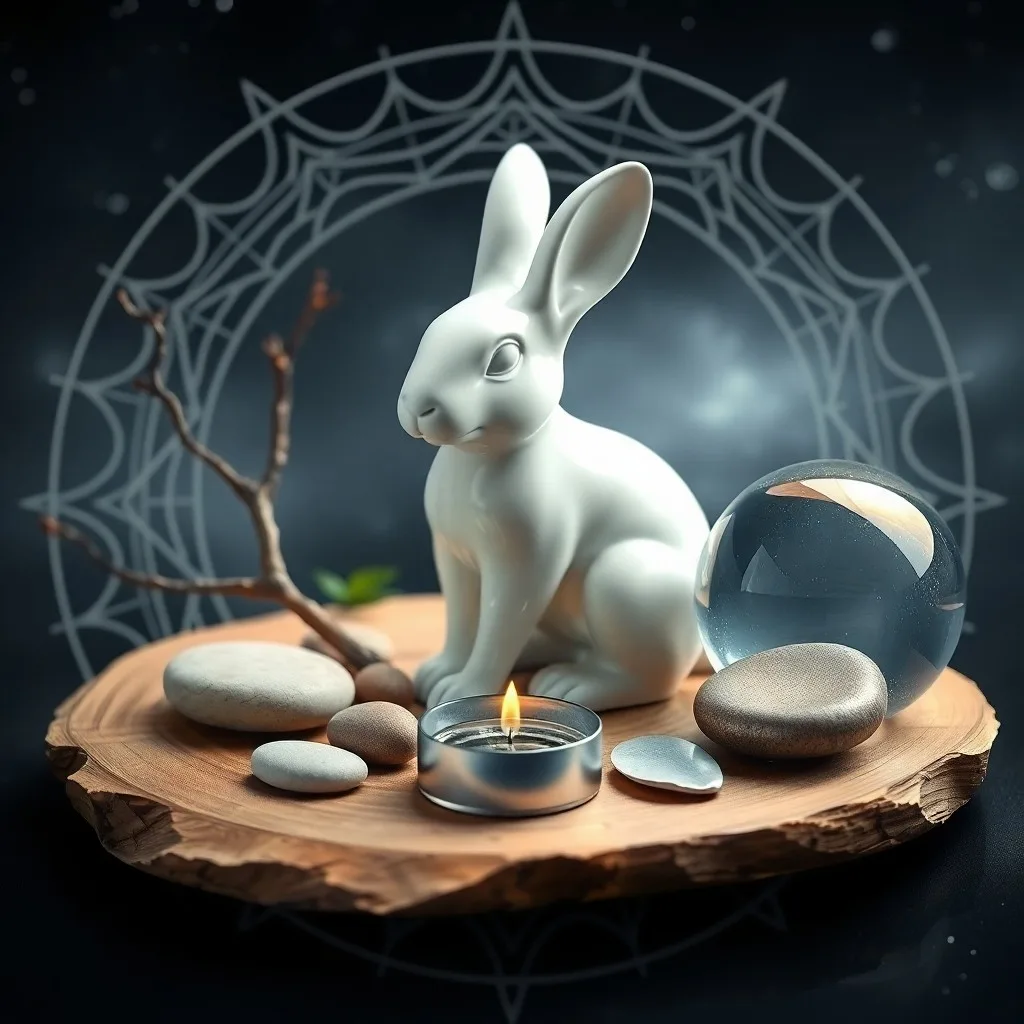
The serene Tarot Quantum Mechanics Intersecting Divination Reality, harmonizing with the dynamic energies of the Five Elements.
Table of Contents
- Introduction to the Rabbit Zodiac
- The Five Elements in Chinese Astrology
- Wood Rabbit (1915, 1975, 2035)
- Fire Rabbit (1927, 1987, 2047)
- Earth Rabbit (1939, 1999, 2059)
- Metal Rabbit (1951, 2011, 2071)
- Water Rabbit (1903, 1963, 2023)
- Conclusion: The Diverse Rabbit
- FAQ: Frequently Asked Questions
Introduction to the Rabbit Zodiac
The Rabbit is the fourth sign in the 12-year cycle of the Chinese Zodiac, following the Tiger and preceding the Dragon. Legend has it that the Jade Emperor organized a great race to determine the order of the zodiac animals. The Rabbit, known for its gentle nature and quick wit, managed to cross the river by hopping on stones and a floating log, securing its place in the celestial calendar. This narrative underscores the Rabbit's intelligence and ability to navigate challenges with grace rather than brute force.
Those born in the Year of the Rabbit are generally characterized by their kindness, sensitivity, and artistic inclinations. They possess a keen aesthetic sense and often gravitate towards careers in arts, diplomacy, or humanitarian fields. Rabbits value harmony and peace above all else, often avoiding conflict and seeking tranquil environments. Their polite demeanor and good manners make them well-liked, and they are often surrounded by a supportive network of friends and family.
However, beneath their calm exterior, Rabbits can be quite complex. They may be prone to indecisiveness, preferring to observe rather than act impulsively. Their desire for comfort and security can sometimes lead to a reluctance to take risks or step outside their comfort zones. While their empathy is a strength, it can also make them susceptible to emotional vulnerability. The elemental influence further refines these core traits, adding layers of depth and variety to the Rabbit's personality.
The Five Elements in Chinese Astrology
In Chinese astrology, the Five Elements (Wu Xing) – Wood, Fire, Earth, Metal, and Water – are fundamental forces that interact and influence everything in the universe, including human personalities. Each element is associated with specific qualities, directions, seasons, and even colors, and they cycle through a generative and destructive relationship. When combined with the twelve zodiac animal signs, these elements create a 60-year cycle, ensuring that each animal sign is influenced by a different element every 12 years.
The elemental influence adds a unique flavor to each zodiac sign, modifying its inherent characteristics. For instance, a Fire Rabbit will exhibit different tendencies than a Water Rabbit, even though both share the core Rabbit traits. This elemental layering provides a more nuanced and accurate understanding of an individual's astrological profile. It helps explain why people born under the same zodiac animal sign can have vastly different personalities and life paths.
The Five Elements are not merely static categories but dynamic forces that interact in a continuous cycle of creation and destruction, influencing individual destinies and the flow of cosmic energy.
This ancient philosophical concept underpins much of traditional Chinese thought, from medicine and martial arts to astrology and feng shui.
Wood Rabbit (1915, 1975, 2035)
The Wood element is associated with growth, flexibility, and creativity. When combined with the Rabbit's gentle nature, the Wood Rabbit emerges as an exceptionally kind, understanding, and generous individual. They are often the most diplomatic and adaptable of all the elemental Rabbits, possessing a natural ability to mediate conflicts and foster harmony in their environment. Their compassionate spirit makes them popular and well-loved by many.
Wood Rabbits are highly creative and possess a strong aesthetic sense. They enjoy beauty in all its forms and often excel in artistic pursuits, design, or any field that allows for imaginative expression. They are also very sociable, valuing their friendships and family ties deeply. They tend to be more outgoing and less reserved than other Rabbits, always willing to lend a helping hand or offer a comforting word. Their expansive nature encourages them to explore new ideas and connect with diverse groups of people.
Despite their many strengths, Wood Rabbits can sometimes be overly idealistic or naive, making them susceptible to manipulation. Their desire to please everyone can lead to indecisiveness and a tendency to avoid confrontation, even when necessary. They may struggle with setting firm boundaries, and their generosity can sometimes be exploited. Learning to assert themselves and protect their own interests is a key developmental challenge for the Wood Rabbit.

Exploring the ancient wisdom of the Tarot Quantum Mechanics Intersecting Divination Reality through symbolic artifacts.
Fire Rabbit (1927, 1987, 2047)
The Fire element brings passion, dynamism, and a strong sense of leadership. For the Fire Rabbit, this translates into a more assertive and energetic personality compared to their elemental counterparts. While still possessing the inherent gentleness of the Rabbit, they are more courageous, enthusiastic, and confident. They are not afraid to express their opinions and can be quite persuasive, often inspiring others with their warmth and charisma.
Fire Rabbits are natural leaders, though they prefer to lead with diplomacy and charm rather than authoritarianism. They are ambitious and driven, often pursuing their goals with considerable zeal. Their creativity is infused with a spark of innovation, making them pioneers in their chosen fields. They enjoy being in the spotlight and thrive in environments where their talents are recognized and appreciated. Their optimism and vivacity make them engaging companions and influential figures.
However, the fiery influence can also make them impatient or prone to emotional outbursts when frustrated. Their desire for recognition can sometimes lead to vanity or a need for constant validation. They may also be impulsive, making hasty decisions without fully considering the consequences. Balancing their inherent desire for peace with their fiery ambition is a lifelong lesson for the Fire Rabbit, ensuring their passion serves constructive rather than destructive ends.
Earth Rabbit (1939, 1999, 2059)
The Earth element is associated with stability, practicality, and reliability. The Earth Rabbit embodies these qualities, making them the most grounded and responsible of all the elemental Rabbits. They are known for their strong work ethic, meticulous attention to detail, and unwavering commitment to their duties. They approach life with a pragmatic mindset, valuing security and tangible results over fleeting whims or abstract ideals.
Earth Rabbits are excellent planners and organizers. They are methodical in their approach, preferring to build a solid foundation before embarking on any venture. Their reliability makes them trustworthy friends and colleagues, and they are often sought after for their sound advice and steady judgment. They are deeply devoted to their families and communities, finding great satisfaction in creating a stable and nurturing environment for those they care about. Their quiet determination often leads to long-term success.
On the flip side, Earth Rabbits can sometimes be overly cautious or resistant to change. Their practicality can border on materialism, and they may struggle to embrace new ideas or unconventional approaches. They can also be quite stubborn, adhering rigidly to their beliefs once formed. Overcoming their tendency towards conservatism and learning to adapt to new circumstances are crucial for the Earth Rabbit's personal growth, allowing them to leverage their stability without becoming stagnant.

The tranquil beauty of a Advanced Planetary Dignities Beyond Rulerships Synastry Electional Astrology, reflecting the peaceful essence of the Rabbit.
Metal Rabbit (1951, 2011, 2071)
The Metal element signifies strength, determination, and resilience. The Metal Rabbit, therefore, possesses a tougher exterior and a more resolute will than other Rabbits. While still valuing peace and harmony, they are more ambitious, disciplined, and focused on achieving their goals. They have a strong sense of justice and integrity, often standing firm in their convictions and defending what they believe is right.
Metal Rabbits are highly organized and efficient, with a meticulous approach to their work. They are often successful in business or professions that require precision and analytical thinking. Their refined taste extends to all aspects of their lives, from their personal appearance to their living spaces. They are independent and self-reliant, preferring to rely on their own capabilities rather than seeking external validation. Their calm and composed demeanor often masks a strong inner resolve.
However, the Metal influence can also make them somewhat rigid or inflexible. They may struggle with emotional expression, appearing aloof or detached to others. Their high standards can lead to self-criticism or a tendency to be overly critical of those around them. Learning to embrace vulnerability and cultivate emotional warmth is essential for the Metal Rabbit, allowing them to connect more deeply with others and soften their sometimes unyielding nature.
Water Rabbit (1903, 1963, 2023)
The Water element is associated with intuition, adaptability, and emotional depth. The Water Rabbit is arguably the most sensitive and empathetic of all the elemental Rabbits. They possess a profound understanding of human emotions and are highly intuitive, often sensing the moods and feelings of others without words. Their adaptable nature allows them to flow with life's changes, making them resilient in the face of adversity.
Water Rabbits are excellent communicators, capable of expressing themselves with grace and clarity. They are often drawn to fields that involve counseling, healing, or creative writing, where their emotional intelligence can shine. They are deeply compassionate and nurturing, always willing to offer support and comfort to those in need. Their gentle persuasion and ability to connect on an emotional level make them highly influential, often achieving their goals through subtle means rather than direct confrontation.
The heightened sensitivity of the Water Rabbit can also be a vulnerability. They may be prone to mood swings or easily overwhelmed by negative emotions from their environment. Their desire to avoid conflict can lead to evasiveness or a tendency to suppress their own needs. Learning to protect their emotional boundaries and channel their empathy constructively is vital for the Water Rabbit, ensuring they don't become drained by the emotional currents around them.
In summary, the elemental influences profoundly shape the Rabbit's core traits, creating a diverse array of personalities within this gentle zodiac sign. While all Rabbits share a love for peace, beauty, and harmony, their elemental affiliations dictate how they express these qualities and navigate the complexities of life. From the adaptable Wood Rabbit to the intuitive Water Rabbit, each brings unique strengths and challenges to the world.
Understanding your elemental Rabbit can offer valuable insights into your own personality, helping you to harness your strengths and address your weaknesses. It also provides a deeper appreciation for the rich tapestry of human nature, as illuminated by the ancient wisdom of Chinese astrology. Whether you are a Fire Rabbit or an Earth Rabbit, embracing your elemental traits can lead to a more fulfilling and harmonious existence.
Conclusion: The Diverse Rabbit
The Rabbit, a symbol of grace and tranquility in the Chinese Zodiac, is far from a monolithic entity. The interplay of the Five Elements—Wood, Fire, Earth, Metal, and Water—sculpts its fundamental characteristics into distinct and fascinating profiles. Each elemental Rabbit, while sharing the core virtues of kindness, diplomacy, and a love for beauty, expresses these traits through a unique lens, influenced by the element governing their birth year. This elemental diversification highlights the depth and sophistication of Chinese astrological thought, moving beyond simplistic categorizations to offer a truly personalized understanding of an individual's inherent nature.
From the sociable and creative Wood Rabbit to the passionate and assertive Fire Rabbit, the grounded and reliable Earth Rabbit, the disciplined and resolute Metal Rabbit, and the deeply intuitive Water Rabbit, each variant presents a rich tapestry of strengths and potential challenges. Recognizing these elemental nuances is not merely an academic exercise; it serves as a powerful tool for self-awareness and interpersonal understanding. It allows individuals to leverage their innate talents, mitigate their vulnerabilities, and foster more harmonious relationships by appreciating the diverse expressions of the Rabbit spirit.
Ultimately, the elemental traits of the Rabbit underscore a universal truth: while we may share common archetypes, our individual paths are shaped by a confluence of influences. Chinese astrology, through its intricate system of zodiac animals and elements, provides a profound framework for exploring these deeper layers of personality, inviting us to embrace the full spectrum of our unique selves and the rich diversity of those around us. This ancient wisdom continues to offer relevant insights into navigating the modern world with grace, empathy, and a deeper connection to our elemental essence.
FAQ: Frequently Asked Questions
- What are the birth years for each elemental Rabbit?
The birth years for the elemental Rabbits are: Wood Rabbit (1915, 1975, 2035), Fire Rabbit (1927, 1987, 2047), Earth Rabbit (1939, 1999, 2059), Metal Rabbit (1951, 2011, 2071), and Water Rabbit (1903, 1963, 2023). These cycles repeat every 60 years.
- How does the elemental influence affect a Rabbit's career?
The elemental influence significantly shapes a Rabbit's career path. For instance, Wood Rabbits excel in creative or diplomatic roles, Fire Rabbits thrive in leadership or innovative fields, Earth Rabbits are suited for stable, methodical professions, Metal Rabbits succeed in analytical or precise work, and Water Rabbits are drawn to healing, counseling, or communication-based careers.
- Are elemental Rabbits compatible with other zodiac signs differently?
Yes, while the general compatibility of the Rabbit sign remains, the elemental influence can add layers of complexity. For example, a Fire Rabbit might find more dynamic compatibility with a fiery sign, while a Water Rabbit might seek deeper emotional connection. Elemental interactions (generative or destructive cycles) also play a role in refining compatibility analyses.
- Can a Rabbit possess traits from multiple elements?
While one element dominates based on the birth year, individuals are complex and can exhibit traits from other elements, often influenced by their birth month, hour, or even Western astrological signs. Chinese astrology provides a foundational understanding, but personal growth and environmental factors also contribute to one's unique personality.
- What are the main challenges for each elemental Rabbit?
Wood Rabbits may struggle with assertiveness, Fire Rabbits with impatience, Earth Rabbits with rigidity, Metal Rabbits with emotional expression, and Water Rabbits with over-sensitivity. Recognizing these challenges allows for targeted personal development and growth.
Fuente: Contenido híbrido asistido por IAs y supervisión editorial humana.


Comments
Post a Comment