
Connecting with Ancestors: Rituals for Guidance and Healing | StarPluto
The concept of connecting with ancestors transcends mere genealogy; it delves into the profound spiritual and energetic bonds that tie us to those who came before us. Across countless cultures and throughout history, humanity has recognized the importance of honoring and communicating with ancestral spirits. This practice is not about worshipping the dead, but rather about acknowledging our roots, drawing strength from our lineage, and seeking guidance and healing from the collective wisdom of our forebears. In an increasingly disconnected world, rediscovering these ancient rituals can offer a powerful pathway to self-understanding, emotional well-being, and a deeper sense of belonging.
Ancestral connection is a journey that can provide profound insights into our present circumstances, helping us to understand inherited patterns, heal intergenerational traumas, and tap into a reservoir of support and love. It is a practice rooted in respect, intention, and a willingness to open ourselves to the subtle energies that permeate our existence. This comprehensive guide will explore the historical significance, practical rituals, and ethical considerations involved in forging a meaningful connection with your ancestors, offering a roadmap for both beginners and those looking to deepen their existing practices.
Table of Contents
- Historical and Cultural Significance
- Why Connect with Ancestors? Benefits of Ancestral Work
- Creating Sacred Space: The Ancestor Altar
- Rituals for Connection: Practical Approaches
- Ethical Considerations and Boundaries in Ancestral Work
- Integrating Ancestral Wisdom into Daily Life
- Conclusion: The Enduring Power of Ancestral Bonds
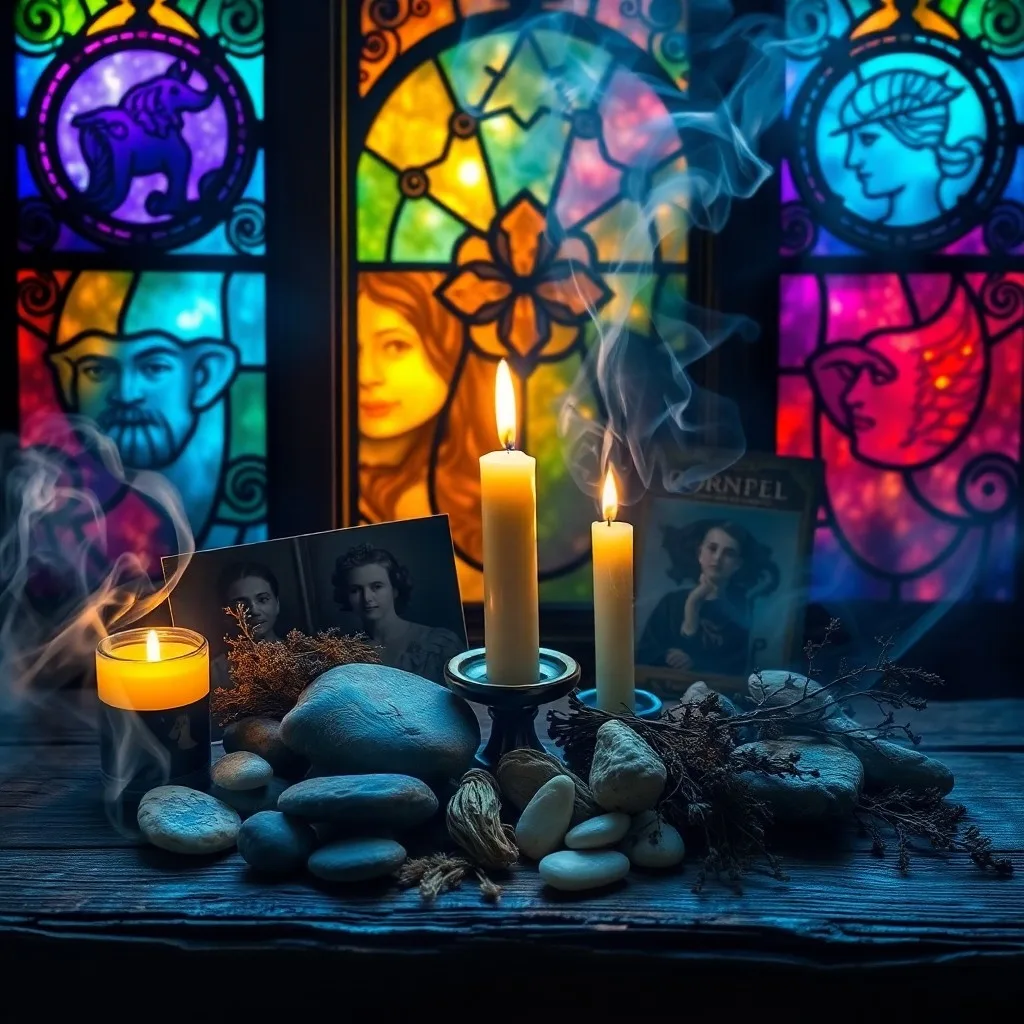
Visualizing the deep, mystical connection between present generations and their ancestral roots, a source of profound spiritual guidance.
Historical and Cultural Significance
Ancestor veneration is not a fringe practice but a cornerstone of human spirituality found in nearly every civilization throughout history. From the elaborate tombs of ancient Egypt to the simple family altars in modern homes, the impulse to honor and seek guidance from those who have passed is universal. These practices often serve to reinforce social structures, transmit cultural values, and provide a sense of continuity and identity across generations.
In many indigenous cultures, the ancestors are considered active participants in the lives of the living, offering wisdom, protection, and intercession. For instance, in African traditional religions, ancestors are revered as a "cloud of witnesses" and are regularly consulted for guidance on important matters. Similarly, in East Asian cultures like China and Japan, ancestor worship (Jìngzǔ or Sosen Sūhai) is a deeply ingrained practice, involving offerings, prayers, and rituals performed at family altars or ancestral temples to maintain harmony and ensure prosperity for the living descendants.
- Día de los Muertos (Mexico): A vibrant celebration where families welcome back the spirits of their deceased loved ones with altars, food, and festivities.
- Samhain (Celtic): The ancient Celtic festival, precursor to Halloween, marked a time when the veil between worlds thinned, allowing communication with ancestors.
- Native American Traditions: Many tribes hold ceremonies and rituals to honor their ancestors, seeking guidance and maintaining spiritual connection to their lineage and land.
- Ancient Rome: The Manes, or spirits of deceased ancestors, were revered and offered sacrifices to ensure the family's well-being.
These diverse traditions highlight a shared human understanding: that death does not sever all ties, and that the wisdom and influence of our ancestors can continue to shape our lives. Recognizing this rich history can help ground our personal practices in a broader, more profound context.
Why Connect with Ancestors? Benefits of Ancestral Work
Engaging in ancestral work offers a multitude of benefits that can profoundly impact one's life. Beyond the spiritual aspect, these practices can lead to significant personal growth, emotional healing, and a stronger sense of identity. Understanding these advantages can motivate and guide your journey into ancestral connection.
- Guidance and Wisdom: Ancestors, having lived through various challenges and triumphs, possess a wealth of experience. Connecting with them can provide clarity, insight, and direction during difficult times or when making important decisions. This guidance often comes through intuition, dreams, or symbolic messages.
- Healing Ancestral Trauma: Many psychological and emotional patterns, such as anxiety, depression, or self-sabotage, can be traced back to unresolved traumas in our family lineage. Through intentional ancestral healing work, individuals can break these cycles, releasing burdens that have been carried for generations.
- Sense of Belonging and Identity: Knowing your roots and connecting with your lineage fosters a deep sense of belonging. It helps answer fundamental questions about who you are and where you come from, strengthening your personal identity and self-worth.
- Increased Resilience and Strength: Drawing upon the resilience and strength of ancestors who overcame adversity can empower you to face your own challenges with greater courage and determination. You become aware of the vast support system that stands behind you.
- Spiritual Growth: Ancestral connection is a powerful spiritual practice that can deepen your understanding of life, death, and the interconnectedness of all beings. It expands your spiritual awareness and opens new pathways for personal evolution.
- Understanding Inherited Gifts: Just as traumas can be inherited, so too can talents, strengths, and unique abilities. Connecting with ancestors can help you identify and cultivate these inherited gifts, allowing you to fully embrace your potential.
These benefits underscore the transformative potential of ancestral work, making it a valuable practice for anyone seeking deeper meaning, healing, and empowerment in their lives. The journey begins with intention and respect, paving the way for profound revelations.
Creating Sacred Space: The Ancestor Altar
An ancestor altar serves as a focal point for your connection, a dedicated space where you can honor your lineage, offer prayers, and engage in rituals. It acts as a bridge between the physical and spiritual realms, making your intentions tangible. Creating such a space is a deeply personal and meaningful act.
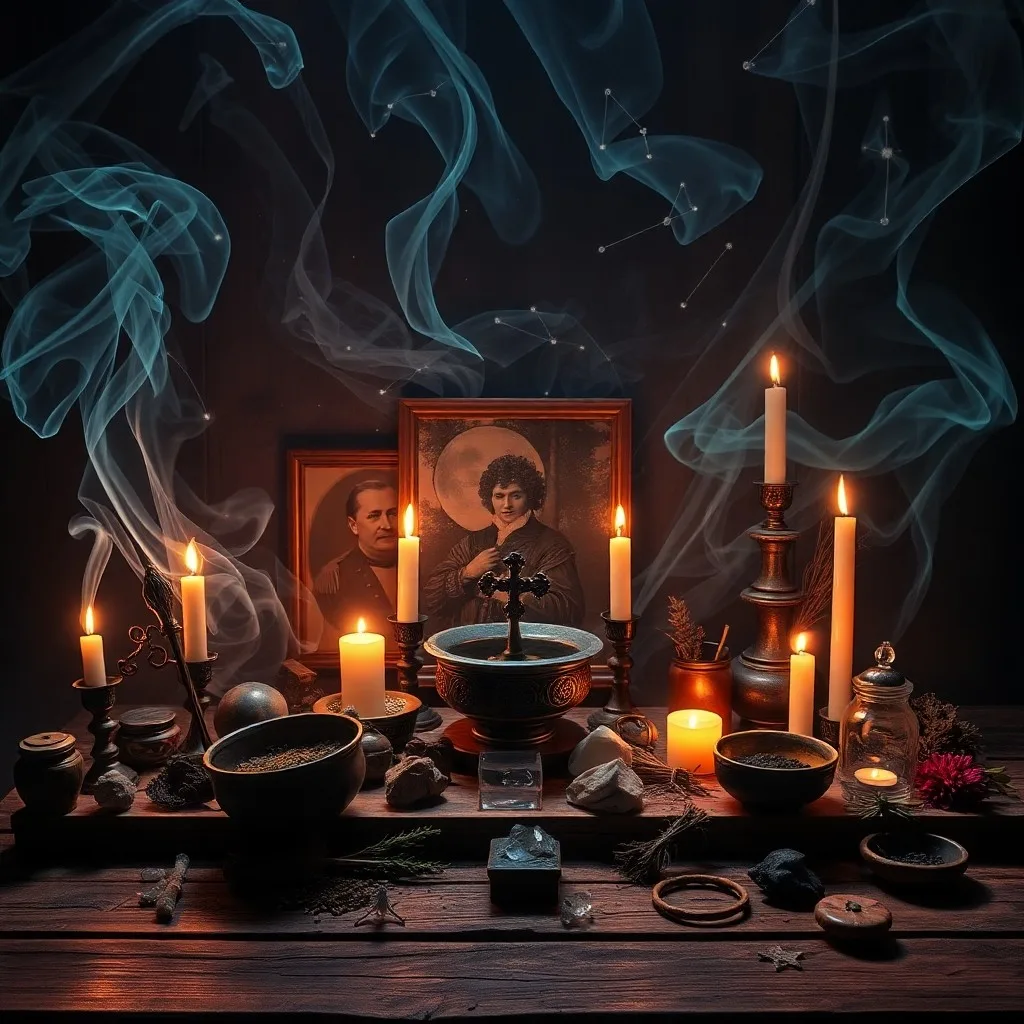
A symbolic representation of family history, with cherished heirlooms and a guiding light, inviting reflection and connection.
The first step is to choose a location in your home that feels peaceful and undisturbed. This could be a small table, a shelf, or even a designated corner. The altar does not need to be large or elaborate; its power lies in the intention you imbue it with. Once you have your space, consider what items you wish to place upon it.
- Photographs: Pictures of deceased family members are powerful anchors for connection. Include those you knew personally and, if possible, those from earlier generations.
- Heirlooms and Personal Items: Objects that belonged to your ancestors, such as jewelry, tools, books, or clothing, carry their energy and can deepen your connection. Even items that remind you of them can be placed.
- Offerings: Food and drink are common offerings. A glass of water is a universal offering, symbolizing purity and life. You might also offer their favorite foods, tobacco, or a special drink. Replace these regularly.
- Candles: A candle represents light, spirit, and remembrance. Lighting a candle can be a simple yet profound ritual to invite their presence. Choose colors that resonate with you or your ancestors.
- Incense or Herbs: Fragrances like frankincense, myrrh, sage, or cedar can cleanse the space and help elevate prayers and intentions. They create a sacred atmosphere.
- Natural Elements: Stones, crystals, flowers, or branches can represent the earth and add to the altar's aesthetic and energetic balance.
When setting up your altar, arrange the items in a way that feels meaningful to you. There is no single "right" way; the most important aspect is your heartfelt intention and respect. Regularly tending to your altar – cleaning it, refreshing offerings, and spending time there – reinforces your commitment to this sacred connection.
Rituals for Connection: Practical Approaches
Once your sacred space is established, you can begin to engage in various rituals designed to foster communication and connection with your ancestors. These practices can be adapted to suit your comfort level and spiritual beliefs, ranging from simple daily gestures to more elaborate ceremonies. Consistency and genuine intention are key to deepening these bonds.
- Meditation and Visualization:
Sit quietly before your altar or in a peaceful space. Close your eyes and focus on your breath. Visualize a golden cord connecting you to the earth, and then another cord extending upwards, connecting you to your ancestral line. Imagine your ancestors gathering around you, offering love and support. You can ask for guidance or simply sit in their presence. This practice can be enhanced by listening to calming music or ancestral chants.
- Dream Work:
Before sleep, set an intention to connect with your ancestors in your dreams. Ask them to visit you and provide guidance or healing. Keep a dream journal by your bedside to record any messages, symbols, or feelings you experience upon waking. Dreams are often a powerful conduit for ancestral communication.
- Journaling and Letter Writing:
Write letters to your ancestors, expressing your thoughts, feelings, gratitude, or questions. You don't need to mail them; the act of writing itself is a powerful form of communication. You can also journal about your experiences, insights, or any messages you feel you've received. This helps to process and solidify your connection.
- Offerings and Libations:
Regularly place offerings on your altar. This could be a fresh glass of water, a favorite food item, flowers, or a lit candle. Pouring a libation (a small amount of liquid, like water or a drink, poured onto the earth) is an ancient practice to honor ancestors and the earth. Remember to dispose of food offerings respectfully after a day or two.
- Prayer and Invocation:
Speak directly to your ancestors, either silently or aloud. You can use formal prayers or simply speak from the heart. Invite them to be present, ask for their blessings, protection, or guidance. Conclude your prayer with gratitude. For those interested in structured prayer, exploring resources on adoration and specific prayers can be beneficial.
- Family History Research:
Delving into your genealogy is a powerful way to connect with your ancestors on a tangible level. Learning their stories, where they lived, what they did, and the challenges they faced can bring them to life and deepen your appreciation for your lineage. Websites like Ancestry.com or local historical societies can be invaluable resources.
These rituals provide diverse avenues for engaging with your ancestral line. Experiment with different methods to discover what resonates most deeply with you, always approaching the practice with an open heart and a respectful attitude.
Ethical Considerations and Boundaries in Ancestral Work
While ancestral connection can be profoundly healing and empowering, it is essential to approach this work with ethical awareness and clear boundaries. Just as in any relationship, respect, consent, and discernment are paramount when interacting with the spiritual realm of your ancestors. Neglecting these aspects can lead to discomfort or unintended consequences.
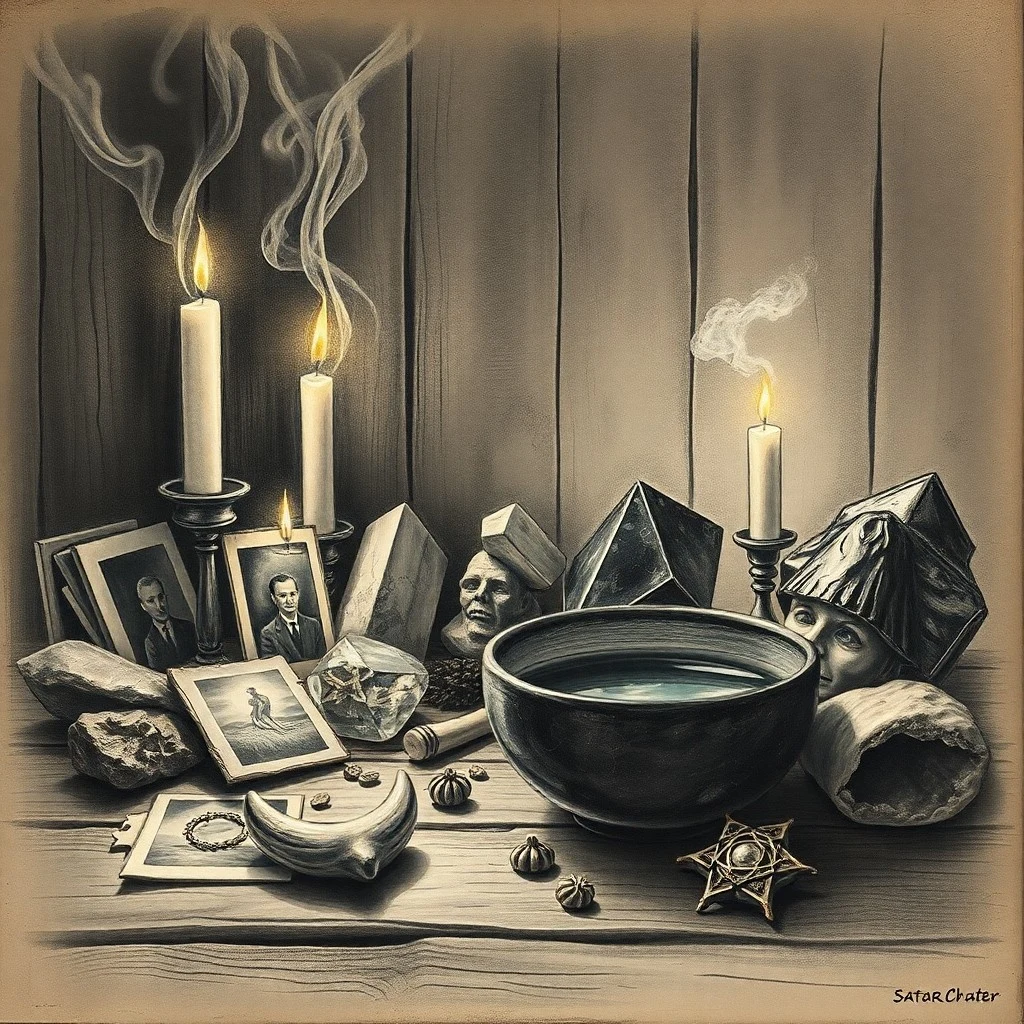
An artistic interpretation of a ritual offering, where iridescent smoke symbolizes the ethereal connection and communication with ancestral spirits.
- Respect and Reverence: Always approach your ancestors with deep respect and reverence. Avoid making demands or treating them as servants. Frame your requests as invitations or humble inquiries. Remember that they were once living individuals with their own complexities.
- Consent and Invitation: It's generally advisable to invite only your benevolent and well-meaning ancestors. If you have knowledge of ancestors who caused harm or were deeply troubled, you may choose to focus on healing their lineage without directly inviting their individual presence. You have the right to set boundaries.
- Discernment and Protection: Not all spirits are benevolent. When opening yourself to the spiritual realm, it's crucial to practice discernment. If you feel any negative or unsettling energy, politely ask it to leave. You can also invoke spiritual protection, such as calling on your spirit guides, angels, or higher power, before beginning any ritual.
- Healing Difficult Ancestors: Sometimes, ancestral work involves healing difficult or challenging aspects of your lineage. This doesn't mean condoning harmful actions, but rather acknowledging the pain, offering compassion, and working to break negative cycles. This often involves self-healing and setting clear intentions for release.
- Cultural Appropriation: Be mindful of cultural appropriation. If you are not part of a specific cultural tradition, avoid adopting its rituals without proper understanding, respect, and permission. Focus on developing practices that feel authentic to your own heritage or are universally applicable.
- Grounding and Cleansing: Always conclude your ancestral work with grounding practices (e.g., eating, walking in nature) and energetic cleansing (e.g., smudging, taking a salt bath) to ensure you are fully present and clear in your own energy field. This is particularly important for those who are sensitive to subtle energy fields.
By adhering to these ethical guidelines, you can ensure that your ancestral connection practices are safe, respectful, and ultimately beneficial for both you and your lineage. This mindful approach fosters a healthy and sustainable spiritual relationship.
Integrating Ancestral Wisdom into Daily Life
Connecting with ancestors is not just about performing rituals; it's about integrating their wisdom and presence into your everyday existence. This integration allows the benefits of ancestral work to permeate all aspects of your life, leading to sustained growth and well-being. The goal is to live in alignment with the strengths and lessons of your lineage.
One of the most practical ways to integrate ancestral wisdom is through conscious decision-making. Before making an important choice, take a moment to pause and ask yourself: "What would my wise ancestors advise?" This doesn't mean blindly following tradition, but rather tapping into an intuitive sense of what aligns with your deepest values and the well-being of your lineage. This practice can be particularly helpful when navigating complex family dynamics or career paths, drawing on the collective experience of those who paved the way.
Another powerful method is to embody the positive traits and strengths you identify in your ancestors. If an ancestor was known for their resilience, creativity, or compassion, consciously cultivate these qualities within yourself. This act of embodiment honors their legacy and strengthens your own character. You become a living testament to their enduring spirit, carrying forward the best aspects of your family line.
Consider creating a "legacy project" inspired by your ancestors. This could involve documenting family stories, preserving traditions, or pursuing a passion that one of your ancestors held. For example, if an ancestor was a skilled artisan, you might take up a craft. If another was a community leader, you might engage in volunteer work. These actions not only honor them but also enrich your own life and contribute to the continuation of their positive influence.
Finally, simply remembering and speaking of your ancestors regularly keeps their memory alive and their energy present. Share their stories with younger generations, look at old photographs, and celebrate their birthdays or significant anniversaries. These simple acts reinforce the continuous thread of connection that binds past, present, and future. By consciously weaving ancestral wisdom into your daily fabric, you create a richer, more guided, and deeply connected life, fulfilling the promise of a supportive and enduring lineage.
Conclusion: The Enduring Power of Ancestral Bonds
Connecting with ancestors is a profound and transformative journey that offers far more than historical curiosity; it provides a pathway to deep spiritual healing, personal guidance, and an unwavering sense of belonging. From ancient civilizations to modern spiritual practices, the honoring of our forebears remains a fundamental aspect of human experience. By engaging in thoughtful rituals, creating sacred spaces, and maintaining ethical awareness, individuals can tap into a rich reservoir of wisdom, strength, and unconditional love that transcends the boundaries of time and physical existence.
The benefits of ancestral work extend beyond the individual, impacting entire family lines by healing intergenerational traumas and reinforcing positive patterns. It empowers us to understand our place in the grand tapestry of life, recognizing that we are not isolated beings but integral parts of a continuous, living lineage. As we honor those who came before us, we not only receive their blessings but also strengthen our own foundations, preparing the way for future generations to thrive. Embracing ancestral connection is an act of profound self-love and a powerful affirmation of our interconnectedness with all life.
Fuente: Contenido híbrido asistido por IAs y supervisión editorial humana.


Comments
Post a Comment