
Astral Projection: Exploring Out-of-Body Experiences Safely | StarPluto
Astral projection, often referred to as an out-of-body experience (OBE), is a fascinating phenomenon where an individual perceives their consciousness or "astral body" separating from their physical body. This experience is frequently described as floating above one's body or traveling to other realms, whether physical or non-physical. While often associated with spiritual and esoteric traditions, the concept has captivated humanity for millennia, sparking curiosity and debate across cultures and scientific disciplines.
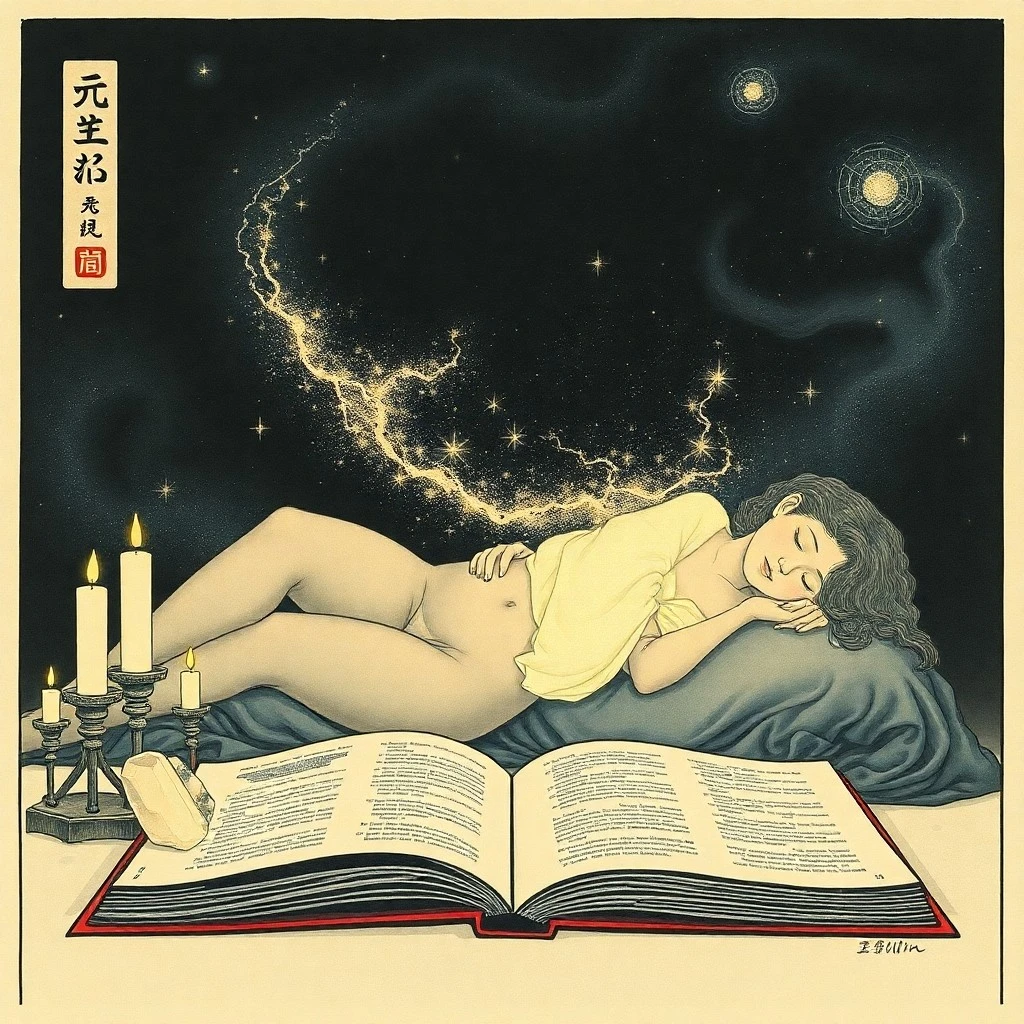
An ethereal figure symbolizing consciousness detaching from the physical form amidst cosmic energy, representing the essence of Mesoamerican Astrology AI Oracles Bridging Ancient Modern.
The idea of an astral body, a subtle energy double of the physical form, is central to understanding this experience. Proponents believe this body can traverse different planes of existence, offering unique perspectives and profound insights. This article delves into the historical context, various techniques, safety precautions, and potential benefits of exploring out-of-body experiences safely and consciously.
For those new to the concept, astral projection can seem daunting or even supernatural. However, many practitioners view it as a natural extension of human consciousness, accessible through specific mental and spiritual disciplines. Our goal is to provide an educational and informed guide, demystifying the process and emphasizing responsible exploration.
Table of Contents
- What is Astral Projection?
- Historical and Cultural Perspectives
- Scientific Viewpoints and Skepticism
- Techniques for Achieving Astral Projection
- Safety and Ethical Considerations
- Benefits of Astral Projection
- Common Misconceptions
What is Astral Projection?
Astral projection is the intentional out-of-body experience (OBE) where one's consciousness, often referred to as the "astral body," separates from the physical body. This subtle body is believed to be connected to the physical self by a silver cord, an energetic link that prevents permanent separation. During this experience, individuals report being able to perceive their physical surroundings from an external vantage point or travel to other dimensions, often described as the "astral plane."
The astral plane is often depicted as a non-physical realm populated by various entities, landscapes, and experiences. It is said to be a vibrational realm, where thoughts and emotions manifest more readily than in the physical world. While the experience can occur spontaneously, particularly during sleep or states of deep relaxation, many seek to induce it consciously through specific meditative and mental techniques.
Unlike lucid dreaming, where one is aware they are dreaming and can control the dream narrative, astral projection is often described as a more vivid and real experience, where the environment feels as tangible as the physical world. The perception of the "silver cord" is a common element in many accounts, serving as a psychological anchor and a perceived safety mechanism. Understanding these fundamental concepts is crucial for anyone interested in exploring this phenomenon responsibly.
Historical and Cultural Perspectives
The concept of astral projection is not new; it has deep roots in ancient civilizations and spiritual traditions worldwide. From ancient Egypt to indigenous shamanic practices, the idea of the soul leaving the body has been a recurring theme. In ancient Egypt, the "Ka" and "Ba" were believed to be aspects of the soul capable of independent travel, often depicted in hieroglyphs and funerary texts.
In various shamanic cultures, shamans undertake soul journeys to other realms to seek guidance, healing, or knowledge. These journeys are often induced through trance states, drumming, or entheogenic plants, and are considered vital for the well-being of the community. Similarly, in Eastern spiritual traditions like Hinduism and Buddhism, concepts such as the "subtle body" or "light body" are central to understanding spiritual evolution and liberation.

A still life of esoteric tools, including an obsidian mirror and crystal grid, often associated with Tarot Quantum Mechanics Intersecting Divination Reality and spiritual journeys.
The Theosophical Society, founded in the late 19th century, played a significant role in popularizing the term "astral projection" in the Western world. Theosophists described a multi-layered universe with various planes of existence, including the astral plane, which they believed was accessible through conscious effort. These historical and cultural accounts highlight the enduring human fascination with transcending physical limitations and exploring the nature of consciousness.
Scientific Viewpoints and Skepticism
From a scientific perspective, astral projection remains largely unproven and is often attributed to psychological or neurological phenomena. Skeptics argue that OBEs are vivid hallucinations, lucid dreams, or dissociative experiences influenced by factors such as stress, sleep deprivation, drug use, or certain medical conditions. Neuroscientists have explored the role of specific brain regions, particularly the temporoparietal junction, in creating the sensation of being outside one's body.
Despite the lack of empirical evidence, anecdotal accounts of OBEs are widespread and often share common characteristics, leading some researchers to investigate the phenomenon further. Studies involving virtual reality and brain stimulation have successfully induced sensations akin to OBEs, suggesting a neurological basis for the experience. However, these experiments do not definitively prove or disprove the existence of an actual "astral body" or non-physical travel.
The debate between scientific materialism and spiritual interpretations continues, with each side presenting compelling arguments. While science seeks measurable and repeatable results, spiritual traditions often rely on subjective experience and inner knowing. For those who experience it, astral projection is a profound and transformative event that transcends conventional scientific explanation, prompting a deeper inquiry into the nature of reality and consciousness.
Techniques for Achieving Astral Projection
Achieving conscious astral projection typically involves a combination of deep relaxation, focused concentration, and specific mental exercises. Consistency and patience are key, as it often takes practice to reach the necessary state of mind and body. Here are some commonly practiced techniques:
Relaxation and Meditation: Begin by finding a quiet, comfortable space where you won't be disturbed. Lie down and systematically relax every muscle in your body, starting from your toes and moving up to your head. Practice deep, rhythmic breathing to calm your mind. This state is often referred to as the "hypnagogic state," a transitional phase between wakefulness and sleep.
Visualization: Once deeply relaxed, visualize yourself floating or separating from your body. Imagine yourself rising slowly, perhaps seeing your physical body below you. Some practitioners visualize a rope hanging above them and imagine climbing it, pulling their consciousness out of their body. This mental imagery helps to disassociate consciousness from the physical form.
The "Rope" Method: Developed by Robert Bruce, this technique involves visualizing a rope hanging above you and mentally "climbing" it. Focus intensely on the sensation of pulling yourself up, using only your mind. This creates a strong mental intention for separation. The key is to feel the sensation without physically moving.
The "Vibration" State: Many individuals report experiencing strong vibrations throughout their body just before an OBE. This is often seen as a precursor to separation. To induce this, focus on a single point in your mind and allow your body to relax completely. When vibrations begin, maintain calm and try to mentally "roll out" of your body or float upwards.
It is important to approach these techniques with a calm and open mind, free from fear or excessive expectation. Regular practice, often combined with Tarot Quantum Mechanics Intersecting Divination Reality, can enhance your ability to achieve and control astral projections. Patience is a virtue in this pursuit, as results vary greatly among individuals.
Safety and Ethical Considerations
While astral projection is generally considered safe, especially when approached with a clear intention and proper preparation, certain precautions are advisable. The most common concern is fear, which can manifest as unsettling experiences or difficulty returning to the body. However, the "silver cord" is believed to ensure a safe return, making permanent separation highly unlikely during conscious projection.
Grounding Techniques: Before and after any projection attempt, practice grounding exercises. This helps to anchor your consciousness to your physical body and the present moment. Visualization of roots growing from your feet into the earth, or focusing on physical sensations, can be effective. This is particularly important for maintaining mental stability.
Protection: Some practitioners advocate for mental or energetic protection before attempting projection. This can involve visualizing a protective shield around yourself or invoking spiritual guides. The intention is to create a safe energetic space for your exploration, minimizing unwanted interactions or negative influences.
Avoiding Fear: Fear is often the biggest obstacle and source of negative experiences. Approach projection with curiosity and a sense of adventure, rather than apprehension. If you feel fear arising, gently redirect your focus or end the session. Remember, you are always connected and can return to your body at will.

An abstract representation of a swirling vortex of light, symbolizing the dynamic and often transformative journey through the Mesoamerican Astrology AI Oracles Bridging Ancient Modern.
Ethically, practitioners are encouraged to approach astral travel with respect and non-interference. The astral plane is believed to be a shared space, and conscious travelers should avoid intruding on others' experiences or manipulating events. The primary purpose of astral projection should be personal growth, learning, and spiritual exploration, rather than seeking control or power.
Benefits of Astral Projection
For those who successfully engage in astral projection, the benefits can be profound and life-altering. These experiences often lead to a deeper understanding of consciousness, the nature of reality, and one's place within the cosmos. Many report a reduction in the fear of death, as they gain a direct experience of consciousness existing independently of the physical body.
Other reported benefits include enhanced creativity, improved problem-solving skills, and a greater sense of spiritual connection. Some individuals use astral projection for self-healing, exploring past lives, or connecting with spiritual guides. The ability to perceive reality from a non-physical perspective can offer unique insights into personal challenges and universal truths.
The experience can also foster a sense of inner peace and expanded awareness. By transcending the limitations of the physical body, practitioners often develop a broader worldview and a heightened appreciation for the interconnectedness of all things. This expansion of consciousness can lead to significant personal and spiritual growth, influencing daily life in positive ways.
Common Misconceptions
Several misconceptions surround astral projection, often fueled by popular culture and a lack of accurate information. Addressing these can help individuals approach the topic with a clearer understanding.
It's Dangerous: As discussed, while fear can be a factor, permanent separation or harm is widely considered impossible due to the silver cord. Most negative experiences are attributed to fear or misinterpretation rather than actual danger.
Only for the Gifted: While some individuals may have a natural predisposition, many believe astral projection is a skill that can be developed through consistent practice and dedication, similar to learning any other mental discipline.
It's Evil or Demonic: This misconception often stems from religious or cultural biases. In many spiritual traditions, astral travel is seen as a sacred practice for spiritual growth and enlightenment, not as something inherently malevolent.
You Can Get Lost: The silver cord acts as an unbreakable link, ensuring that your consciousness can always return to your physical body. The sensation of being "lost" is usually a temporary disorientation that resolves quickly upon return.
Dispelling these myths is crucial for fostering an environment of informed exploration. By understanding what astral projection is and isn't, individuals can approach the experience with greater confidence and clarity, maximizing its potential for personal and spiritual enrichment.
In conclusion, astral projection offers a unique avenue for exploring the depths of consciousness and the multi-dimensional nature of existence. While scientific validation remains elusive, the rich tapestry of historical accounts and personal testimonies speaks to its profound impact on those who experience it. By approaching this journey with respect, intention, and adherence to safety guidelines, individuals can unlock new realms of understanding and personal growth. The exploration of out-of-body experiences is not merely a curiosity but a potential pathway to expanded awareness and a deeper connection to the universal self, inviting us to reconsider the boundaries of our own reality. Further research into Tarot Quantum Mechanics Intersecting Divination Reality continues to shed light on these extraordinary human experiences.
Fuente: Contenido híbrido asistido por IAs y supervisión editorial humana.


Comments
Post a Comment