
Reiki Healing Basics: Energy Flow for Wellness | StarPluto
Reiki, a Japanese technique for stress reduction and relaxation that also promotes healing, is based on the idea that an unseen "life force energy" flows through us. If one's life force energy is low, then we are more likely to get sick or feel stressed, and if it is high, we are more capable of being happy and healthy. This ancient practice, whose name translates to "spiritually guided life force energy," has gained significant traction worldwide as a complementary therapy.
The practice involves a practitioner placing their hands lightly on or just above a person, with the goal of facilitating the person's own healing response. It is a holistic approach, addressing not only physical ailments but also emotional, mental, and spiritual imbalances. Understanding the basics of Reiki can open doors to a profound journey of self-discovery and well-being.
Introduction to Reiki | Historical Origins and Principles | How Reiki Works: The Concept of Energy Flow | The Benefits of Reiki Healing | What to Expect During a Reiki Session | Reiki for Self-Healing and Daily Practice | Scientific Perspective and Research | Common Misconceptions About Reiki
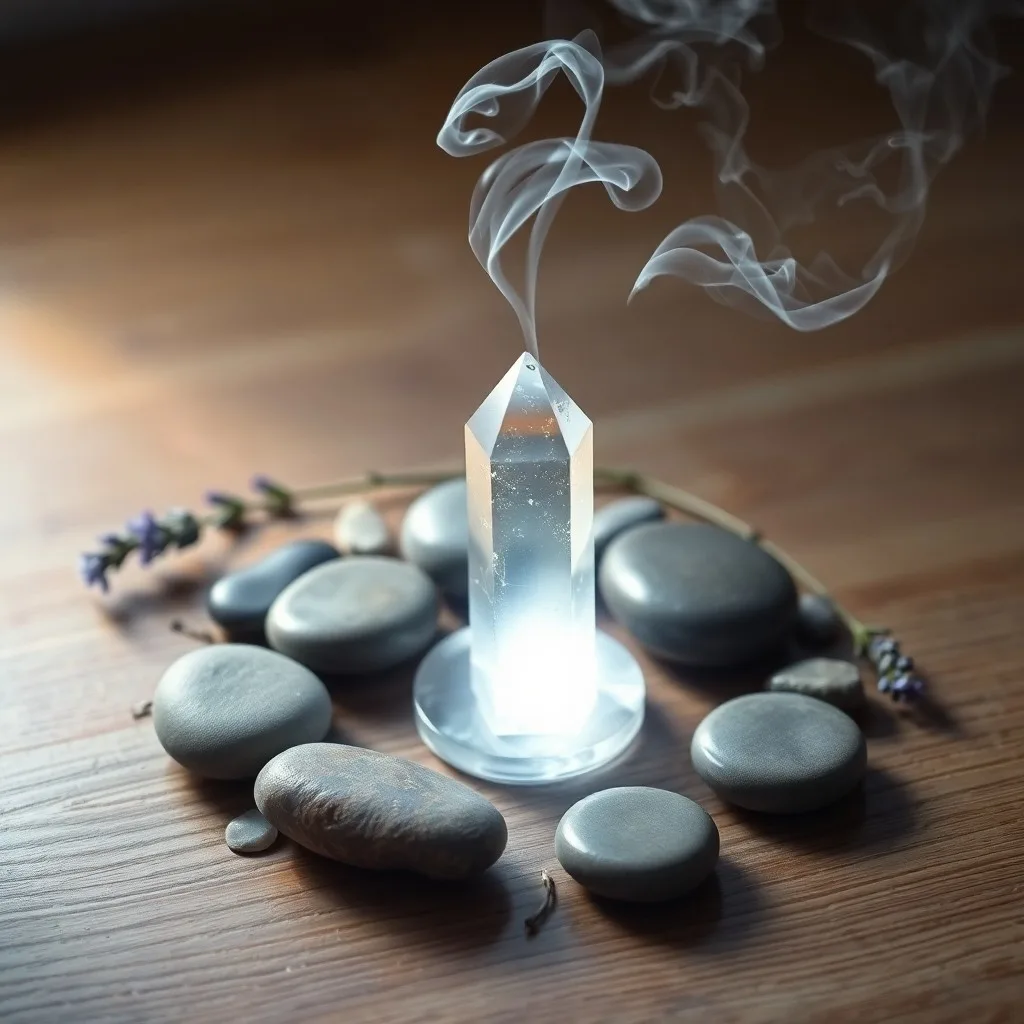 Digital illustration depicting the gentle, ethereal energy flow central to Reiki healing, promoting balance and wellness.
Introduction to Reiki
Reiki is a spiritual healing art with its roots in Japan. The word "Reiki" comes from two Japanese words – "Rei" which means "God's Wisdom or the Higher Power" and "Ki" which is "life force energy." So, Reiki is actually "spiritually guided life force energy." This practice is not affiliated with any religion; it is a universal energy accessible to everyone.
A Reiki session typically involves the practitioner placing their hands on or near the recipient's body in a series of positions, allowing the energy to flow. The recipient remains fully clothed and can either lie down or sit comfortably. The experience is often described as deeply relaxing, promoting a sense of peace and well-being.
Historical Origins and Principles
The system of Reiki was developed in 1922 by Japanese Buddhist Mikao Usui. He embarked on a quest to discover how spiritual healing was achieved by historical figures like Jesus and Buddha. After years of study and meditation, he had a profound spiritual experience on Mount Kurama, where he received the ability to heal through this energy.
Usui Sensei, as he is respectfully known, then established a clinic and teaching center in Tokyo. His teachings were based on five core principles, known as the "Gokai" or Five Reiki Precepts, which serve as ethical guidelines for living a balanced and harmonious life. These principles are not just for practitioners but are universal truths for anyone seeking inner peace.
Just for today, do not worry.
Just for today, do not be angry.
Just for today, be grateful.
Just for today, work hard (on yourself).
Just for today, be kind to every living thing.
These precepts are fundamental to the practice, emphasizing mental and emotional well-being as precursors to physical health. They encourage practitioners and recipients alike to cultivate a positive mindset and ethical conduct, fostering a deeper connection to the universal life force energy.
How Reiki Works: The Concept of Energy Flow
At its core, Reiki operates on the principle that the human body possesses an intricate energy system, often referred to as the aura, meridians, or chakras. When this energy flow is disrupted or blocked, it can lead to physical illness, emotional distress, and mental imbalance. Reiki aims to restore this natural flow, allowing the body's innate healing mechanisms to activate.
During a session, the Reiki practitioner acts as a conduit for universal life force energy. This energy is not generated by the practitioner but is channeled through them to the recipient. The energy knows where to go and what to do, addressing areas of imbalance without conscious direction from the practitioner. It's often described as a gentle, warm, or tingling sensation.
 Acuarela of polished chakra stones, representing the energetic centers vital for holistic wellness and balance.
The energy works to clear blockages, purify the energy field, and nourish depleted areas. This revitalization of the energy system supports the body's natural ability to heal itself. While the exact scientific mechanisms are still being explored, many theories suggest its effects are linked to the placebo effect, relaxation response, or subtle biofield interactions.
Reiki is often used in conjunction with conventional medical treatments, not as a substitute. It is considered a complementary therapy that can enhance the body's response to other treatments and reduce side effects. This integrative approach is gaining recognition in various healthcare settings.
The Benefits of Reiki Healing
Reiki offers a wide array of potential benefits, extending beyond mere physical relief. Many recipients report significant improvements in their overall well-being. These benefits can be categorized into several key areas:
- Stress Reduction and Relaxation: One of the most immediate and commonly reported benefits is a profound sense of relaxation. Reiki helps calm the nervous system, reducing anxiety and promoting a peaceful state.
- Pain Management: While not a cure, Reiki can significantly alleviate chronic pain by promoting relaxation and reducing inflammation. It complements conventional pain treatments effectively.
- Emotional Healing: Reiki can help release emotional blockages, fostering emotional clarity and resilience. It supports individuals in processing grief, trauma, and other emotional challenges.
- Improved Sleep: Many individuals experience deeper and more restful sleep after Reiki sessions, contributing to overall physical and mental restoration.
- Enhanced Well-being: Regular Reiki can boost mood, increase vitality, and foster a greater sense of inner peace and spiritual connection.
- Support for Chronic Conditions: While not a cure, Reiki can provide comfort and improve quality of life for those managing chronic illnesses, reducing symptoms and improving coping mechanisms.
These benefits are often cumulative, meaning that regular sessions can lead to more profound and lasting positive changes. It empowers individuals to take an active role in their healing journey, fostering self-awareness and self-care practices.
What to Expect During a Reiki Session
A typical Reiki session lasts between 60 to 90 minutes. Upon arrival, the practitioner will usually discuss your health history and what you hope to gain from the session. This initial conversation helps establish a comfortable and trusting environment.
The recipient lies fully clothed on a massage table or sits in a comfortable chair. Soft music might be played, and the lighting is often subdued to enhance relaxation. The practitioner will then begin by placing their hands gently on various parts of your body, starting from the head and moving down to the feet, or hovering their hands just above the body.
 A serene meditation cushion and feather, representing the tranquil atmosphere of a Reiki healing session.
Sensations during a session can vary widely. Some people feel warmth, tingling, or gentle pulsations. Others may experience deep relaxation, fall asleep, or see colors and images. It's also common to feel nothing specific, yet still experience the benefits afterward. The key is to remain open and allow the energy to work.
After the session, the practitioner may offer water and engage in a brief discussion about your experience. It's advisable to drink plenty of water and allow yourself time to integrate the healing, as emotions or physical sensations may continue to surface for a day or two.
Reiki for Self-Healing and Daily Practice
One of the most empowering aspects of Reiki is the ability to practice self-healing. Once attuned to Reiki energy by a qualified Reiki Master, individuals can channel this energy for their own benefit. This involves placing hands on oneself in various positions, similar to how a practitioner would treat a client.
Regular self-Reiki practice can significantly enhance personal well-being, deepen spiritual connection, and maintain energetic balance. It's a powerful tool for daily stress management and self-care. Many practitioners integrate self-Reiki into their morning or evening routines, finding it a grounding and revitalizing practice.
Here are some common hand positions for self-Reiki:
| Position Area | Associated Benefits |
|---|---|
| Eyes/Temples | Relieves headaches, eye strain, promotes mental clarity. |
| Back of Head | Calms the mind, reduces anxiety, improves sleep. |
| Throat | Supports communication, releases creative blocks. |
| Heart/Chest | Emotional healing, promotes love and compassion. |
| Abdomen (Solar Plexus) | Boosts confidence, aids digestion, reduces fear. |
| Lower Abdomen (Sacral) | Enhances creativity, supports reproductive health. |
| Lower Back/Kidneys | Grounding, supports energy levels, releases old patterns. |
| Knees/Feet | Grounding, stability, releases tension in lower body. |
Consistency is key for self-Reiki. Even short daily sessions can make a significant difference in maintaining energetic balance and promoting overall wellness. It's a personal journey that deepens with practice and intention.
Scientific Perspective and Research
While Reiki is widely accepted as a complementary therapy, its scientific validation remains a topic of ongoing research and discussion. Mainstream science often seeks quantifiable evidence that aligns with conventional medical models, which can be challenging for energy-based practices.
However, a growing body of research, particularly in the field of Astro-Genomics: Unveiling Karmic Health Blueprints and DNA Patterns, suggests that Reiki can have measurable physiological and psychological effects. Studies have indicated its potential to reduce pain, anxiety, and depression, improve sleep quality, and enhance overall well-being in various patient populations, including those undergoing surgery or cancer treatment.
Many studies point to Reiki's ability to induce a "relaxation response," which is a well-documented physiological state characterized by decreased heart rate, blood pressure, and muscle tension. This response alone can have significant therapeutic benefits. The National Center for Complementary and Integrative Health (NCCIH) acknowledges energy therapies like Reiki as a subject of interest, emphasizing the need for rigorous research.
Despite the ongoing debate, the anecdotal evidence from millions of people who have experienced positive outcomes from Reiki is compelling. As research methodologies evolve to better capture the nuances of subtle energy interactions, the scientific understanding of Reiki is likely to deepen. For now, it remains a valuable tool for many seeking holistic support for their health.
Common Misconceptions About Reiki
Like many alternative therapies, Reiki is often subject to various misconceptions. Clarifying these can help individuals approach the practice with a more informed perspective.
- Reiki is a religion: This is perhaps the most common misconception. Reiki is a spiritual practice, but it is not a religion. It has no dogma, no specific deity to worship, and does not conflict with any religious beliefs. People from all faiths and backgrounds practice and receive Reiki.
- Reiki practitioners use their own energy: Practitioners do not use their personal energy. They act as channels for the universal life force energy, which flows through them to the recipient. This means practitioners are not drained by giving Reiki; in fact, they often feel energized themselves.
- Reiki can cause harm: Reiki is a gentle, non-invasive practice that works with the body's natural healing abilities. It cannot cause harm. At worst, if a person is not open to receiving the energy, they may feel nothing. It always works for the highest good of the recipient.
- Reiki can cure diseases: While Reiki can significantly aid in the healing process and alleviate symptoms, it is not presented as a cure for diseases. It is a complementary therapy that supports the body's natural healing mechanisms and can work alongside conventional medical treatments.
- Reiki is only for the sick: Reiki is beneficial for anyone seeking relaxation, stress reduction, emotional balance, or a deeper connection to their spiritual self. It can be used for general well-being and personal growth, not just for addressing illness.
Understanding these points helps demystify Reiki and encourages a more open-minded exploration of its potential benefits. It is a powerful yet gentle practice that offers a unique path to holistic wellness and balance.
Fuente: Contenido híbrido asistido por IAs y supervisión editorial humana.


Comments
Post a Comment