
Chakras Energy Centers: Spiritual Balance Guide | StarPluto
The concept of chakras, derived from ancient Sanskrit, refers to energy centers within the subtle body, not the physical one. These spinning wheels of energy are believed to influence our physical, mental, emotional, and spiritual well-being. Originating from ancient Indian traditions, particularly Hinduism and Buddhism, the chakra system offers a profound framework for understanding the intricate connection between our inner world and our outer experiences.
In this comprehensive guide, we will delve into the fascinating world of chakras, exploring their individual characteristics, functions, and how they contribute to our overall spiritual balance. Understanding and working with these energy centers can unlock a path to greater self-awareness, healing, and personal transformation.
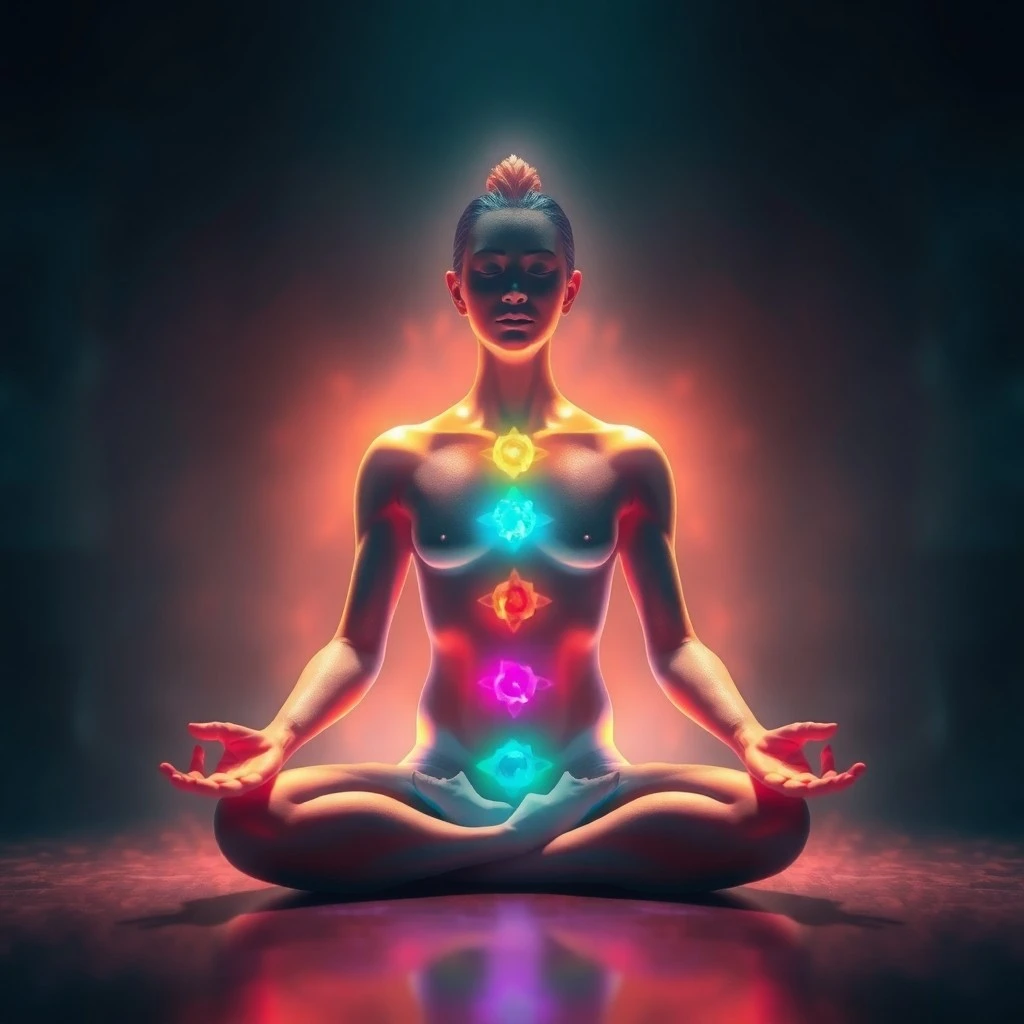
A vibrant lotus flower, symbolizing the harmonious balance of the seven main chakras, radiating spiritual energy.
The term "chakra" literally translates to "wheel" or "disk" in Sanskrit, aptly describing their visual representation as swirling vortexes of energy. While there are numerous minor chakras throughout the body, the most commonly recognized and studied system comprises seven primary chakras aligned along the spine, from the base to the crown of the head. Each chakra is associated with specific colors, elements, sounds, and functions, influencing different aspects of our being.
Maintaining balance within these energy centers is crucial for optimal health and spiritual growth. When a chakra is blocked, overactive, or underactive, it can manifest as physical ailments, emotional imbalances, or mental distress. Conversely, a balanced chakra system promotes vitality, emotional stability, mental clarity, and a deeper connection to one's spiritual self.
Table of Contents
- What Are Chakras? The Foundation of Energy
- The Seven Main Chakras: A Detailed Exploration
- Balancing Your Chakras: Practical Techniques
- Benefits of Chakra Work: A Holistic Approach to Well-being
- Integrating Chakra Wisdom into Daily Life
What Are Chakras? The Foundation of Energy
Chakras are often described as invisible energy organs that process and distribute life force energy, known as "prana" in Sanskrit or "chi" in Traditional Chinese Medicine. This vital energy flows through a network of subtle channels called "nadis," with the chakras acting as major junction points. Each chakra vibrates at a different frequency, corresponding to specific nerve plexuses, endocrine glands, and psychological states.
The concept of chakras is not a modern invention but an ancient wisdom tradition that has been practiced for thousands of years. Texts like the Vedas and the Upanishads, dating back to 1500-500 BC, contain early references to these energetic centers. Over time, various yogic and tantric traditions further developed and refined the understanding of the chakra system, integrating it into meditation, asana, and spiritual practices.
While not scientifically measurable in the conventional sense, many practitioners and individuals report profound experiences and benefits from working with their chakras. The influence of these energy centers extends beyond mere physical sensation, touching upon our deepest emotions, thoughts, and spiritual aspirations. They serve as a bridge between our physical existence and our higher consciousness.
The Seven Main Chakras: A Detailed Exploration
The seven primary chakras form a vertical column along the spine, each governing distinct aspects of our being. Understanding their unique characteristics is the first step towards achieving energetic balance.
Muladhara (Root Chakra)
Located at the base of the spine, the Root Chakra is our foundation, representing stability, security, and our connection to the earth. Its color is red, and it is associated with the element of earth. A balanced Root Chakra fosters feelings of safety, groundedness, and trust in the world, providing a solid base for all other chakras.
- Location: Base of the spine, perineum.
- Color: Red.
- Element: Earth.
- Associated Issues: Survival, security, stability, basic needs, physical health.
- Balanced State: Grounded, secure, confident, healthy.
- Imbalance Symptoms: Anxiety, fear, insecurity, financial issues, lower back pain, colon problems.
Svadhisthana (Sacral Chakra)
Situated just below the navel, the Sacral Chakra is the center of creativity, sexuality, emotions, and pleasure. Its vibrant orange color reflects its association with the element of water. When balanced, this chakra allows for fluid emotional expression, healthy relationships, and a joyful approach to life and creativity.
- Location: Lower abdomen, below the navel.
- Color: Orange.
- Element: Water.
- Associated Issues: Creativity, sexuality, emotions, pleasure, relationships.
- Balanced State: Creative, passionate, emotionally balanced, sensual.
- Imbalance Symptoms: Emotional instability, creative blocks, relationship issues, urinary problems, reproductive issues.
Manipura (Solar Plexus Chakra)
The Solar Plexus Chakra, located above the navel, is our power center, governing personal will, self-esteem, and digestion. Its bright yellow color is linked to the element of fire. A strong Solar Plexus Chakra empowers us with confidence, motivation, and a clear sense of purpose, enabling us to manifest our desires.
- Location: Upper abdomen, stomach area.
- Color: Yellow.
- Element: Fire.
- Associated Issues: Personal power, will, self-esteem, metabolism, digestion.
- Balanced State: Confident, empowered, self-disciplined, decisive.
- Imbalance Symptoms: Low self-esteem, control issues, digestive problems, fatigue, anger.
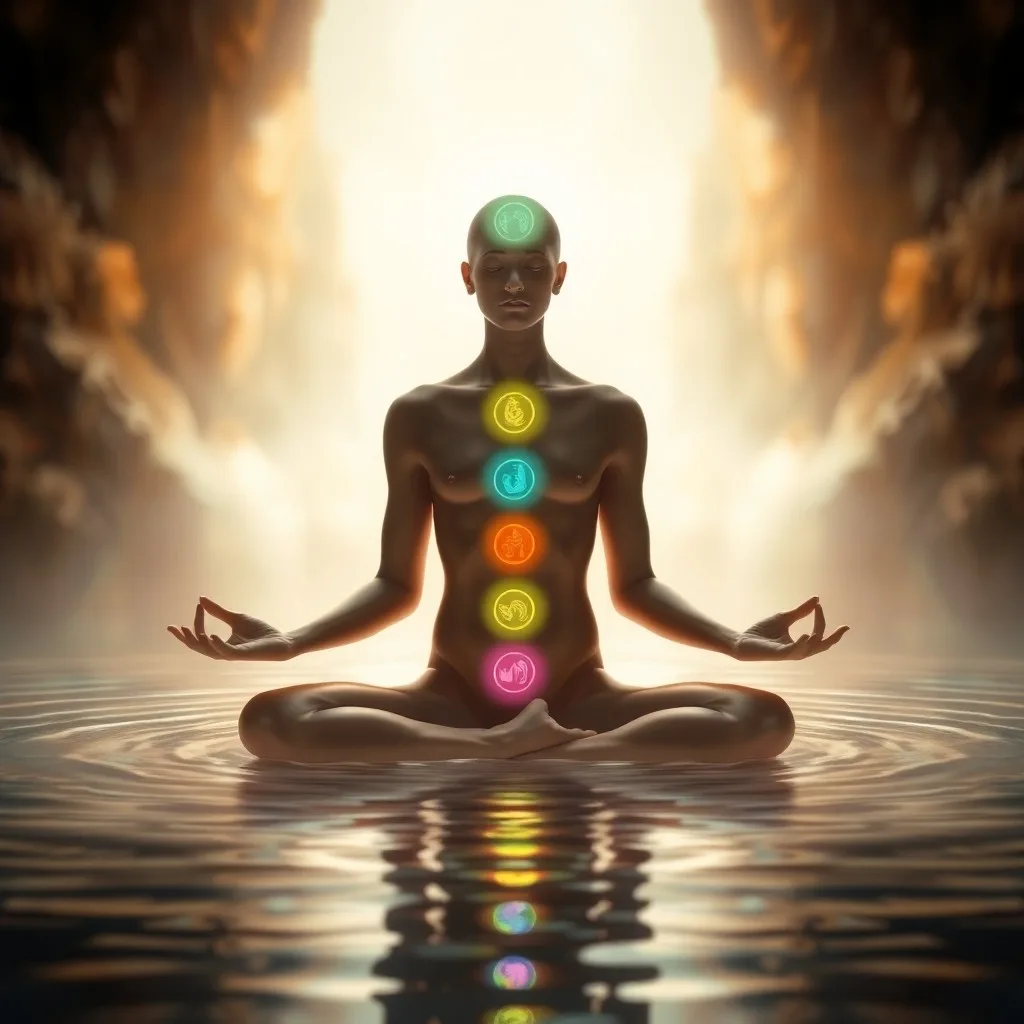
A beautifully rendered crystal sculpture representing the intricate and interconnected energy network of the chakras.
Anahata (Heart Chakra)
Located in the center of the chest, the Heart Chakra is the bridge between the lower and upper chakras, embodying love, compassion, and emotional healing. Its color is green (or pink), and its element is air. A balanced Heart Chakra allows us to give and receive love freely, fostering empathy, forgiveness, and deep connections with others.
- Location: Center of the chest.
- Color: Green or Pink.
- Element: Air.
- Associated Issues: Love, compassion, empathy, forgiveness, relationships.
- Balanced State: Loving, compassionate, empathetic, joyful, open.
- Imbalance Symptoms: Loneliness, jealousy, resentment, heart problems, asthma.
Vishuddha (Throat Chakra)
The Throat Chakra, situated in the throat area, is the center of communication, self-expression, and truth. Its color is blue, and its element is ether or sound. When balanced, this chakra enables clear, honest communication, allowing us to express our authentic selves and listen effectively to others. It supports our ability to speak our truth with integrity.
- Location: Throat area.
- Color: Blue.
- Element: Ether/Sound.
- Associated Issues: Communication, self-expression, truth, listening.
- Balanced State: Clear communication, honest, good listener, authentic.
- Imbalance Symptoms: Difficulty expressing thoughts, fear of public speaking, thyroid issues, sore throat, shyness.
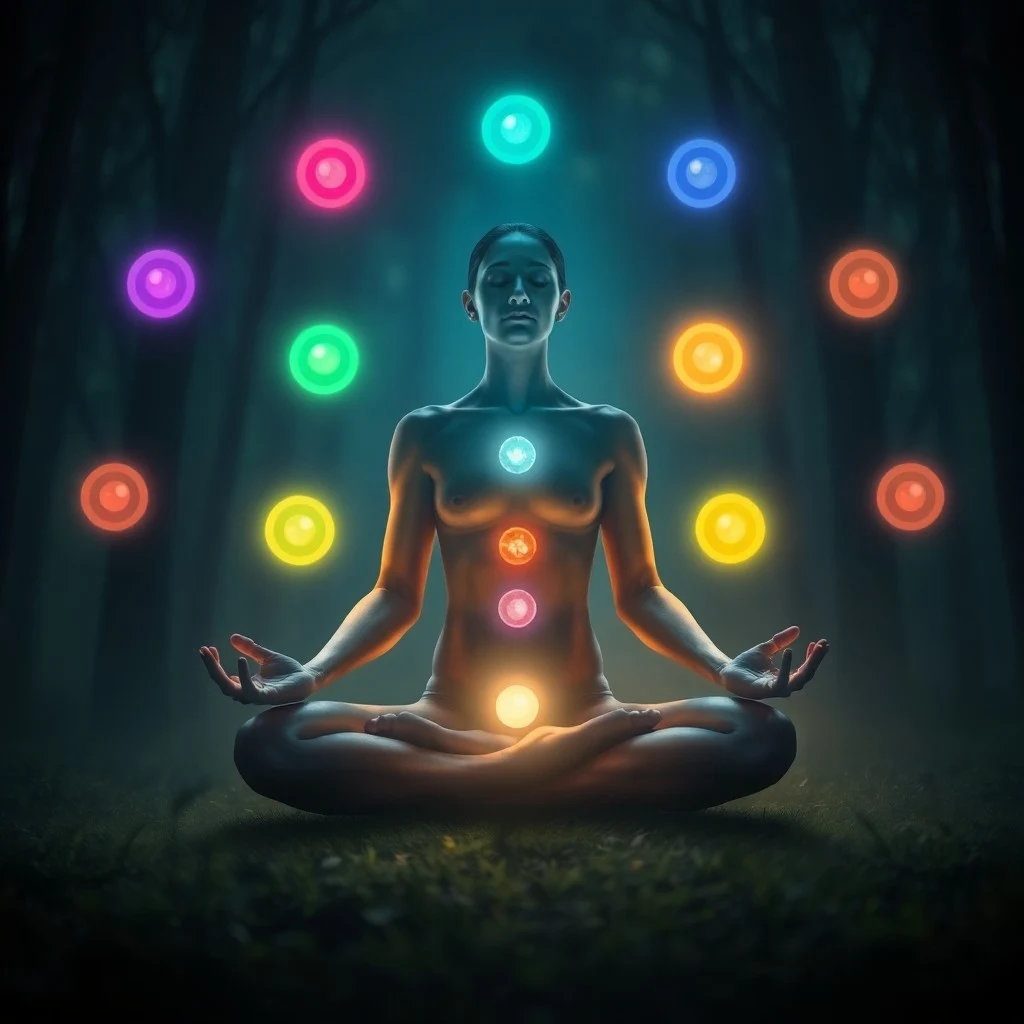
An abstract watercolor visual of harmoniously flowing energy currents, representing the subtle body's chakra system.
Ajna (Third Eye Chakra)
Located between the eyebrows, the Third Eye Chakra is the seat of intuition, wisdom, and inner vision. Its color is indigo, and it is associated with light. A balanced Third Eye Chakra enhances our intuitive abilities, mental clarity, and capacity for insight, helping us to see beyond the physical realm and connect with our higher wisdom.
- Location: Between the eyebrows.
- Color: Indigo.
- Element: Light.
- Associated Issues: Intuition, wisdom, insight, imagination, perception.
- Balanced State: Intuitive, wise, clear-minded, imaginative.
- Imbalance Symptoms: Lack of intuition, poor judgment, headaches, vision problems, nightmares.
Sahasrara (Crown Chakra)
At the very top of the head, the Crown Chakra is our connection to universal consciousness, spirituality, and divine wisdom. Its color is violet or white, and it is associated with thought and cosmic energy. A balanced Crown Chakra brings a sense of enlightenment, spiritual connection, inner peace, and a profound understanding of our place in the universe.
- Location: Top of the head.
- Color: Violet or White.
- Element: Thought/Cosmic Energy.
- Associated Issues: Spirituality, enlightenment, divine connection, consciousness.
- Balanced State: Spiritually connected, wise, peaceful, open to divine guidance.
- Imbalance Symptoms: Spiritual disconnection, cynicism, confusion, depression, sensitivity to light/sound.
Here is a summary table outlining the key attributes of the seven main chakras:
| Chakra Name | Location | Color | Element | Key Associations |
|---|---|---|---|---|
| Muladhara (Root) | Base of Spine | Red | Earth | Security, Grounding, Survival |
| Svadhisthana (Sacral) | Below Navel | Orange | Water | Creativity, Emotions, Pleasure |
| Manipura (Solar Plexus) | Above Navel | Yellow | Fire | Personal Power, Will, Self-Esteem |
| Anahata (Heart) | Center of Chest | Green/Pink | Air | Love, Compassion, Empathy |
| Vishuddha (Throat) | Throat Area | Blue | Ether/Sound | Communication, Self-Expression, Truth |
| Ajna (Third Eye) | Between Eyebrows | Indigo | Light | Intuition, Wisdom, Inner Vision |
| Sahasrara (Crown) | Top of Head | Violet/White | Thought/Cosmic Energy | Spirituality, Enlightenment, Divine Connection |
Balancing Your Chakras: Practical Techniques
Achieving and maintaining chakra balance is an ongoing process that involves various practices. These techniques can help clear blockages, stimulate underactive chakras, and calm overactive ones, leading to a more harmonious energy flow throughout the body.
- Meditation: Focused meditation on each chakra, visualizing its color and feeling its energy, is a powerful way to bring balance. Guided meditations specifically designed for chakra balancing are widely available.
- Yoga and Asanas: Specific yoga poses (asanas) are known to stimulate particular chakras. For instance, standing poses like Mountain Pose (Tadasana) can ground the Root Chakra, while backbends like Cobra Pose (Bhujangasana) can open the Heart Chakra.
- Breathwork (Pranayama): Conscious breathing techniques can direct prana to specific energy centers, helping to clear blockages and energize the chakras. Deep belly breathing is particularly beneficial for the lower chakras.
- Sound Healing: Each chakra resonates with a specific musical note or mantra. Chanting specific Bija mantras (seed sounds) like "LAM" for the Root Chakra or listening to crystal singing bowls tuned to chakra frequencies can be highly effective.
- Crystal Healing: Crystals and gemstones are believed to carry specific energetic properties that can influence chakras. Placing appropriate crystals on or near the corresponding chakra during meditation or rest can aid in balancing. For example, red jasper for the Root Chakra, carnelian for the Sacral, and amethyst for the Crown.
- Aromatherapy: Essential oils can be used to support chakra balancing. Diffusing or applying diluted oils (e.g., sandalwood for the Root, ylang-ylang for the Sacral, lavender for the Throat) can create an environment conducive to healing and alignment.
- Color Therapy: Spending time surrounded by or visualizing the color associated with an imbalanced chakra can help. Eating foods of that color or wearing clothing in the chakra's hue are simple ways to incorporate color therapy.
- Nature Connection: Spending time in nature, especially barefoot on the earth, can significantly help ground and balance the Root Chakra. Connecting with natural elements like water, fire, and air also supports other chakras.
Benefits of Chakra Work: A Holistic Approach to Well-being
Engaging in regular chakra balancing practices can lead to a multitude of benefits, enhancing overall well-being on multiple levels. These advantages extend beyond mere symptom relief, fostering a deeper sense of harmony and purpose.
- Improved Physical Health: By addressing energetic imbalances, chakra work can alleviate physical symptoms associated with specific chakras, such as digestive issues (Solar Plexus) or throat problems (Throat Chakra).
- Enhanced Emotional Stability: Balancing chakras helps in processing emotions more effectively, reducing anxiety, fear, anger, and promoting feelings of joy, peace, and love.
- Greater Mental Clarity: A balanced Third Eye Chakra can sharpen intuition, improve focus, and reduce mental fog, leading to better decision-making and problem-solving skills.
- Increased Creativity and Self-Expression: Activating the Sacral and Throat Chakras can unlock creative potential and facilitate authentic communication, allowing individuals to express themselves more freely.
- Stronger Sense of Self: Working with the Solar Plexus Chakra builds self-esteem and personal power, while the Root Chakra fosters a strong sense of security and belonging.
- Deeper Spiritual Connection: Balancing the Heart, Third Eye, and Crown Chakras can deepen one's spiritual journey, fostering a sense of connection to the divine, universal love, and higher consciousness.
- Better Relationships: An open Heart Chakra promotes empathy, compassion, and unconditional love, significantly improving interpersonal relationships.
Integrating Chakra Wisdom into Daily Life
Integrating chakra wisdom into daily life doesn't require hours of dedicated practice each day. Small, consistent efforts can make a significant difference. Start by becoming aware of your body and emotions throughout the day. Notice where you feel tension, joy, or discomfort, and consider which chakra might be involved.
For instance, if you're feeling insecure or anxious, consciously focus on grounding techniques for your Root Chakra. If you're struggling to express yourself, try gentle throat stretches or humming to activate your Throat Chakra. Incorporate chakra-specific colors into your wardrobe or diet. Even a few minutes of mindful breathing or visualization can help maintain energetic flow.
The journey of understanding and balancing your chakras is a personal one, offering a profound path to self-discovery and holistic well-being. By nurturing these vital energy centers, you can unlock your full potential, live a more balanced life, and deepen your connection to both your inner self and the universal energy that surrounds us all. Embrace this ancient wisdom and embark on a transformative journey towards spiritual harmony.
Source: Content hybrid assisted by AIs and human editorial supervision.


Comments
Post a Comment