
Herbal Magic: Plants for Spellwork & Healing Rituals | StarPluto
Herbal magic, an ancient and enduring practice, involves the intentional use of plants for spiritual, protective, and healing purposes. This tradition is deeply rooted in human history, predating modern medicine and organized religion, and reflects a profound connection between humanity and the natural world. Across countless cultures, plants have been revered not only for their medicinal properties but also for their perceived energetic and symbolic qualities, believed to influence outcomes, offer protection, and facilitate spiritual communication.
The concept of herbal magic is not about supernatural intervention but rather an understanding of the subtle energies and correspondences that plants embody. It encompasses a vast array of practices, from simple folk remedies and protective charms to complex ceremonial rituals. Practitioners of herbal magic often emphasize intention, respect for nature, and a deep knowledge of botanical properties, recognizing that each plant carries its own unique vibration and purpose.
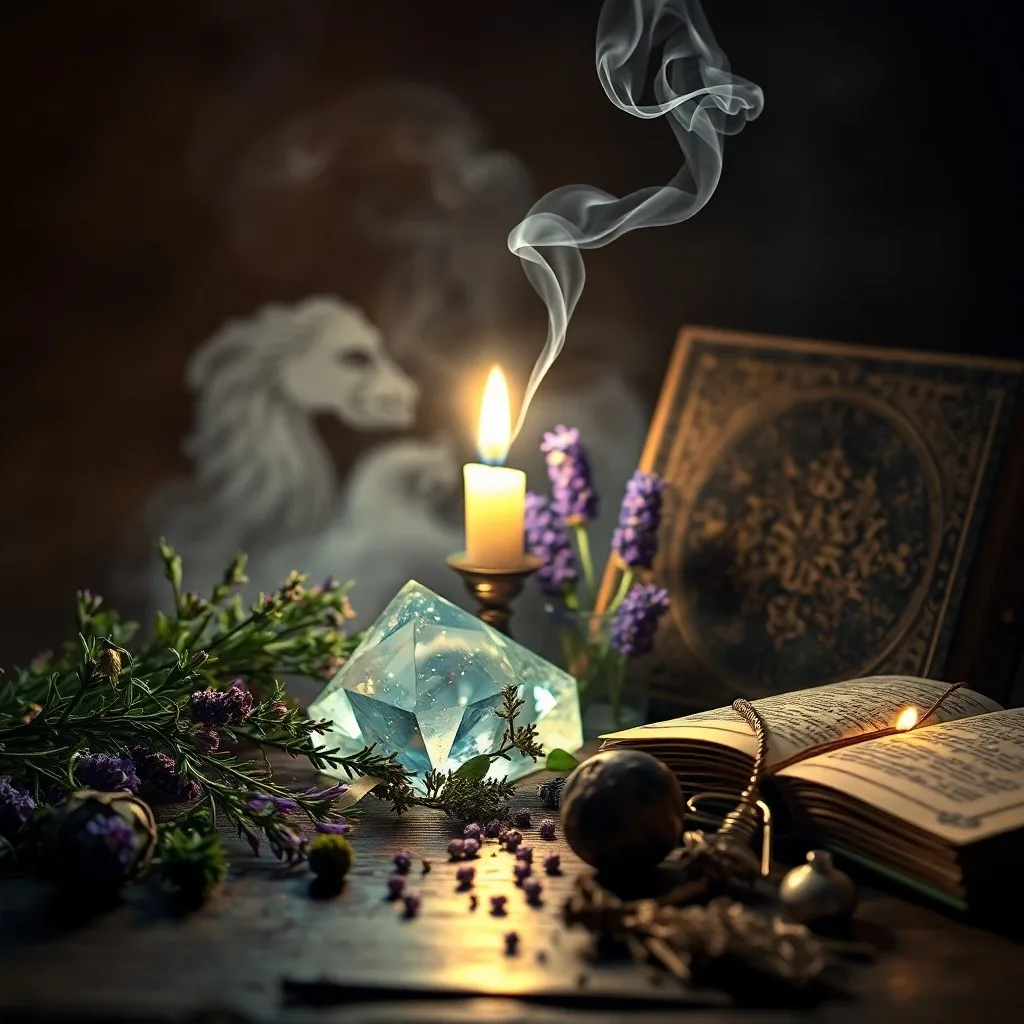
This article delves into the foundational aspects of herbal magic, exploring its historical lineage, the core principles that guide its practice, and the specific applications of various common herbs. We will examine how these traditions, often dismissed as folklore, represent sophisticated systems of knowledge passed down through generations, offering insights into human spirituality and our enduring relationship with the plant kingdom.
Table of Contents
- The Ancient Roots of Herbalism and Magic
- Core Principles of Herbal Magic
- Common Herbs and Their Magical & Healing Properties
- Methods of Application in Herbal Magic
- Ethical Considerations and Modern Practice
- Conclusion: The Enduring Wisdom of Plants
The Ancient Roots of Herbalism and Magic
The use of plants for both healing and spiritual purposes can be traced back to the earliest human civilizations. Archaeological evidence suggests that Neanderthals used medicinal plants as far back as 60,000 years ago, indicating a long-standing relationship between humans and botanical resources. Ancient Egyptians, Mesopotamians, Greeks, Romans, and indigenous cultures worldwide all developed intricate systems of herbal knowledge, often intertwining physical healing with spiritual rites.
In ancient Egypt, priests and healers utilized herbs not only for their pharmacological effects but also in rituals for protection, purification, and communication with deities. Papyrus Ebers, an ancient Egyptian medical text dating back to 1550 BCE, details numerous herbal remedies alongside incantations and magical formulas. Similarly, in Mesopotamia, cuneiform tablets reveal extensive lists of plants used for both medicinal and magical purposes, often invoking spirits or deities to enhance their efficacy.
The Greek physician Dioscorides, in his seminal work "De Materia Medica" (1st century CE), documented hundreds of plants and their uses, influencing Western herbalism for over 1,500 years. While primarily focused on medicinal applications, the underlying cultural context often included beliefs about the plant's spiritual attributes. Indigenous traditions, from the Amazon rainforest to Native American tribes, have maintained unbroken lineages of herbal knowledge, where plants are seen as sentient beings with spirits, offering guidance, healing, and protection when approached with reverence.
- Egyptians: Used herbs like frankincense and myrrh in embalming, rituals, and medicine, believing they connected the living with the divine.
- Mesopotamians: Employed plants such as poppy and mandrake for pain relief and in divination practices.
- Greeks & Romans: Integrated herbal knowledge into their sophisticated medical systems, often associating specific plants with gods and goddesses (e.g., laurel with Apollo for prophecy).
- Indigenous Cultures: View plants as sacred teachers and healers, using them in ceremonies, vision quests, and for community well-being, often guided by shamans or medicine people.
Core Principles of Herbal Magic
Herbal magic operates on several fundamental principles that guide the selection and application of plants. These principles are often rooted in ancient philosophical and spiritual understandings of the cosmos and the interconnectedness of all things. Understanding these concepts is crucial for appreciating the depth and nuance of traditional herbal practices.
One primary principle is the Doctrine of Signatures, which posits that plants reveal their medicinal and magical uses through their appearance, growth habits, or habitat. For example, a plant with heart-shaped leaves might be used for heart ailments or love spells, while a plant with sharp thorns might be used for protection. This intuitive approach allowed early practitioners to discern the properties of plants without extensive scientific analysis.
Another critical aspect is planetary and elemental correspondences. In many traditions, plants are associated with specific planets (e.g., Venus for love, Mars for protection) or elements (e.g., fire for passion, water for emotions). These associations help practitioners choose the right herb for a particular intention, aligning the plant's energy with the desired outcome. For instance, a plant ruled by the Sun might be used for success and vitality, while one ruled by the Moon might be employed for intuition and dreams.

Finally, the power of intention and visualization is paramount. Herbal magic is not merely about combining ingredients; it is about focusing one's will and energy towards a specific goal while working with the plant. The practitioner's mindset, belief, and emotional state are considered integral components that activate and direct the plant's inherent magical properties.
Table: Elemental and Planetary Correspondences of Common Herbs
| Herb | Associated Element | Associated Planet | Common Magical Uses |
|---|---|---|---|
| Lavender | Air, Water | Mercury, Venus | Peace, Sleep, Love, Purification |
| Rosemary | Fire | Sun | Protection, Memory, Cleansing, Healing |
| Chamomile | Water | Sun | Peace, Sleep, Prosperity, Calm |
| Sage | Air | Jupiter | Purification, Wisdom, Protection, Healing |
| Mint | Air | Mercury | Prosperity, Healing, Communication, Travel |
| Basil | Fire | Mars | Love, Wealth, Protection, Exorcism |
| Thyme | Water | Venus | Courage, Purification, Healing, Sleep |
| Dandelion | Air | Jupiter | Divination, Wishes, Healing, Psychic Abilities |
Common Herbs and Their Magical & Healing Properties
A vast array of plants are utilized in herbal magic, each possessing unique attributes that make them suitable for specific intentions. While the list is extensive, certain herbs are particularly well-known for their versatile and potent properties. Understanding these common herbs is a great starting point for anyone interested in this practice.
- Lavender (Lavandula angustifolia): Renowned for its calming scent, lavender is widely used for promoting peace, sleep, and relaxation. Magically, it's associated with love, purification, and attracting positive energy. It can be placed under a pillow for restful sleep or burned as incense for cleansing.
- Rosemary (Rosmarinus officinalis): A powerful herb for protection, cleansing, and memory enhancement. Rosemary is often used in purification rituals, to ward off negative energy, and to strengthen mental clarity. It can be carried as a protective charm or used in baths for spiritual cleansing.
- Chamomile (Matricaria chamomilla): Known for its soothing properties, chamomile is excellent for promoting peace, reducing stress, and encouraging restful sleep. In magic, it attracts prosperity, luck, and dispels curses. A chamomile tea can be a calming ritual before sleep.
- Sage (Salvia officinalis): White sage (Salvia apiana) is particularly famous for smudging, a practice of burning dried sage to purify spaces, objects, and individuals. Common garden sage also carries strong protective and cleansing energies, promoting wisdom and healing.
- Mint (Mentha spp.): Various types of mint are used for prosperity, healing, and communication. Peppermint, for instance, is invigorating and can be used to boost energy or attract wealth. Spearmint is often associated with love and healing.
- Basil (Ocimum basilicum): A potent herb for love, wealth, and protection. Basil is believed to attract good fortune and strengthen relationships. It can be placed near doorways for protection or carried in a wallet to attract money.
- Thyme (Thymus vulgaris): Associated with courage, purification, and healing, thyme is often used to cleanse spaces and promote restful sleep. It can be burned as incense to purify an area or placed in a sachet for courage.
- Dandelion (Taraxacum officinale): Often considered a weed, dandelion has strong magical associations with divination, wishes, and healing. Its puffball seeds are famously used for making wishes, and the root can be used in divinatory practices.
Methods of Application in Herbal Magic
The application of herbs in magical and healing rituals is diverse, reflecting the creativity and resourcefulness of practitioners across different traditions. The method chosen often depends on the specific intention, the properties of the herb, and cultural practices. Here are some of the most common ways plants are utilized:
- Infusions and Decoctions (Teas): Drinking herbal teas is a common way to ingest the healing and energetic properties of plants. An infusion (steeping) is used for delicate parts like leaves and flowers, while a decoction (simmering) is for harder parts like roots and bark. These are used for internal healing, relaxation, or to prepare for meditation.
- Incense and Smudging: Burning dried herbs or resins releases their aromatic compounds and energetic essence into the air. This method is widely used for purification, cleansing spaces, inviting specific energies, or facilitating spiritual communication. Sage, frankincense, and rosemary are popular choices.
- Poultices and Compresses: For physical healing, herbs can be crushed and applied directly to the skin as a poultice, or steeped in hot water and applied as a compress. This method delivers the plant's medicinal properties topically, often used for wounds, inflammation, or muscle aches.
- Sachets and Charms: Small bags filled with dried herbs, often combined with other symbolic items like crystals or charms, are carried or placed in specific locations. These are used for personal protection, attracting love, prosperity, or promoting sleep.
- Oils and Tinctures: Herbs can be infused into carrier oils (like olive or almond oil) to create magical oils for anointing candles, tools, or the body. Tinctures, made by soaking herbs in alcohol, are potent extracts used for medicinal purposes.
- Baths and Washes: Adding herbs to bathwater or creating herbal washes is a powerful way to cleanse the aura, purify the body, or invite specific energies. For example, a lavender bath can promote relaxation, while a rosemary wash can cleanse negative influences.
- Garnishes and Offerings: Fresh herbs can be used to garnish ritual spaces, altars, or foods consumed during ceremonies. They can also be offered directly to deities, spirits, or the earth as a gesture of gratitude or to establish a connection.

Each method is chosen to best align with the plant's properties and the practitioner's intention, creating a holistic approach to working with plant energies. The ritualistic aspect of preparation and application is often as important as the herb itself, enhancing the overall efficacy through focused intention and mindful action.
Ethical Considerations and Modern Practice
As with any practice involving natural resources, ethical considerations are paramount in herbal magic. Responsible sourcing, sustainable harvesting, and respect for the environment are crucial. Over-harvesting wild plants can lead to ecological damage and endangerment of species. Therefore, practitioners are encouraged to grow their own herbs, purchase from ethical suppliers, or forage responsibly with proper knowledge and permission.
Moreover, it's vital to approach herbal magic with a discerning mind. While many herbs have documented medicinal benefits, herbal magic is not a substitute for professional medical advice or treatment. It can serve as a complementary practice, supporting well-being and spiritual health, but should not replace conventional healthcare for serious conditions. Always consult with healthcare professionals for any health concerns.
In modern times, herbal magic has experienced a resurgence, often integrated into broader holistic wellness movements and spiritual practices. Many individuals are drawn to its natural approach, its emphasis on personal connection to nature, and its rich historical heritage. It offers a path for self-exploration, spiritual growth, and a deeper appreciation for the subtle forces of the natural world.
Modern practitioners often combine traditional knowledge with contemporary understanding, creating personalized rituals that resonate with their individual beliefs. This adaptation ensures the continued relevance and evolution of herbal magic, allowing it to thrive in a world that increasingly seeks connection, meaning, and natural forms of healing. The practice encourages mindfulness, presence, and a conscious interaction with the plant kingdom, fostering a sense of harmony and balance.
Conclusion: The Enduring Wisdom of Plants
Herbal magic, far from being a relic of the past, remains a vibrant and evolving practice that continues to captivate and inspire. It is a testament to humanity's enduring fascination with the natural world and our innate desire to connect with its deeper mysteries. By understanding the historical roots, core principles, and practical applications of herbal magic, we gain insight into a rich tapestry of human culture and spirituality.
Whether approached from a historical, ethnobotanical, or purely spiritual perspective, the intentional use of plants offers a profound way to engage with healing, protection, and personal growth. It reminds us of the interconnectedness of life and the subtle yet powerful energies that permeate our environment. As we continue to explore the wisdom held within the plant kingdom, herbal magic stands as a timeless bridge between the mundane and the mystical, offering a path to deeper understanding and well-being.
Fuente: Contenido híbrido asistido por IAs y supervisión editorial humana.


Comments
Post a Comment