
Ceres Aspects: Nurturing Soul, Relationship Dynamics | StarPluto
In the intricate tapestry of astrological interpretation, the asteroid Ceres holds a significant, yet often underestimated, position. Named after the Roman goddess of agriculture, grain, and motherly love, Ceres in a birth chart illuminates our fundamental needs for nurturing, self-worth, and the dynamics of our attachment patterns. Understanding Ceres in aspects, particularly in relation to other planets, provides profound insights into how we give and receive care, process loss, and cultivate emotional security within our relationships.
Introduction to Ceres in Astrology: The Nurturing Instinct
Ceres, the largest asteroid in the asteroid belt, was reclassified as a dwarf planet in 2006. Astrologically, it represents our capacity for nurturing, both towards ourselves and others. It governs themes of unconditional love, self-care, food, agriculture, and the sacred bond between mother and child. Furthermore, Ceres highlights how we cope with separation, loss, and feelings of abandonment, reflecting our primal need for security and belonging.
When examining Ceres in the birth chart, astrologers look at its sign, house placement, and, crucially, its aspects to other planets. Aspects reveal the dynamic interplay between different planetary energies, indicating areas of ease, challenge, or integration. A deep dive into Ceres' aspects can unveil hidden patterns in our emotional landscape and provide guidance on how to foster healthier, more fulfilling relationships.
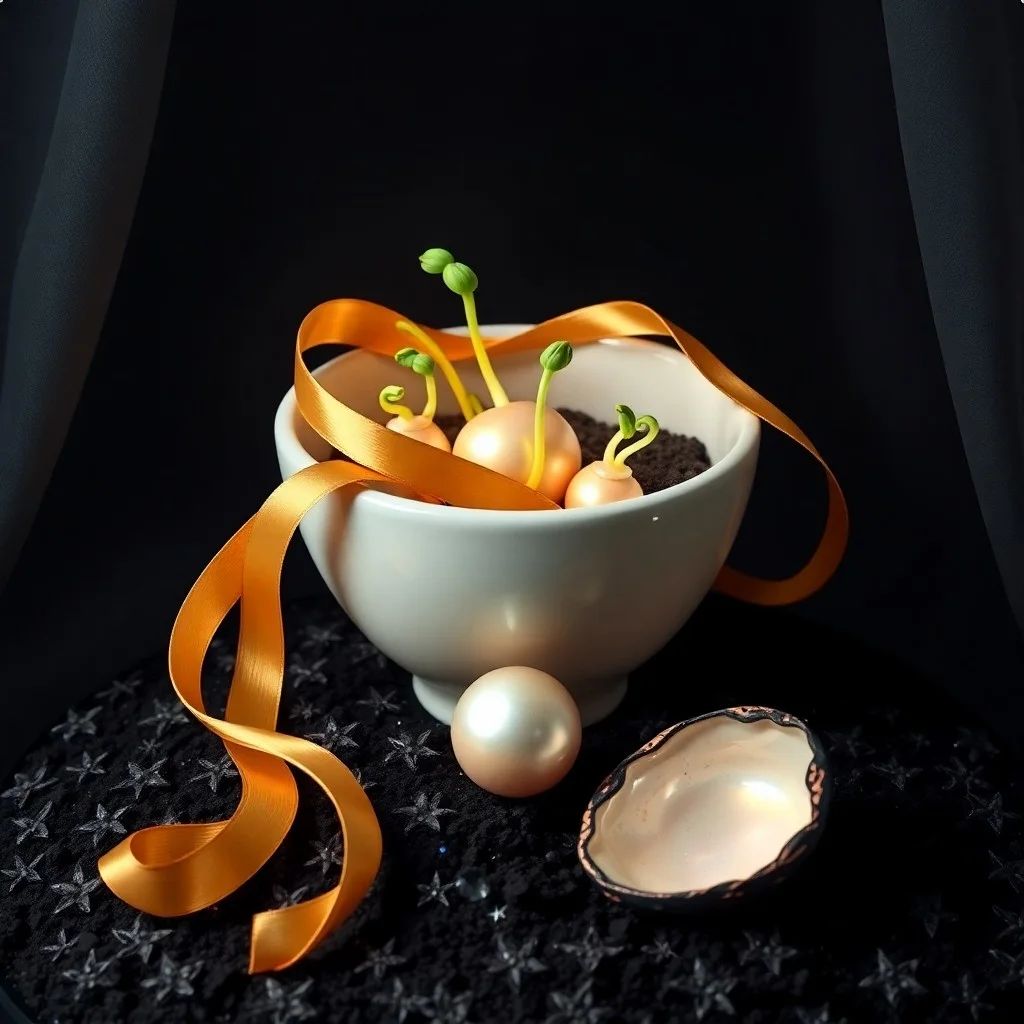
Ceres, depicted as a Tarot Quantum Mechanics Intersecting Divination Reality, symbolizes the profound depths of nurturing and our intrinsic need for connection within the cosmos.
Ceres in Conjunctions: Merging Nurturing Energies
A conjunction occurs when two planets are within a small orb of each other, typically 0-10 degrees, indicating a powerful fusion of their energies. When Ceres forms a conjunction with another planet, its nurturing themes become deeply intertwined with the expression of that planet.
- Ceres Conjunct Sun: This aspect suggests that nurturing and self-worth are central to one's identity. Individuals with this conjunction often define themselves by their ability to care for others or by how well they are nurtured. There can be a strong need for recognition in their caregiving roles, and a deep connection to their inner child. Learning to nurture their own unique essence is key.
- Ceres Conjunct Moon: This is a powerful combination for emotional nurturing. The individual's emotional security (Moon) is deeply tied to their capacity to nurture and be nurtured (Ceres). There can be a profound, almost instinctual understanding of emotional needs, but also a tendency to over-nurture or become overly dependent on receiving care. Early childhood experiences with mother figures are particularly significant.
- Ceres Conjunct Mercury: Nurturing through communication and intellect is highlighted here. These individuals may express care through teaching, sharing information, or listening attentively. They might also need intellectual stimulation to feel nurtured. Challenges could arise in communicating their own needs for care, or in intellectualizing emotional support.
- Ceres Conjunct Venus: This conjunction blends nurturing with love, beauty, and values. There's a natural inclination to express affection through acts of care, comfort, and creating a harmonious environment. Self-worth is often linked to their ability to give and receive love. Potential issues include codependency or defining self-worth solely through relationships.
- Ceres Conjunct Mars: This aspect can manifest as an active, sometimes assertive, approach to nurturing. Individuals may fight for the well-being of others or passionately defend those they care for. There can be a strong drive to provide and protect. The challenge lies in balancing this assertiveness with gentle care, avoiding aggression in their nurturing efforts, or feeling resentful if their efforts are not reciprocated.
- Ceres Conjunct Jupiter: An expansive and generous approach to nurturing. These individuals may find joy in providing abundance, support, and wisdom to others. They often have a philosophical view of caregiving and may seek to nurture on a large scale. The shadow side can involve overindulgence or an expectation that their generosity will always be met with gratitude.
- Ceres Conjunct Saturn: This conjunction brings a sense of responsibility and structure to nurturing. Caregiving may feel like a duty, or there could be a reserved, perhaps even inhibited, expression of affection. There might be early experiences of lacking nurturing, leading to a need to build strong, reliable foundations for security. Learning to soften and trust the flow of care is important.
- Ceres Conjunct Uranus: Nurturing in unconventional or independent ways. These individuals may challenge traditional notions of care, preferring to offer support that promotes freedom and individuality. They might seek unique ways to feel nurtured or experience sudden shifts in their nurturing relationships. There's a need to balance their desire for independence with the inherent need for connection.
- Ceres Conjunct Neptune: A highly compassionate and empathetic approach to nurturing. These individuals may intuitively understand the needs of others and offer spiritual or artistic forms of support. There can be a tendency to idealize nurturing relationships or to become a martyr. Boundaries are crucial to avoid being overwhelmed by others' needs or falling into illusion regarding care.
- Ceres Conjunct Pluto: This is an intense and transformative conjunction related to nurturing. Themes of power, control, loss, and regeneration are deeply embedded in their caregiving dynamics. There may be profound experiences of abandonment or betrayal that force a complete restructuring of their approach to nurturing. Healing and empowerment come from transforming old wounds related to care and attachment.

A still life arrangement depicting ancient pottery and grains, symbolizing the deep-rooted nature of Tarot Quantum Mechanics Intersecting Divination Reality in human connections.
Ceres in Harmonious Aspects: Flow and Ease in Nurturing
Trines (120 degrees) and sextiles (60 degrees) are considered harmonious aspects, indicating a natural flow and ease between the planetary energies involved. When Ceres forms these aspects, the individual typically finds it easier to express and receive nurturing.
- Ceres Trine/Sextile Sun: A natural integration of nurturing with one's core identity. These individuals feel good about themselves when they are nurturing or are being nurtured. They often have a healthy sense of self-worth tied to their capacity for care.
- Ceres Trine/Sextile Moon: This aspect facilitates emotional comfort and security through nurturing. There's an innate ability to understand and respond to emotional needs, both their own and others'. This often indicates a supportive early home environment.
- Ceres Trine/Sextile Mercury: Easy and effective communication of nurturing needs and expressions. These individuals can articulate their desire for care and offer verbal support with grace. They might be skilled at teaching or writing about self-care.
- Ceres Trine/Sextile Venus: A natural blending of love and nurturing. These individuals find it easy to express affection through acts of care and comfort, and they attract loving, supportive relationships. There's a harmonious connection between self-worth and receiving love.
- Ceres Trine/Sextile Mars: This aspect provides a healthy drive to nurture and protect. Individuals can assert their needs for care without aggression and are proactive in supporting others. Their actions in caregiving are often effective and well-received.
- Ceres Trine/Sextile Jupiter: Expansive and optimistic nurturing. These individuals easily find opportunities to give and receive care, often benefiting from abundant resources or a philosophical approach to life's challenges. They inspire hope and growth through their support.
- Ceres Trine/Sextile Saturn: This aspect brings a stable and responsible approach to nurturing. While still structured, the care given is reliable and consistent, fostering a sense of long-term security. They learn from past experiences to build enduring support systems.
- Ceres Trine/Sextile Uranus: An innovative and freeing approach to nurturing. These individuals offer support in unique ways that encourage independence and authenticity. They may find unexpected sources of care or embrace non-traditional family structures.
- Ceres Trine/Sextile Neptune: Compassionate and intuitive nurturing. These individuals have a natural empathy and can offer spiritual or artistic solace. They may easily connect with universal love and find healing through selfless acts of care, maintaining healthy boundaries.
- Ceres Trine/Sextile Pluto: This aspect suggests a natural capacity for deep psychological healing through nurturing. Individuals can transform past wounds related to care and emerge stronger. They may be drawn to professions that involve profound emotional support or regeneration.
Ceres in Challenging Aspects: Growth Through Struggle
Squares (90 degrees) and oppositions (180 degrees) are considered challenging aspects, indicating tension, conflict, or areas requiring conscious effort and integration. When Ceres forms these aspects, there can be difficulties in expressing or receiving nurturing, often stemming from early life experiences or unresolved emotional issues.
- Ceres Square/Opposite Sun: A conflict between one's identity and their nurturing needs or capacity. Individuals may struggle with self-worth if they feel inadequately nurtured or if their caregiving efforts are not recognized. There can be a push-pull dynamic in relationships regarding who provides care.
- Ceres Square/Opposite Moon: Significant emotional challenges related to nurturing and security. Early experiences might have involved inconsistent or conditional care, leading to deep-seated emotional insecurities. There can be a tendency to project nurturing needs onto others or to struggle with self-nurturing.
- Ceres Square/Opposite Mercury: Difficulties in communicating nurturing needs or expressing care verbally. Misunderstandings about emotional support are common. These individuals may intellectualize their feelings about care or struggle to articulate what makes them feel secure.
- Ceres Square/Opposite Venus: Tension between love, self-worth, and nurturing. Relationships may be fraught with issues of codependency, feeling unloved, or struggling to balance their own needs with those of a partner. There can be a tendency to seek validation through caregiving.
- Ceres Square/Opposite Mars: Conflict or frustration in nurturing efforts. Individuals may become aggressive when trying to provide care, or feel angry if their needs are unmet. There can be power struggles over who nurtures whom, or a tendency to burn out from over-giving.
- Ceres Square/Opposite Jupiter: Challenges in finding balance with generosity and nurturing. There might be a tendency to over-promise or over-give, leading to resentment, or a struggle with feelings of inadequacy despite their best efforts. Learning discernment in where to invest their nurturing energy is key.
- Ceres Square/Opposite Saturn: Deep-seated fears or inhibitions around nurturing. There may have been early experiences of deprivation or harshness, leading to a guarded approach to giving and receiving care. Learning to trust and build secure, yet flexible, boundaries is vital for emotional security.
- Ceres Square/Opposite Uranus: Unpredictable or disruptive patterns in nurturing relationships. Individuals may experience sudden separations or feel that their nurturing needs are met in erratic ways. There can be a tension between their desire for freedom and their need for stable care.
- Ceres Square/Opposite Neptune: Confusion, delusion, or boundary issues in nurturing. Individuals may struggle to discern genuine care from manipulation, or they might idealize nurturing relationships to their detriment. There's a need to develop clear boundaries and a realistic understanding of emotional support.
- Ceres Square/Opposite Pluto: Profound and often painful challenges related to nurturing, loss, and control. This aspect can indicate deep wounds from abandonment, betrayal, or power dynamics within caregiving relationships. The path to healing involves confronting these intense emotions and transforming their approach to self-nurturing and attachment.

An abstract watercolor representing the intricate and often fluid nature of Tarot Quantum Mechanics Intersecting Divination Reality through nurturing connections.
Ceres in Minor Aspects: Subtle Influences on Nurturing
While conjunctions, trines, sextiles, squares, and oppositions are the major aspects, minor aspects also offer valuable insights into the nuances of Ceres' influence. The quincunx (150 degrees) and semi-sextile (30 degrees) are particularly noteworthy.
- Ceres Quincunx (Inconjunct) to a Planet: This aspect indicates a need for adjustment and integration. There's often a feeling of awkwardness or difficulty in harmonizing the energies of Ceres with the other planet. For example, Ceres quincunx Sun might mean an individual constantly adjusts their self-expression to meet nurturing needs, or vice versa, leading to a feeling of being out of sync. It requires conscious effort to find a healthy balance.
- Ceres Semi-Sextile to a Planet: A subtle, often unconscious, connection that can provide opportunities for growth if recognized. This aspect suggests a potential for support between Ceres and the other planet, but it requires awareness and deliberate action to utilize. It's a gentle nudge towards integrating nurturing themes into the planet's expression.
Ceres Through the Houses: Where Nurturing Manifests
While aspects describe *how* Ceres' energy interacts, its house placement indicates *where* these themes manifest most prominently in life. For instance, Ceres in the 1st House emphasizes self-nurturing and how one presents their need for care to the world. Ceres in the 7th House focuses on nurturing dynamics within partnerships and one-on-one relationships. The house placement modifies the expression of Ceres' aspects, adding another layer of depth to the interpretation.
A comprehensive understanding of Ceres requires synthesizing its sign, house, and all its aspects. Each layer contributes to a unique narrative of an individual's nurturing journey, revealing their strengths, vulnerabilities, and areas for growth in self-care and relational dynamics.
Psychological Dimensions of Ceres Aspects: Healing and Growth
From a psychological perspective, Ceres aspects can highlight core wounds related to early childhood experiences, particularly those involving separation, loss, or perceived abandonment. The myth of Ceres and Persephone, with its themes of abduction, loss, and eventual reunion, deeply resonates with these psychological undercurrents. Challenging Ceres aspects may indicate areas where an individual feels a profound lack of nurturing or struggles with attachment issues, leading to patterns of codependency, people-pleasing, or emotional withdrawal.
Conversely, harmonious Ceres aspects suggest a natural capacity for self-care and the ability to form healthy, supportive bonds. Even challenging aspects, however, offer immense potential for growth. By consciously addressing the tensions revealed by these aspects, individuals can embark on a journey of healing, learning to cultivate self-compassion, establish healthy boundaries, and develop more secure attachment styles. This process often involves re-parenting the inner child and finding sustainable ways to nurture one's own soul, independent of external validation.
| Aspect Type | Core Theme | Manifestation | Growth Opportunity |
|---|---|---|---|
| Conjunction (0-10°) | Fusion of energies; core identity. | Nurturing is central to self-expression; strong identification with caregiving. | Integrating nurturing with personal purpose; conscious self-care. |
| Trine (120°) | Natural flow; ease; talent. | Effortless expression/reception of nurturing; natural emotional security. | Utilizing inherent gifts for self and others; maintaining healthy balance. |
| Sextile (60°) | Opportunity; cooperation. | Opportunities for supportive connections; easy exchange of care. | Actively seeking and creating supportive environments. |
| Square (90°) | Tension; conflict; action required. | Internal/external conflicts regarding nurturing; feelings of inadequacy. | Confronting issues; developing new strategies for self-care and boundaries. |
| Opposition (180°) | Polarization; awareness of other. | Projecting nurturing needs onto others; relationship imbalances. | Finding balance between self and other; conscious relationship dynamics. |
| Quincunx (150°) | Adjustment; integration; awkwardness. | Difficulty in harmonizing nurturing with other planetary needs; constant adjustments. | Conscious effort to find equilibrium; developing adaptive strategies. |
Conclusion: Embracing Your Nurturing Blueprint
Ceres in aspects offers a profound lens through which to view our nurturing instincts, our capacity for self-care, and the intricate dynamics of our relationships. By understanding these celestial connections, individuals can gain clarity on their inherent needs for emotional security, identify patterns of giving and receiving care, and ultimately, cultivate a more balanced and fulfilling life. Whether through harmonious flow or challenging lessons, Ceres guides us towards a deeper appreciation of our soul's need for sustenance and connection, urging us to nurture ourselves as profoundly as we nurture others.
Fuente: Contenido híbrido asistido por IAs y supervisión editorial humana.


Comments
Post a Comment