
Chinese Zodiac Compatibility by Element: A Nuanced Matchmaking Analysis | StarPluto
The Chinese Zodiac, a complex system rooted in ancient Chinese philosophy and astrology, offers profound insights into personality traits, life paths, and interpersonal dynamics. While many are familiar with the twelve animal signs, a deeper layer of analysis involves the Five Elements: Wood, Fire, Earth, Metal, and Water. These elements, when interwoven with the animal signs, create a nuanced framework for understanding compatibility, revealing not just surface-level attractions but the underlying energetic currents that shape relationships.
This comprehensive guide delves into the elemental compatibility within the Chinese Zodiac, moving beyond simple animal pairings to explore the intricate interactions of the elements. Understanding these dynamics can illuminate the strengths, challenges, and potential growth areas in any relationship, fostering greater harmony and mutual understanding. By analyzing the productive, destructive, and weakening cycles, we can unlock a more sophisticated perspective on matchmaking and personal interactions.
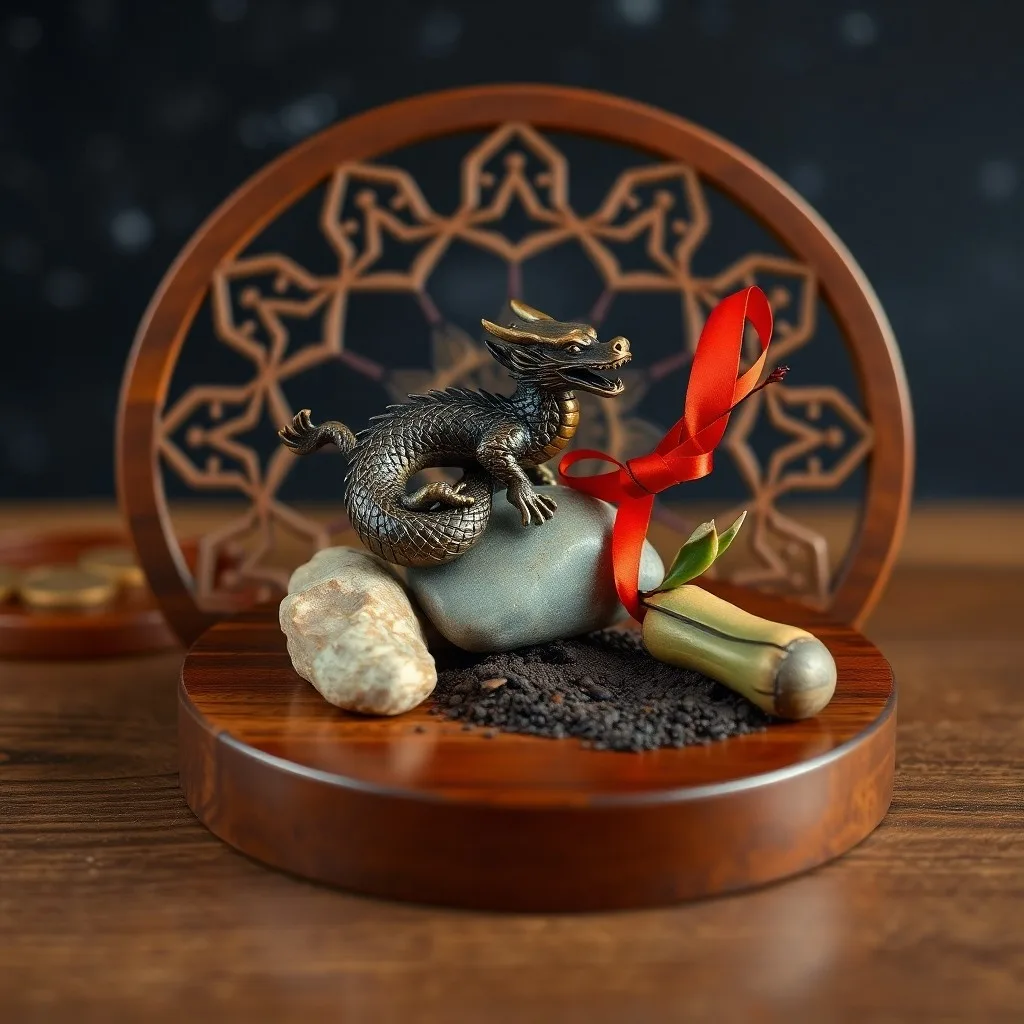
Understanding the intricate, cyclical interactions of the Five Chinese Elements is key to deciphering true compatibility.
Table of Contents
- The Five Elements in Chinese Metaphysics
- The Three Elemental Cycles of Interaction
- The Productive (Sheng) Cycle: Nurturing Harmony
- The Destructive (Ke) Cycle: Challenging Growth
- The Weakening (Xie) Cycle: Subtler Influences
- Elemental Compatibility Matrix
- Integrating Animal Signs with Elemental Compatibility
- Nuanced Matchmaking: Beyond Simple Rules
- Practical Application in Relationships
- Common Misconceptions and Deeper Insights
- Conclusion: The Art of Elemental Harmony
The Five Elements in Chinese Metaphysics
In Chinese philosophy, the Five Elements (Wu Xing) are not merely substances but dynamic phases of energy that describe the natural world and human experience. Each element possesses unique characteristics, strengths, and weaknesses, influencing personality, health, and destiny. Understanding these fundamental qualities is the first step toward grasping elemental compatibility.
- Wood (木 - Mù): Represents growth, creativity, ambition, and flexibility. Wood types are often pioneering, assertive, and visionary. They thrive on new ideas and expansion but can be stubborn or overly competitive.
- Fire (火 - Huǒ): Symbolizes passion, enthusiasm, leadership, and dynamism. Fire individuals are energetic, charismatic, and love to be in the spotlight. They can be impulsive, impatient, and prone to burnout.
- Earth (土 - Tǔ): Embodies stability, practicality, nurturing, and reliability. Earth personalities are grounded, loyal, and supportive, valuing security and harmony. They can sometimes be overly cautious, stubborn, or resistant to change.
- Metal (金 - Jīn): Signifies structure, discipline, integrity, and precision. Metal types are organized, resolute, and fair-minded, often possessing strong moral principles. They can be rigid, critical, or aloof.
- Water (水 - Shuǐ): Represents intuition, adaptability, wisdom, and empathy. Water individuals are perceptive, introspective, and flow easily with change. They can be secretive, indecisive, or prone to emotional extremes.
Each person is associated with a primary element based on their birth year, which then combines with their animal sign to form a specific elemental animal. For example, a person born in 1984 (Year of the Rat) is a Wood Rat, while someone born in 1972 (Year of the Rat) is a Water Rat. This elemental overlay adds significant depth to their inherent animal characteristics, making compatibility analysis far more intricate than just comparing animal signs.
The Three Elemental Cycles of Interaction
The Five Elements interact through three primary cycles: the Productive (Sheng) Cycle, the Destructive (Ke) Cycle, and the Weakening (Xie) Cycle. These cycles describe how elements influence each other, either harmoniously or antagonistically, and are crucial for understanding the energetic flow between individuals in a relationship. A balanced relationship often involves a mix of these cycles, with productive interactions outweighing destructive ones.
The Productive (Sheng) Cycle: Nurturing Harmony
The Productive Cycle describes how one element nurtures or supports another, leading to growth, harmony, and mutual benefit. Relationships aligned with this cycle often feel natural, supportive, and enriching. Partners tend to bring out the best in each other, providing strength and encouragement.
- Wood feeds Fire: Wood provides fuel for Fire to burn brightly. In a relationship, Wood types inspire and energize Fire types, while Fire types help Wood types express their creativity and passion.
- Fire creates Earth: Fire reduces to ash, which enriches the Earth. Fire personalities bring warmth and vitality to Earth types, helping them to be more dynamic. Earth types provide stability and a foundation for Fire's ambitions.
- Earth bears Metal: Metal is extracted from the Earth. Earth individuals offer grounding and security to Metal types, who in turn provide structure and discipline, helping Earth types refine their ideas.
- Metal carries Water: Metal melts into liquid or holds Water. Metal personalities bring clarity and focus to Water types, who offer adaptability and emotional depth, helping Metal types to be more flexible.
- Water nourishes Wood: Water allows Wood to grow. Water individuals provide emotional support and intuition to Wood types, fostering their growth and creativity. Wood types give direction and purpose to Water's fluidity.

Ancient texts and tools symbolize the profound historical depth of elemental studies in Chinese culture.
The Destructive (Ke) Cycle: Challenging Growth
The Destructive Cycle describes how one element controls or overcomes another. While often perceived negatively, these interactions can also represent challenges that lead to growth, teaching individuals to overcome obstacles and develop resilience. Relationships in this cycle may experience more friction but can also forge stronger bonds through shared struggles.
- Wood parts Earth: Wood roots break up the Earth. Wood types can overwhelm or dominate Earth types, challenging their stability. Earth types may feel their foundations shaken by Wood's assertiveness.
- Earth absorbs Water: Earth dams or absorbs Water. Earth personalities can restrict or control Water types, limiting their flow and adaptability. Water types may feel stifled or misunderstood by Earth's rigidity.
- Water quenches Fire: Water extinguishes Fire. Water types can dampen the enthusiasm or passion of Fire types, causing them to feel suppressed. Fire types may find Water's emotional depth overwhelming or draining.
- Fire melts Metal: Fire transforms Metal. Fire personalities can break down the structure or discipline of Metal types, leading to disarray. Metal types may feel their principles compromised or their resolve weakened by Fire's intensity.
- Metal chops Wood: Metal axes cut Wood. Metal types can be overly critical or rigid towards Wood types, hindering their growth and creativity. Wood types may feel stifled or cut down by Metal's sharp judgments.
The Weakening (Xie) Cycle: Subtler Influences
The Weakening Cycle, also known as the Exhausting Cycle, describes how one element drains or exhausts another. These interactions are less direct than destructive cycles but can still lead to imbalances if not managed. In relationships, one partner might unintentionally drain the energy or resources of the other, leading to fatigue or resentment over time.
- Wood exhausts Water: Wood absorbs Water to grow. Wood types may inadvertently drain Water types' emotional or intuitive resources, leaving them feeling depleted.
- Water exhausts Metal: Water rusts Metal or wears it down. Water personalities can soften Metal types' resolve or erode their boundaries, making them less decisive.
- Metal exhausts Earth: Metal is extracted from Earth, depleting it. Metal types might demand too much stability or resources from Earth types, causing them to feel overworked or undervalued.
- Earth exhausts Fire: Earth smothers Fire. Earth personalities can dampen Fire types' enthusiasm or spontaneity, making them feel stifled or uninspired.
- Fire exhausts Wood: Fire burns Wood. Fire types might consume Wood types' creative energy or ambition, leading to burnout or a lack of direction for Wood.

The vibrant blend of elemental energies in a watercolor style captures the essence of their dynamic interactions.
Elemental Compatibility Matrix
This table provides a detailed overview of how each element interacts with another, highlighting the primary cycle and its implications for compatibility. Remember, these are general tendencies, and individual personalities and conscious effort can always shift dynamics. For further exploration of zodiac animals and their traits, consider delving into Tarot Esoteric Geometry: Unlocking Universal Truths Sacred Shapes.
| Your Element | Partner's Element | Interaction Type | Compatibility Dynamics |
|---|---|---|---|
| Wood | Wood | Neutral/Supportive | Similar ambitions, strong bond, but can lead to competition or lack of differing perspectives. Mutual growth is possible. |
| Wood | Fire | Productive (Wood feeds Fire) | Highly compatible. Wood provides inspiration and support; Fire brings passion and dynamism. A vibrant, energetic pairing. |
| Wood | Earth | Destructive (Wood parts Earth) | Challenging. Wood's growth can destabilize Earth's need for security. Requires patience and compromise to find balance. |
| Wood | Metal | Destructive (Metal chops Wood) | Difficult. Metal's rigidity can stifle Wood's creativity. Wood may feel criticized, Metal may see Wood as undisciplined. |
| Wood | Water | Productive (Water nourishes Wood) / Weakening (Wood exhausts Water) | Generally good. Water supports Wood's growth. However, Wood must be mindful not to drain Water's emotional resources. |
| Fire | Wood | Productive (Wood feeds Fire) | Excellent. Fire thrives on Wood's energy. Wood finds purpose in Fire's direction. A dynamic and passionate match. |
| Fire | Fire | Neutral/Intense | High energy and passion, but can lead to intense arguments or burnout if not managed. Shared enthusiasm is a strong point. |
| Fire | Earth | Productive (Fire creates Earth) | Very compatible. Fire brings warmth and creativity to Earth, while Earth provides stability and grounding for Fire's ideas. |
| Fire | Metal | Destructive (Fire melts Metal) | Challenging. Fire's intensity can overwhelm Metal's need for order. Metal may feel pressured, Fire may see Metal as rigid. |
| Fire | Water | Destructive (Water quenches Fire) | Difficult. Water can extinguish Fire's passion. Fire may find Water too emotional, Water may see Fire as too impulsive. |
| Earth | Wood | Destructive (Wood parts Earth) | Challenging. Wood's desire for growth can feel disruptive to Earth's need for stability. Requires strong communication. |
| Earth | Fire | Productive (Fire creates Earth) | Excellent. Earth provides a solid foundation for Fire's creative energy. Fire inspires Earth to be more dynamic and expressive. |
| Earth | Earth | Neutral/Stable | Very stable and secure, but can become stagnant or resistant to change. Shared values and practicality are key. |
| Earth | Metal | Productive (Earth bears Metal) / Weakening (Metal exhausts Earth) | Generally good. Earth provides resources for Metal. Metal offers structure. Earth needs to set boundaries to avoid being drained. |
| Earth | Water | Destructive (Earth absorbs Water) | Challenging. Earth can restrict Water's flow. Water may feel stifled, Earth may find Water too unpredictable. |
| Metal | Wood | Destructive (Metal chops Wood) | Difficult. Metal's critical nature can harm Wood's creativity. Wood may feel suppressed, Metal may see Wood as disorderly. |
| Metal | Fire | Destructive (Fire melts Metal) | Challenging. Fire's passion can overwhelm Metal's discipline. Metal may feel their boundaries violated, Fire may see Metal as cold. |
| Metal | Earth | Productive (Earth bears Metal) | Excellent. Earth provides stability and resources for Metal. Metal brings structure and clarity to Earth's endeavors. |
| Metal | Metal | Neutral/Structured | Highly organized and principled, but can be rigid or overly critical of each other. Shared values and discipline are strong. |
| Metal | Water | Productive (Metal carries Water) / Weakening (Water exhausts Metal) | Generally good. Metal brings structure to Water's fluidity. Water can soften Metal. Metal needs to be careful not to be drained by Water's emotional depth. |
| Water | Wood | Productive (Water nourishes Wood) | Excellent. Water fosters Wood's growth and creativity. Wood provides direction for Water's adaptability. A very supportive match. |
| Water | Fire | Destructive (Water quenches Fire) | Difficult. Water can dampen Fire's enthusiasm. Fire may see Water as too emotional or passive, Water may find Fire too aggressive. |
| Water | Earth | Destructive (Earth absorbs Water) | Challenging. Earth can restrict Water's freedom. Water may feel trapped, Earth may find Water too elusive or unpredictable. |
| Water | Metal | Productive (Metal carries Water) | Excellent. Metal provides structure and clarity for Water's intuition. Water brings flexibility and emotional depth to Metal. |
| Water | Water | Neutral/Fluid | Deep emotional connection and intuition, but can lead to indecisiveness or emotional volatility. Shared empathy is a strong point. |
Integrating Animal Signs with Elemental Compatibility
While the elemental cycles provide a foundational understanding, the specific animal signs of each partner add another layer of complexity. Each animal sign is inherently associated with a fixed element, which then interacts with the elemental year of birth. For instance, the Rat is inherently Water, the Ox is Earth, the Tiger is Wood, the Rabbit is Wood, the Dragon is Earth, the Snake is Fire, the Horse is Fire, the Goat is Earth, the Monkey is Metal, the Rooster is Metal, the Dog is Earth, and the Pig is Water.
When evaluating compatibility, one must consider both the natal element (from the birth year) and the inherent element of the animal sign. For example, a Wood Rat (born in a Wood year, inherent Water sign) paired with a Fire Horse (born in a Fire year, inherent Fire sign) would involve multiple elemental interactions. The Wood of the Rat feeds the Fire of the Horse (productive), but the inherent Water of the Rat quenches the inherent Fire of the Horse (destructive). This creates a dynamic tension that can be both challenging and stimulating. For more on specific animal traits, explore Tarot Esoteric Geometry: Unlocking Universal Truths Sacred Shapes.
Nuanced Matchmaking: Beyond Simple Rules
True compatibility analysis requires looking at the entire elemental profile of each individual. A relationship isn't solely defined by one productive or destructive interaction. Instead, it's a tapestry woven from all the elemental influences. A couple might have a primary destructive elemental interaction but strong productive interactions in other areas, such as their inherent animal elements or even their daily interactions (which can be seen as mini-elemental cycles).
- Overcoming Destructive Cycles: Awareness is the first step. If a couple has a "Metal chops Wood" dynamic, the Metal partner can learn to be less critical, and the Wood partner can develop resilience and assertiveness.
- Leveraging Productive Cycles: Identify where your elements support each other and consciously lean into those strengths. If Fire creates Earth, the Fire partner can inspire the Earth partner, and the Earth partner can provide stability.
- Mitigating Weakening Cycles: Recognize where one partner might be draining the other. For instance, if Wood exhausts Water, the Wood partner should ensure they are also providing emotional nourishment to the Water partner, rather than just taking.
This holistic approach emphasizes that compatibility is not a fixed state but a dynamic process. It's about understanding the energetic blueprint and then consciously working with it. For a deeper understanding of astrological influences, you might find insights in Tarot Esoteric Geometry: Unlocking Universal Truths Sacred Shapes.
Practical Application in Relationships
Applying elemental compatibility in real-world relationships involves self-awareness, empathy, and a willingness to adapt. It's not about finding a "perfect" match, but understanding the inherent dynamics and how to navigate them constructively. This knowledge can be particularly useful in areas like communication, conflict resolution, and shared goals.
- Communication Styles: A Water person (intuitive, emotional) might communicate differently than a Metal person (direct, logical). Understanding their elemental tendencies helps bridge these gaps.
- Conflict Resolution: Destructive cycles often manifest as conflict. If Fire melts Metal, the Fire partner's anger might overwhelm the Metal partner's need for calm reasoning. Recognizing this allows for more constructive approaches.
- Shared Goals and Projects: Productive cycles can indicate areas where partners naturally support each other. A Wood-Fire partnership might excel in creative ventures, with Wood generating ideas and Fire executing them with passion.
- Personal Growth: Even challenging elemental interactions can be catalysts for growth. A Wood-Earth dynamic, though destructive, can push Earth to be more flexible and Wood to be more grounded.
The goal is to cultivate a balanced elemental ecosystem within the relationship, where each partner's strengths are utilized, and their weaknesses are understood and supported. This deep dive into elemental dynamics offers a powerful tool for enhancing any relationship, whether romantic, familial, or professional. For further insights into personal growth and self-understanding, exploring concepts like Tarot Esoteric Geometry: Unlocking Universal Truths Sacred Shapes can be beneficial.
Common Misconceptions and Deeper Insights
One common misconception is that a "destructive" elemental interaction automatically means a bad relationship. This is far from the truth. The Ke cycle, while challenging, can be a source of profound transformation and growth. It highlights areas where partners need to consciously work on understanding and accommodating each other, leading to a more resilient and deeper bond. Similarly, a purely "productive" relationship might lack the friction necessary for personal evolution, potentially leading to stagnation.
Another insight is that the strength of an element can vary. For example, a "strong" Fire person might have a more pronounced impact on a "weak" Metal person than on a "strong" Metal person. These nuances require a deeper astrological reading, often involving the full birth chart, which includes the elements of the month, day, and hour of birth. This creates an even more complex and personalized elemental profile for each individual, moving beyond just the year's element. The study of Tarot Esoteric Geometry: Unlocking Universal Truths Sacred Shapes in Western astrology offers a parallel depth of analysis.
Conclusion: The Art of Elemental Harmony
Chinese Zodiac elemental compatibility offers a rich, multi-faceted lens through which to view relationships. It moves beyond simplistic pairings, providing a framework for understanding the energetic give-and-take between individuals. By recognizing the productive, destructive, and weakening cycles of Wood, Fire, Earth, Metal, and Water, couples can gain invaluable insights into their dynamics.
Ultimately, elemental compatibility is not a deterministic fate but a guide. It empowers individuals to consciously cultivate harmony, navigate challenges, and foster mutual growth. The art of elemental matchmaking lies in appreciating the unique energetic signature of each person and learning to dance with the forces of nature that shape their connection. This ancient wisdom continues to offer profound relevance in the modern quest for meaningful and lasting relationships.
Fuente: Contenido híbrido asistido por IAs y supervisión editorial humana.


Comments
Post a Comment