
Chinese Zodiac Elements: Cycles and Influence | StarPluto
The Chinese Zodiac is a fascinating and ancient system that has guided millions through understanding personality traits, compatibility, and destiny for millennia. Unlike Western astrology, which is based on constellations and birth months, the Chinese Zodiac operates on a 12-year cycle, with each year represented by a specific animal. However, the complexity and depth of this system extend far beyond just the animals, incorporating the profound influence of the Five Elements: Wood, Fire, Earth, Metal, and Water.
These elemental cycles interact with the animal signs, creating a rich tapestry of unique characteristics and life paths. Understanding these elemental combinations provides a more nuanced and accurate insight into an individual's nature, strengths, weaknesses, and potential interactions with others. This comprehensive guide will delve into the core principles of the Chinese Zodiac, exploring each animal and element, and revealing how their interplay shapes our world.
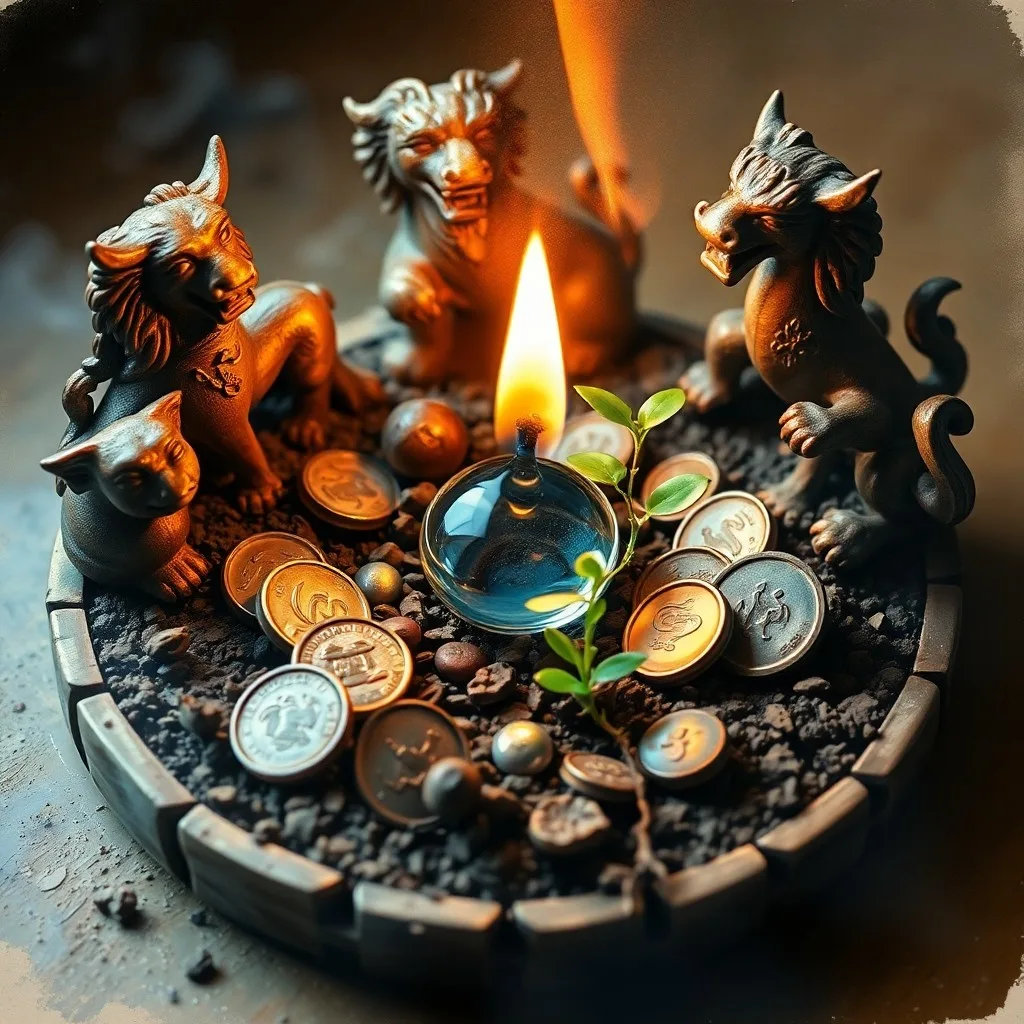
The dynamic interplay of the twelve Chinese Zodiac animals and the five elements forms a complex system that influences personality and destiny.
Introduction to Chinese Zodiac and Elemental Cycles
The Chinese Zodiac, known as Sheng Xiao, is an ancient classification system based on a 12-year cycle, with each year associated with an animal sign. These animal signs are Rat, Ox, Tiger, Rabbit, Dragon, Snake, Horse, Goat, Monkey, Rooster, Dog, and Pig. Legend has it that the order of these animals was determined by a great race called the Jade Emperor's Great Race.
Beyond the animals, the system integrates the Wu Xing, or Five Elements theory, which includes Wood, Fire, Earth, Metal, and Water. Each element is associated with specific characteristics, colors, directions, and even seasons. These elements cycle through a 10-year period, meaning that each animal sign appears with a different element every 60 years (a full cycle of 12 animals x 5 elements).
This elemental overlay adds significant depth to the basic animal characteristics. For instance, a Wood Dragon will exhibit different traits and tendencies compared to a Fire Dragon or a Metal Dragon. Understanding these elemental nuances is crucial for a comprehensive interpretation of an individual's astrological profile and their interactions with the world around them. This intricate system allows for a personalized reading that goes beyond simple generalizations.
The Twelve Chinese Zodiac Animals
Each of the twelve animals in the Chinese Zodiac possesses distinct traits and symbolizes different aspects of personality and destiny. These animals are believed to influence the characteristics of individuals born in their respective years. Below is a brief overview of each animal's core attributes.
- Rat: Intelligent, quick-witted, charming, resourceful, but can be cunning and secretive.
- Ox: Diligent, dependable, strong, determined, but can be stubborn and conservative.
- Tiger: Brave, competitive, confident, charismatic, but can be impulsive and rebellious.
- Rabbit: Gentle, quiet, elegant, compassionate, but can be timid and overly cautious.
- Dragon: Enthusiastic, confident, intelligent, ambitious, but can be arrogant and domineering.
- Snake: Enigmatic, intelligent, wise, intuitive, but can be cunning and suspicious.
- Horse: Energetic, active, independent, outgoing, but can be impatient and restless.
- Goat (Sheep/Ram): Gentle, creative, compassionate, artistic, but can be indecisive and overly sensitive.
- Monkey: Witty, intelligent, curious, playful, but can be mischievous and restless.
- Rooster: Observant, hardworking, courageous, confident, but can be arrogant and boastful.
- Dog: Loyal, honest, responsible, protective, but can be stubborn and pessimistic.
- Pig: Compassionate, generous, diligent, honest, but can be naive and easily fooled.
These descriptions provide a foundational understanding of each animal. However, the true complexity emerges when these animals are combined with the Five Elements, adding layers of nuance to their inherent characteristics. For example, a Rat's resourcefulness might be tempered or amplified by its elemental association, leading to different expressions of its core nature.
The Five Elements: Foundation of Chinese Metaphysics
The Five Elements (Wu Xing) are a cornerstone of Chinese philosophy, medicine, and astrology. They represent different phases of energy, constantly interacting in cycles of creation (Sheng) and destruction (Ke). Each element has specific qualities that influence personality, health, and destiny when combined with the zodiac animals.

Ancient scrolls and artifacts symbolize the deep historical and cultural roots of the Five Elements theory in Chinese metaphysics.
- Wood (木 - Mù): Represents growth, creativity, flexibility, and expansion. Wood individuals are typically compassionate, artistic, and innovative, but can also be stubborn and indecisive. Associated with spring and the color green.
- Fire (火 - Huǒ): Symbolizes passion, energy, dynamism, and leadership. Fire personalities are enthusiastic, adventurous, and courageous, though they can be impulsive and aggressive. Associated with summer and the color red.
- Earth (土 - Tǔ): Embodies stability, practicality, reliability, and nurturing. Earth people are grounded, honest, and hardworking, but can sometimes be overly cautious or rigid. Associated with late summer and the color yellow/brown.
- Metal (金 - Jīn): Signifies determination, strength, justice, and ambition. Metal individuals are disciplined, independent, and principled, but may also be inflexible and aloof. Associated with autumn and the color white/gold.
- Water (水 - Shuǐ): Represents adaptability, intuition, wisdom, and communication. Water personalities are perceptive, empathetic, and flexible, but can be secretive and prone to anxiety. Associated with winter and the color blue/black.
These elements are not static; they interact in continuous cycles. For example, Wood feeds Fire (creation cycle), while Fire melts Metal (destruction cycle). This dynamic relationship is key to understanding the deeper implications of elemental influences in the Chinese Zodiac. The balance and interplay of these elements are crucial for harmony and well-being, both personally and globally.
Elemental-Animal Combinations: Unveiling Unique Personalities
When an animal sign is combined with an element, it creates a unique blend of characteristics that defines a person's core nature. This 60-year cycle ensures that each animal appears with each of the five elements, resulting in a total of 60 distinct elemental-animal combinations. This adds incredible depth to the Chinese Zodiac, allowing for highly personalized readings.
For example, a Wood Snake might be more flexible and creative than a Metal Snake, which would be more rigid and determined. Similarly, a Fire Dragon would be more passionate and outgoing than an Earth Dragon, who would be more grounded and practical. These combinations provide a nuanced understanding of how elemental energies modify the inherent traits of the zodiac animals.

A mystical glass sphere containing swirling elemental energies symbolizes the abstract influences shaping individual destinies within the Chinese Zodiac.
Consider the following examples of how elements modify animal traits:
- Wood Rat: More adaptable and community-oriented than other Rats, valuing growth and collaboration.
- Fire Tiger: Exceptionally passionate and dynamic, with a strong desire for leadership and recognition, sometimes prone to impulsiveness.
- Earth Ox: Extremely reliable, practical, and hardworking, with a strong sense of responsibility and a conservative approach.
- Metal Rabbit: More assertive and disciplined than the typical gentle Rabbit, with a clear sense of purpose and strong convictions.
- Water Dragon: Highly intuitive and communicative, with a flexible approach to achieving their ambitious goals, often more adaptable than other Dragons.
These combinations highlight the richness of the Chinese Zodiac, moving beyond simple animal archetypes to reveal a more intricate and personalized astrological profile. Each elemental-animal pairing offers a unique perspective on an individual's potential and challenges.
Influence on Personality and Destiny
The elemental cycles and their interaction with the zodiac animals profoundly influence an individual's personality, career path, relationships, and overall destiny. This influence extends to various aspects of life, shaping how people interact with the world and face challenges. It's not just about inherent traits but also about how these traits manifest under different elemental energies.
For example, the element of one's birth year can dictate tendencies towards certain professions. A Metal person might excel in fields requiring precision and discipline, like engineering or law, while a Wood person might thrive in creative or nurturing roles. Similarly, elemental compatibility plays a significant role in relationships, as certain elements harmonize or clash with others, influencing the dynamics between individuals.
The concept of destiny in Chinese astrology is not about rigid fate, but rather about understanding inherent potentials and challenges. By recognizing the elemental influences, individuals can better navigate their lives, maximize their strengths, and mitigate their weaknesses. This self-awareness is a powerful tool for personal growth and achieving harmony. The influence of the zodiac animals combined with their elements provides a comprehensive blueprint.
Elemental Cycles in Practice: Beyond Birth Years
While the elemental cycle of one's birth year is paramount, the influence of elements extends beyond this initial designation. Chinese astrology also considers the elements associated with months, days, and even hours, creating a complex four-pillar chart (BaZi) that offers an even deeper insight into an individual's destiny. This intricate system allows for a highly detailed and personalized astrological analysis.
Each year, month, day, and hour is governed by a specific animal and element, creating a dynamic interplay of energies. Understanding these ongoing cycles can help predict trends, identify auspicious times for certain activities, and explain why certain periods feel more challenging or harmonious. For instance, a Wood year might bring opportunities for growth and innovation, while a Metal year could emphasize discipline and structure.
Moreover, the elemental cycles are not just about personal influence; they also affect global events and collective consciousness. Major societal shifts and natural phenomena are often interpreted through the lens of elemental interactions. This holistic view underscores the interconnectedness of all things, a central tenet of Chinese philosophy. The concept of Tarot Esoteric Geometry: Unlocking Universal Truths Sacred Shapes is a powerful tool for understanding both personal and universal rhythms.
Conclusion: Harmony and Understanding Through the Elements
The Chinese Zodiac, with its intricate elemental cycles, offers a profound framework for self-understanding and navigating the complexities of life. By recognizing the unique combination of animal and element that governs one's birth, individuals can gain valuable insights into their inherent strengths, potential challenges, and compatibility with others. This knowledge empowers them to make more informed decisions and cultivate harmonious relationships.
Far from being a rigid system of prediction, Chinese astrology provides a dynamic lens through which to view personal growth and societal trends. The constant interplay of Wood, Fire, Earth, Metal, and Water, combined with the characteristics of the twelve animals, reminds us of the ever-changing nature of existence and the importance of balance. Embracing this ancient wisdom can lead to a deeper appreciation of oneself and the world around us.
Whether you are a passionate Fire Horse or a grounded Earth Ox, understanding your elemental animal sign can unlock new pathways to self-awareness and personal fulfillment. It encourages a journey of continuous learning and adaptation, aligning with the natural rhythms of the universe. This rich tradition continues to offer timeless guidance in modern times.
Fuente: Contenido híbrido asistido por IAs y supervisión editorial humana.


Comments
Post a Comment