
Chinese Zodiac Elements: Deeper Dive into Elemental Self | StarPluto
The Chinese Zodiac, a fascinating system of astrology, is renowned for its twelve animal signs, each governing a specific year in a twelve-year cycle. However, its depth extends far beyond these animal archetypes. A crucial, yet often overlooked, layer of complexity lies in the Five Elements theory: Wood, Fire, Earth, Metal, and Water. These elements don't just influence the characteristics of each zodiac animal; they also imbue individuals born under them with unique personality traits, strengths, and challenges, offering a profound insight into one's elemental self and destiny.
Understanding the interplay of these elements is key to unlocking a more nuanced understanding of Chinese astrology. Each element cycles through the zodiac animals every ten years, meaning that while you might be a Dragon, the specific element associated with your birth year (e.g., Wood Dragon, Fire Dragon) will significantly shape your inherent nature and life path. This deeper dive into the elemental aspects provides a richer tapestry of personality analysis, helping individuals to better understand themselves and their interactions with the world.
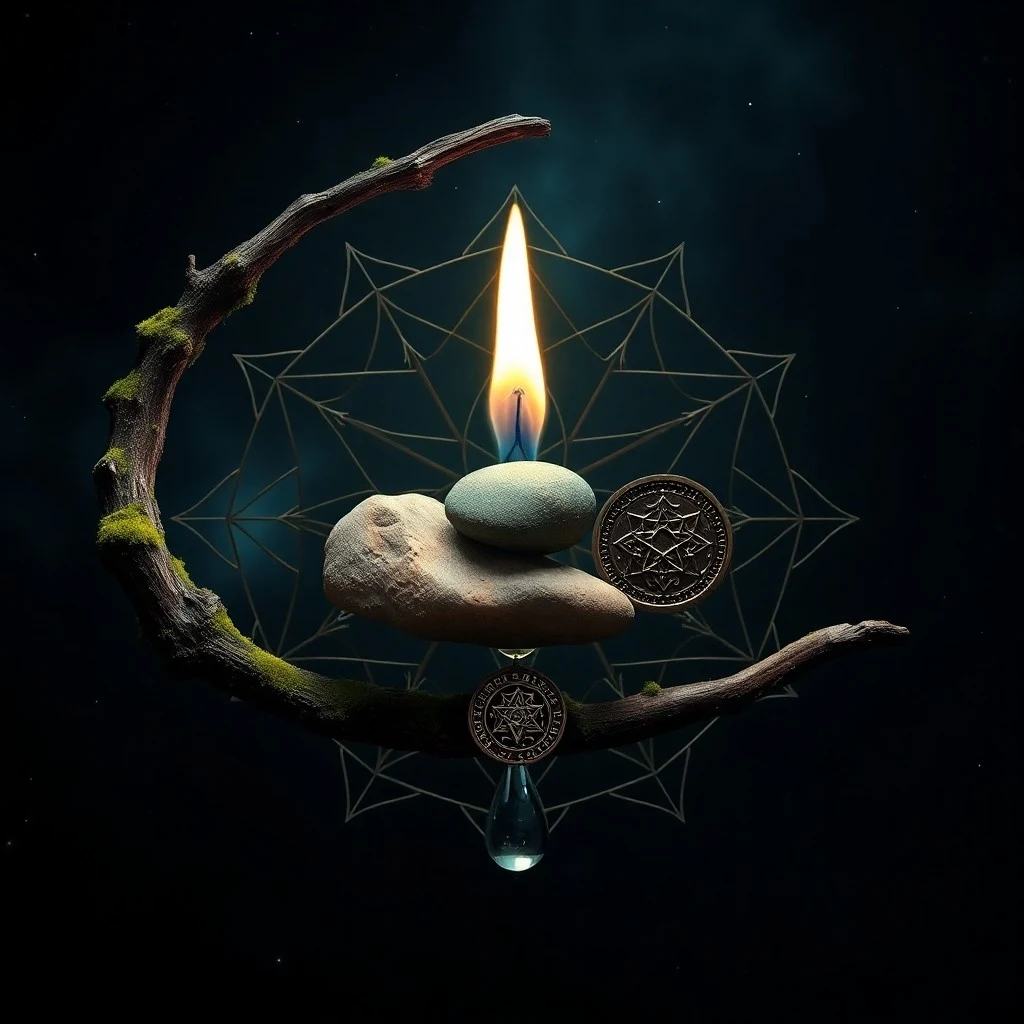
The Five Elements: Wood, Fire, Earth, Metal, and Water, form the foundation of Chinese astrological personality.
Introduction to the Five Elements
In Chinese philosophy, the Five Elements (Wu Xing) are not merely substances but dynamic phases or energies that represent the fundamental processes of nature and the universe. These elements – Wood, Fire, Earth, Metal, and Water – are believed to govern everything from the seasons and directions to human organs, emotions, and, critically, personality traits. Unlike Western elemental systems, the Chinese elements are in a constant state of transformation and interaction, influencing each other in cycles of creation (Sheng Cycle) and destruction (Ke Cycle).
Each of the twelve Chinese Zodiac animals is associated with one of these five elements, which rotates every two years, creating a 60-year cycle (12 animals x 5 elements). For instance, a person born in 1984 is a Wood Rat, while someone born in 1996 is a Fire Rat. This elemental overlay adds significant depth to the basic animal characteristics, providing a more precise and individualized astrological profile. It helps explain why two people born under the same animal sign can exhibit vastly different temperaments and life experiences.
The Wood Element: Growth and Creativity
The Wood element is associated with spring, new beginnings, and growth. Individuals influenced by Wood are often characterized by their strong sense of idealism, creativity, and compassion. They are natural innovators and visionaries, always looking forward and seeking to expand their horizons. Just like a tree reaching for the sky, Wood personalities are ambitious and strive for continuous development, both personally and professionally. They possess a pioneering spirit and are often the first to embrace new ideas or ventures, showing remarkable resilience in the face of challenges.
Wood people are generally sociable, generous, and possess strong ethical principles. They value justice and fairness, often acting as advocates for others. However, their desire for growth can sometimes lead to impatience or a tendency to overextend themselves. When out of balance, Wood individuals might become irritable, stubborn, or overly competitive. Nurturing their creative outlets and maintaining flexibility are crucial for their well-being. Their innate ability to plan and organize makes them excellent leaders, though they must learn to delegate and trust their team.
- Strengths: Creative, compassionate, idealistic, adaptable, visionary, organized.
- Weaknesses: Impatient, irritable, stubborn, overly competitive, prone to overwork.
- Associated with: Spring, East, green, liver, gallbladder.
The Fire Element: Passion and Leadership
Fire represents summer, warmth, and intense energy. Those born under the influence of the Fire element are typically dynamic, enthusiastic, and natural leaders. They possess a charismatic presence and are often the life of any gathering, drawing others in with their vibrant energy and infectious optimism. Fire personalities are passionate about their beliefs and pursuits, approaching life with courage and determination. They are decisive and enjoy taking action, often inspiring those around them to achieve great things. Their warmth and generosity make them deeply loyal friends and partners.
While their passion is a great asset, Fire individuals can sometimes be impulsive, aggressive, or overly dramatic. Their strong desire for recognition and excitement can lead to restlessness or a tendency to burn out quickly. Learning self-control and practicing patience are vital for maintaining their inner balance. They thrive in roles that allow them to lead and innovate, but must be mindful not to dominate or overlook the contributions of others. Their direct communication style, while effective, can sometimes be perceived as blunt, requiring a conscious effort towards diplomacy.

The subtle dance of Wood, Fire, Earth, Metal, and Water shapes individual destinies.
- Strengths: Enthusiastic, charismatic, courageous, passionate, decisive, inspiring.
- Weaknesses: Impulsive, aggressive, impatient, overly dramatic, prone to burnout.
- Associated with: Summer, South, red, heart, small intestine.
The Earth Element: Stability and Nurturing
Earth is associated with late summer and the transitional periods between seasons, representing stability, grounding, and nurturing. Individuals influenced by the Earth element are known for their practicality, reliability, and strong sense of responsibility. They are patient, hardworking, and possess a deep desire to create security and harmony in their lives and for those around them. Earth personalities are excellent problem-solvers, approaching challenges with a methodical and realistic mindset. They are loyal, supportive, and often become the bedrock of their families and communities, offering unwavering support.
While their stability is admirable, Earth individuals can sometimes be overly cautious, stubborn, or resistant to change. Their desire for security might lead to materialism or a tendency to worry excessively. It is important for them to embrace flexibility and to avoid becoming too set in their ways. They excel in roles that require meticulous attention to detail and long-term planning, such as finance, administration, or agriculture. Cultivating a sense of adventure and letting go of control can help them achieve greater personal fulfillment and reduce stress.
- Strengths: Practical, reliable, patient, responsible, stable, nurturing.
- Weaknesses: Stubborn, overly cautious, resistant to change, materialistic, prone to worry.
- Associated with: Late summer/seasonal transitions, Center, yellow/brown, spleen, stomach.
The Metal Element: Integrity and Determination
The Metal element is associated with autumn, harvest, and refinement. Individuals influenced by Metal are characterized by their strong sense of integrity, determination, and discipline. They are principled, organized, and possess a clear sense of right and wrong. Metal personalities are often driven by a desire for perfection and excellence, approaching tasks with precision and a keen analytical mind. They are independent, self-reliant, and have a powerful inner strength that allows them to overcome obstacles. Their sense of justice and fairness is profound, making them natural advocates for truth and order.
However, their pursuit of perfection can sometimes make Metal individuals rigid, critical, or overly detached. Their strong sense of self-reliance might lead to isolation or an inability to ask for help. Learning to embrace imperfection and cultivating empathy are important for their emotional balance. They thrive in professions that require structure, logic, and precision, such as law, engineering, or accounting. Practicing forgiveness, both for themselves and others, can help them soften their edges and foster deeper connections.

A harmonious blend of elements creates a rich and balanced life experience.
- Strengths: Principled, determined, disciplined, organized, analytical, independent.
- Weaknesses: Rigid, critical, detached, overly self-reliant, prone to isolation.
- Associated with: Autumn, West, white/silver, lungs, large intestine.
The Water Element: Adaptability and Intuition
Water is associated with winter, stillness, and deep wisdom. Individuals influenced by the Water element are often characterized by their adaptability, intuition, and profound emotional depth. They are perceptive, empathetic, and possess a natural ability to understand the feelings and motivations of others. Water personalities are flexible and flow around obstacles, finding creative solutions to problems. They are often introspective and philosophical, seeking deeper meaning in life. Their gentle nature and excellent communication skills make them natural confidantes and counselors, fostering deep and meaningful relationships.
While their adaptability is a strength, Water individuals can sometimes be overly sensitive, indecisive, or prone to anxiety. Their emotional depth can lead to moodiness or a tendency to withdraw. It is important for them to set clear boundaries and to avoid absorbing too much of others' emotional energy. They excel in fields that require empathy, understanding, and communication, such as therapy, teaching, or creative arts. Developing a strong sense of self-worth and learning to express their needs are crucial for their emotional resilience.
- Strengths: Adaptable, intuitive, empathetic, perceptive, flexible, communicative.
- Weaknesses: Overly sensitive, indecisive, anxious, prone to withdrawal, moody.
- Associated with: Winter, North, black/dark blue, kidneys, bladder.
The Elemental Cycles and Interactions
The Five Elements are not static; they interact in two main cycles: the Creative (Sheng) Cycle and the Destructive (Ke) Cycle. Understanding these cycles is vital for comprehending elemental compatibility and the dynamics of personal relationships, health, and even career choices. These interactions explain why certain elemental combinations are more harmonious, while others present challenges that require conscious effort to navigate.
The Creative Cycle illustrates how elements nourish each other:
- Wood feeds Fire: Wood is fuel for fire.
- Fire creates Earth: Fire turns wood to ash, which enriches the earth.
- Earth bears Metal: Metal is extracted from the earth.
- Metal collects Water: Metal can hold water, or dew forms on metal.
- Water nourishes Wood: Water helps trees grow.
The Destructive Cycle describes how elements control or overcome each other:
- Wood controls Earth: Tree roots penetrate the soil.
- Earth absorbs Water: Earth dams or contains water.
- Water extinguishes Fire: Water puts out fire.
- Fire melts Metal: Fire can melt or forge metal.
- Metal chops Wood: Metal axes cut wood.
These cycles are not inherently good or bad; they represent natural balances and imbalances. For example, a person with a strong Fire element might find a Wood element individual very supportive and inspiring (Wood feeds Fire), while a Metal element person might find a Wood element individual challenging (Metal chops Wood), requiring more effort to find common ground. This dynamic system provides a framework for understanding complex relationships and personal growth.
Finding Your Elemental Self
To determine your primary elemental influence, you typically look at the last digit of your birth year. This digit corresponds to one of the five elements, which then pairs with your Chinese Zodiac animal. For instance, if your birth year ends in 0 or 1, your element is Metal. If it ends in 2 or 3, it's Water, and so on. This simple calculation allows you to pinpoint the elemental energy that deeply colors your personality and life path.
| Last Digit of Birth Year | Associated Element | Key Characteristics |
|---|---|---|
| 0 or 1 | Metal | Strong-willed, determined, disciplined, principled, organized. |
| 2 or 3 | Water | Adaptable, intuitive, empathetic, perceptive, communicative. |
| 4 or 5 | Wood | Creative, compassionate, idealistic, adaptable, visionary. |
| 6 or 7 | Fire | Enthusiastic, charismatic, courageous, passionate, decisive. |
| 8 or 9 | Earth | Practical, reliable, patient, responsible, stable, nurturing. |
Beyond the birth year, the elements also influence the month, day, and even hour of birth, creating a complex "Four Pillars of Destiny" chart. While the year element provides a general overview, a full astrological reading can delve into these deeper layers, offering an even more precise understanding of your elemental makeup. Knowing your dominant element, and how it interacts with the elements of others, can significantly enhance your self-awareness and improve your relationships.
For example, a Wood Dragon might be more creative and growth-oriented than a Metal Dragon, who would likely be more disciplined and unyielding. Similarly, a Fire Rat would exhibit more passion and dynamism compared to a Water Rat, who would be more introspective and adaptable. This elemental differentiation adds layers of nuance, transforming a simple animal sign into a rich, multi-dimensional personality profile. It encourages individuals to embrace their unique blend of elemental energies and leverage their strengths while working on their weaknesses.
Conclusion: Harmony Through Elemental Understanding
The Five Elements theory is a cornerstone of Chinese astrology, providing invaluable insights into personality, behavior, and interpersonal dynamics. By understanding the characteristics of Wood, Fire, Earth, Metal, and Water, and how they interact with your Chinese Zodiac animal, you gain a powerful tool for self-discovery and personal growth. This knowledge empowers you to harness your natural strengths, mitigate potential weaknesses, and cultivate more harmonious relationships in all aspects of your life. Embracing your elemental self is a journey towards balance and fulfillment, allowing you to navigate life's currents with greater wisdom and resilience.
Whether you are a fiery Rooster, a stable Ox, or an adaptable Pig, your elemental influence adds a unique flavor to your inherent traits. This intricate system reminds us that everything in the universe is interconnected and in a constant state of flux, mirroring the dynamic nature of our own lives. Exploring these elemental depths can lead to a more profound appreciation of both individual uniqueness and universal patterns, fostering a sense of connection and understanding within the vast tapestry of existence.
Fuente: Contenido híbrido asistido por IAs y supervisión editorial humana.


Comments
Post a Comment