
Chinese Zodiac Health: Wellness Tips Animal Sign | StarPluto
The ancient wisdom of the Chinese Zodiac offers more than just personality insights and compatibility forecasts; it provides a unique lens through which to understand our inherent health predispositions and cultivate personalized wellness strategies. Rooted in centuries of observation and the principles of Traditional Chinese Medicine (TCM), each of the twelve animal signs is associated with specific elemental influences, organ systems, and emotional tendencies that can impact physical and mental well-being.
This guide delves into the intricate connection between your Chinese Zodiac animal sign and your health. We will explore the common health strengths and vulnerabilities linked to each sign, offering practical and holistic wellness tips designed to help you achieve greater balance, vitality, and harmony in your life. By understanding these inherent patterns, you can proactively address potential challenges and leverage your natural strengths to foster a healthier existence.
Table of Contents
- Understanding Chinese Zodiac and Health
- The Five Elements and Their Health Connections
- Wellness Insights for Each Chinese Zodiac Animal
- The Rat: Adaptability and Energy
- The Ox: Strength and Resilience
- The Tiger: Vitality and Intensity
- The Rabbit: Sensitivity and Calm
- The Dragon: Power and Charisma
- The Snake: Wisdom and Intuition
- The Horse: Freedom and Endurance
- The Goat: Creativity and Empathy
- The Monkey: Intelligence and Agility
- The Rooster: Confidence and Precision
- The Dog: Loyalty and Protection
- The Pig: Generosity and Contentment
- Integrating Zodiac Wisdom into Your Wellness Routine
- When to Seek Professional Medical Advice
- Conclusion: Embracing Your Zodiac Health Journey
Understanding Chinese Zodiac and Health
The Chinese Zodiac, known as Sheng Xiao, is a repeating cycle of 12 years, with each year represented by an animal and its reputed attributes. This ancient system is deeply intertwined with the Five Elements theory (Wood, Fire, Earth, Metal, Water), which forms the bedrock of Traditional Chinese Medicine (TCM). In TCM, health is viewed as a dynamic balance of Yin and Yang energies and the harmonious flow of Qi (life force) throughout the body's meridians.
Each animal sign, influenced by its associated element and inherent characteristics, is believed to have certain physiological and psychological tendencies. For instance, some signs might be prone to stress-related issues due to their ambitious nature, while others might face digestive problems due to their emotional sensitivity. Understanding these connections allows for a more personalized and preventative approach to health, focusing on maintaining equilibrium rather than merely treating symptoms.
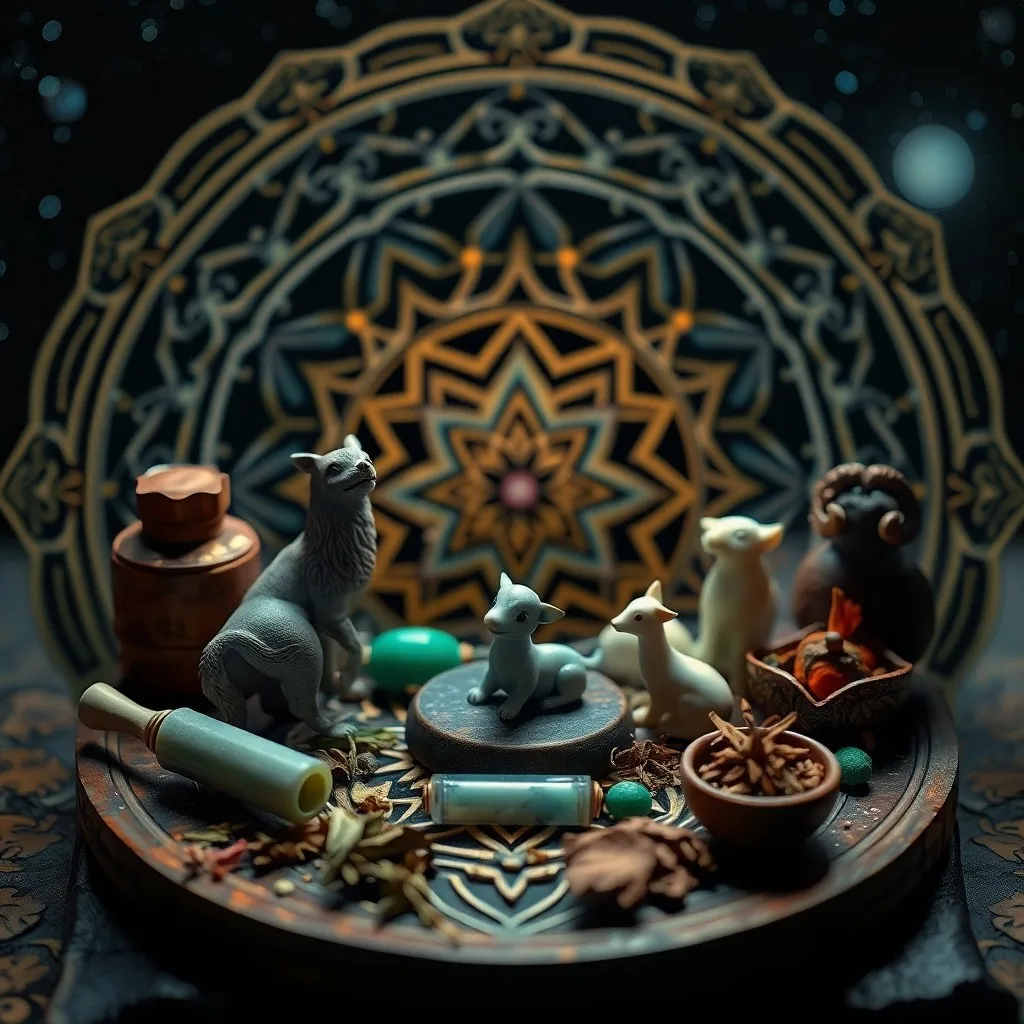
The Five Elements and Their Health Connections
The Five Elements (Wu Xing) are fundamental to both Chinese astrology and medicine, representing different phases of energy and their corresponding associations in nature and the human body. Each element governs specific organ systems, emotions, colors, and even tastes, providing a comprehensive framework for understanding health.
- Wood: Associated with the Liver and Gallbladder. Emotion: Anger. Health focus: Flexibility, vision, detoxification. Imbalance can manifest as irritability, headaches, and muscle stiffness.
- Fire: Linked to the Heart and Small Intestine. Emotion: Joy (excessive excitement). Health focus: Circulation, mental clarity, emotional balance. Imbalance can lead to anxiety, insomnia, and heart palpitations.
- Earth: Corresponds to the Spleen and Stomach. Emotion: Worry. Health focus: Digestion, nourishment, stability. Imbalance often results in digestive issues, fatigue, and overthinking.
- Metal: Governs the Lungs and Large Intestine. Emotion: Sadness/Grief. Health focus: Respiration, immunity, elimination. Imbalance can cause respiratory problems, skin conditions, and constipation.
- Water: Connected to the Kidneys and Bladder. Emotion: Fear. Health focus: Vitality, reproduction, bone health. Imbalance may lead to back pain, urinary issues, and chronic fatigue.
Every Chinese Zodiac animal sign is also influenced by one of these elements, which adds another layer of complexity and personalization to its health profile. For example, a Wood Rat will have different health tendencies than a Metal Rat, even though both share the core characteristics of the Rat sign.
Wellness Insights for Each Chinese Zodiac Animal
Let's explore the unique health predispositions and tailored wellness tips for each of the twelve Chinese Zodiac animal signs. Remember, these are general tendencies, and individual experiences may vary based on your birth chart's specific elemental year and other astrological factors.
The Rat: Adaptability and Energy
Rats are known for their intelligence, quick wit, and adaptability. They are often energetic and constantly on the go, which can sometimes lead to mental exhaustion and stress-related issues. Their active minds can make them prone to anxiety, insomnia, and nervous system imbalances. Physically, they might experience digestive sensitivities due to their fast-paced lifestyle and tendency to worry.
- Wellness Tips for Rats: Prioritize mental calm through meditation or mindfulness. Establish a regular sleep schedule. Incorporate grounding exercises like walking in nature. Opt for easily digestible, warm foods to support gut health.
The Ox: Strength and Resilience
Oxen are strong, reliable, and hardworking, possessing immense physical stamina and mental fortitude. However, their tendency to overwork and suppress emotions can lead to chronic stress, muscle tension, and stiffness, particularly in the back and shoulders. They might also be susceptible to digestive problems from irregular eating habits or holding onto worries.
- Wellness Tips for Oxen: Schedule regular breaks and ensure adequate rest. Practice gentle stretching, yoga, or Tai Chi to release physical tension. Learn to express emotions constructively rather than internalizing them. Maintain a consistent, balanced diet.
The Tiger: Vitality and Intensity
Tigers are courageous, dynamic, and full of life, often enjoying robust health. Their intense energy and adventurous spirit can, however, lead to impulsivity and a tendency to burn out if they don't manage their energy effectively. They may be prone to accidents due to their daring nature, or stress-related conditions like high blood pressure if their fiery emotions are not balanced.
- Wellness Tips for Tigers: Engage in regular, vigorous exercise to release excess energy. Practice deep breathing techniques to manage intense emotions. Ensure sufficient sleep to prevent burnout. Focus on safety in all activities.
The Rabbit: Sensitivity and Calm
Rabbits are gentle, sensitive, and peace-loving, often seeking harmony and tranquility. Their sensitive nature can make them susceptible to stress, anxiety, and emotional imbalances, which may manifest as digestive issues or weakened immunity. They tend to avoid confrontation, which can lead to suppressed emotions impacting their well-being.
- Wellness Tips for Rabbits: Create a peaceful home environment. Practice gentle forms of exercise like walking or gardening. Develop healthy coping mechanisms for stress, such as journaling or talking to trusted friends. Ensure a nutrient-rich diet to support immunity.

The Dragon: Power and Charisma
Dragons are powerful, charismatic, and ambitious, often enjoying excellent health and vitality. However, their strong personalities can lead to impatience, arrogance, and a tendency to overdo things. They might be prone to stress-related ailments like headaches, liver imbalances (associated with anger in TCM), or exhaustion if they don't learn to delegate and relax.
- Wellness Tips for Dragons: Practice stress-reducing activities like deep breathing or meditation. Engage in competitive but balanced physical activities. Ensure a diet that supports liver health, with plenty of greens. Learn to manage anger and impatience constructively.
The Snake: Wisdom and Intuition
Snakes are wise, intuitive, and often possess a deep inner calm. They tend to be thoughtful and private, but their tendency to overthink and hold onto grudges can lead to mental fatigue, anxiety, and digestive issues. They might also be susceptible to conditions related to the nervous system or kidneys if their energy is depleted by constant mental activity.
- Wellness Tips for Snakes: Engage in activities that calm the mind, such as reading, puzzles, or quiet contemplation. Practice forgiveness to release emotional burdens. Ensure sufficient hydration and a diet rich in kidney-supporting foods. Prioritize regular, moderate exercise.
The Horse: Freedom and Endurance
Horses are energetic, independent, and love freedom, possessing great endurance. Their restless nature can make them prone to physical injuries from overexertion or accidents. Emotionally, their desire for independence can lead to feelings of confinement or frustration, impacting their heart and circulatory system. They might also experience sleep disturbances due to their active minds.
- Wellness Tips for Horses: Balance vigorous exercise with restorative practices. Practice mindfulness to calm a restless mind. Ensure a diet that supports cardiovascular health. Prioritize quality sleep and establish a relaxing bedtime routine.
The Goat: Creativity and Empathy
Goats (or Sheep) are gentle, creative, and highly empathetic, often putting others' needs before their own. Their sensitive and sometimes insecure nature can make them vulnerable to stress, anxiety, and digestive problems. They may also be prone to colds and flu due to a weaker immune system if they neglect self-care or are overwhelmed by external pressures.
- Wellness Tips for Goats: Practice self-compassion and set healthy boundaries. Engage in creative outlets to express emotions. Ensure a balanced diet and adequate rest to boost immunity. Seek supportive social connections to alleviate feelings of loneliness or anxiety.

The Monkey: Intelligence and Agility
Monkeys are intelligent, agile, and curious, constantly seeking new experiences. Their active minds and sometimes restless nature can lead to mental fatigue, nervous system imbalances, and difficulty focusing. They might also be prone to respiratory issues or allergies due to their active energy and exposure to various environments.
- Wellness Tips for Monkeys: Engage in mental exercises that challenge but don't overstimulate. Practice breathwork to calm the nervous system. Ensure a balanced diet that supports brain health. Spend time in clean, natural environments to support respiratory health.
The Rooster: Confidence and Precision
Roosters are confident, meticulous, and hard-working, often taking pride in their appearance and achievements. Their perfectionist tendencies and need for control can lead to stress, anxiety, and digestive problems. They might also be susceptible to conditions related to the lungs or large intestine if they hold onto worries or are overly critical of themselves and others.
- Wellness Tips for Roosters: Practice letting go of perfectionism and embracing imperfection. Engage in activities that promote relaxation, such as gardening or slow walks. Ensure a balanced diet and regular elimination to support gut health. Practice self-acceptance and positive affirmations.
The Dog: Loyalty and Protection
Dogs are loyal, honest, and protective, often dedicating themselves to their loved ones. Their tendency to worry and take on the burdens of others can lead to chronic stress, anxiety, and digestive issues. They might also be prone to exhaustion or immune system weaknesses if they neglect their own needs while caring for others.
- Wellness Tips for Dogs: Practice self-care and set boundaries to avoid emotional overload. Engage in activities that bring joy and reduce worry. Ensure a balanced diet and sufficient rest to support overall vitality. Seek professional help if anxiety or stress becomes overwhelming.
The Pig: Generosity and Contentment
Pigs are generous, compassionate, and enjoy the good things in life. Their love for comfort and indulgence can sometimes lead to issues related to diet and weight management. Emotionally, they might be prone to sadness or melancholy if they feel misunderstood or taken advantage of. They generally enjoy robust health but need to guard against overindulgence and emotional stagnation.
- Wellness Tips for Pigs: Practice mindful eating and portion control. Engage in regular, enjoyable physical activity. Cultivate positive emotional outlets and seek support when feeling down. Prioritize activities that bring genuine contentment rather than fleeting pleasures.
Integrating Zodiac Wisdom into Your Wellness Routine
Incorporating Chinese Zodiac health insights into your daily routine doesn't require a complete overhaul, but rather a mindful adjustment of habits. Start by identifying your animal sign and its associated elemental year, then reflect on the health predispositions mentioned. Do they resonate with your personal experiences? This self-awareness is the first step toward a more aligned wellness journey.
Consider integrating practices that support your specific elemental balance. For instance, if you are a Wood sign (or have a strong Wood influence), focus on liver-supporting foods and activities that promote flexibility and anger management. If you are a Water sign, prioritize kidney health through hydration, rest, and managing fear. Regular exercise, a balanced diet, adequate sleep, and stress management techniques are universally beneficial, but tailoring them to your zodiac profile can enhance their effectiveness.
| Zodiac Sign | Key Health Focus | Recommended Wellness Practice |
|---|---|---|
| Rat | Nervous system, digestion, mental calm | Meditation, grounding exercises, warm foods |
| Ox | Musculoskeletal system, stress release, emotional expression | Yoga, Tai Chi, regular breaks, consistent diet |
| Tiger | Cardiovascular health, energy management, emotional regulation | Vigorous exercise, deep breathing, sufficient sleep |
| Rabbit | Immunity, digestion, emotional balance | Peaceful environment, gentle exercise, stress coping mechanisms |
| Dragon | Liver health, stress management, balanced energy | Meditation, competitive sports, liver-supporting diet |
| Snake | Nervous system, kidney health, mental clarity | Mind-calming activities, forgiveness, hydration |
| Horse | Circulatory system, sleep, injury prevention | Balanced exercise, mindfulness, quality sleep |
| Goat | Immunity, digestion, emotional well-being | Self-care, creative outlets, balanced diet |
| Monkey | Mental clarity, respiratory health, nervous system | Mental exercises, breathwork, clean environments |
| Rooster | Digestion, lung/large intestine health, stress reduction | Relaxation techniques, balanced diet, self-acceptance |
| Dog | Stress management, digestion, immune system | Self-care, joyful activities, balanced diet |
| Pig | Weight management, emotional balance, mindful indulgence | Mindful eating, regular exercise, positive emotional outlets |
When to Seek Professional Medical Advice
While the insights from the Chinese Zodiac and Traditional Chinese Medicine can be incredibly valuable for self-awareness and preventative care, it is crucial to understand their role as complementary tools. These wellness tips are not intended to diagnose, treat, or cure any medical condition, nor should they replace the advice of qualified healthcare professionals.
If you are experiencing persistent health symptoms, chronic pain, severe emotional distress, or any acute medical concerns, it is imperative to consult with a licensed doctor or medical practitioner. They can provide accurate diagnoses, recommend appropriate treatments, and ensure your well-being is managed effectively. The wisdom of the zodiac serves to enhance your understanding of your body and mind, empowering you to make informed lifestyle choices in conjunction with modern medicine.
Conclusion: Embracing Your Zodiac Health Journey
The Chinese Zodiac offers a fascinating and profound framework for understanding our unique health blueprints. By recognizing the inherent strengths and vulnerabilities associated with your animal sign and its elemental influences, you can embark on a more personalized and holistic wellness journey. This ancient wisdom encourages us to live in harmony with our natural tendencies, fostering balance not just physically, but also mentally and emotionally.
Embrace these insights as a guide to cultivate habits that support your vitality, reduce stress, and promote overall well-being. Remember that true health is a continuous journey of self-discovery and mindful living. By integrating these timeless principles with modern health practices, you can unlock a deeper connection to your inner self and achieve a more vibrant and fulfilling life.
Source: Hybrid content assisted by AIs and human editorial supervision.


Comments
Post a Comment