
Chinese Zodiac Legend: Origins, Great Race Myth | StarPluto
The Chinese Zodiac, a fascinating system of astrology and divination, has captivated millions for centuries. Far more than just a birth sign, it is a complex cultural tapestry woven with ancient myths, philosophical principles, and observations of the natural world. Its origins are deeply rooted in Chinese folklore, with the most popular and enduring tale being that of the Great Race, a celestial competition orchestrated by the Jade Emperor himself.
This legendary race determined the order of the twelve animals in the zodiac cycle, imbuing each with unique characteristics and influences over human personalities and destinies. Understanding this foundational myth provides a richer appreciation for the intricate symbolism and enduring relevance of the Chinese Zodiac in contemporary culture, guiding individuals in matters of personality, relationships, and fortune.
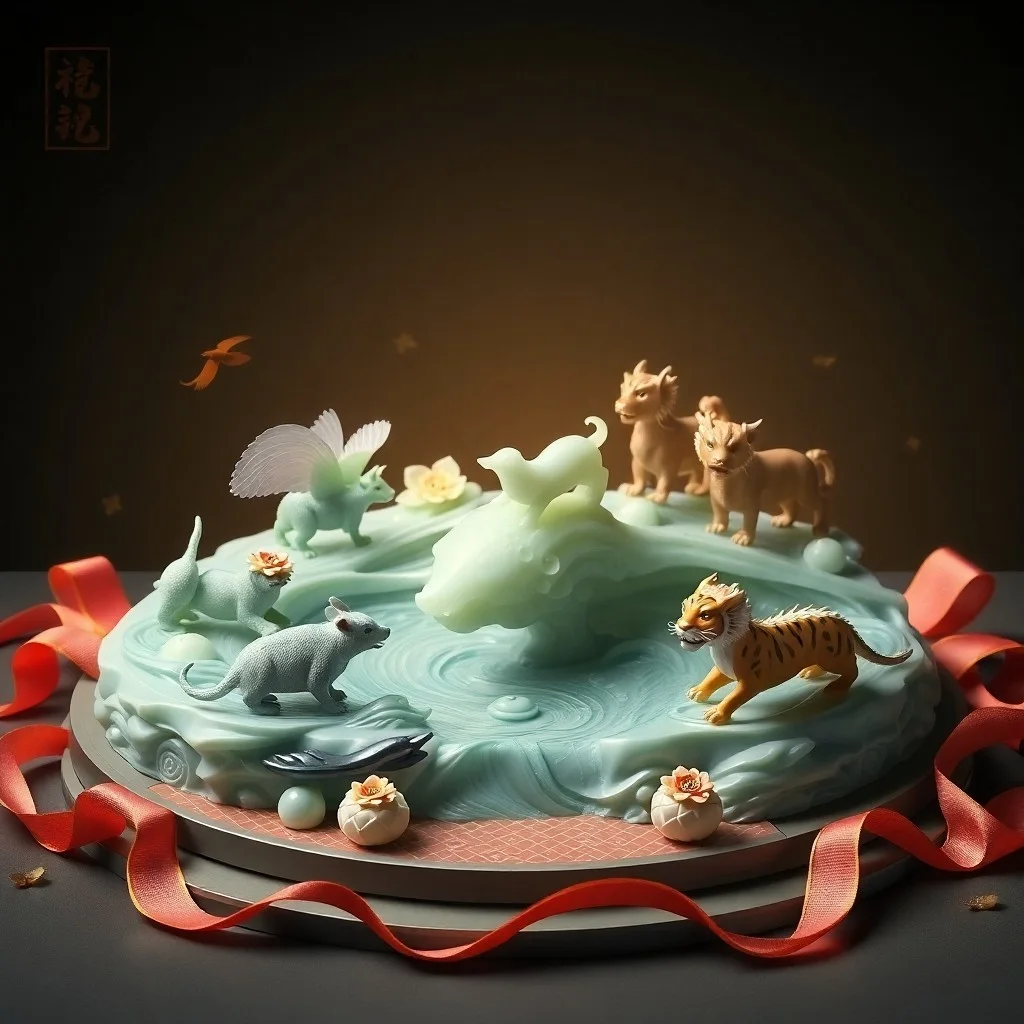
The Great Race: The legendary competition that established the order of the Chinese Zodiac animals.
The Chinese Zodiac is a repeating cycle of twelve years, with each year represented by an animal and its reputed attributes. This system is not merely a calendar but a profound cultural framework that influences everything from marriage compatibility to business decisions. Unlike Western astrology, which is based on monthly solar signs, the Chinese Zodiac operates on a yearly lunar cycle, assigning an animal based on the year of birth.
The animals are the Rat, Ox, Tiger, Rabbit, Dragon, Snake, Horse, Goat, Monkey, Rooster, Dog, and Pig. Each animal is also associated with one of the five elements (Wood, Fire, Earth, Metal, Water), further refining the personality traits and fortunes of those born under its influence. This intricate layering creates a nuanced and deeply personal astrological profile for each individual.
Table of Contents
- The Ancient Roots of the Chinese Zodiac
- The Great Race: A Mythical Origin Story
- The Twelve Zodiac Animals and Their Characteristics
- Cultural Impact and Modern Relevance
- Understanding Your Chinese Zodiac Animal
- Frequently Asked Questions About the Chinese Zodiac
The Ancient Roots of the Chinese Zodiac
The exact historical origins of the Chinese Zodiac are somewhat debated among scholars, but its presence can be traced back over 2,000 years. Early evidence suggests its development during the Qin Dynasty (221-206 BCE) or Han Dynasty (206 BCE-220 CE). Archaeological findings, such as pottery and tomb decorations, depict the twelve animals, indicating their early integration into Chinese belief systems.
One prominent theory suggests that the zodiac system may have been influenced by Babylonian or Indian astrological practices, which also feature animal cycles. However, the Chinese adaptation is uniquely intertwined with their own cosmology, including the concepts of Yin and Yang, the Five Elements (Wu Xing), and the cyclical nature of time. This synthesis created a distinct and culturally specific form of astrology.
The zodiac animals were initially used to mark the years, providing a practical calendar system for agricultural and administrative purposes. Over time, their symbolic meanings deepened, evolving into a sophisticated framework for understanding human personality and predicting life events. Each animal became a repository of cultural values, virtues, and even flaws, reflecting the collective wisdom and observations of generations.
The Great Race: A Mythical Origin Story
The most beloved and widely accepted origin story for the Chinese Zodiac is the myth of the Great Race. According to legend, the Jade Emperor, ruler of Heaven, decided to designate twelve animals to be guardians of the calendar. To determine their order, he announced a grand race across a mighty river, promising that the first twelve to cross would be honored with a place in the zodiac.
The animals gathered at the riverbank, eager to compete. The cunning Rat, unable to swim well, convinced the strong Ox to carry him across. Just as they reached the opposite bank, the Rat slyly jumped off the Ox's head, landing first and securing the first position. The diligent Ox followed, taking second place, unaware of the Rat's deception.
Next came the powerful Tiger, roaring in third, followed by the swift Rabbit, who hopped across stones and a floating log to claim fourth. The majestic Dragon, despite being able to fly, paused to help parched villagers and then blew a gust of wind to help the Rabbit's log, arriving fifth. The wise Snake, hidden on the Horse's hoof, startled the Horse at the last moment to slither into sixth place, leaving the Horse to finish seventh.
The Goat, Monkey, and Rooster, working together on a raft, arrived next. The Goat, with its gentle nature, was granted eighth place, followed by the clever Monkey in ninth, and the meticulous Rooster in tenth. Finally, the loyal Dog, after enjoying a refreshing swim, arrived eleventh. The last animal to cross was the honest Pig, who had stopped to eat and then taken a nap, securing the twelfth and final spot.
This myth not only explains the order of the zodiac animals but also attributes their characteristic traits. The Rat's cleverness, the Ox's diligence, the Tiger's power, the Rabbit's agility, the Dragon's benevolence, the Snake's wisdom, the Horse's spirit, the Goat's kindness, the Monkey's intelligence, the Rooster's meticulousness, the Dog's loyalty, and the Pig's honesty are all highlighted in their actions during the race. This narrative serves as a moral fable, teaching about virtues and vices through animal archetypes.
The Twelve Zodiac Animals and Their Characteristics
Each of the twelve animals in the Chinese Zodiac possesses a distinct set of personality traits, strengths, and weaknesses. These characteristics are believed to influence individuals born in their respective years, offering insights into their temperament, career paths, and relationships. It's important to remember that these are general tendencies, and individual personalities are shaped by many factors, including the elemental year and ascendant sign.

Ancient artifacts like scrolls and coins often depict the enduring symbolism of the Chinese Zodiac.
- Rat (1st): Known for being quick-witted, resourceful, charming, and ambitious. They are often perceived as clever and adaptable, but can also be cunning and opportunistic.
- Ox (2nd): Characterized by diligence, strength, reliability, and determination. Oxen are patient and methodical, though sometimes stubborn and conservative.
- Tiger (3rd): Symbolizes bravery, confidence, charisma, and leadership. Tigers are often passionate and adventurous, but can also be impulsive and rebellious.
- Rabbit (4th): Represents gentleness, elegance, sensitivity, and compassion. Rabbits are artistic and cautious, yet can be timid and overly sentimental.
- Dragon (5th): The most auspicious sign, embodying power, nobility, honor, and success. Dragons are ambitious and enthusiastic, but can also be arrogant and demanding.
- Snake (6th): Known for being intelligent, wise, enigmatic, and intuitive. Snakes are graceful and analytical, though sometimes secretive and possessive.
- Horse (7th): Symbolizes energy, enthusiasm, independence, and a love for freedom. Horses are active and cheerful, but can be impatient and restless.
- Goat (8th): Represents creativity, gentleness, empathy, and artistic talent. Goats are peaceful and compassionate, though sometimes indecisive and overly sensitive.
- Monkey (9th): Characterized by intelligence, wit, curiosity, and playfulness. Monkeys are innovative and versatile, but can be mischievous and restless.
- Rooster (10th): Known for being observant, hardworking, courageous, and confident. Roosters are honest and communicative, though sometimes boastful and critical.
- Dog (11th): Symbolizes loyalty, honesty, faithfulness, and a strong sense of justice. Dogs are protective and reliable, but can be stubborn and anxious.
- Pig (12th): Represents generosity, compassion, diligence, and honesty. Pigs are good-natured and optimistic, though sometimes naive and materialistic.
These animal archetypes are not static; they interact with the five elements (Wood, Fire, Earth, Metal, Water), which cycle every two years. For example, a Wood Dragon will have different nuances than a Fire Dragon. The element adds another layer of complexity, influencing the animal's core traits and providing a more detailed astrological reading. This elemental interaction is a key aspect of Chinese astrological analysis, making each year unique.
Cultural Impact and Modern Relevance
The Chinese Zodiac extends far beyond personal horoscopes; it is deeply embedded in Chinese culture and influences various aspects of daily life. From traditional festivals to modern business practices, its symbolism is pervasive. The zodiac animals are prominent in art, literature, and architecture, serving as auspicious symbols and cultural identifiers. New Year celebrations often feature parades and decorations dedicated to the animal of the incoming year.
In social interactions, knowing someone's zodiac sign is common, often serving as an icebreaker or a way to understand potential compatibility in relationships, friendships, and even business partnerships. Parents often consider the zodiac animal of a birth year when planning families, with some years (like the Dragon) being particularly favored for their auspicious connotations. This cultural preference can sometimes lead to birth rate fluctuations.

The Chinese Zodiac is deeply integrated into cultural celebrations and daily life across Asia.
Moreover, the Chinese Zodiac plays a significant role in traditional Chinese medicine and feng shui. Certain animals are associated with specific organs or health predispositions, influencing dietary recommendations or lifestyle adjustments. In feng shui, the placement of zodiac animal figurines or artwork is believed to enhance positive energy and bring good fortune to a home or business. This holistic approach underscores the zodiac's comprehensive influence.
Even in the modern globalized world, the Chinese Zodiac continues to thrive. Its imagery is popular in fashion, jewelry, and contemporary art, appealing to both those who believe in its astrological significance and those who appreciate its rich cultural heritage. Many global brands release special editions featuring the zodiac animal of the year, demonstrating its widespread appeal and commercial viability. Its universal themes of personality and destiny resonate across cultures.
Understanding Your Chinese Zodiac Animal
To determine your Chinese Zodiac animal, you simply need to know your birth year according to the Chinese lunar calendar. It's crucial to note that the Chinese New Year typically falls between late January and mid-February, not on January 1st. Therefore, if you were born in January or early February, your zodiac sign might be the animal of the previous year. Consulting a reliable Chinese calendar or an online calculator is recommended for accuracy.
Once you identify your animal, you can delve deeper into its associated traits and elemental influences. For instance, a person born in 1984 is a Wood Rat, combining the Rat's cleverness with the Wood element's growth and flexibility. This combination provides a more nuanced understanding of their personality than just the animal sign alone. Exploring these layers can offer valuable self-insight.
Beyond personal characteristics, the Chinese Zodiac is also used for compatibility analysis. Each animal sign has specific relationships with others, ranging from highly compatible to challenging. This can be particularly useful in understanding dynamics in romantic relationships, family bonds, and professional collaborations. While not definitive, it offers a traditional framework for assessing interpersonal harmony.
Many people find comfort and guidance in these traditional beliefs, using them as a tool for self-reflection and personal growth. The zodiac encourages individuals to embrace their inherent strengths and work on their weaknesses, aligning with the cyclical flow of nature and time. It serves as a reminder that every year brings new opportunities and challenges, echoing the eternal wisdom of ancient Chinese philosophy.
Frequently Asked Questions About the Chinese Zodiac
Here are some common questions about the Chinese Zodiac and its legendary origins:
- What is the primary legend behind the Chinese Zodiac order?
The primary legend is the Great Race, where the Jade Emperor organized a competition for animals to cross a river, and their finishing order determined their place in the zodiac cycle. - How is the Chinese Zodiac different from Western astrology?
Chinese Zodiac is based on a twelve-year lunar cycle, with each year represented by an animal, while Western astrology uses twelve monthly solar signs. - Can my birth month affect my Chinese Zodiac sign?
Yes, if you were born in January or early February, your sign might be that of the previous year because the Chinese New Year falls later than January 1st. - Are the personality traits of Chinese Zodiac animals absolute?
No, while they provide general tendencies, individual personalities are also influenced by the five elements associated with the birth year, as well as other astrological factors and personal experiences. - Why is the Dragon considered the most auspicious sign?
In Chinese culture, the Dragon symbolizes power, nobility, honor, and success, making it a highly revered and lucky sign.
In conclusion, the Chinese Zodiac is a rich and vibrant system, deeply rooted in myth and tradition. The legend of the Great Race provides a captivating narrative for its origins, while the unique characteristics of each animal offer profound insights into personality and destiny. Its enduring presence in culture, from ancient folklore to modern trends, underscores its timeless appeal and its role as a powerful tool for self-understanding and cultural connection.
Fuente: Contenido híbrido asistido por IAs y supervisión editorial humana.


Comments
Post a Comment