
Color Therapy Healing Vibrational Frequencies Guide | StarPluto
Color therapy, also known as chromotherapy, is an ancient holistic healing modality that utilizes the visible spectrum of light and its associated vibrational frequencies to influence physical, emotional, mental, and spiritual well-being. This practice is rooted in the belief that each color possesses a unique energy signature that can interact with the human body's energetic system, including chakras and aura, to restore balance and promote healing. From ancient Egyptian temples to traditional Chinese medicine, the therapeutic power of color has been recognized and applied across diverse cultures for millennia.
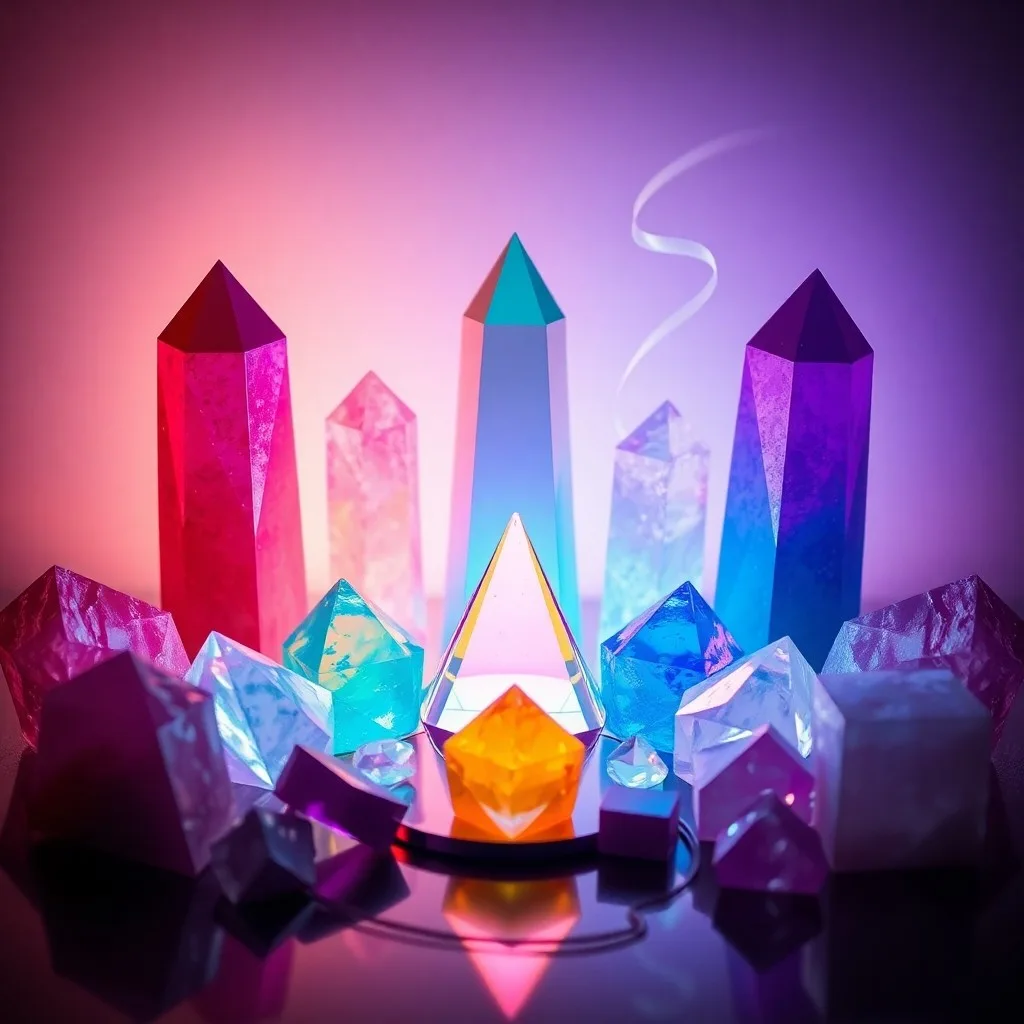
Exploring the vibrant spectrum of Sound Alchemy: Cellular Regeneration, Manifestation Frequencies, a holistic approach to well-being through light and vibration.
The concept of color therapy is not merely anecdotal; it draws parallels with modern scientific understanding of light and its interaction with biological systems. Light, a form of electromagnetic radiation, travels in waves and carries energy. Different colors correspond to different wavelengths and frequencies, and these distinct energetic patterns are believed to resonate with specific parts of the body and mind, triggering physiological and psychological responses. This article delves into the historical foundations, scientific principles, practical applications, and benefits of color therapy, offering a comprehensive guide to this fascinating vibrational healing art.
Table of Contents
- Historical Roots of Chromotherapy
- The Science Behind Color Vibrations
- Understanding the Color Spectrum and Its Effects
- Specific Colors and Their Therapeutic Applications
- How Color Therapy is Practiced
- Benefits and Considerations of Color Healing
- Integrating Color Therapy into Daily Life
- The Future of Vibrational Medicine
Historical Roots of Chromotherapy
The use of color for healing purposes dates back thousands of years, with evidence found in various ancient civilizations. The Egyptians, for instance, constructed healing temples where sunlight was filtered through colored gemstones or stained glass, allowing patients to absorb specific hues for therapeutic benefits. They believed that colors were imbued with divine energy and could influence both the body and the soul. Similarly, ancient Greek physicians, including Hippocrates, incorporated color into their diagnostic and treatment practices, associating different colors with specific temperaments and ailments.
In traditional Chinese medicine (TCM), the concept of color is deeply intertwined with the five elements (wood, fire, earth, metal, water) and their corresponding organs and emotions. Each element is associated with a specific color, and imbalances are often addressed through dietary recommendations, clothing choices, and environmental adjustments that incorporate the appropriate colors. For example, green is linked to the liver and wood element, often used to promote harmony and growth. The ancient Indians, too, recognized the power of color through their understanding of chakras, which are energy centers in the body, each associated with a particular color and specific functions. Balancing these chakras through meditation, visualization, and exposure to their corresponding colors is a core practice in yogic traditions.
The resurgence of chromotherapy in modern times can be traced back to the 19th and 20th centuries. Pioneering figures like Edwin Babbitt, in his 1878 book "The Principles of Light and Color," meticulously documented the therapeutic properties of various colors and developed specific methods for their application. His work laid a foundation for contemporary color therapy, integrating ancient wisdom with nascent scientific inquiry into light and its effects. Today, chromotherapy continues to evolve, blending historical practices with new technological advancements and a growing body of research into light-based therapies.
The Science Behind Color Vibrations
While often categorized under alternative medicine, color therapy has intriguing connections to established scientific principles, particularly in the fields of physics and biology. Light is a form of electromagnetic radiation, and the visible spectrum is just a small portion of this vast energy continuum. Each color within this spectrum corresponds to a specific wavelength and frequency. For instance, red light has a longer wavelength and lower frequency, while violet light has a shorter wavelength and higher frequency. These differences in vibrational energy are central to how colors are believed to exert their effects.
The human body is not merely a collection of chemical reactions; it is also an intricate energetic system. Our cells, tissues, and organs constantly interact with electromagnetic fields, both internal and external. Photoreceptors in our eyes detect light, sending signals to the brain that influence mood, hormone production (like melatonin), and circadian rhythms. Beyond direct visual perception, some theories suggest that light can penetrate the skin and be absorbed by cells, influencing cellular processes. Mitochondria, the "powerhouses" of our cells, are known to absorb light, particularly in the red and near-infrared spectrum, which can stimulate energy production and repair mechanisms. This is the basis for photobiomodulation (PBM) or low-level light therapy (LLLT), a recognized medical therapy using specific wavelengths of light to treat various conditions.

Crystal prisms beautifully demonstrating the refraction of light into its constituent Guided Meditation Interdimensional Travel Consciousness.
Furthermore, the psychological impact of color is well-documented. Colors evoke specific emotional responses and associations, which can influence behavior and mood. For example, warm colors like red and orange are often associated with energy and passion, while cool colors like blue and green are linked to calmness and serenity. These psychological effects, combined with potential physiological interactions at a cellular level, form the theoretical framework for how color therapy may work. While more rigorous scientific research is needed to fully understand the mechanisms of chromotherapy, the growing interest in light-based therapies suggests a promising future for integrating color into mainstream wellness practices.
Understanding the Color Spectrum and Its Effects
The visible light spectrum, often remembered by the acronym ROYGBIV (Red, Orange, Yellow, Green, Blue, Indigo, Violet), represents a continuous range of colors, each with its unique energetic properties. In color therapy, these colors are often grouped into warm and cool categories, and their effects are considered in relation to the body's energy centers, known as chakras in Eastern traditions. Understanding the distinct characteristics of each color is fundamental to applying color therapy effectively.
- Red: Associated with the root chakra, red is a powerful, stimulating color. It's linked to vitality, physical energy, courage, and grounding. Therapeutically, it's used to increase circulation, stimulate metabolism, and combat fatigue.
- Orange: Connected to the sacral chakra, orange is a warm, joyful color. It symbolizes creativity, emotional expression, pleasure, and enthusiasm. It's often used to uplift mood, stimulate appetite, and foster social interaction.
- Yellow: Linked to the solar plexus chakra, yellow represents intellect, personal power, clarity, and optimism. It's applied to enhance mental focus, boost confidence, and alleviate feelings of depression.
- Green: The color of the heart chakra, green signifies balance, harmony, growth, and healing. It's used to calm the nervous system, promote emotional stability, and encourage self-love and compassion.
- Blue: Associated with the throat chakra, blue embodies communication, truth, serenity, and peace. Therapeutically, it's used to soothe inflammation, reduce pain, and promote relaxation and restful sleep.
- Indigo: Connected to the third eye chakra, indigo represents intuition, wisdom, spiritual insight, and deep understanding. It's applied to calm the mind, enhance meditation, and support mental clarity.
- Violet (Purple): Linked to the crown chakra, violet symbolizes spirituality, enlightenment, inspiration, and transformation. It's used to promote spiritual awareness, alleviate anxiety, and stimulate creativity.
Beyond these primary colors, variations and combinations also hold significance. For example, pink is often associated with unconditional love and tenderness, while turquoise can represent emotional healing and self-expression. The understanding of these energetic properties allows practitioners to tailor color therapy sessions to individual needs, addressing specific imbalances or supporting overall well-being. The selection of colors is often intuitive, but can also be guided by diagnostic tools that assess energetic deficiencies or excesses in the body.
Specific Colors and Their Therapeutic Applications
Each color in the spectrum carries a distinct energetic vibration, making it suitable for different therapeutic applications. Understanding these specific uses is key to leveraging the full potential of chromotherapy. Here's a detailed look at the primary colors and their common applications:
| Color | Associated Chakra | Key Attributes | Therapeutic Applications |
|---|---|---|---|
| Red | Root (Muladhara) | Energy, Vitality, Grounding, Courage, Passion | Combats fatigue, increases circulation, stimulates metabolism, treats anemia, provides warmth. |
| Orange | Sacral (Svadhisthana) | Creativity, Joy, Emotional Expression, Pleasure, Enthusiasm | Uplifts mood, stimulates creativity, aids digestion, treats reproductive issues, fosters social connection. |
| Yellow | Solar Plexus (Manipura) | Intellect, Personal Power, Clarity, Optimism, Confidence | Enhances mental focus, boosts self-esteem, aids detoxification, treats digestive issues, alleviates depression. |
| Green | Heart (Anahata) | Balance, Harmony, Growth, Healing, Compassion, Love | Calms nervous system, promotes emotional balance, supports heart health, encourages healing, reduces stress. |
| Blue | Throat (Vishuddha) | Communication, Serenity, Peace, Truth, Calmness | Soothes inflammation, reduces pain, promotes relaxation, aids sleep, supports clear communication. |
| Indigo | Third Eye (Ajna) | Intuition, Wisdom, Spiritual Insight, Deep Understanding | Calms the mind, enhances meditation, supports mental clarity, treats headaches, stimulates intuition. |
| Violet | Crown (Sahasrara) | Spirituality, Enlightenment, Inspiration, Transformation | Promotes spiritual awareness, alleviates anxiety, stimulates creativity, supports nervous system. |
Beyond these fundamental applications, specific shades and combinations of colors can also be used. For example, a lighter shade of blue might be used for general relaxation, while a deeper indigo could be employed for profound meditative states. The efficacy of these applications often depends on the individual's receptivity and the practitioner's expertise in diagnosing energetic imbalances. It's important to note that color therapy is generally considered a complementary therapy and should not replace conventional medical treatments.
How Color Therapy is Practiced
Color therapy can be practiced in various ways, ranging from professional sessions with a chromotherapist to simple self-care techniques incorporated into daily life. The core principle remains the same: exposing the body and mind to specific colors to achieve a desired energetic or psychological effect. Here are some common methods of practicing color therapy:
- Light Devices: Professional chromotherapists often use specialized light devices that emit specific wavelengths of colored light. These devices can be directed at specific areas of the body, chakras, or the entire body. Some devices use LED lights, while others employ filters over incandescent bulbs.
- Colored Filters/Lamps: Similar to ancient practices, colored filters can be placed over windows or lamps to bathe a room in a particular hue. This method is often used for creating a calming environment (blue/green) or an energizing space (red/orange).
- Colored Water: A traditional method involves placing water in a colored glass bottle and exposing it to sunlight for several hours. The water is believed to absorb the vibrational frequency of the color, and drinking it can then transfer this energy to the body.
- Color Visualization and Meditation: This technique involves mentally focusing on a specific color, visualizing it filling the body or a particular chakra. This can be a powerful way to tap into the psychological and energetic effects of color without external tools.
- Colored Clothing and Environment: Simply choosing to wear certain colors or decorating living and working spaces with specific hues can have a subtle but continuous therapeutic effect. For example, wearing blue might promote calm, while green could foster creativity.
- Color Puncture: A technique similar to acupuncture, where colored lights are applied to specific acupuncture points on the body using a pen-like device. This aims to balance the body's meridians and energy flow.
The duration and intensity of color exposure vary depending on the method and the desired outcome. A professional chromotherapist will typically conduct an initial assessment to determine the client's energetic imbalances and then recommend a personalized color treatment plan. Self-practice, while beneficial, should be approached with awareness and a willingness to observe one's own responses to different colors.

Abstract watercolor capturing the fluid and interconnected nature of Tarot Quantum Mechanics Intersecting Divination Reality in holistic healing.
Benefits and Considerations of Color Healing
The reported benefits of color therapy are wide-ranging, touching upon various aspects of human health and well-being. Proponents suggest that regular engagement with chromotherapy can lead to improvements in physical symptoms, emotional states, and mental clarity. However, it is crucial to approach this modality with a balanced perspective, acknowledging both its potential and its limitations.
Potential Benefits:
- Stress Reduction: Calming colors like blue and green are often used to alleviate stress, anxiety, and promote relaxation.
- Mood Enhancement: Warm colors such as orange and yellow can uplift mood, combat seasonal affective disorder (SAD), and increase feelings of joy.
- Pain Management: Blue light is sometimes used to reduce pain and inflammation, while red light may aid in muscle recovery.
- Improved Sleep: Exposure to blue light in the evening can disrupt melatonin production, but controlled use of calming colors or specific light therapy devices may help regulate sleep patterns.
- Increased Energy and Vitality: Red and orange colors are believed to stimulate energy, boost circulation, and combat lethargy.
- Enhanced Creativity and Focus: Yellow and orange can stimulate mental activity, improving concentration and fostering creative thinking.
- Emotional Balance: By working with chakra associations, color therapy aims to bring emotional states into equilibrium, addressing issues like anger, fear, or sadness.
- Spiritual Growth: Violet and indigo are often used to deepen meditation, enhance intuition, and facilitate spiritual connection.
Important Considerations:
- Individual Variability: Responses to colors can be highly individual. What is calming for one person might be irritating for another.
- Complementary Nature: Color therapy should be viewed as a complementary therapy, not a substitute for conventional medical treatment. Always consult with a healthcare professional for serious health concerns.
- Lack of Standardized Research: While anecdotal evidence and some preliminary studies exist, large-scale, peer-reviewed clinical trials on chromotherapy are still limited.
- Potential for Over-Stimulation: Excessive exposure to highly stimulating colors like red can sometimes lead to agitation or restlessness in sensitive individuals.
- Quality of Devices: When using light devices, ensure they are from reputable manufacturers and emit safe, appropriate wavelengths.
Despite these considerations, many individuals report significant positive experiences with color therapy, finding it a gentle yet powerful tool for self-care and holistic healing. Its non-invasive nature and accessibility make it an appealing option for those seeking to enhance their well-being.
Integrating Color Therapy into Daily Life
Incorporating the principles of color therapy into your daily routine doesn't require specialized equipment or a therapist. Simple, mindful choices can significantly impact your energetic and emotional state. By understanding the vibrational frequencies of colors, you can consciously use them to create a more harmonious and supportive environment.
- Wardrobe Choices: Dress in colors that align with your intentions for the day. Wear blue for calm during a stressful meeting, yellow for focus during creative tasks, or green for balance when feeling overwhelmed.
- Home and Office Decor: Use colors strategically in your living and working spaces. A blue bedroom can promote restful sleep, a green study can foster concentration, and splashes of orange in a dining area can stimulate conversation and appetite.
- Food and Nutrition: "Eating the rainbow" is not just about nutrients; it's also about consuming a spectrum of color vibrations. Incorporate colorful fruits and vegetables into your diet to benefit from their energetic properties.
- Nature Immersion: Spend time outdoors and consciously observe the colors around you. The greens of trees, the blues of the sky, and the vibrant hues of flowers can naturally balance your energy.
- Colored Lighting: Experiment with smart bulbs that allow you to change the color of your room's lighting. Use warm, soft colors in the evening and brighter, cooler tones during the day for productivity.
- Art and Creative Expression: Engage with art that features colors you find appealing or therapeutic. Painting, drawing, or even looking at colorful mandalas can be a form of self-directed color therapy.
- Meditation and Visualization: Dedicate a few minutes each day to visualize a healing color flowing into your body or a specific chakra, focusing on the sensations and emotions it evokes.
The key to successful integration is mindfulness and intention. By consciously choosing to surround yourself with certain colors and actively engaging with their energetic properties, you can harness the subtle yet profound power of chromotherapy to enhance your overall well-being. Pay attention to how different colors make you feel and adjust your environment accordingly.
The Future of Vibrational Medicine
The field of vibrational medicine, which includes color therapy, is poised for significant growth as scientific understanding of energy and its interaction with biological systems continues to expand. As technology advances, we are gaining more sophisticated tools to measure and manipulate subtle energy fields, opening new avenues for therapeutic applications. The integration of quantum physics, biophotonics, and neuroscience is beginning to bridge the gap between ancient wisdom and modern science, offering a more comprehensive view of health and healing.
Future developments in color therapy may include highly personalized light devices that can precisely target specific cellular receptors or energetic imbalances. Research into the effects of different wavelengths on gene expression, cellular regeneration, and neural pathways could lead to evidence-based protocols for a wide range of conditions. Furthermore, the growing acceptance of holistic and integrative medicine means that color therapy, alongside other vibrational modalities like sound healing and biofeedback, may become more mainstream, offered in hospitals, wellness centers, and even integrated into smart home technologies.
The emphasis on preventive care and personalized medicine also aligns perfectly with the principles of color therapy, which empowers individuals to actively participate in their own healing journey. As we move towards a more interconnected understanding of mind, body, and spirit, the vibrational frequencies of color will likely play an increasingly vital role in maintaining balance, fostering resilience, and promoting optimal well-being in a rapidly evolving world. The ancient art of chromotherapy, once confined to esoteric circles, is slowly but surely reclaiming its place as a valuable tool in the modern pursuit of health.
Fuente: Contenido híbrido asistido por IAs y supervisión editorial humana.


Comments
Post a Comment