
Elemental Chinese Zodiac Baby Names: A Comprehensive Guide | StarPluto
In the rich tapestry of Chinese culture, the selection of a baby's name is far more than a mere aesthetic choice; it is a profound act imbued with ancient wisdom and deep-seated beliefs about destiny and well-being. This tradition extends beyond simply choosing auspicious characters or meanings. It intricately weaves in the principles of the Chinese Zodiac and, more specifically, the Five Elements, which are believed to govern the cosmic balance and individual destinies.
Understanding the elemental considerations in Chinese Zodiac baby naming offers a unique pathway to fostering harmony and prosperity for a newborn. It involves a careful analysis of the child's birth year, which determines their primary Zodiac animal and its associated element, and then selecting a name that either strengthens a weak element, balances conflicting ones, or enhances an already strong elemental profile. This guide delves into these fascinating principles, providing parents with a comprehensive understanding to make informed and meaningful naming decisions.
Table of Contents
- Understanding the Five Elements in Chinese Astrology
- Determining Your Baby's Elemental Profile
- The Art of Elemental Baby Naming
- Elemental Naming Guide
- Beyond the Elements: Other Considerations
Understanding the Five Elements in Chinese Astrology
The Five Elements, known as Wu Xing (五行), are foundational to Chinese philosophy, medicine, and astrology. They are Wood (木), Fire (火), Earth (土), Metal (金), and Water (水). These are not merely static components but dynamic forces that describe the interactions and transformations within nature and the human body. Each element possesses unique characteristics, associations, and influences, playing a crucial role in shaping an individual's personality, health, and destiny.
The Five Elements of Chinese Astrology: Guiding Principles for Naming.
The interaction between these elements is governed by two main cycles: the Productive (Sheng) Cycle and the Destructive (Ke) Cycle. The Productive Cycle describes how elements nurture each other, fostering growth and balance. For instance, Wood feeds Fire, Fire creates Earth (ash), Earth bears Metal, Metal holds Water, and Water nourishes Wood. This cycle represents a harmonious flow of energy, promoting prosperity and well-being.
Conversely, the Destructive Cycle illustrates how elements control or overcome each other, preventing any single element from becoming excessively dominant. Wood overcomes Earth (roots break soil), Earth absorbs Water, Water extinguishes Fire, Fire melts Metal, and Metal chops Wood. This cycle, while seemingly negative, is essential for maintaining equilibrium and preventing imbalance. Understanding these cycles is paramount when considering elemental balance in baby naming.
Characteristics of Each Element
- Wood (木): Associated with growth, creativity, kindness, flexibility, and new beginnings. Represents spring, the color green, and the east. Individuals with strong Wood energy are often artistic, compassionate, and visionary.
- Fire (火): Symbolizes passion, energy, leadership, innovation, and joy. Represents summer, the color red, and the south. Those influenced by Fire tend to be enthusiastic, dynamic, and charismatic.
- Earth (土): Embodies stability, nurturing, practicality, honesty, and groundedness. Represents late summer/transition periods, the color yellow/brown, and the center. Earth-dominant individuals are often reliable, patient, and supportive.
- Metal (金): Linked to strength, justice, precision, discipline, and determination. Represents autumn, the color white/gold, and the west. People with strong Metal energy are typically organized, principled, and resilient.
- Water (水): Represents wisdom, adaptability, intuition, communication, and mystery. Represents winter, the color black/blue, and the north. Water-influenced individuals are often insightful, empathetic, and resourceful.
These elemental qualities provide a framework for understanding an individual's innate strengths and potential weaknesses. By identifying a child's elemental profile, parents can choose names that either reinforce positive traits or introduce balancing energies, aiming to create a more harmonious and prosperous life path. This ancient practice is a testament to the holistic view of existence in Chinese astrology.
Determining Your Baby's Elemental Profile
To effectively apply elemental considerations in baby naming, the first crucial step is to accurately determine your child's elemental profile. In Chinese astrology, this is primarily derived from their birth year, which corresponds to one of the twelve Zodiac animals and one of the Five Elements. However, a more detailed analysis, often performed by a professional astrologer, considers the entire birth chart, known as the "Four Pillars of Destiny" or Bazi (八字), which includes the elements associated with the year, month, day, and even hour of birth.
Each Chinese New Year marks the beginning of a new Zodiac animal and a new elemental influence. The combination of the 12 Zodiac animals and the 5 elements creates a 60-year cycle. For example, a child born in 2024 is a Wood Dragon, while a child born in 2025 will be a Wood Snake. The elemental association of the birth year is often the most straightforward and commonly used factor for general naming guidance.

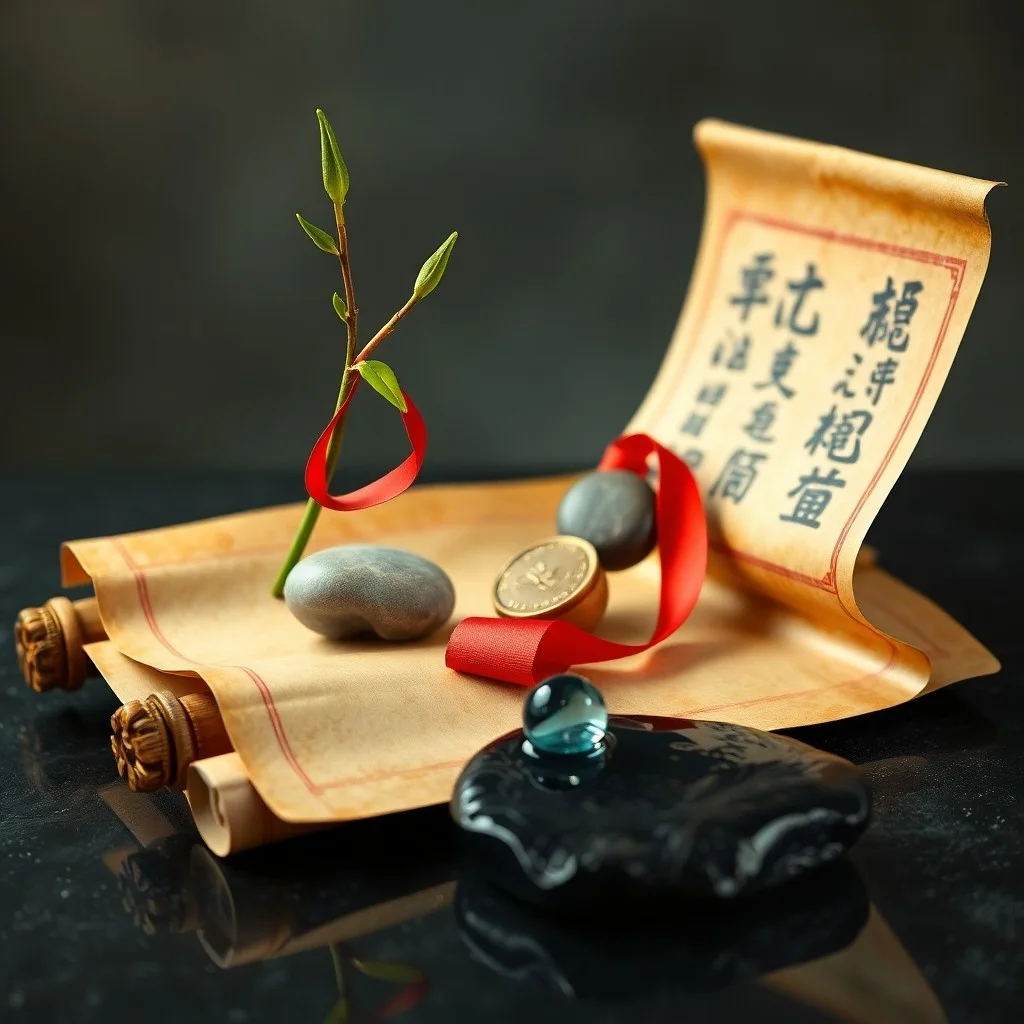
Ancient scrolls and jade symbolize the deep cultural roots of Chinese naming.
For parents seeking a deeper understanding, consulting a Bazi master is recommended. A Bazi reading provides a comprehensive elemental breakdown, identifying which elements are strong, weak, missing, or in conflict within the child's unique energetic blueprint. This detailed analysis allows for a highly personalized naming strategy that can address specific elemental imbalances. For instance, if a child's Bazi indicates a lack of Water, names associated with Water would be highly beneficial.
Simplified Elemental Determination by Birth Year
While a full Bazi reading is complex, parents can get a good starting point by identifying the element associated with their child's birth year. The last digit of the birth year often corresponds to an element:
- 0 or 1: Metal
- 2 or 3: Water
- 4 or 5: Wood
- 6 or 7: Fire
- 8 or 9: Earth
For example, a child born in 2024 (ending in 4) is a Wood element. A child born in 2026 (ending in 6) would be a Fire element. This primary element, combined with the Zodiac animal (e.g., Wood Dragon, Fire Horse), forms the basic elemental identity. The goal of elemental naming is to either reinforce a beneficial element or introduce a missing one to create a more balanced and auspicious energetic profile for the child. This practice is believed to influence various aspects of life, from personality traits to career success and relationships.
The Art of Elemental Baby Naming
Once the baby's elemental profile is determined, the art of elemental naming begins. This process is not about rigidly adhering to a single element but about creating a harmonious balance within the child's energetic blueprint. The primary goal is to enhance positive attributes and mitigate potential challenges by carefully selecting names that embody specific elemental energies. This can involve strengthening a weak element, introducing a missing element, or balancing an overly dominant one.
A common strategy is to identify the "missing" or "weak" element in the child's Bazi chart. For instance, if a child's chart has an abundance of Fire but lacks Water, a name with Water-related characters or meanings would be considered highly beneficial. This introduces the cooling, adaptable energy of Water to balance the intense, passionate energy of Fire, promoting greater emotional stability and wisdom. Similarly, if Wood is weak, names that evoke growth, creativity, or nature would be favored.

Nature's elements in harmony, reflecting the balance sought in naming.
Another approach focuses on strengthening an already beneficial element. If a child's chart shows a strong and positive Earth element, names that reinforce stability, nurturing, or groundedness could further amplify these desirable traits. The key is to avoid names that introduce elements that clash with the child's existing elemental composition according to the Destructive Cycle. For example, if a child has a strong Wood element, a name with strong Metal connotations might be avoided, as Metal "chops" Wood, potentially leading to conflicts or challenges.
Choosing Characters and Meanings
The selection of Chinese characters is crucial in elemental naming. Many characters inherently carry elemental associations, either through their radicals (component parts) or their underlying meanings. For example:
- Wood: Characters with the 木 (wood) radical, or meanings related to trees, forests, growth, or plants (e.g., 林 Lín - forest, 芳 Fāng - fragrant).
- Fire: Characters with the 火 (fire) radical, or meanings related to light, warmth, sun, or brightness (e.g., 炎 Yán - flame, 明 Míng - bright).
- Earth: Characters with the 土 (earth) radical, or meanings related to land, mountains, stability, or jade (e.g., 坤 Kūn - earth, 坚 Jiān - firm).
- Metal: Characters with the 金 (metal) radical, or meanings related to gold, silver, strength, or purity (e.g., 锋 Fēng - sharp, 银 Yín - silver).
- Water: Characters with the 水 (water) radical, or meanings related to rivers, oceans, rain, or wisdom (e.g., 江 Jiāng - river, 泽 Zé - marsh/grace).
Beyond direct elemental radicals, the phonetic sound of a name can also be considered, as certain sounds are believed to resonate with particular elements. However, the meaning and visual form of the characters are generally given more weight. The process requires careful research and often the guidance of a knowledgeable expert to ensure that the chosen name not only sounds pleasant but also carries the desired elemental energy and auspicious connotations for the child's future.
Elemental Naming Guide
To assist parents in navigating the elemental considerations for Chinese Zodiac baby names, here is a detailed guide for each of the Five Elements. This section provides insights into the qualities associated with each element and suggests types of names that can embody or complement these energies. Remember, the ultimate goal is to achieve balance and harmony within the child's unique elemental chart.
Wood Element Names
Children with a strong Wood element or those needing Wood to balance their chart often benefit from names that evoke growth, vitality, and creativity. Wood represents expansion, kindness, and flexibility. Names can relate to nature, plants, or characteristics like resilience and vision.
- Qualities: Growth, creativity, kindness, compassion, flexibility, vision, renewal.
- Name Ideas:
- For boys: Lin (forest), Jian (strong, healthy), Mu (wood, tree), Sen (forest).
- For girls: Fang (fragrant, flower), Mei (beautiful plum), Lan (orchid), Qing (green, fresh).
- Considerations: Ideal for balancing charts with too much Earth or Metal, or for reinforcing a naturally harmonious Wood presence.
Fire Element Names
Names associated with the Fire element are suitable for children who need to enhance their passion, leadership, and dynamic energy. Fire symbolizes warmth, enthusiasm, and innovation. Names can reflect light, sun, brightness, or qualities of courage and inspiration.
- Qualities: Passion, energy, leadership, innovation, joy, enthusiasm, charisma.
- Name Ideas:
- For boys: Yan (flame, fiery), Ming (bright, clear), Hui (brilliance), Guang (light).
- For girls: Ling (clever, spiritual, bell), Fen (fragrant, enthusiastic), Ya (elegant, refined).
- Considerations: Beneficial for charts lacking Fire, or to stimulate creativity and drive. Avoid if Water is already weak, as Water controls Fire.
Earth Element Names
For children who require more stability, nurturing, or practicality in their elemental makeup, Earth names are an excellent choice. Earth represents groundedness, honesty, and support. Names can relate to land, mountains, jade, or characteristics like reliability and patience.
- Qualities: Stability, nurturing, practicality, honesty, groundedness, reliability, patience.
- Name Ideas:
- For boys: Kun (earth, male principle), Shan (mountain), Jian (firm, strong), Yuan (origin, source).
- For girls: Ning (peaceful, tranquil), Jing (quiet, still), Ru (like, as, scholar).
- Considerations: Ideal for balancing charts with too much Water or Fire, or for enhancing a stable Earth foundation.
Metal Element Names
Children needing to cultivate strength, justice, or precision can benefit from Metal-themed names. Metal symbolizes discipline, determination, and purity. Names can relate to gold, silver, sharp objects (metaphorically), or qualities like resilience and organization.
- Qualities: Strength, justice, precision, discipline, determination, resilience, organization.
- Name Ideas:
- For boys: Feng (sharp, peak), Jin (gold, metal), Gang (steel, strong), Qiang (strong, powerful).
- For girls: Yin (silver), Rui (auspicious, sharp), Xuan (deep, profound, mysterious).
- Considerations: Excellent for balancing charts with excessive Wood or for reinforcing clear boundaries and structure.
Water Element Names
For children whose charts indicate a need for wisdom, adaptability, or intuition, Water-related names are highly auspicious. Water represents flow, communication, and depth. Names can relate to rivers, oceans, rain, or characteristics like insight and empathy.
- Qualities: Wisdom, adaptability, intuition, communication, mystery, empathy, resourcefulness.
- Name Ideas:
- For boys: Jiang (river), Ze (marsh, grace), Bo (wave, extensive), Hai (sea, ocean).
- For girls: Hui (wise, intelligent), Ru (like, as, scholar), Lan (orchid, elegant).
- Considerations: Crucial for balancing charts with too much Fire or Earth, promoting emotional depth and intellectual prowess.
When selecting names, it's also important to consider the overall meaning of the chosen characters in combination, as well as their phonetic qualities. A name should sound pleasant and carry a positive overall message, in addition to its elemental significance. This holistic approach ensures that the name bestows auspicious energy and supports the child's life journey.
Beyond the Elements: Other Considerations
While the Five Elements form a cornerstone of Chinese Zodiac baby naming, a truly auspicious name often incorporates several layers of traditional wisdom. Beyond elemental balance, parents and astrologers consider other factors to ensure the name brings maximum benefit and harmony to the child's life. These additional considerations enhance the depth and effectiveness of the naming process, creating a name that resonates on multiple energetic levels.
One significant aspect is the balance of Yin and Yang. Every individual's birth chart has a unique blend of these complementary forces. Yin represents femininity, darkness, coolness, and receptivity, while Yang embodies masculinity, light, warmth, and activity. A name can be chosen to balance an excess or deficiency of either Yin or Yang in the child's chart, promoting overall equilibrium. For example, a child with an overly Yang chart might benefit from a name with more Yin-associated characters or meanings, fostering gentleness and introspection.
Another important factor is the number of strokes in the Chinese characters chosen for the name. In Chinese numerology, or "Stroke Count Fortune-telling," certain stroke counts are considered more auspicious than others. Each character's stroke count is analyzed, and then combined to form a total stroke count for the full name. This total is then interpreted to reveal its influence on various aspects of life, such as career, relationships, and health. Astrologers often refer to detailed charts that outline the auspiciousness of different stroke combinations, aiming to select names that align with lucky numbers.
Cultural Significance and Personal Preference
Beyond the astrological and numerological aspects, the cultural significance and personal preferences of the family remain vital. A name should not only be auspicious but also meaningful and beautiful to the parents. It should reflect family values, heritage, and aspirations. Many parents choose names that honor ancestors, incorporate family names, or carry meanings that are personally resonant. This ensures that the name is not just a cosmic prescription but also a cherished part of the family's identity and legacy.
- Zodiac Animal Compatibility: While the Five Elements are primary, some naming conventions also consider the compatibility of the name's characters with the child's Zodiac animal. Certain characters might be deemed favorable or unfavorable for specific animals.
- Lucky Colors and Directions: In some traditions, names can subtly incorporate elements related to the child's lucky colors or directions, further enhancing their positive energetic flow.
- Pronunciation and Aesthetics: The sound and visual appeal of the name are also important. A good name should be easy to pronounce, pleasant to hear, and aesthetically pleasing in its written form.
The holistic approach to Chinese Zodiac baby naming integrates these various layers of wisdom, creating a name that is not only astrologically balanced but also culturally rich and personally significant. It is a profound expression of hope and intention for the child's future, guiding them towards a life of harmony, prosperity, and well-being. This intricate process underscores the deep respect for cosmic influences and personal destiny within Chinese traditions.
Conclusion
The practice of elemental considerations in Chinese Zodiac baby naming is a testament to an ancient and profound understanding of the universe's interconnectedness. It offers parents a powerful tool to influence their child's destiny, fostering a life of balance, harmony, and prosperity from the very beginning. By carefully analyzing the Five Elements, the Yin and Yang balance, and other traditional factors, a name transcends mere identification; it becomes a personalized energetic blueprint.
This guide has illuminated the intricate principles behind elemental naming, from understanding the characteristics of Wood, Fire, Earth, Metal, and Water to determining a baby's elemental profile and selecting auspicious characters. While the process can be complex, the rewards of a well-chosen name, believed to enhance strengths and mitigate weaknesses, are invaluable. Embracing this tradition allows parents to bestow upon their child not just a name, but a legacy of cosmic harmony and a foundation for a fulfilling life.
Fuente: Contenido híbrido asistido por IAs y supervisión editorial humana.


Comments
Post a Comment