
Five Elements Diet Chinese Zodiac: Health Harmony | StarPluto
The quest for optimal health often leads us down various dietary paths, but few are as deeply rooted in ancient wisdom and personalized well-being as the Chinese Five Elements Diet. This approach, integral to Traditional Chinese Medicine (TCM), proposes that our health and vitality are intricately linked to the balance of five fundamental elements: Wood, Fire, Earth, Metal, and Water.
Understanding your dominant element, often derived from your Chinese Zodiac sign, can unlock a personalized dietary strategy designed to harmonize your body, mind, and spirit. This guide explores how to identify your elemental constitution and tailor your eating habits to foster balance, prevent illness, and enhance overall wellness.
Far from being a restrictive fad, the Five Elements Diet is a holistic framework that encourages mindful eating, seasonal adjustments, and an intuitive connection with your body's needs. It acknowledges that what nourishes one person might not be ideal for another, emphasizing individuality in the pursuit of health.
Table of Contents
- Understanding the Five Elements Theory
- Connecting Your Chinese Zodiac Sign to an Element
- The Five Elements Diet: Principles and Benefits
- Dietary Guidance for the Wood Element
- Dietary Guidance for the Fire Element
- Dietary Guidance for the Earth Element
- Dietary Guidance for the Metal Element
- Dietary Guidance for the Water Element
- Integrating the Five Elements Diet into Modern Life
- Scientific Perspective and Holistic Wellness
- Conclusion
Understanding the Five Elements Theory
The Five Elements Theory (Wu Xing) is a cornerstone of Traditional Chinese Medicine, philosophy, and martial arts. It describes how five fundamental energies—Wood, Fire, Earth, Metal, and Water—interact, transform, and influence everything in the universe, including our bodies and health. Each element is associated with specific seasons, colors, emotions, organs, and even tastes.
This dynamic system is not about static categories but rather about cycles of creation (Sheng Cycle) and control (Ke Cycle). In the creation cycle, Wood feeds Fire, Fire creates Earth (ash), Earth bears Metal, Metal carries Water, and Water nourishes Wood. In the control cycle, Wood controls Earth, Earth controls Water, Water controls Fire, Fire controls Metal, and Metal controls Wood. Maintaining balance within these cycles is key to health.
When one element is out of balance—either too strong (excess) or too weak (deficiency)—it can disrupt the entire system, leading to physical and emotional symptoms. The Five Elements Diet aims to restore this balance by incorporating foods and cooking methods that support or subdue specific elements, thereby supporting the associated organs and functions.
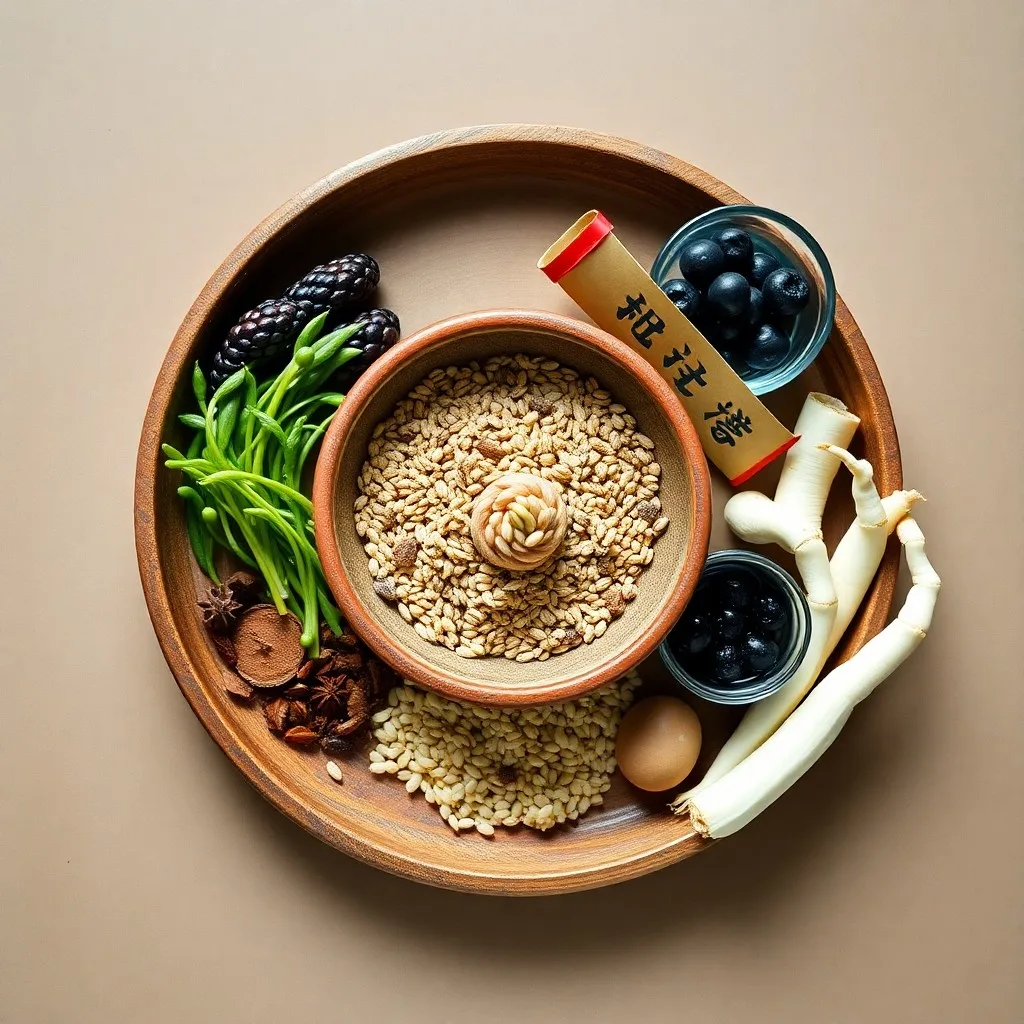
The Five Elements Theory is a foundational concept in Traditional Chinese Medicine, guiding dietary and lifestyle choices for holistic well-being.
Connecting Your Chinese Zodiac Sign to an Element
While the Chinese Zodiac primarily assigns an animal sign based on your birth year, each year is also associated with one of the five elements. This elemental influence adds a deeper layer to your personality, strengths, and potential health predispositions. Knowing your elemental sign can provide valuable insights into your natural constitution and how to best support it through diet.
For example, a person born in a Wood Dragon year will have different energetic needs than someone born in a Metal Dragon year. This elemental overlay helps refine the general characteristics of your zodiac animal, offering a more nuanced understanding of your unique energetic blueprint. You can determine your specific elemental sign by looking up your birth year in a Chinese calendar or astrology chart.
Below is a simplified table showing the element associated with the last digit of your birth year. This is a general guide, as some systems also consider the specific animal sign's inherent element, but the year's element is a strong indicator of your primary elemental influence.
| Last Digit of Birth Year | Associated Element | Example Birth Years |
|---|---|---|
| 0 or 1 | Metal | 1960, 1961, 1970, 1971 |
| 2 or 3 | Water | 1962, 1963, 1972, 1973 |
| 4 or 5 | Wood | 1964, 1965, 1974, 1975 |
| 6 or 7 | Fire | 1966, 1967, 1976, 1977 |
| 8 or 9 | Earth | 1968, 1969, 1978, 1979 |
The Five Elements Diet: Principles and Benefits
The Five Elements Diet operates on the principle that foods possess specific energetic qualities that can either balance or imbalance our internal elemental constitution. It's not just about macronutrients or calories; it's about the energetic properties, flavors, and temperatures of food. The goal is to eat in a way that supports your dominant element and balances any deficiencies or excesses.
Key principles include consuming a wide variety of foods, eating seasonally and locally, and paying attention to how different foods make you feel. The diet emphasizes whole, unprocessed foods and encourages cooking methods that align with elemental energies. For instance, quick stir-frying might be more "Fire" energy, while slow stewing is more "Water" or "Earth."
The benefits of adopting a Five Elements Diet extend beyond physical health. Practitioners often report improved digestion, increased energy levels, better mood regulation, and a stronger immune system. By consciously choosing foods that resonate with your elemental makeup, you can foster a deeper connection to your body's innate wisdom and promote holistic well-being. Learn more about Chinese Astrology and Zodiac animals.
Dietary Guidance for the Wood Element
Individuals with a dominant Wood element are often characterized by strong leadership qualities, creativity, and a tendency towards assertiveness, sometimes leading to frustration or anger when out of balance. The Wood element is associated with the liver and gallbladder, the spring season, and the color green.

Fresh, vibrant produce and warming elements contribute to the balance of Wood and Fire energies within the body.
To balance the Wood element, it's beneficial to consume foods that are slightly sour, fresh, and green. These foods help cleanse the liver and promote the smooth flow of Qi (energy). Overly rich or fatty foods can burden the Wood element, leading to stagnation.
- Foods to Emphasize: Leafy greens (kale, spinach, collards), sprouts, celery, cucumber, green apples, lemons, limes, vinegar, fermented foods like sauerkraut.
- Flavors: Sour, slightly pungent.
- Cooking Methods: Lightly steamed, stir-fried, raw (in moderation).
- Herbs/Spices: Mint, dill, fennel, basil.
Dietary Guidance for the Fire Element
Fire individuals are often passionate, enthusiastic, and charismatic, but can also be prone to anxiety, restlessness, and insomnia if their Fire element is in excess. The Fire element governs the heart and small intestine, the summer season, and the color red.
To cool and calm an overactive Fire element, foods that are bitter, cooling, and slightly sweet are recommended. These help to nourish the heart and soothe the nervous system. Avoiding excessive stimulants like coffee, spicy foods, and alcohol is also crucial.
- Foods to Emphasize: Bitter greens (dandelion, endive), cucumber, watermelon, berries, cherries, tomatoes, corn, quinoa, mung beans.
- Flavors: Bitter, slightly sweet.
- Cooking Methods: Steamed, boiled, raw (cooling).
- Herbs/Spices: Chamomile, lavender, hawthorn berries.
Dietary Guidance for the Earth Element
Earth types are typically nurturing, stable, and empathetic, but can struggle with worry, overthinking, and digestive issues if their Earth element is out of balance. The Earth element is connected to the spleen and stomach, late summer, and the color yellow/orange.
To support the Earth element, it's best to consume foods that are naturally sweet, grounding, and easily digestible. Warm, cooked foods are generally preferred over cold or raw options, which can weaken digestive fire. Overly sweet or heavy foods should be avoided.
- Foods to Emphasize: Root vegetables (carrots, sweet potatoes, pumpkin), squashes, grains (millet, oats, rice), legumes (chickpeas, lentils), apples, pears, ginger, cinnamon.
- Flavors: Naturally sweet.
- Cooking Methods: Stewed, baked, roasted, slow-cooked.
- Herbs/Spices: Ginger, cinnamon, cardamom, licorice.
Dietary Guidance for the Metal Element
Metal individuals are often organized, disciplined, and precise, but can be prone to rigidity, sadness, and respiratory issues when their Metal element is unbalanced. The Metal element is associated with the lungs and large intestine, the autumn season, and the color white.

Earthy, pure, and fluid elements are depicted through a calming palette of cool tones and natural ingredients.
To support the Metal element, pungent, warming, and slightly bitter foods are beneficial. These help to clear congestion, support respiration, and promote elimination. Dairy and excessive cold foods should be limited, as they can create dampness and phlegm.
- Foods to Emphasize: Pungent vegetables (radishes, onions, garlic, horseradish), white foods (cauliflower, daikon radish), brown rice, oats, almonds, pears, apples.
- Flavors: Pungent, slightly bitter.
- Cooking Methods: Steamed, baked, lightly sautéed.
- Herbs/Spices: Ginger, garlic, horseradish, mustard greens.
Dietary Guidance for the Water Element
Water individuals are often wise, introspective, and adaptable, but can experience fear, fatigue, and issues with bones or kidneys when their Water element is out of balance. The Water element is linked to the kidneys and bladder, the winter season, and the color black/dark blue.
To nourish the Water element, salty, warming, and deeply nourishing foods are recommended. These foods help to strengthen the kidneys and build vital essence (Jing). Excessive cold, raw foods, and stimulants can deplete Water energy.
- Foods to Emphasize: Seaweed, miso, black beans, kidney beans, dark leafy greens, bone broth, fish, nuts, seeds, dark berries.
- Flavors: Salty, umami.
- Cooking Methods: Stewed, braised, long-simmered soups.
- Herbs/Spices: Ginseng, reishi mushroom, black pepper.
Integrating the Five Elements Diet into Modern Life
Adopting the Five Elements Diet doesn't mean rigidly adhering to a strict regimen, but rather cultivating a deeper awareness of your body's needs and the energetic qualities of food. Start by identifying your dominant element and gradually incorporate more of the recommended foods and cooking methods into your daily routine. Observe how your body responds and adjust accordingly.
Consider the seasons: in spring, emphasize Wood-balancing foods; in summer, Fire-cooling foods; in late summer, Earth-grounding foods; in autumn, Metal-strengthening foods; and in winter, Water-nourishing foods. This cyclical approach naturally aligns your diet with the rhythms of nature, further enhancing your well-being. For more insights into your zodiac, explore Tarot Quantum Mechanics Intersecting Divination Reality.
Remember that balance is key. Even if you are a dominant Fire element, you still need aspects of Wood, Earth, Metal, and Water in your diet. The goal is to create harmony, not to eliminate entire food groups. Consult with a qualified TCM practitioner for personalized guidance, especially if you have chronic health conditions.
Scientific Perspective and Holistic Wellness
While the Five Elements Diet is rooted in ancient wisdom rather than modern Western scientific methodology, its principles often align with contemporary nutritional advice. Emphasizing whole foods, seasonal eating, and a balanced intake of various food groups are universally recognized as cornerstones of a healthy diet. The focus on specific flavors and their effects on organs can be seen as a sophisticated system of understanding nutrient absorption and metabolic processes.
For instance, the recommendation for pungent foods for the Metal element (lungs) can be linked to the expectorant properties of ingredients like garlic and onions. Similarly, sour foods for the Wood element (liver) may aid in detoxification processes. The holistic approach considers the interconnectedness of diet, emotions, and environment, a concept increasingly gaining traction in integrative medicine.
The Five Elements Diet encourages a mindful relationship with food, moving beyond mere caloric intake to consider the energetic impact of what we consume. This mindful eating can reduce stress, improve digestion, and foster a greater sense of well-being, complementing any conventional health regimen. Understanding your Chinese Zodiac animal's traits can further personalize this journey.
Conclusion
The Five Elements Diet offers a profound and personalized approach to health and nutrition, drawing on thousands of years of Traditional Chinese Medicine. By understanding your dominant elemental constitution, often influenced by your Chinese Zodiac sign, you can make informed dietary choices that promote internal balance, support organ health, and enhance your overall vitality.
Embracing this ancient wisdom can transform your relationship with food, turning every meal into an opportunity to harmonize your body's energies and cultivate lasting well-being. It's a journey of self-discovery, inviting you to listen to your body and nourish it in a way that truly resonates with your unique elemental blueprint.
Fuente: Contenido híbrido asistido por IAs y supervisión editorial humana.


Comments
Post a Comment