
Sacred Space Creation: Altars, Grids, Ritual Areas Guide | StarPluto
Creating a sacred space is a profound practice that transcends cultural and religious boundaries, offering a dedicated sanctuary for spiritual work, meditation, and personal reflection. This process involves intentionally designing an environment that resonates with your spiritual beliefs and supports your inner journey. It is a highly personal endeavor, transforming a simple corner of your home into a powerful vortex of energy and intention.
Whether you seek a place for daily meditation, ritual practice, or simply a quiet retreat from the mundane world, a sacred space can significantly enhance your well-being. This guide will explore the fundamental principles behind establishing such an area, focusing on the creation of altars, the strategic use of crystal grids, and the overall design of your personal ritual space. By understanding these components, you can craft an environment that truly nurtures your spirit.
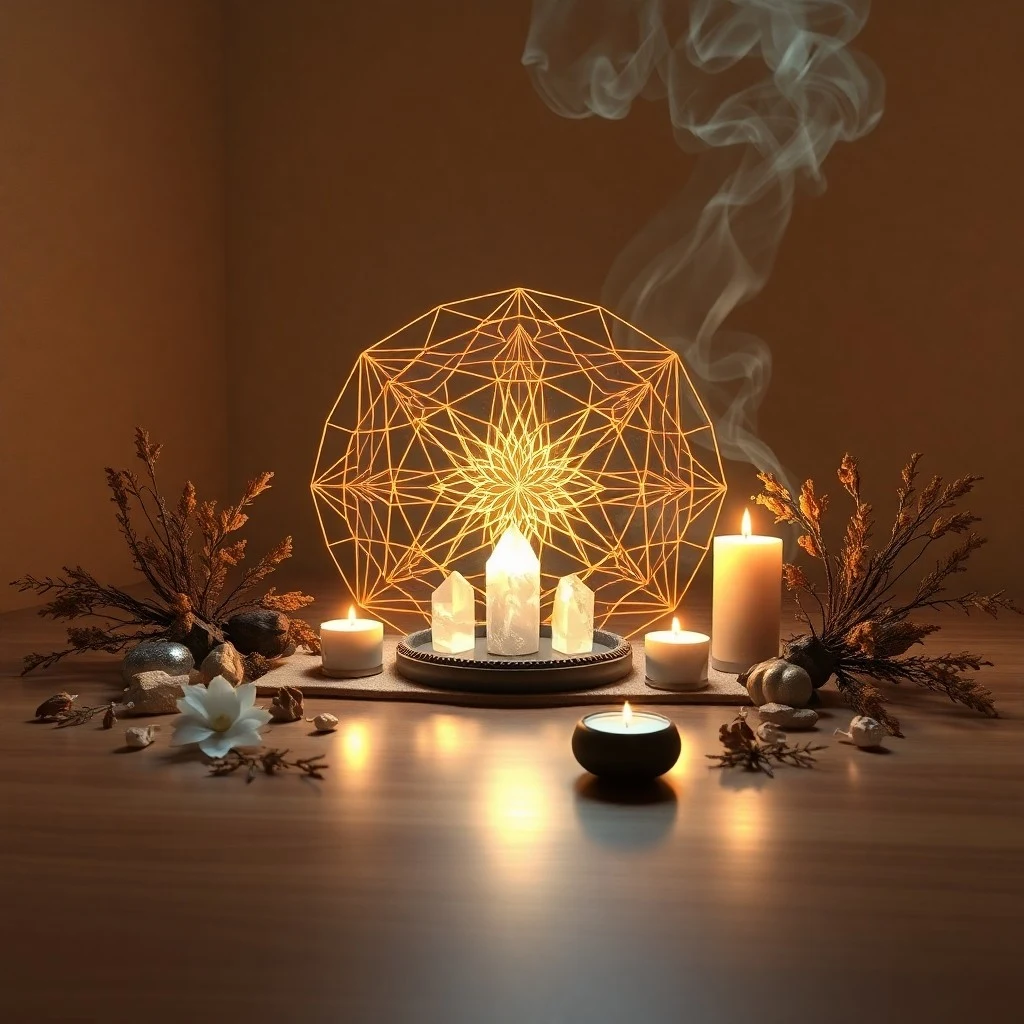
A beautifully rendered 3D digital illustration of a tranquil sacred space, featuring a luminous altar and intricate geometric designs, designed to foster spiritual connection.
Table of Contents
- Understanding the Sacred Space
- The Purpose of a Sacred Space
- Elements of an Altar
- Creating a Crystal Grid
- Designing Your Ritual Area
- Maintaining Your Sacred Space
- Benefits of a Dedicated Sacred Space
Understanding the Sacred Space
A sacred space is more than just a physical location; it is an energetic container imbued with intention and purpose. It serves as a focal point for spiritual practice, a place where the veil between the ordinary and the extraordinary feels thinner. The concept of sacred space is ancient, found in nearly every culture and spiritual tradition throughout history, from ancient temples to humble home shrines.
The essence of a sacred space lies in its ability to facilitate a deeper connection with oneself, with the divine, or with universal energies. It is a place where you can retreat, reflect, and recharge, free from the distractions and demands of daily life. By consciously setting aside and consecrating an area, you elevate its energetic vibration, making it more conducive to spiritual activities.
This doesn't necessarily require a large area or elaborate setup. Even a small shelf, a windowsill, or a corner of a room can be transformed into a powerful sacred space with the right intention and elements. The key is consistency and personal resonance, ensuring that the space feels authentic and supportive to your unique spiritual path.
The Purpose of a Sacred Space
The primary purpose of a sacred space is to create an environment that supports and amplifies your spiritual practices. This can encompass a wide range of activities, from meditation and prayer to ritual work, energy healing, or simply quiet contemplation. It acts as a dedicated zone where your intentions are clearer and your focus is sharper.
Beyond formal practices, a sacred space can also serve as a personal sanctuary for emotional and mental well-being. It offers a refuge where you can process emotions, seek clarity, or simply find peace amidst chaos. Many find that having such a dedicated area helps in grounding themselves and maintaining a sense of balance in their lives.
Furthermore, a sacred space can act as a powerful anchor for manifestation and intention setting. By regularly visiting and working within this energetically charged area, you reinforce your goals and desires, drawing them closer to reality. It becomes a physical representation of your spiritual commitment and aspirations.

A cinematic still life featuring a collection of mystical objects, including an obsidian mirror, a finely carved wooden box, and aromatic dried herbs, all bathed in evocative lighting.
Elements of an Altar
An altar is often the centerpiece of a sacred space, serving as a focal point for offerings, invocations, and symbolic representation. While its form and contents vary widely depending on personal beliefs, certain common elements can be found. The design of your altar should reflect what is sacred to you.
Consider including representations of the four elements: Earth, Air, Fire, and Water. Earth can be symbolized by crystals, stones, plants, or a bowl of salt or soil. Air can be represented by incense, feathers, or a bell. Fire is typically a candle, while Water can be a small bowl of water or a chalice. These elements help to ground and balance the energy of the space.
Other common altar items include:
- Deity Statues or Images: If you work with specific deities or spiritual figures, their representations can be placed on the altar.
- Personal Mementos: Objects that hold personal significance, such as photographs, heirlooms, or gifts, can imbue the altar with your unique energy.
- Tools: Wands, athames, tarot decks, or other ritual tools can be stored or displayed on the altar when not in use.
- Offerings: Fresh flowers, fruit, grains, or small trinkets can be offered as a gesture of gratitude or devotion.
- Crystals: Various crystals can be chosen for their energetic properties to amplify intentions or create a specific atmosphere.
Creating a Crystal Grid
Crystal grids are powerful tools for manifestation, healing, and energy amplification. They involve arranging a specific combination of crystals in a geometric pattern to create a unified energy field that works towards a common intention. The synergy of multiple crystals, combined with sacred geometry, magnifies their individual properties.
To create a crystal grid, you will typically need:
- A Central Stone: This is the focal point of your intention, often a larger crystal like a quartz point or sphere.
- Surrounding Stones: Smaller crystals that support and amplify the central stone's energy, arranged in a pattern.
- Activation Wand: A crystal point (often clear quartz) used to connect and activate the grid's energy.
- A Grid Cloth or Pattern: A printed or drawn geometric pattern (e.g., Flower of Life, Seed of Life, Metatron's Cube) to guide the placement of stones.
The process involves setting your clear intention, cleansing and charging your crystals, arranging them on the grid pattern, and then activating the grid by tracing the connections between the stones with your activation wand. This creates a continuous flow of energy, directing it towards your desired outcome. Regular re-activation and cleansing can maintain the grid's potency.

A striking conceptual artwork depicting a luminous energy grid materializing over raw quartz crystals, representing the power of intention and manifestation.
Designing Your Ritual Area
Beyond the altar and crystal grids, the overall design of your ritual area plays a crucial role in enhancing your spiritual practice. This involves considering the aesthetics, comfort, and energetic flow of the space. The goal is to create an environment that feels both sacred and welcoming, a place where you can fully immerse yourself in your work.
Key considerations for designing your ritual area include:
- Location: Choose a quiet spot where you won't be easily disturbed. This could be a spare room, a corner of a bedroom, or even an outdoor space.
- Cleanliness: A physically clean space contributes to a clear energetic space. Regular tidying and decluttering are essential.
- Lighting: Soft, ambient lighting from candles, salt lamps, or dimmable lights can create a calming and mystical atmosphere. Natural light is also highly beneficial.
- Comfort: Include cushions, blankets, or a comfortable chair for meditation or extended periods of practice.
- Sound: Consider incorporating chimes, singing bowls, or soft, ambient music to enhance the meditative quality of the space.
- Aromas: Essential oil diffusers, incense, or natural herbs can purify the air and evoke specific moods or intentions.
- Color Palette: Choose colors that evoke peace, spirituality, or the specific energy you wish to cultivate (e.g., blues for tranquility, purples for spiritual insight).
Maintaining Your Sacred Space
Once your sacred space is established, regular maintenance is crucial to preserve its energetic integrity and effectiveness. Just as you clean your physical home, your spiritual sanctuary also requires attention to remain vibrant and supportive. This ongoing care ensures that the space continues to serve its intended purpose without accumulating stagnant or unwanted energies.
Maintenance practices can include:
- Physical Cleaning: Regularly dust surfaces, tidy items, and ensure the area is free from clutter. A clean environment promotes clear energy.
- Energetic Cleansing: Smudging with sage or palo santo, using sound (singing bowls, chimes), or spraying essential oil mists can clear negative or stagnant energies. This should be done periodically, especially after intense spiritual work or if the space feels heavy.
- Recharging: Place crystals in moonlight or sunlight, or use intention to re-energize your altar items.
- Refreshing Offerings: If you use perishable offerings like fresh flowers or fruit, replace them regularly to keep the energy fresh and vibrant.
- Re-consecration: Periodically, you might feel called to re-consecrate your space, reinforcing your intentions and reaffirming its sacred purpose. This can be a simple meditation or a small ritual.
Benefits of a Dedicated Sacred Space
The advantages of establishing and maintaining a sacred space are numerous and extend beyond the realm of spiritual practice, impacting various aspects of your life. This dedicated area serves as a constant reminder of your spiritual path and provides a stable foundation for personal growth and well-being.
Some key benefits include:
- Enhanced Focus and Concentration: A designated space free from distractions allows for deeper meditation and more effective ritual work.
- Increased Sense of Peace and Calm: The intentional design and energetic purity of the space create an atmosphere conducive to relaxation and inner tranquility.
- Stronger Spiritual Connection: Regular interaction with your sacred space deepens your connection to the divine, your higher self, or universal energies.
- Personal Growth and Self-Discovery: It provides a safe haven for introspection, allowing you to explore your inner landscape and facilitate personal transformation.
- Stress Reduction: Retreating to your sacred space can be an effective way to alleviate stress and anxiety, offering a mental and emotional reset.
- Amplified Intentions: The concentrated energy within a sacred space can help to manifest desires and bring intentions to fruition more powerfully.
- Creative Inspiration: Many find that their sacred space also serves as a wellspring of creativity, fostering new ideas and insights.
Fuente: Contenido híbrido asistido por IAs y supervisión editorial humana.


Comments
Post a Comment