
Smudging Rituals: Purifying Spaces, Auras | StarPluto
Smudging and cleansing rituals are ancient practices found across various cultures, primarily recognized for their role in purifying spaces, objects, and even personal auras. These rituals involve burning sacred herbs or resins, allowing the smoke to clear negative energies and invite positive vibrations. This comprehensive guide delves into the historical context, the most commonly used sacred herbs, the step-by-step process of conducting a ritual, and the modern ethical considerations surrounding these profound spiritual tools.
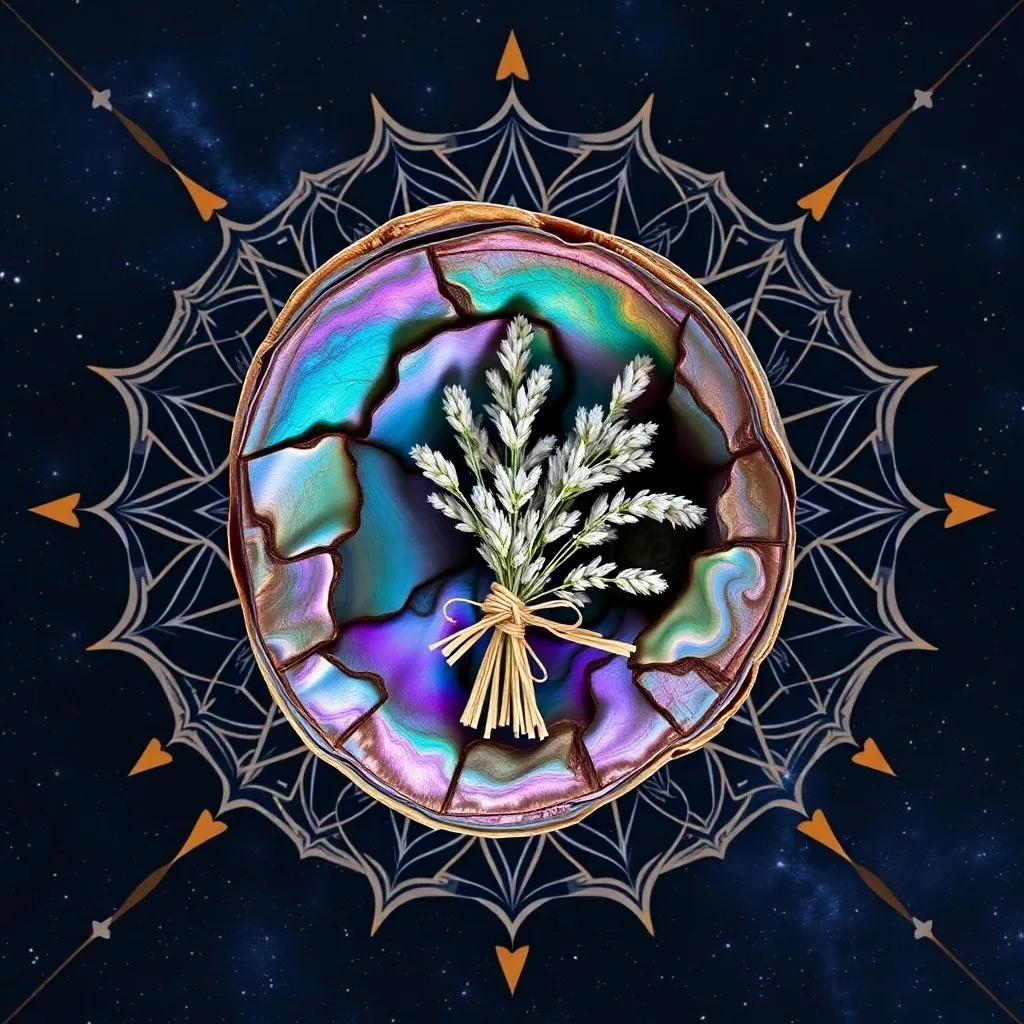
The ancient practice of smudging uses sacred smoke to cleanse and purify environments.
The concept of energetic cleansing is deeply rooted in the belief that everything carries an energetic signature. Over time, spaces can accumulate stagnant, heavy, or unwanted energies from various sources, such as arguments, stress, illness, or even past inhabitants. Smudging offers a ceremonial way to refresh these energies, creating a more harmonious and sacred environment. It is not merely about burning plants; it is a mindful process imbued with intention and respect for the natural world.
Understanding the nuances of these rituals is crucial for anyone seeking to incorporate them into their spiritual practice. From selecting the right herbs to performing the ceremony with reverence, each step contributes to the effectiveness and integrity of the cleansing process. This article aims to provide a clear, educational, and respectful overview, ensuring that these powerful traditions are honored and properly understood.
Table of Contents
- The Ancient History and Cultural Significance of Smudging
- Key Sacred Herbs and Resins Used in Cleansing Rituals
- How to Perform a Smudging Ritual: A Step-by-Step Guide
- The Power of Intention: Guiding Your Cleansing Ritual
- Beyond Energy: Physical and Mental Benefits of Space Purification
- Ethical Sourcing and Sustainability in Smudging Practices
- Alternative Cleansing Methods for Spaces and Auras
- Conclusion: Embracing Intentional Purification
The Ancient History and Cultural Significance of Smudging
The practice of smudging, or ceremonial smoke cleansing, dates back thousands of years, with roots in various indigenous cultures worldwide, particularly Native American traditions. These rituals were, and continue to be, integral to spiritual ceremonies, healing practices, and daily life. The burning of sacred plants like white sage, cedar, and sweetgrass was believed to purify the air, repel negative spirits, and invite blessings.
Different cultures developed unique smudging traditions, each with specific plants, tools, and intentions. For example, many Native American tribes use an abalone shell to hold the burning herbs, representing the water element, along with a feather to direct the smoke, representing the air element. The herbs themselves represent earth, and the flame represents fire, thus incorporating all four elements into the sacred practice.
Beyond purification, smudging was often used for prayer, meditation, and connecting with ancestral spirits. It served as a bridge between the physical and spiritual realms, preparing individuals and spaces for sacred work. The smoke is thought to attach to negative energy, carrying it away as it dissipates, leaving behind clarity and peace.
Key Sacred Herbs and Resins Used in Cleansing Rituals
While many plants have been used for smoke cleansing, a few have gained widespread recognition for their potent properties. Each herb carries its own unique energetic signature and is traditionally used for specific purposes.

A diverse array of sacred herbs are traditionally used for their unique cleansing properties.
- White Sage (Salvia apiana): Perhaps the most well-known, white sage is revered for its powerful purifying properties. It is believed to clear negative energy, neutralize stagnant vibrations, and promote healing. Its use is deeply sacred to many Native American tribes, and ethical sourcing is paramount.
- Palo Santo (Bursera graveolens): Meaning "holy wood" in Spanish, Palo Santo is a fragrant wood native to South America. It is used to cleanse negative energy, attract positive energy, and bring a sense of calm and spiritual connection. It has a sweet, woody aroma.
- Cedar (Thuja plicata): Often used in purification and protection rituals, cedar is known for its ability to drive out negative energies and invite positive ones. It is also associated with grounding and strength, commonly used in sweat lodge ceremonies.
- Sweetgrass (Hierochloe odorata): This aromatic grass is braided and burned to attract positive energy and blessings. Unlike sage, which clears, sweetgrass is used to invite good spirits and positive influences after a space has been cleansed. It has a vanilla-like scent.
- Lavender (Lavandula angustifolia): While not traditionally used in Native American smudging, lavender is a popular herb for cleansing and calming. It promotes peace, relaxation, and can help clear emotional blockages.
- Frankincense and Myrrh: These ancient resins, often used in Middle Eastern and African spiritual traditions, are burned to purify, protect, and deepen spiritual connection. They have a rich, earthy aroma.
Each of these herbs and resins offers a unique contribution to the cleansing process, allowing individuals to tailor their rituals to specific needs and intentions. Respecting their origins and traditional uses enhances the efficacy of the practice.
How to Perform a Smudging Ritual: A Step-by-Step Guide
Performing a smudging ritual requires mindfulness and respect. Here’s a basic guide to help you cleanse your space or aura effectively:
- Gather Your Tools: You will need your chosen sacred herb (e.g., a sage bundle or palo santo stick), a fireproof bowl or abalone shell to catch ashes, and a feather or your hand to direct the smoke. Ensure a window is open to allow negative energy to escape.
- Set Your Intention: Before lighting the herb, take a moment to clearly state your intention. What do you wish to clear? What do you wish to invite? This mental focus is crucial for the ritual's effectiveness.
- Light the Herb: Hold the herb at a 45-degree angle and light it with a match or lighter. Let it burn for a few seconds, then gently blow out the flame, allowing the embers to smolder and produce smoke.
- Direct the Smoke:
- For a Room: Start at the entrance of a room and move clockwise, wafting the smoke into corners, around furniture, and anywhere stagnant energy might reside. Pay attention to doorways and windows.
- For Your Aura: Start at your feet and move upwards, circling the smoke around your body, paying extra attention to areas where you feel tension or heaviness.
- For Objects: Pass the object through the smoke, ensuring all sides are exposed.
- Maintain Your Intention: As you smudge, continue to focus on your intention, visualizing the smoke carrying away unwanted energies and leaving behind lightness and clarity. You can recite a mantra or prayer.
- Extinguish the Herb: Once you feel the cleansing is complete, gently press the smoldering end of the herb into the fireproof bowl until it stops smoking. Never leave burning herbs unattended.
- Give Thanks: Conclude your ritual by expressing gratitude for the cleansing, the sacred herbs, and the positive energy you've invited.
Remember, the ritual is as much about your mindset and reverence as it is about the smoke itself. Approach it with an open heart and a clear purpose.
The Power of Intention: Guiding Your Cleansing Ritual
At the heart of any effective spiritual practice, especially smudging, lies the power of intention. It is not enough to simply burn herbs; the conscious direction of your will and focus is what truly empowers the ritual. Intention acts as a guide for the energetic exchange, telling the universe what you wish to release and what you wish to attract.
Before you even light your sacred herb, take several deep breaths and center yourself. Clearly articulate in your mind, or even aloud, what you hope to achieve. Are you clearing stagnant energy from a new home? Releasing old emotional patterns? Inviting peace and creativity into your workspace? The more specific and heartfelt your intention, the more potent the cleansing will be.
During the smudging process, hold this intention firmly. Visualize the smoke absorbing and carrying away the unwanted energies, and then imagine your desired outcome manifesting in the newly purified space. This focused visualization, combined with the physical act of smudging, creates a powerful energetic shift. Without clear intention, the ritual can become a mere physical act, losing much of its spiritual efficacy.
Beyond Energy: Physical and Mental Benefits of Space Purification
While the primary purpose of smudging is energetic purification, many practitioners report a range of physical and mental benefits that extend beyond the purely spiritual. These benefits are often intertwined, as a clear energetic space can positively impact one's overall well-being.

Visualizing positive energy replacing stagnant vibrations is key to effective cleansing.
Scientifically, some studies have shown that burning certain herbs, like white sage, can release negative ions, which are associated with a more positive mood and reduced stress. Additionally, the act of engaging in a ritual can be a powerful psychological tool, fostering a sense of control, mindfulness, and peace. This ritualistic behavior can help individuals transition between states, such as moving from a stressful day to a peaceful evening.
| Category | Specific Benefits |
|---|---|
| Energetic | Clears stagnant/negative energies, purifies spaces, invites positive vibrations, protects against unwanted influences. |
| Mental/Emotional | Reduces stress and anxiety, promotes mental clarity, enhances focus, fosters a sense of peace and calm, aids in emotional release. |
| Spiritual | Deepens spiritual connection, enhances meditation and prayer, creates sacred space, facilitates intention setting, honors ancient traditions. |
| Physical (Indirect) | Improved sleep quality, reduced feelings of heaviness, boosted overall well-being (often a result of reduced stress). |
Moreover, the aromatic compounds released by burning herbs can have a direct impact on the limbic system, influencing mood and memory. The ritual itself can serve as a powerful anchor for mindfulness, drawing awareness to the present moment and fostering a deeper connection to one's environment and inner self.
Ethical Sourcing and Sustainability in Smudging Practices
As smudging practices gain popularity, it is crucial to address the ethical and sustainability concerns, particularly regarding white sage and palo santo. Both plants have been overharvested due to increased demand, threatening their natural populations and infringing upon indigenous rights.
"The practice of smudging with white sage is a sacred tradition of Indigenous peoples of North America. Its commercialization and appropriation by non-Indigenous individuals and cultures without proper understanding or respect for its spiritual significance is a matter of concern for many Indigenous communities. Ethical sourcing means ensuring that the plants are harvested sustainably, with respect for the land and the traditions, and ideally from Indigenous-owned and operated businesses."
When purchasing sacred herbs, consider the following:
- Source: Look for suppliers who explicitly state their commitment to ethical and sustainable harvesting practices. Ideally, choose products harvested by Indigenous communities who follow traditional methods and ensure replanting.
- Wildcrafting vs. Cultivation: Sustainably wildcrafted herbs are gathered from their natural habitat in a way that does not harm the plant population. Cultivated herbs, grown on farms, are also a good option to reduce pressure on wild populations.
- Alternatives: Explore other locally sourced or less endangered herbs for cleansing, such as rosemary, lavender, or mugwort, which have similar purifying properties and can be grown in many regions.
- Respect: Regardless of the source, approach these practices with deep respect for their origins and the spiritual significance they hold for indigenous peoples. Avoid cultural appropriation by understanding the context and intention behind the ritual.
By making informed choices, you can participate in these beneficial rituals while honoring the cultures from which they originate and supporting environmental sustainability.
Alternative Cleansing Methods for Spaces and Auras
While smudging with sacred herbs is a powerful method, it is not the only way to cleanse spaces and auras. For those who cannot use smoke, prefer different approaches, or wish to supplement their smudging practices, several effective alternatives exist.
- Sound Cleansing: The vibrations from singing bowls, tuning forks, bells, or even clapping can break up stagnant energy. Walk around your space, creating sound in each corner and throughout the room, focusing on areas that feel heavy.
- Salt Cleansing: Salt is a powerful absorber of negative energy. You can place bowls of sea salt in corners of rooms, sprinkle salt along windowsills and doorways, or use salt lamps. For personal aura cleansing, a salt bath is highly effective.
- Crystal Cleansing: Certain crystals, like black tourmaline, selenite, and amethyst, are known for their protective and purifying properties. Place them strategically in your home or carry them with you to absorb and transmute negative energy. Remember to regularly cleanse your crystals.
- Essential Oils and Sprays: Aromatic essential oils such as lavender, frankincense, cedarwood, or lemon can be diffused or mixed with water to create cleansing sprays. These offer a smoke-free way to refresh and purify the air, while also benefiting from aromatherapy.
- Visualization and Intention: The most fundamental cleansing tool is your own mind. Through focused visualization, you can imagine light filling your space, pushing out any darkness or unwanted energy. Combine this with strong intention and affirmations for powerful results.
- Physical Decluttering and Cleaning: A clean and organized physical space often translates to a clearer energetic space. Regular cleaning, decluttering, and opening windows to allow fresh air and sunlight are simple yet profound ways to maintain energetic hygiene.
These alternatives provide flexibility and ensure that everyone can find a cleansing method that resonates with their beliefs and circumstances. The key is always the intention behind the practice.
Conclusion: Embracing Intentional Purification
Smudging and cleansing rituals are more than just burning herbs; they are ancient, sacred practices designed to foster energetic harmony, mental clarity, and spiritual connection. By understanding their rich history, the properties of various sacred herbs, and the importance of intention, individuals can engage in these rituals with respect and effectiveness. The growing awareness around ethical sourcing also highlights the importance of conscious consumption and honoring the indigenous roots of these traditions.
Whether you choose traditional smudging with sage and palo santo or explore alternative methods like sound and crystals, the core principle remains the same: the deliberate act of clearing unwanted energies to make space for peace, positivity, and well-being. Embracing these practices can transform your environment and your inner world, creating a sanctuary for growth and serenity.
Fuente: Contenido híbrido asistido por IAs y supervisión editorial humana.


Comments
Post a Comment