
Sound Healing: Vibrational Therapy for Holistic Wellness | StarPluto
Sound healing, also known as vibrational therapy, is an ancient practice gaining renewed recognition in the modern wellness landscape. It harnesses the power of sound frequencies and vibrations to promote physical, mental, and emotional well-being. From the rhythmic chants of ancient cultures to the precise frequencies of modern instruments, the principle remains the same: sound can influence our internal state and bring about profound healing.
This holistic approach suggests that every cell in our body vibrates at a specific frequency, and when these vibrations become imbalanced due to stress, illness, or trauma, dis-ease can manifest. Sound healing aims to restore harmony by introducing therapeutic frequencies that encourage the body and mind to return to their natural state of balance. It's a journey into the subtle energies that shape our existence, offering a gentle yet powerful path to inner peace and vitality.
Table of Contents
- What is Sound Healing? An Introduction to Vibrational Therapy
- The Vibrational Science: How Sound Affects the Human Body
- Ancient Echoes: Historical and Cultural Foundations of Sound Therapy
- Instruments of Harmony: Key Modalities in Sound Healing
- Beyond Relaxation: Comprehensive Benefits for Wellness
- Experiencing the Resonance: Ways to Engage with Sound Healing
- Modern Perspectives: Scientific Research and Future Directions
- Navigating the Soundscape: Considerations and Best Practices
What is Sound Healing? An Introduction to Vibrational Therapy
Sound healing, at its core, is the therapeutic application of sound frequencies and vibrations to the body and mind. It operates on the principle that everything in the universe, including our bodies, is in a constant state of vibration. When we are healthy, our body's natural resonant frequency is in tune; however, factors like stress, disease, and emotional blockages can disrupt this natural harmony, leading to dissonance.
Vibrational therapy seeks to re-establish this equilibrium by exposing the individual to specific sounds and frequencies. These sounds can come from various instruments, such as singing bowls, gongs, tuning forks, or even the human voice. The goal is to induce a state of deep relaxation, facilitate emotional release, and stimulate the body's natural healing processes. It's a non-invasive, gentle approach that complements conventional medicine.

The Vibrational Science: How Sound Affects the Human Body
The scientific understanding of how sound impacts the human body is rooted in principles of resonance and entrainment. Resonance occurs when an object vibrates at the same frequency as an external source, causing it to vibrate in sympathy. In sound healing, the therapeutic frequencies aim to resonate with the body's healthy cells, encouraging them to return to their optimal vibrational state.
Entrainment, on the other hand, is the process where rhythmic cycles synchronize. For example, brainwave entrainment uses specific frequencies to guide brain activity into desired states, such as alpha (relaxation) or theta (meditation). This can be achieved through binaural beats or specific musical compositions. Research in psychoneuroimmunology suggests that these states can influence hormonal balance, nervous system regulation, and even immune function.
At a cellular level, sound waves are physical vibrations that travel through water and tissue. Since the human body is largely composed of water, it acts as an excellent conductor for these vibrations. This allows sound to penetrate deeply, potentially stimulating circulation, reducing inflammation, and promoting cellular regeneration. While more rigorous scientific studies are needed, preliminary findings and anecdotal evidence highlight the profound physiological responses to sound therapy.
Ancient Echoes: Historical and Cultural Foundations of Sound Therapy
The use of sound for healing is not a modern invention; it has deep roots in nearly every ancient culture across the globe. From the chanting of mantras in Vedic traditions to the rhythmic drumming of indigenous shamans, sound has long been recognized as a powerful tool for spiritual connection, emotional release, and physical restoration. These practices often intertwined with religious ceremonies and communal rituals, emphasizing the collective healing potential of shared vibrations.
In ancient Egypt, priests used vocal toning in sacred chambers, believing specific sounds could resonate with the body's energy centers. The ancient Greeks utilized flutes and lyres to treat mental illness and promote emotional balance, attributing therapeutic properties to certain musical modes. Similarly, indigenous Australian aboriginals have used the didgeridoo for thousands of years, not only for ceremonial purposes but also for its purported healing effects, particularly for respiratory ailments.
Tibetan singing bowls, originating in the Himalayan region, are perhaps one of the most recognized ancient sound healing instruments. Their complex overtones and sustained vibrations are believed to induce deep meditative states and promote energetic cleansing. These historical applications underscore a universal human understanding that sound is more than just auditory perception; it is a fundamental force capable of profound transformation. You can learn more about ancient spiritual practices through Tarot Quantum Mechanics Intersecting Divination Reality.
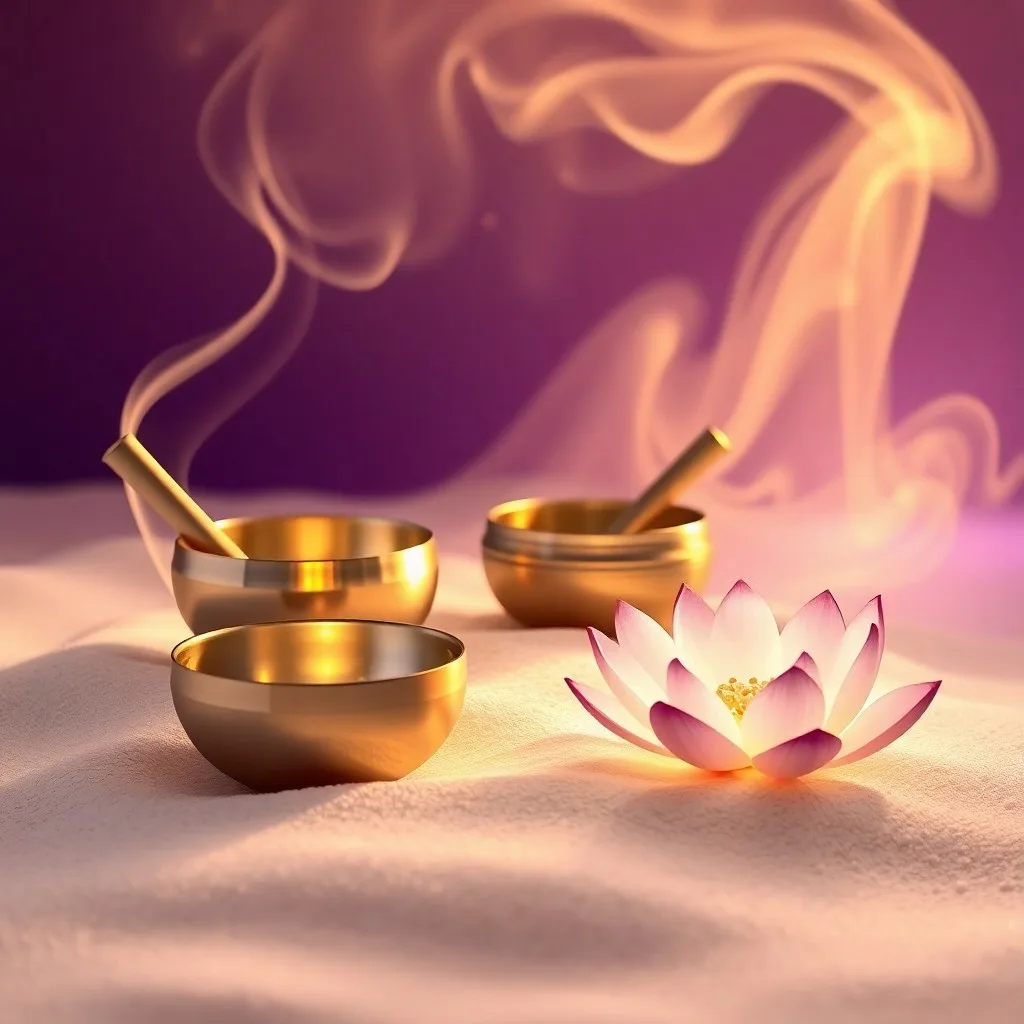
Instruments of Harmony: Key Modalities in Sound Healing
The world of sound healing employs a diverse array of instruments, each with unique vibrational qualities and therapeutic applications. Understanding these modalities can help individuals choose the most suitable approach for their needs. Here are some of the most prominent instruments and their uses:
- Singing Bowls (Tibetan and Crystal): Tibetan bowls, made from a blend of metals, produce rich, complex overtones when played. Crystal bowls, crafted from quartz, create pure, resonant tones. Both are used to induce deep relaxation, balance chakras, and facilitate meditation.
- Gongs: Gongs generate powerful, immersive soundscapes that can evoke a sense of cosmic journey. Their intense vibrations are believed to clear energetic blockages, release emotional tension, and promote profound states of altered consciousness.
- Tuning Forks: Precision-tuned forks produce specific frequencies that can be applied to the body or held near the ears. They are often used for targeted healing, pain relief, stimulating acupuncture points, and balancing the nervous system.
- Didgeridoos: Originating from indigenous Australian culture, the didgeridoo produces deep, resonant drones. Its unique sound and vibrations are thought to improve respiratory function, induce trance states, and connect individuals to ancient wisdom.
- Drums: Various types of drums, from shamanic frame drums to djembe drums, are used for their rhythmic and percussive qualities. Drumming can induce altered states of consciousness, release emotional blockages, and foster a sense of community and connection.
- Voice and Chanting: The human voice is a powerful healing instrument. Chanting mantras, toning, or vocalizing specific sounds can create internal vibrations that resonate with different parts of the body, promoting self-expression, emotional release, and spiritual alignment.
Each instrument offers a unique pathway to healing, and practitioners often combine several modalities to create a comprehensive therapeutic experience. The choice of instrument often depends on the specific intention of the session and the individual's energetic needs. For more on how sound can influence personal energy, consider exploring Tarot Quantum Mechanics Intersecting Divination Reality.
Beyond Relaxation: Comprehensive Benefits for Wellness
While deep relaxation is a commonly reported benefit of sound healing, its therapeutic potential extends far beyond simply calming the mind. The regular practice of vibrational therapy can contribute to a wide range of physical, mental, and emotional improvements, fostering holistic wellness.
One of the most significant benefits is stress reduction. Sound baths and other modalities can lower cortisol levels, reduce heart rate, and promote a parasympathetic nervous system response, leading to a profound sense of peace. This reduction in stress often translates to improved sleep quality, as the mind becomes quieter and the body more relaxed, making it easier to fall asleep and stay asleep.
Sound healing has also shown promise in pain management. The vibrations can help to relax tense muscles, improve circulation, and distract the mind from discomfort, offering a non-pharmacological approach to chronic pain. Furthermore, many individuals report significant emotional release during or after sessions, finding that sound helps to process grief, anxiety, and past traumas in a gentle and supportive environment. This can lead to enhanced emotional balance and resilience.
Beyond these, sound healing can foster enhanced focus and creativity. By quietening the incessant chatter of the mind, it creates space for clarity, intuition, and innovative thought. It also promotes a deeper connection to oneself, facilitating self-awareness and spiritual growth. The cumulative effect of these benefits contributes to a more balanced, vibrant, and harmonious life.

Experiencing the Resonance: Ways to Engage with Sound Healing
Engaging with sound healing can take various forms, catering to different preferences and needs. The most popular and accessible method is often a "sound bath," but there are other ways to incorporate vibrational therapy into your wellness routine.
Sound Baths: These are group experiences where participants lie down comfortably while a practitioner plays various instruments like gongs, singing bowls, and chimes. The sounds wash over the participants, creating an immersive, meditative environment. Sound baths are excellent for deep relaxation, stress relief, and a general sense of well-being. They require no prior experience and are a great introduction to sound healing.
Individual Sessions: For more personalized attention, one-on-one sessions with a sound healing practitioner are available. In these sessions, the practitioner may place instruments directly on or around the body, use tuning forks on specific energy points, or tailor the sound experience to address particular concerns, such as chronic pain or emotional blockages. These sessions allow for a deeper, more targeted therapeutic approach.
Integrating into Daily Life: Sound healing doesn't have to be limited to formal sessions. Many people incorporate elements of vibrational therapy into their daily lives. This can include listening to binaural beats or meditative music, practicing vocal toning or chanting, or even using a personal singing bowl for short meditation practices. These daily integrations can help maintain energetic balance and promote consistent well-being. For those interested in personal spiritual growth, exploring Astrología Horaria: Predicciones Clave Momentos Vitales can be a complementary practice.
Modern Perspectives: Scientific Research and Future Directions
While sound healing boasts an ancient lineage, modern science is increasingly exploring its mechanisms and efficacy. Research is emerging from various fields, including neuroscience, psychology, and integrative medicine, to understand how sound frequencies impact human physiology and psychology. Studies have investigated the effects of sound therapy on brainwave patterns, heart rate variability, pain perception, and mood states.
For instance, electroencephalography (EEG) studies have shown that certain sound frequencies can induce alpha and theta brainwave states, associated with relaxation and deep meditation. Functional magnetic resonance imaging (fMRI) is beginning to map the brain regions activated during sound therapy, providing insights into its neurological impact. Clinical trials are also being conducted to assess the effectiveness of sound healing as an adjunctive therapy for conditions like anxiety, depression, PTSD, and chronic pain.
The future of sound healing research looks promising, with increasing interest in personalized sound prescriptions based on individual biometric data and specific therapeutic needs. As technology advances, we may see more sophisticated tools for delivering precise vibrational therapies. This convergence of ancient wisdom and modern science is paving the way for sound healing to become a more widely accepted and integrated component of holistic healthcare systems. Understanding the broader context of how cosmic influences affect well-being can be found in Western Astrology and its influence on human lives.
Navigating the Soundscape: Considerations and Best Practices
As sound healing gains popularity, it's essential to approach it with discernment and an understanding of best practices. Choosing a qualified practitioner is paramount to ensuring a safe and effective experience. Look for individuals who have received formal training from reputable institutions and who possess a deep understanding of both the theoretical and practical aspects of vibrational therapy.
Consider their experience, their approach, and whether their philosophy resonates with your personal beliefs. A good practitioner will typically conduct an initial consultation to understand your needs and intentions, ensuring the session is tailored appropriately. They should also be able to explain the process clearly and answer any questions you may have, fostering a sense of trust and comfort.
It's also important to remember that sound healing is a complementary therapy and should not replace conventional medical treatment for serious conditions. Always consult with your healthcare provider regarding any health concerns. While generally safe, individuals with certain conditions, such as epilepsy or those with pacemakers, should inform their practitioner to ensure appropriate modifications are made. By being informed and selective, you can fully embrace the transformative potential of sound healing on your journey to holistic wellness.
Fuente: Contenido híbrido asistido por IAs y supervisión editorial humana.


Comments
Post a Comment