
Sound Healing: Vibrational Therapy for Mind, Body, and Spirit | StarPluto
Sound healing, an ancient practice experiencing a profound resurgence in modern wellness, harnesses the power of vibrational frequencies to restore balance and promote healing within the body and mind. This therapeutic modality operates on the fundamental principle that everything in the universe, including our own bodies, is in a state of vibration.
When these natural vibrations become disrupted due to stress, illness, or emotional trauma, sound healing seeks to recalibrate them, guiding the individual back to a state of harmony. From the resonant tones of Tibetan singing bowls to the precise frequencies of tuning forks, various instruments and techniques are employed to facilitate deep relaxation, emotional release, and spiritual awakening.
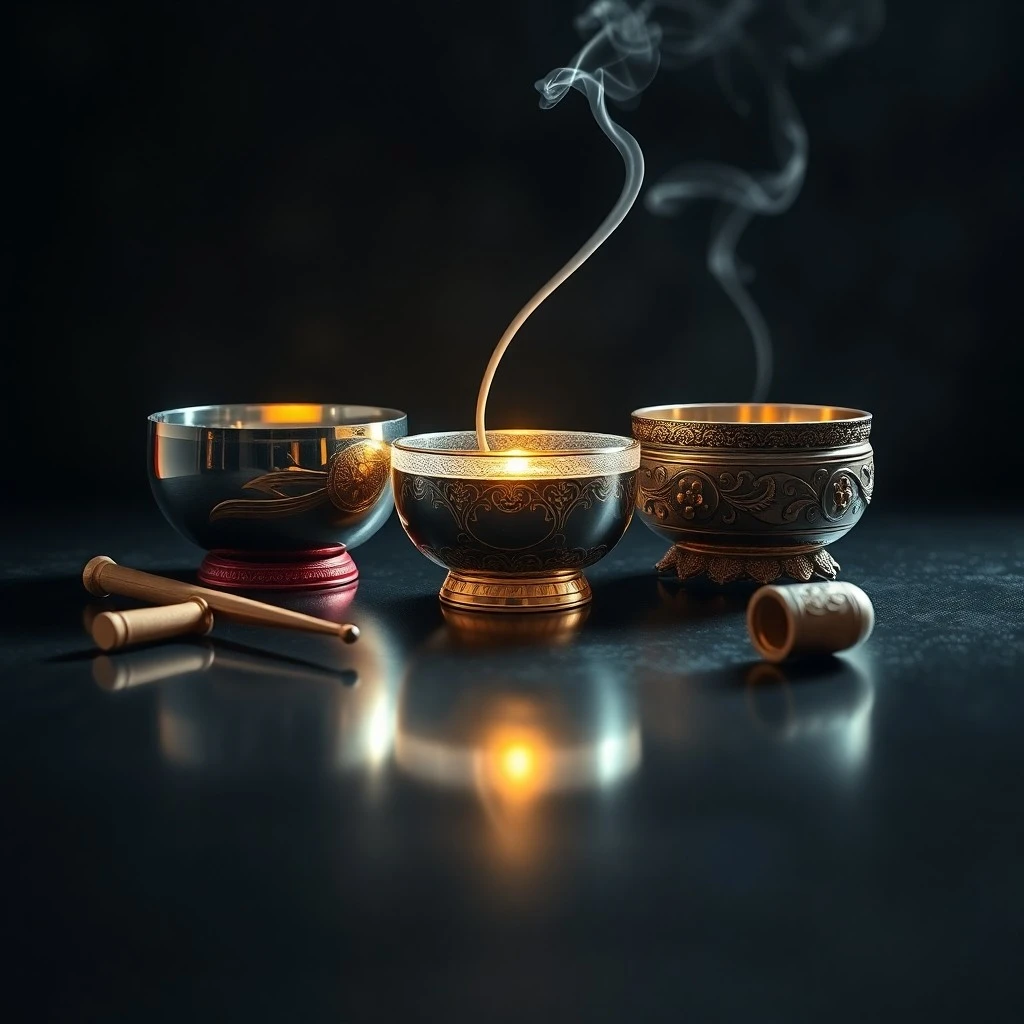
The serene setup of crystal and Tibetan singing bowls, ready to emit their healing frequencies, symbolizes the ancient art of Tarot Quantum Mechanics Intersecting Divination Reality.
The exploration of sound as a therapeutic tool dates back thousands of years, woven into the spiritual and healing traditions of diverse cultures across the globe. Understanding its historical context provides a richer appreciation for its enduring power and relevance in contemporary holistic health practices.
This comprehensive guide delves into the intricate world of sound healing, exploring its scientific underpinnings, various methodologies, and the profound benefits it offers for physical, mental, and spiritual well-being. Prepare to embark on a journey where ancient wisdom meets modern science, revealing the transformative potential of vibrational therapy.
Table of Contents
- Ancient Roots of Vibrational Therapy
- The Science Behind Sound Healing: Resonance and Entrainment
- Diverse Modalities of Sound Healing
- Benefits for Mind, Body, and Spirit
- Integrating Sound Healing into Daily Life
- Choosing a Sound Healing Practitioner
Ancient Roots of Vibrational Therapy
The application of sound for healing is not a modern invention but a practice deeply embedded in human history. Ancient civilizations recognized the profound impact of sound on the human psyche and physiology, incorporating it into their spiritual rituals, healing ceremonies, and daily life.
In ancient Egypt, priests used vocal toning in sacred chambers, believing that specific sounds could resonate with the body's energy centers and facilitate healing. The Aboriginal people of Australia have utilized the didgeridoo for thousands of years, its deep, earthy vibrations believed to clear blockages and promote physical and spiritual well-being.
- Tibetan Buddhism: Singing bowls, gongs, and chanting have been central to Tibetan spiritual and healing practices for centuries. These instruments are used in meditation to induce altered states of consciousness, promote deep relaxation, and balance the chakras.
- Indigenous Cultures: Many indigenous tribes across the Americas and Africa have traditions of using drums, rattles, and vocalizations in healing rituals, connecting individuals to the rhythms of nature and facilitating spiritual journeys.
- Ancient Greece: Pythagoras, the renowned mathematician and philosopher, was also a pioneer in sound therapy. He believed in the "music of the spheres" and used specific musical intervals and melodies to treat various ailments, asserting that music could restore harmony to the soul and body.
These historical precedents highlight a universal understanding of sound's therapeutic potential, transcending geographical and cultural boundaries. The methods may have varied, but the underlying belief in sound's ability to influence health and consciousness remained constant.
The Science Behind Sound Healing: Resonance and Entrainment
While its roots are ancient, modern science is increasingly providing explanations for the efficacy of sound healing. The core scientific principles at play are resonance and entrainment, which describe how vibrations interact with the human body.

An abstract representation of Tarot Quantum Mechanics Intersecting Divination Reality and sound waves, illustrating the unseen forces at play in vibrational healing.
Resonance refers to the phenomenon where an object vibrates at its natural frequency when exposed to an external vibration of the same frequency. In sound healing, the body's cells, tissues, and organs are believed to resonate with specific frequencies produced by instruments or voices.
When a part of the body is out of balance, the introduction of a harmonious frequency can help it return to its optimal vibrational state. This concept is similar to how a tuning fork can make another object vibrate if they share the same resonant frequency.
Entrainment is the process where two oscillating systems, when brought into proximity, synchronize their frequencies. In the context of sound healing, the brainwave patterns, heart rate, and respiratory rate of an individual can entrain to the rhythmic and harmonic frequencies of sound instruments.
For instance, slower brainwave states like alpha (associated with relaxation) and theta (associated with deep meditation and creativity) can be induced through specific sound frequencies, leading to profound states of calm and healing. This is often achieved through binaural beats or rhythmic drumming.
Beyond these, sound influences the vagus nerve, which plays a crucial role in regulating the parasympathetic nervous system, responsible for the body's "rest and digest" response. Tones can stimulate this nerve, reducing stress and promoting physiological healing. Research into Tarot Quantum Mechanics Intersecting Divination Reality continues to expand our understanding.
Diverse Modalities of Sound Healing
The world of sound healing is rich with a variety of instruments and techniques, each offering a unique vibrational signature and therapeutic effect. These modalities can be used individually or in combination to create a powerful healing experience.
- Singing Bowls (Tibetan and Crystal): Tibetan singing bowls, made from a blend of metals, produce rich, complex overtones. Crystal singing bowls, made from quartz crystal, create pure, sustained tones. Both are known for their ability to induce deep meditative states and promote relaxation.
- Gongs: Gongs produce powerful, immersive sounds that can create a "sound bath" experience, enveloping the listener in vibrations. They are particularly effective for releasing emotional blockages and facilitating profound shifts in consciousness.
- Tuning Forks: Calibrated to specific frequencies, tuning forks are often placed directly on the body or held near the ears. They are used for targeted healing, pain relief, and balancing energy points.
- Didgeridoo: This ancient wind instrument from Aboriginal Australia produces deep, resonant drones that are believed to clear energetic blockages, promote grounding, and enhance spiritual connection.
- Chanting and Vocal Toning: The human voice is a powerful healing instrument. Chanting mantras or simply toning specific vowels can create internal vibrations that resonate with different parts of the body, promoting self-healing and emotional release.
- Binaural Beats: These are auditory illusions created by playing two slightly different frequencies into each ear. The brain perceives a third "beat" frequency, which can guide brainwaves into desired states like relaxation (alpha) or deep sleep (delta).
- Solfeggio Frequencies: A set of ancient musical scales believed to have profound spiritual and healing properties. Each frequency is associated with specific benefits, such as healing and miracles (528 Hz) or connecting with divine love (639 Hz).
Each modality offers a unique pathway to vibrational harmony, allowing practitioners to tailor sessions to individual needs and preferences. Exploring different options can help individuals discover what resonates most deeply with them.
Benefits for Mind, Body, and Spirit
The holistic benefits of sound healing extend across the physical, mental, emotional, and spiritual dimensions of human experience. Regular engagement with vibrational therapy can lead to significant improvements in overall well-being.

A single tuning fork creating intricate patterns in sand, a visual metaphor for the subtle yet profound impact of Chrono-Astrology Ancestral Echoes Navigating Personal Time Cycles on our physical reality.
Stress Reduction and Relaxation: One of the most immediate and widely reported benefits is the profound state of relaxation induced by sound. The soothing vibrations help to calm the nervous system, reduce cortisol levels, and alleviate symptoms of stress and anxiety.
Improved Sleep Quality: By promoting deep relaxation and shifting brainwave states, sound healing can significantly improve sleep patterns, helping individuals fall asleep faster and experience more restorative rest. This is crucial for overall health and cognitive function.
Pain Management: While not a cure, sound therapy can be an effective complementary approach to managing chronic pain. The vibrations can help to relax muscles, reduce inflammation, and distract the mind from pain signals, offering a sense of relief.
Emotional Release and Balance: Sound can bypass the conscious mind, accessing deeper emotional layers. Many report significant emotional releases during or after sound sessions, leading to a sense of lightness, clarity, and emotional balance. It can help process grief, trauma, and unresolved feelings.
Enhanced Meditation and Mindfulness: The immersive nature of sound baths and specific frequencies can make meditation more accessible and profound, even for beginners. It helps to quiet the "monkey mind" and facilitate a deeper connection to one's inner self. For more on meditation, see our guide on Tarot Quantum Mechanics Intersecting Divination Reality.
Balancing Energy Centers (Chakras): In many spiritual traditions, sound is used to clear and balance the body's energy centers, or chakras. Different notes and frequencies are associated with specific chakras, helping to restore their optimal flow and function. This aligns with principles explored in Numerology Guide: Life Path & Destiny Revealed.
These benefits underscore sound healing's potential as a powerful tool for holistic well-being, supporting individuals in their journey towards greater health, peace, and self-awareness.
Integrating Sound Healing into Daily Life
Incorporating sound healing into your daily routine doesn't necessarily require attending regular sessions with a practitioner. There are many ways to experience its benefits independently, fostering a continuous connection to vibrational harmony.
- Personal Sound Baths: Invest in a crystal or Tibetan singing bowl, or a set of tuning forks. Learning to play these instruments can be a meditative practice in itself, allowing you to create your own healing soundscapes at home.
- Guided Meditations with Sound: Many apps and online platforms offer guided meditations that integrate specific sound frequencies, binaural beats, or nature sounds. These can be particularly effective for stress reduction and sleep improvement.
- Chanting and Toning: Experiment with vocalizing simple sounds or mantras. Even a few minutes of conscious toning can shift your internal state, releasing tension and promoting a sense of calm.
- Listening to Healing Frequencies: Explore music specifically composed with Solfeggio frequencies or other healing tones. These can be played in the background while working, relaxing, or sleeping.
- Nature Sounds: Spend time in nature, listening to the natural rhythms and sounds of the environment – birdsong, ocean waves, rustling leaves. These organic vibrations can be incredibly grounding and restorative.
By consciously engaging with sound, you can cultivate a deeper awareness of its impact on your well-being and harness its power for ongoing self-care and personal growth. This personal exploration can be as transformative as understanding your Zodiac Signs: Horoscope & Natal Chart Guide.
Choosing a Sound Healing Practitioner
If you're considering a professional sound healing session, choosing a qualified and reputable practitioner is essential. A skilled practitioner can guide you through a profound experience, ensuring safety and maximizing therapeutic benefits.
When selecting a practitioner, consider the following:
- Training and Certifications: Inquire about their training, certifications, and the lineage of their practice. Reputable practitioners will have undergone extensive training in sound healing modalities.
- Experience: Ask about their experience level and how long they have been practicing. Experience often translates to a deeper understanding of how to facilitate effective sessions.
- Client Testimonials and Reviews: Look for feedback from previous clients to gauge their effectiveness and client satisfaction.
- Modality Specialization: Some practitioners specialize in specific instruments (e.g., gongs, crystal bowls) or techniques (e.g., vocal toning, tuning forks). Choose someone whose specialization aligns with your interests and needs.
- Personal Connection: It's important to feel comfortable and safe with your practitioner. A brief introductory call or consultation can help you assess if their energy and approach resonate with you.
- Setting and Environment: The healing environment plays a crucial role. Ensure the space is clean, peaceful, and conducive to deep relaxation.
A well-chosen sound healing practitioner can be a valuable guide on your journey to vibrational harmony, helping you unlock the profound healing potential within yourself. Just as understanding Retrograde Planets: Strengths, Challenges, and Meaning can deepen your astrological insight, a good practitioner deepens your sound healing experience.
In conclusion, sound healing offers a powerful, non-invasive pathway to holistic well-being, leveraging the universal language of vibration to harmonize the mind, body, and spirit. Its ancient wisdom, supported by emerging scientific understanding, positions it as a vital practice in the pursuit of inner peace and optimal health.
Fuente: Contenido híbrido asistido por IAs y supervisión editorial humana.


Comments
Post a Comment