
The 12-Year Chinese Zodiac Cycle: Influence on Generations and Collective Trends | StarPluto
The Chinese Zodiac, a profound system rooted in ancient Chinese philosophy and astronomy, offers a unique lens through which to understand human personality, destiny, and the ebb and flow of collective societal trends. Unlike Western astrology, which is based on the position of the sun at the time of birth, the Chinese Zodiac assigns an animal sign to each year in a repeating 12-year cycle. This intricate system is believed to influence not only individual characteristics but also the overarching energies and themes that define entire generations.
Each of the twelve animals—the Rat, Ox, Tiger, Rabbit, Dragon, Snake, Horse, Goat, Monkey, Rooster, Dog, and Pig—carries distinct attributes, strengths, and challenges. These characteristics are thought to imbue those born under their influence with specific traits, shaping their approach to life, relationships, and career. Beyond individual horoscopes, the cyclical nature of these signs suggests a deeper connection to historical patterns and future possibilities, offering insights into why certain eras might exhibit particular collective behaviors or trends.
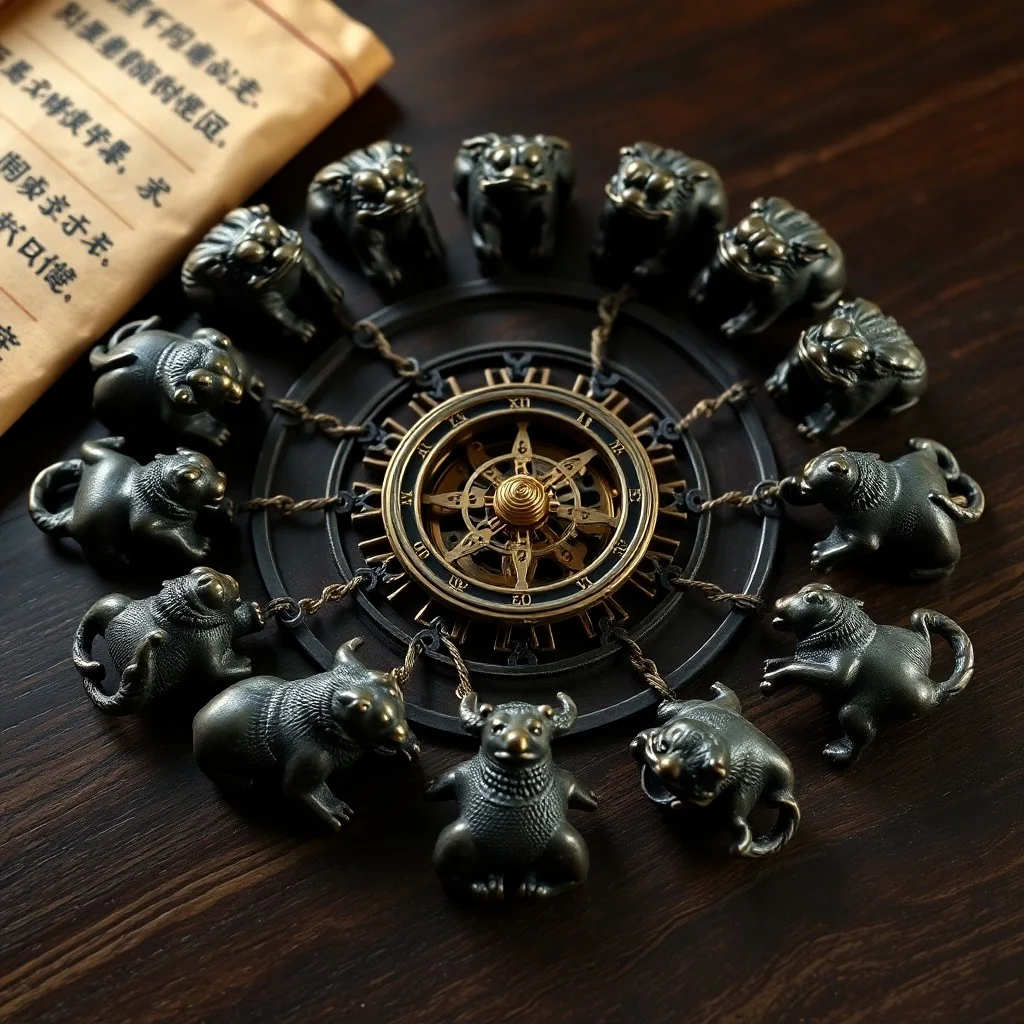
A Tarot Esoteric Geometry: Unlocking Universal Truths Sacred Shapes of the 12-year Chinese Zodiac cycle, symbolizing the continuous flow of energy and influence through generations.
Understanding the Chinese Zodiac cycle goes beyond simply knowing one's animal sign; it involves appreciating the interplay of these energies over time. Each year brings a new animal, and with it, a shift in the collective consciousness and prevailing societal atmosphere. This article delves into the core characteristics of each animal sign and explores how this ancient wisdom can illuminate the generational dynamics and collective trends that shape our world.
Understanding the Chinese Zodiac Cycle
The Chinese Zodiac, known as Sheng Xiao (生肖), is a classification scheme based on the lunar calendar that assigns an animal and its reputed attributes to each year in a repeating 12-year cycle. This system is deeply intertwined with Chinese culture, influencing everything from marriage compatibility and career choices to personal fortune and even national policies in historical contexts. The legend tells of the Jade Emperor summoning all animals for a race, and the order in which they arrived determined their placement in the zodiac cycle.
Each animal sign is believed to bestow specific personality traits and characteristics upon individuals born in that year. These traits are not static but interact with the influence of the five elements (Wood, Fire, Earth, Metal, Water), which also cycle every two years, creating a more nuanced 60-year cycle. This combination of animal and element provides a richer, more detailed astrological profile, explaining why two people born under the same animal sign but in different elemental years might exhibit varying personalities.
The cyclical nature of the zodiac means that every 12 years, an animal sign returns, bringing with it a resurgence of its associated energies and themes. This recurrence can be observed in historical patterns, where certain types of events or cultural shifts seem to align with the dominant animal sign of the year. For instance, a Year of the Dragon might be associated with significant advancements and bold initiatives, while a Year of the Rabbit might foster periods of peace and introspection. Understanding these cycles allows for a deeper appreciation of both individual destinies and the collective human journey.
The 12 Animal Signs and Their Core Traits
Each of the twelve animals in the Chinese Zodiac possesses a unique set of characteristics that are said to define the personality of those born under its influence. These traits are often observed in individuals and can also manifest as prevailing themes during their respective years. Below is a summary of each animal and its core attributes.
| Animal Sign | Years (Recent) | Core Traits |
|---|---|---|
| Rat | 1924, 1936, 1948, 1960, 1972, 1984, 1996, 2008, 2020 | Intelligent, charming, quick-witted, resourceful, observant, adaptable. Can be cunning or secretive. |
| Ox | 1925, 1937, 1949, 1961, 1973, 1985, 1997, 2009, 2021 | Diligent, dependable, strong, determined, honest, patient. Can be stubborn or conservative. |
| Tiger | 1926, 1938, 1950, 1962, 1974, 1986, 1998, 2010, 2022 | Brave, confident, competitive, unpredictable, charming, enthusiastic. Can be reckless or impulsive. |
| Rabbit | 1927, 1939, 1951, 1963, 1975, 1987, 1999, 2011, 2023 | Gentle, quiet, elegant, responsible, cautious, kind. Can be timid or overly sentimental. |
| Dragon | 1928, 1940, 1952, 1964, 1976, 1988, 2000, 2012, 2024 | Confident, intelligent, enthusiastic, ambitious, charismatic, lucky. Can be arrogant or domineering. |
| Snake | 1929, 1941, 1953, 1965, 1977, 1989, 2001, 2013, 2025 | Enigmatic, intelligent, wise, intuitive, graceful, perceptive. Can be suspicious or possessive. |
| Horse | 1930, 1942, 1954, 1966, 1978, 1990, 2002, 2014, 2026 | Active, energetic, independent, cheerful, popular, communicative. Can be impatient or fickle. |
| Goat (Sheep) | 1931, 1943, 1955, 1967, 1979, 1991, 2003, 2015, 2027 | Gentle, compassionate, artistic, creative, kind, peaceful. Can be indecisive or overly sensitive. |
| Monkey | 1932, 1944, 1956, 1968, 1980, 1992, 2004, 2016, 2028 | Sharp, clever, curious, innovative, enthusiastic, adaptable. Can be mischievous or restless. |
| Rooster | 1933, 1945, 1957, 1969, 1981, 1993, 2005, 2017, 2029 | Observant, hardworking, courageous, confident, honest, punctual. Can be arrogant or critical. |
| Dog | 1934, 1946, 1958, 1970, 1982, 1994, 2006, 2018, 2030 | Loyal, honest, responsible, courageous, protective, reliable. Can be pessimistic or stubborn. |
| Pig | 1935, 1947, 1959, 1971, 1983, 1995, 2007, 2019, 2031 | Compassionate, generous, diligent, honest, optimistic, sincere. Can be naive or overly trusting. |
These fundamental traits provide a baseline understanding for interpreting both individual personalities and the general atmosphere of a particular year. For instance, a Year of the Tiger might be characterized by bold actions and dramatic shifts, reflecting the Tiger's inherent bravery and unpredictability. Conversely, a Year of the Rabbit might encourage diplomacy and a more cautious approach to global affairs, mirroring the Rabbit's gentle and peace-loving nature. Further exploration into Tarot Esoteric Geometry: Unlocking Universal Truths Sacred Shapes can reveal how these traits interact in relationships.
Generational Influence: How the Cycle Shapes Eras
The 12-year Chinese Zodiac cycle is not merely a tool for individual fortune-telling; it also offers profound insights into generational characteristics and the collective consciousness of an era. Each cycle brings a unique energetic imprint that shapes the values, aspirations, and challenges faced by those born within it. This generational influence can be observed in various aspects of society, from cultural movements to economic trends and technological advancements.
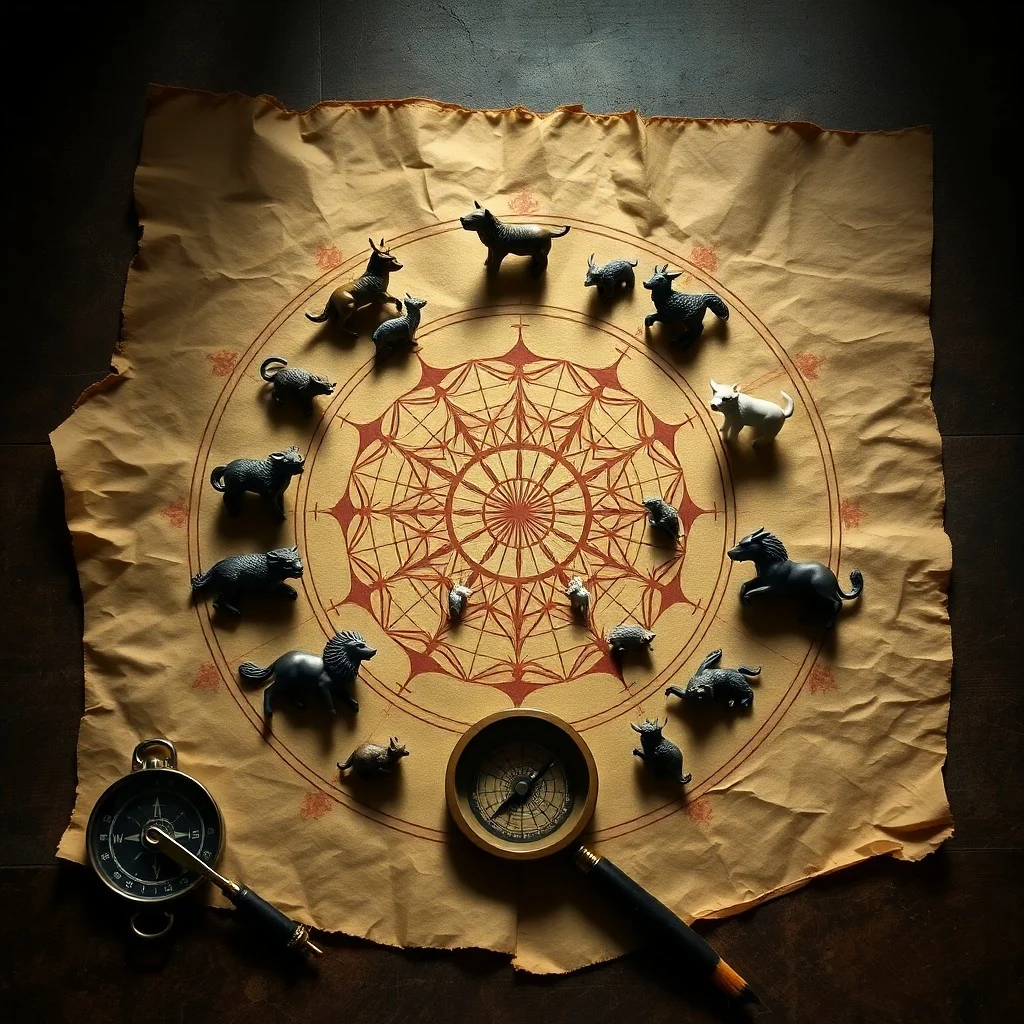
Symbolic representation of Sound Alchemy Cellular Regeneration Frequencies Energy and their impact on society.
For example, individuals born in a Year of the Dragon, often considered auspicious, might collectively exhibit traits of ambition, leadership, and a pioneering spirit. Generations dominated by Dragon energy could be periods of rapid innovation, significant societal change, or even political upheaval, as the inherent power and dynamism of the Dragon manifest on a larger scale. Conversely, a generation influenced by the Rabbit might be characterized by a greater emphasis on peace, diplomacy, and artistic expression, reflecting the Rabbit's gentle and refined nature.
The interaction with the five elements further refines these generational profiles. A "Metal Dragon" generation might be more assertive and driven, focusing on material success and structural change, while a "Water Dragon" generation might be more adaptable, intuitive, and focused on emotional or spiritual growth. These elemental influences create distinct sub-generations within the broader animal sign, adding layers of complexity to the analysis of historical and future trends.
Sociologists and historians often observe patterns that align with these astrological cycles, noting how certain periods foster particular types of leaders, artistic styles, or even economic policies. The Chinese Zodiac provides a framework for understanding these macro-level shifts, suggesting that the collective human experience is not random but follows an underlying energetic rhythm. This perspective encourages us to look beyond individual events and consider the broader cosmic influences at play.
Collective Trends and Societal Patterns
Beyond individual and generational traits, the Chinese Zodiac cycle is also believed to influence collective trends and societal patterns on a global scale. Each year's animal sign, combined with its ruling element, sets a prevailing tone that can impact various sectors, including economics, politics, technology, and culture. Observing these patterns can offer predictive insights and help in understanding the underlying currents of global events.
For instance, a Year of the Ox, characterized by hard work, discipline, and stability, might see a focus on rebuilding economies, strengthening infrastructure, or a return to traditional values. Conversely, a Year of the Monkey, known for its cleverness and innovation, could usher in periods of rapid technological advancement, entrepreneurial growth, or even social unrest driven by a desire for change. These influences are not deterministic but rather represent dominant energies that shape the collective human experience.
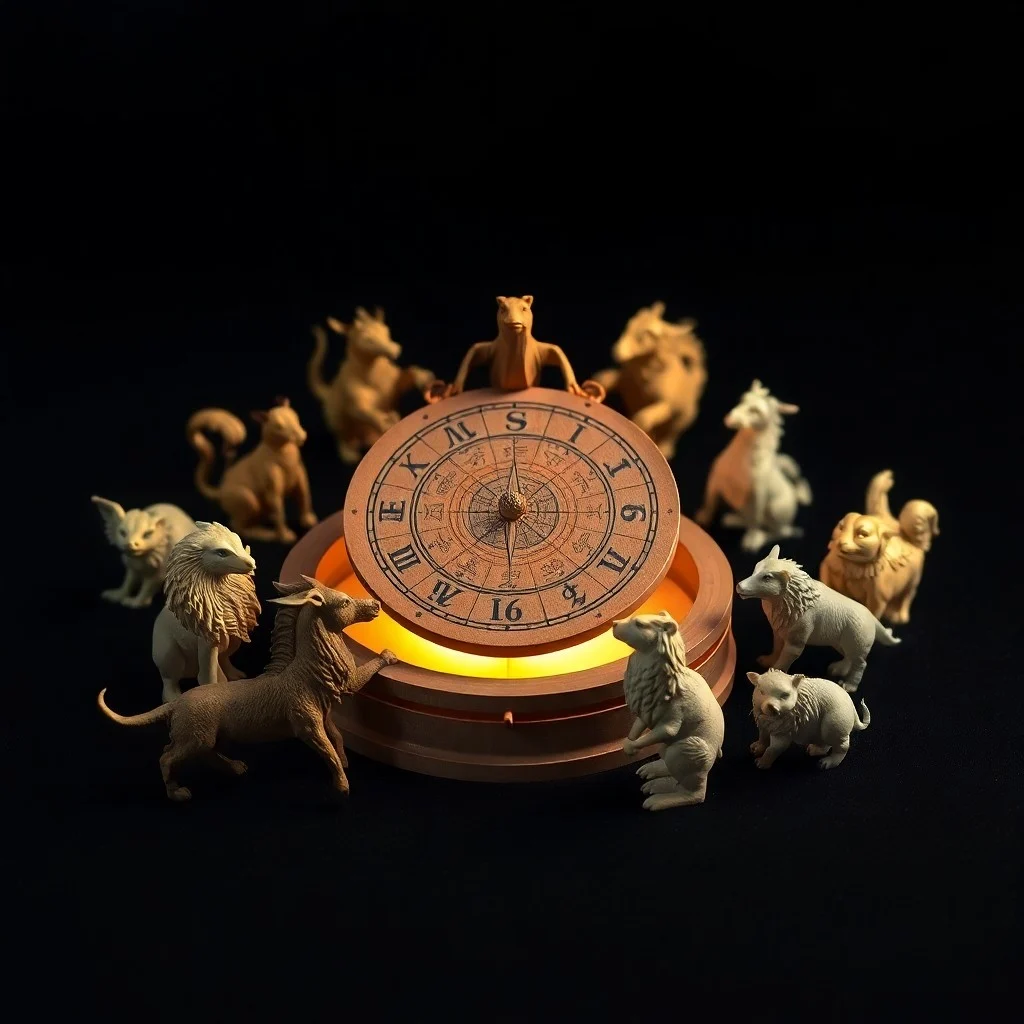
A blend of Tarot Esoteric Geometry: Unlocking Universal Truths Sacred Shapes, illustrating the continuous evolution of societal patterns.
The concept of the "clash" or "harmony" between animal signs also plays a role in interpreting collective trends. A year that "clashes" with the previous year's energy might bring about significant challenges or conflicts, while a harmonious transition could lead to periods of cooperation and stability. These astrological insights provide a framework for analyzing historical events and predicting potential future developments, encouraging a more holistic understanding of global dynamics.
Moreover, the Chinese Zodiac can shed light on cultural phenomena, such as popular art forms, fashion trends, or philosophical movements that gain prominence during specific years. For example, a Year of the Rooster, with its emphasis on confidence and showmanship, might see a rise in flamboyant artistic expressions or bold fashion statements. These macro-level influences highlight the interconnectedness of individual lives and the broader cosmic rhythm that governs our world.
The Five Elements and Their Cyclical Impact
The Chinese Zodiac system is further enriched by the cycle of the Five Elements: Wood, Fire, Earth, Metal, and Water. These elements cycle every two years, meaning that over a 60-year period, each animal sign will appear once with each of the five elements. This creates a much more nuanced astrological profile and significantly impacts the generational and collective trends observed.
Each element brings its own set of characteristics and influences:
- Wood: Associated with growth, creativity, expansion, and nurturing. Years influenced by Wood often see advancements in arts, education, and environmental awareness. People born under Wood elements tend to be compassionate and cooperative.
- Fire: Represents passion, energy, innovation, and leadership. Fire years can be periods of rapid change, technological breakthroughs, and intense activity. Individuals with Fire elements are often dynamic and adventurous.
- Earth: Symbolizes stability, practicality, reliability, and groundedness. Earth years typically focus on consolidation, resource management, and building strong foundations. Earth personalities are usually patient and responsible.
- Metal: Linked to strength, determination, justice, and precision. Metal years might bring about periods of industrial growth, military strength, or a focus on order and discipline. Metal individuals are often resolute and ambitious.
- Water: Associated with intuition, adaptability, sensitivity, and communication. Water years can be fluid, promoting diplomacy, artistic expression, and emotional depth. Water personalities are typically empathetic and perceptive.
The combination of an animal sign with an element creates a unique blend of energies. For example, a "Wood Dragon" (1964, 2024) might be a visionary leader focused on growth and innovation, while a "Metal Dragon" (1940, 2000) might be a more assertive and ambitious figure, driven by a desire for power and achievement. These elemental overlays provide a richer tapestry for understanding the diverse manifestations of each animal's influence across different cycles.
This intricate system highlights that no two "Dragon years" are exactly alike, nor are any two "Rat years." The elemental cycle ensures a continuous evolution of themes and energies, preventing stagnation and offering endless possibilities for interpretation and insight into the unfolding of human history and personal destinies. The study of Astrología Horaria: Predicciones Clave Momentos Vitales is crucial for a complete understanding.
Navigating the Zodiac Cycle for Personal and Collective Growth
Understanding the Chinese Zodiac cycle and its influence on generations and collective trends offers more than just a fascinating historical perspective; it provides a valuable tool for personal and collective growth. By recognizing the prevailing energies of a given year, individuals and societies can better align their actions with the cosmic flow, maximizing opportunities and mitigating challenges.
For personal growth, knowing one's animal sign and element can illuminate inherent strengths and weaknesses, guiding self-awareness and personal development. For example, a person born in a Year of the Ox might leverage their natural diligence to achieve long-term goals, while a Rabbit might focus on cultivating peace and harmony in their relationships. This self-knowledge empowers individuals to make choices that resonate with their authentic nature, leading to greater fulfillment.
On a collective level, an awareness of the zodiacal energies can inform strategic planning and policy-making. During a Year of the Tiger, for instance, leaders might be encouraged to embrace bold reforms and innovative solutions, while a Year of the Dog might call for a focus on social justice and community building. By understanding the underlying energetic currents, societies can navigate periods of change with greater wisdom and foresight, fostering more harmonious and productive outcomes.
The Chinese Zodiac, therefore, serves as a timeless guide, reminding us that life is a continuous cycle of growth, transformation, and renewal. It encourages us to observe the patterns around us, both personal and global, and to embrace the unique lessons and opportunities that each passing year and generation brings. Embracing this ancient wisdom can lead to a deeper connection with the rhythms of the universe and a more enlightened approach to our collective future.
Fuente: Contenido híbrido asistido por IAs y supervisión editorial humana.


Comments
Post a Comment