
Chinese Zodiac Elements: A Deep Dive into Five Transformative Forces | StarPluto
The Chinese Zodiac, a fascinating system rooted in ancient Chinese philosophy and cosmology, extends far beyond the twelve animal signs. A crucial layer of depth and complexity is added by the concept of the Five Elements, also known as the Five Transformative Forces: Wood, Fire, Earth, Metal, and Water. These elements are not static substances but dynamic energies that interact, influence, and transform each other, shaping the characteristics of individuals born under their sway.
Understanding these elemental influences provides a more nuanced perspective on personality traits, behaviors, and destinies associated with each zodiac animal. Every 60-year cycle in the Chinese calendar sees a unique combination of an animal sign and an element, creating a richer tapestry of astrological interpretation. This deep dive will explore each element, its core attributes, and how it modifies the inherent qualities of the zodiac animals.
The interaction of these elements forms the bedrock of Chinese philosophical thought, impacting not only astrology but also traditional medicine, feng shui, and martial arts. They represent a cyclical process of growth, decline, and renewal, reflecting the natural rhythms of the universe. Their study offers profound insights into personal strengths, weaknesses, and potential paths.
Table of Contents
- Introduction to the Five Elements
- The Wood Element: Growth and Creativity
- The Fire Element: Passion and Leadership
- The Earth Element: Stability and Nurturing
- The Metal Element: Structure and Determination
- The Water Element: Adaptability and Wisdom
- Elemental Interactions and Cycles
- Influence on Zodiac Animals
- Balancing the Elements in Your Life
Introduction to the Five Elements
The Wu Xing, or Five Elements theory, is a fundamental conceptual scheme in traditional Chinese thought used to explain a wide range of phenomena, from cosmic cycles to the interaction between internal organs. It posits that everything in the universe can be categorized into one of these five phases or states of transformation: Wood, Fire, Earth, Metal, and Water.
Each element possesses unique qualities, directions, seasons, colors, and even emotions, forming a complex web of associations. These elements are not merely physical substances but energetic principles. They are in constant motion, generating and controlling each other in predictable cycles, which are vital for maintaining balance and harmony.
In Chinese astrology, the element associated with a person's birth year significantly influences their inherent personality traits, strengths, and potential challenges. This elemental layer adds a profound depth to the basic characteristics of the twelve animal signs, making each combination distinct and unique. For instance, a Wood Dragon will exhibit different qualities than a Fire Dragon, despite both being Dragons.
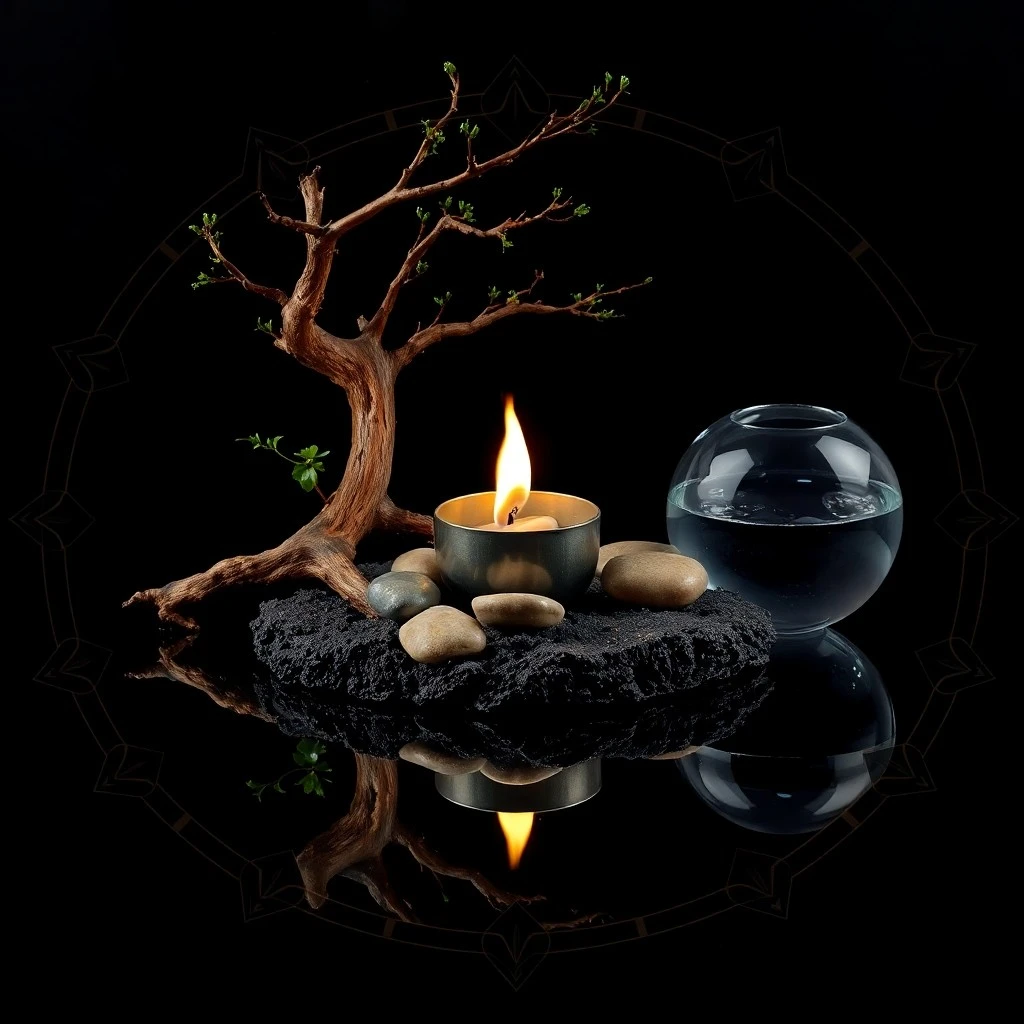
The Five Elements represent dynamic energies shaping the cosmos and individual destinies.
The Wood Element: Growth and Creativity
The Wood element embodies growth, vitality, and expansion, much like a tree reaching for the sky. It is associated with spring, the color green, and the direction east. Individuals influenced by Wood are often characterized by their pioneering spirit, creativity, and strong sense of justice. They are natural leaders, eager to initiate projects and drive change.
Key traits of Wood personalities include ambition, generosity, and a desire for progress. They are often artistic, innovative, and possess a strong moral compass. However, an imbalance in the Wood element can manifest as stubbornness, impulsiveness, or excessive anger. They thrive in environments that allow for personal expression and growth.
- Positive Traits: Creative, ambitious, generous, compassionate, pioneering, ethical.
- Negative Traits (Imbalance): Stubborn, impulsive, irritable, aggressive, indecisive.
- Associated with: Spring, green, east, liver, gallbladder, eyes, wind.
The Fire Element: Passion and Leadership
Fire represents passion, energy, and dynamism, much like a flickering flame. It is linked to summer, the color red, and the direction south. Those born under the influence of Fire are typically enthusiastic, charismatic, and possess a vibrant personality. They are natural leaders, often inspiring others with their warmth and confidence.
Fire personalities are known for their courage, assertiveness, and strong desire for recognition. They are often quick-witted and enjoy being in the spotlight. On the downside, an excess of Fire can lead to impatience, aggression, or a tendency towards drama. They need outlets for their boundless energy and thrive on excitement and challenge.
- Positive Traits: Passionate, energetic, charismatic, courageous, assertive, joyful.
- Negative Traits (Imbalance): Impatient, aggressive, restless, impulsive, overly dramatic.
- Associated with: Summer, red, south, heart, small intestine, tongue, heat.
The Earth Element: Stability and Nurturing
The Earth element signifies stability, grounding, and nurturing, akin to the fertile soil that sustains life. It is associated with late summer, the color yellow/brown, and the center direction. Individuals with a strong Earth influence are often practical, reliable, and deeply caring. They are the anchors of their communities, providing support and wisdom.
Earth personalities are known for their patience, loyalty, and strong work ethic. They are excellent problem-solvers and prefer a steady, predictable pace. However, an imbalance in Earth can lead to stubbornness, worry, or being overly cautious. They value security and harmony, often acting as mediators in conflicts.
- Positive Traits: Stable, practical, reliable, patient, loyal, nurturing, wise.
- Negative Traits (Imbalance): Stubborn, worrying, overly cautious, slow to change.
- Associated with: Late summer, yellow/brown, center, spleen, stomach, mouth, dampness.

Ancient artifacts symbolize the timeless wisdom of the Five Elements in Chinese tradition.
The Metal Element: Structure and Determination
Metal represents structure, precision, and determination, much like a finely crafted sword or a precious gem. It is associated with autumn, the color white/silver, and the direction west. Individuals with a Metal influence are often disciplined, organized, and possess a strong sense of self-worth. They are driven by logic and seek perfection in their endeavors.
Metal personalities are known for their integrity, efficiency, and ability to lead with authority. They value order and justice, often adhering to strict principles. However, an imbalance in Metal can lead to rigidity, excessive criticism, or a tendency towards melancholy. They excel in roles requiring precision, analysis, and strong decision-making.
- Positive Traits: Disciplined, organized, determined, righteous, efficient, analytical.
- Negative Traits (Imbalance): Rigid, critical, melancholic, aloof, overly strict.
- Associated with: Autumn, white/silver, west, lungs, large intestine, nose, dryness.
The Water Element: Adaptability and Wisdom
Water embodies fluidity, adaptability, and profound wisdom, much like a deep, flowing river. It is associated with winter, the color black/blue, and the direction north. Those influenced by Water are often perceptive, introspective, and possess a deep understanding of human nature. They are excellent communicators and thrive on intellectual pursuits.
Water personalities are known for their intuition, empathy, and ability to navigate complex situations with grace. They are often artistic and possess a quiet strength. However, an imbalance in Water can lead to fearfulness, insecurity, or excessive secrecy. They are deeply emotional and need to feel connected to others.
- Positive Traits: Adaptable, wise, intuitive, empathetic, perceptive, communicative.
- Negative Traits (Imbalance): Fearful, insecure, secretive, indecisive, melancholic.
- Associated with: Winter, black/blue, north, kidneys, bladder, ears, cold.
Elemental Interactions and Cycles
The Five Elements are not isolated entities but are in constant interaction through two primary cycles: the Generating (Sheng) Cycle and the Controlling (Ke) Cycle. These cycles explain how elements influence each other, creating balance or imbalance within an individual or environment. Understanding these cycles is key to appreciating the dynamic nature of Chinese astrology.
The Generating Cycle (Sheng Cycle)
This cycle describes how each element nurtures or produces the next, fostering growth and harmony. It's a supportive relationship, ensuring a continuous flow of energy. This cycle is often depicted as a clockwise movement, symbolizing creation and sustenance. It’s a fundamental concept for understanding the interconnectedness of all things.
- Wood generates Fire: Wood provides fuel for fire.
- Fire generates Earth: Fire turns wood into ash, which enriches the earth.
- Earth generates Metal: Metal is extracted from the earth.
- Metal generates Water: Metal can condense water (like dew on metal) or is seen as the source of minerals in water.
- Water generates Wood: Water nourishes trees and plants (wood).
The Controlling Cycle (Ke Cycle)
This cycle describes how each element controls or restrains another, preventing any single element from becoming too dominant. It's a balancing relationship, crucial for maintaining equilibrium. This cycle is often depicted as a star shape, illustrating how elements keep each other in check, preventing excess or deficiency.
- Wood controls Earth: Tree roots penetrate and hold the soil.
- Earth controls Water: Earth dams or contains water.
- Water controls Fire: Water extinguishes fire.
- Fire controls Metal: Fire melts metal.
- Metal controls Wood: Metal (like an axe) cuts wood.
These cycles are not about good or bad, but about dynamic balance. When the elements are in harmony, life flourishes. When they are out of balance, challenges and difficulties may arise. In personal astrology, understanding these cycles can help individuals identify areas for self-improvement and how to foster better relationships.

The fluid interplay of elements illustrates the constant transformation of energy in the universe.
Influence on Zodiac Animals
Each of the twelve Chinese Zodiac animals is influenced by one of the Five Elements, creating a unique elemental animal sign that recurs every 60 years. For example, the year 2024 is the Year of the Wood Dragon, while 2012 was the Water Dragon, and 2000 was the Metal Dragon. This elemental overlay significantly refines the general characteristics of each animal.
The element modifies the animal's inherent traits, adding layers of complexity to personality analysis. A Fire Tiger, for instance, might be more aggressive and passionate than an Earth Tiger, who would be more grounded and practical. This interaction provides a rich framework for understanding individual differences within the same zodiac sign, offering deeper insights into personal tendencies and potential.
| Element | Key Influence | Example Zodiac Trait Modification |
|---|---|---|
| Wood | Growth, creativity, pioneering spirit | A Wood Dragon is more innovative and less authoritarian than other Dragons. |
| Fire | Passion, energy, leadership, assertiveness | A Fire Tiger is more dynamic and impulsive, seeking excitement and recognition. |
| Earth | Stability, practicality, nurturing, reliability | An Earth Rat is more grounded and cautious, focusing on security and family. |
| Metal | Structure, discipline, determination, integrity | A Metal Rooster is more organized and decisive, with strong moral principles. |
| Water | Adaptability, wisdom, intuition, introspection | A Water Rabbit is more empathetic and adaptable, navigating situations with grace. |
To determine your specific elemental zodiac sign, you need to consider both your birth year's animal and its corresponding element. This combination provides a personalized astrological profile, offering a deeper understanding of your inherent nature. The interaction of these elements also plays a significant role in compatibility analysis between different zodiac signs, adding another layer of insight into relationships.
For example, understanding that Wood generates Fire can explain why a Wood sign might naturally fuel the ambition of a Fire sign. Conversely, knowing that Water controls Fire can shed light on why a Water individual might naturally temper the impulsiveness of a Fire personality. These dynamics are constantly at play in personal interactions and life events, providing a framework for self-awareness and personal growth.
Balancing the Elements in Your Life
Achieving balance among the Five Elements is a central goal in Chinese philosophy, as it leads to harmony, health, and prosperity. While individuals are born with a dominant elemental influence, it is possible to cultivate and balance all five elements in one's life through various practices and conscious choices. This holistic approach can enhance well-being and mitigate negative elemental traits.
For example, if you have an excess of Fire, engaging in calming activities like meditation (Water) or spending time in nature (Wood) can help to temper its intensity. If you lack the grounding influence of Earth, focusing on practical tasks, establishing routines, and nurturing relationships can bring more stability into your life. The goal is not to eliminate any element, but to ensure none is overly dominant or deficient.
Practices such as Feng Shui, traditional Chinese medicine, and even dietary choices are often guided by the principles of the Five Elements. By consciously incorporating elements that may be underrepresented in your personal elemental makeup, you can foster a more balanced and harmonious existence. This might involve choosing certain colors, engaging in specific activities, or even adjusting your diet to support a particular element.
Understanding your elemental profile is the first step towards achieving this balance. It allows you to recognize your innate strengths and weaknesses, and then proactively work towards cultivating a more well-rounded personality. This journey of self-discovery through the Five Elements can be incredibly empowering, leading to greater self-awareness and a more fulfilling life. You can also explore how these elements interact with your natal chart components for a comprehensive astrological understanding.
The Five Elements theory offers a profound framework for understanding the intricate dance of energies that shape our world and ourselves. By delving into the characteristics and interactions of Wood, Fire, Earth, Metal, and Water, we gain invaluable insights into personality, relationships, and the path to a balanced life. This ancient wisdom continues to provide relevant guidance for navigating the complexities of modern existence. Further exploration into specific zodiac animal traits, such as the Snake Zodiac: Famous Personalities & Traits, can reveal how elemental influences manifest in real-world examples.
Fuente: Contenido híbrido asistido por IAs y supervisión editorial humana.


Comments
Post a Comment