
Chinese Zodiac Elements: Interplay, Influence | StarPluto
The Chinese Zodiac, a fascinating astrological system with roots tracing back thousands of years, is far more intricate than just its twelve animal signs. A crucial layer of its profound wisdom lies in the concept of the Five Elements: Wood, Fire, Earth, Metal, and Water. These elements are not static categories but dynamic forces that interact in complex cycles, profoundly influencing everything from personality traits to destiny and the ebb and flow of life events. Understanding these elemental cycles is key to unlocking a deeper appreciation of Chinese astrology and its practical applications.
Introduction to the Five Elements
The concept of the Five Elements, or Wu Xing (五行), is a fundamental philosophical framework in traditional Chinese thought, permeating not only astrology but also medicine, feng shui, martial arts, and even music. It posits that all phenomena in the universe can be classified into these five elemental phases, each representing a distinct quality, energy, and stage of transformation. These elements are not merely substances but dynamic processes that constantly interact, creating a holistic and interconnected system.
Each element is associated with specific directions, seasons, colors, emotions, organs, and, critically for astrology, personality traits and life paths. When combined with the twelve animal signs of the Chinese Zodiac, these elements add a layer of depth and nuance, creating 60 unique combinations (12 animals x 5 elements), each recurring every 60 years. This intricate interaction provides a more detailed and personalized astrological profile than the animal sign alone.
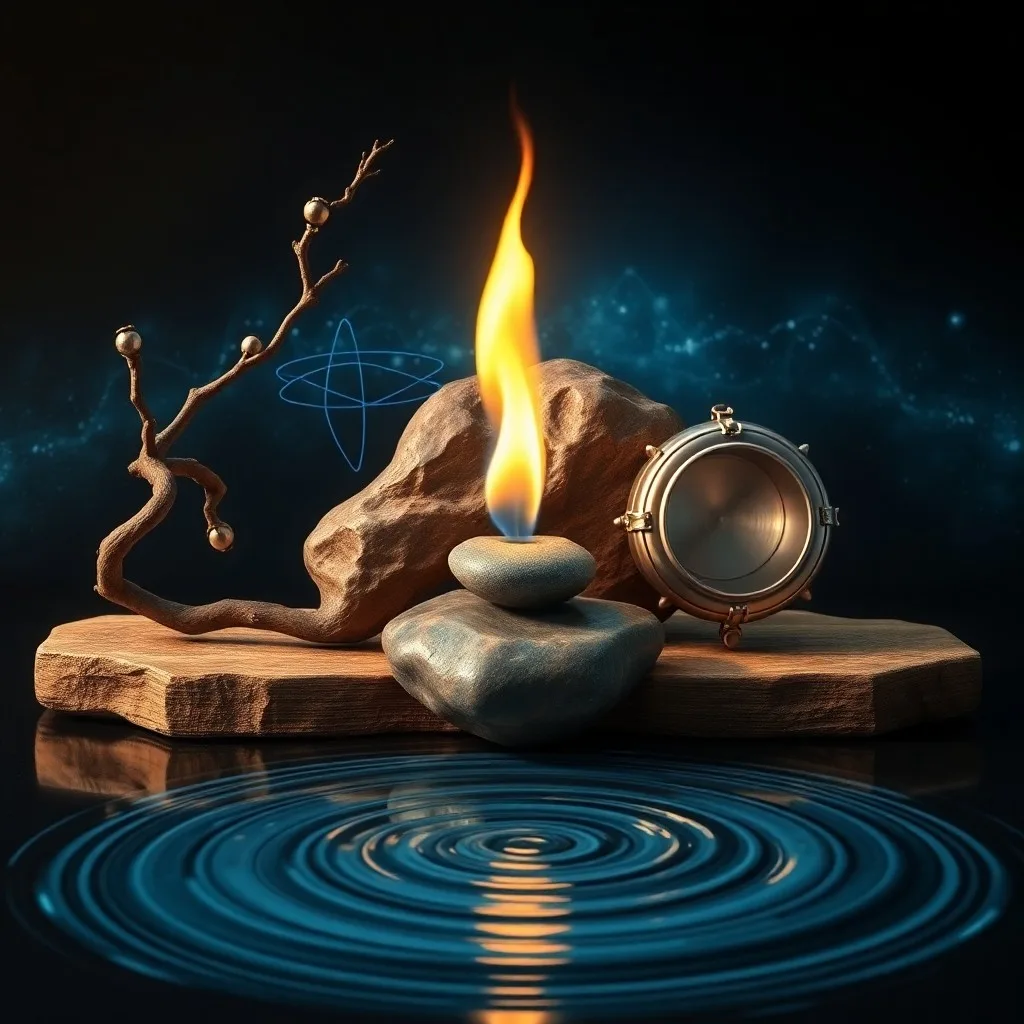
The Wood Element: Growth and Creativity
The Wood element embodies growth, expansion, and new beginnings, much like a tree reaching towards the sky. Individuals influenced by Wood are often characterized by their creativity, idealism, and strong sense of justice. They are natural leaders, pioneers, and innovators, constantly seeking to push boundaries and initiate projects. Their energy is expansive and upward-moving, symbolizing spring and the dawn of new ideas.
- Key Traits: Ambitious, compassionate, ethical, flexible, inventive, and competitive.
- Associated with: East, spring, green/blue colors, liver, gallbladder, anger, and wind.
- Challenges: Can be overly assertive, impulsive, or prone to frustration when growth is hindered.
The Fire Element: Passion and Dynamism
Fire represents passion, enthusiasm, and transformation. It is the element of summer, warmth, and intense energy. Those under the influence of Fire are typically charismatic, energetic, and adventurous. They possess a natural flair for leadership and are often the life of any gathering. Their drive is to illuminate, inspire, and bring joy, often with a dramatic and expressive demeanor. They thrive on excitement and recognition.
- Key Traits: Enthusiastic, dynamic, intelligent, courageous, expressive, and sociable.
- Associated with: South, summer, red/orange colors, heart, small intestine, joy, and heat.
- Challenges: Can be impatient, impulsive, overly dramatic, or prone to burnout.
The Earth Element: Stability and Nurturing
Earth symbolizes stability, grounding, and nurturing. It is the central element, representing the transitional periods between seasons. Individuals with a strong Earth influence are reliable, practical, and deeply compassionate. They are the anchors, providing support and stability to those around them. Their focus is on building foundations, fostering harmony, and ensuring security. They are often excellent mediators and caregivers.
- Key Traits: Practical, reliable, patient, honest, empathetic, and responsible.
- Associated with: Center, late summer/seasonal transitions, yellow/brown colors, spleen, stomach, worry, and dampness.
- Challenges: Can be overly cautious, stubborn, prone to overthinking, or resistant to change.
The Metal Element: Structure and Determination
Metal represents structure, precision, and determination. It is associated with autumn, harvest, and the ability to refine and condense. Those influenced by Metal are often disciplined, organized, and possess strong moral principles. They are excellent at planning, executing, and achieving goals with precision. They value order, justice, and clarity, often exhibiting a keen intellect and a discerning nature.
- Key Traits: Disciplined, organized, just, analytical, resolute, and independent.
- Associated with: West, autumn, white/gold/silver colors, lungs, large intestine, grief, and dryness.
- Challenges: Can be rigid, critical, emotionally distant, or overly concerned with rules.
The Water Element: Adaptability and Intuition
Water embodies adaptability, intuition, and introspection. It is the element of winter, depth, and quiet contemplation. Individuals with a strong Water influence are often perceptive, empathetic, and highly adaptable. They possess a deep inner wisdom and can navigate complex emotional landscapes with ease. Their strength lies in their flexibility and ability to flow around obstacles, often leading to profound insights and understanding.
- Key Traits: Intuitive, adaptable, compassionate, philosophical, resourceful, and diplomatic.
- Associated with: North, winter, black/dark blue colors, kidneys, bladder, fear, and cold.
- Challenges: Can be secretive, indecisive, prone to anxiety, or overly sensitive.

The Productive Cycle (Sheng Cycle)
The Productive Cycle, also known as the Sheng Cycle or the "Mother-Child" cycle, describes how each element nurtures and gives rise to the next in a continuous, harmonious flow. This cycle represents creation, growth, and support, illustrating how energy transforms from one state to another. Understanding this cycle helps in identifying supportive relationships and favorable conditions in astrology.
- Wood feeds Fire: Wood provides fuel for fire to burn and grow.
- Fire creates Earth: Fire reduces things to ash, which enriches the earth.
- Earth bears Metal: Metal and minerals are extracted from the earth.
- Metal collects Water: Metal, when condensed, can collect water (dew, rain).
- Water nourishes Wood: Water is essential for trees and plants to grow.
This cycle emphasizes mutual benefit and positive interaction. In astrological interpretations, if an individual's dominant element is supported by another element in their chart or in a relationship, it suggests harmony and natural assistance. For example, a Wood person might find great support and inspiration from a Water person, as Water nourishes Wood.
The Destructive Cycle (Ke Cycle)
In contrast to the Sheng Cycle, the Destructive Cycle, or Ke Cycle (also known as the "Controlling" or "Conquering" cycle), describes how elements control or overcome each other. This cycle is not inherently negative but represents balance and regulation, preventing any single element from becoming too dominant. It highlights areas of challenge, conflict, or necessary restraint. In astrology, understanding the Ke Cycle can shed light on potential difficulties or areas requiring self-control.
- Wood controls Earth: Tree roots can break up and hold the earth.
- Earth absorbs Water: Earth can absorb or dam water.
- Water extinguishes Fire: Water can put out fire.
- Fire melts Metal: Fire can melt and reshape metal.
- Metal cuts Wood: Metal tools can cut and shape wood.
This cycle is crucial for maintaining equilibrium. For instance, if an individual has an excess of one element, another element in the Ke Cycle might act as a natural check, helping to balance their personality or circumstances. In relationships, a controlling element might indicate areas where partners need to learn compromise or assert boundaries. For more on compatibility, explore articles like Virgo Scorpio Compatibility: Power Dynamics, Intimacy, which delves into similar dynamics in Western astrology.

Elemental Influence on Zodiac Animals and Personality
Each of the twelve Chinese Zodiac animals is associated with a specific element for a given year, creating a unique blend of characteristics. For example, a person born in a Wood Dragon year will exhibit different traits than someone born in a Fire Dragon year, even though both are Dragons. The element modifies the core characteristics of the animal, adding layers of complexity to the astrological profile. This interaction is crucial for a comprehensive understanding of an individual's horoscope birth chart.
Consider the Tiger, known for its courage and assertiveness. A Wood Tiger might be more collaborative and idealistic in their leadership, focusing on collective growth. A Fire Tiger, however, could be more impulsive and dramatically passionate, driven by intense personal ambition. An Earth Tiger would be more grounded and practical, approaching challenges with methodical determination. A Metal Tiger would be highly disciplined and justice-oriented, while a Water Tiger would be more adaptable and intuitive, using their perceptiveness to navigate complex situations. This elemental overlay applies to all twelve animals, creating a rich tapestry of personalities.
| Element | Impact on Animal Traits | Example (Dragon) |
|---|---|---|
| Wood | Adds creativity, compassion, and a desire for growth and collaboration. | Wood Dragon: More idealistic, community-focused, and less autocratic. |
| Fire | Enhances passion, dynamism, charisma, and a tendency towards impulsiveness. | Fire Dragon: More dramatic, energetic, and prone to grand gestures. |
| Earth | Provides stability, practicality, reliability, and a grounded approach. | Earth Dragon: More cautious, responsible, and focused on long-term security. |
| Metal | Instills discipline, determination, justice, and a methodical nature. | Metal Dragon: More resolute, principled, and driven by a strong sense of order. |
| Water | Adds adaptability, intuition, empathy, and a reflective, philosophical depth. | Water Dragon: More perceptive, flexible, and able to adapt to changing circumstances. |
Practical Application in Chinese Astrology
The elemental cycles extend beyond individual personality traits, influencing compatibility between individuals, career choices, health, and even the fortune of specific years. For instance, understanding the element of a particular year can help predict the general energy and challenges of that period. A Dragon Year 2024, for example, is associated with the Wood element, suggesting themes of growth, innovation, and expansion. This knowledge allows for better planning and adaptation to the prevailing energies.
In matters of compatibility, the Sheng and Ke cycles are particularly insightful. A relationship between two individuals whose elements are in a productive cycle (e.g., Water and Wood) is often seen as harmonious and mutually supportive. Conversely, a relationship where elements are in a destructive cycle (e.g., Fire and Metal) might face more challenges, requiring conscious effort to balance and compromise. This doesn't mean incompatibility, but rather highlights areas for growth and understanding.
Furthermore, the elements are used in traditional Chinese medicine to understand and balance the body's internal systems. Each element corresponds to specific organs, emotions, and physical manifestations. An imbalance in one element can lead to health issues, and understanding the elemental constitution of an individual can guide dietary and lifestyle recommendations. This holistic approach underscores the interconnectedness of all aspects of life within the Chinese philosophical framework. For more on zodiac compatibility, you might find insights in Chinese Zodiac Compatibility: A Guide to Harmonious Bonds.
In conclusion, the Five Elements are the dynamic engine of Chinese astrology, providing a sophisticated framework for understanding the universe and our place within it. By recognizing the qualities of each element and their intricate dance through the Sheng and Ke cycles, we gain invaluable insights into personality, relationships, and the broader currents of life. This ancient wisdom continues to offer profound guidance for navigating our personal journeys and fostering a balanced existence.
Fuente: Contenido híbrido asistido por IAs y supervisión editorial humana.


Comments
Post a Comment