
Chinese Zodiac Parenting: Understanding Child's Animal Sign | StarPluto
The intricate tapestry of the Chinese Zodiac offers a unique lens through which to understand not only ourselves but also our children. Far beyond simple horoscopes, this ancient astrological system provides profound insights into innate personality traits, potential strengths, and areas that might require more nurturing. By recognizing the characteristics associated with your child's animal sign, parents can adopt more effective and empathetic parenting strategies, fostering a deeper connection and supporting their child's natural development.
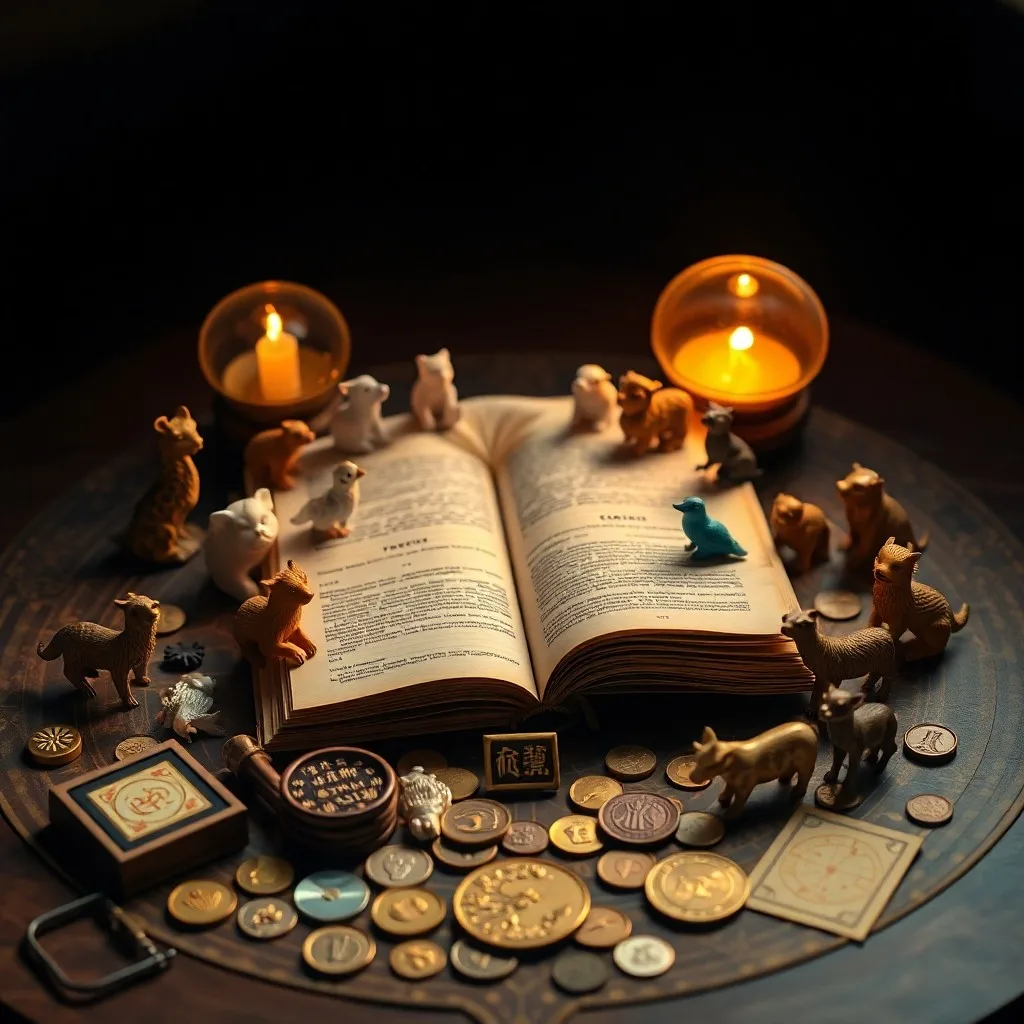
Exploring the celestial map of the Chinese Zodiac to better understand a child's inherent spirit and personality traits.
This guide delves into the core attributes of each of the twelve Chinese Zodiac animal signs, specifically tailored to how these traits manifest in children. We will explore how these influences shape their learning styles, emotional responses, and social interactions. Understanding these nuances can transform parenting challenges into opportunities for growth and harmony within the family unit.
The Chinese Zodiac, with its twelve-year cycle, assigns an animal sign based on the year of birth. Each animal carries a rich symbolism, reflecting specific characteristics, elements, and polarities (Yin or Yang). These influences are believed to shape an individual's destiny and personality from an early age, offering parents a valuable framework for guidance.
Table of Contents
- Understanding the Chinese Zodiac for Children
- The 12 Animal Signs and Their Child Traits
- The Rat Child: Intelligent and Resourceful
- The Ox Child: Diligent and Dependable
- The Tiger Child: Brave and Adventurous
- The Rabbit Child: Gentle and Cautious
- The Dragon Child: Energetic and Charismatic
- The Snake Child: Wise and Intuitive
- The Horse Child: Dynamic and Independent
- The Goat Child: Creative and Gentle
- The Monkey Child: Playful and Clever
- The Rooster Child: Confident and Observant
- The Dog Child: Loyal and Honest
- The Pig Child: Kind and Generous
- General Parenting Tips Across Zodiac Signs
- Conclusion
Understanding the Chinese Zodiac for Children
The Chinese Zodiac is a classification scheme based on the lunar calendar, assigning an animal and its reputed attributes to each year in a repeating twelve-year cycle. This system is deeply rooted in Chinese culture and philosophy, influencing everything from personality analysis to compatibility assessments. For children, these influences are particularly potent as their personalities are still forming.
Each animal sign is also associated with one of the five elements (Wood, Fire, Earth, Metal, Water) and a Yin or Yang polarity, which further refines the child's characteristics. For instance, a Wood Dragon child will exhibit different nuances than a Metal Dragon child. While this guide focuses on the primary animal traits, understanding the elemental influences can provide even deeper insights.
Parents can use this knowledge not as a rigid definition, but as a guide to better appreciate their child's unique spirit. It helps in identifying natural talents, understanding behavioral patterns, and tailoring educational and emotional support. The goal is to nurture their strengths and gently guide them through their challenges, fostering a well-rounded individual.
The 12 Animal Signs and Their Child Traits
Let's explore the fundamental traits of each Chinese Zodiac animal sign as they typically appear in children, along with tailored parenting advice. Remember, these are general guidelines, and every child is an individual with a unique blend of influences.
The Rat Child: Intelligent and Resourceful
Children born under the sign of the Rat are often quick-witted, charming, and highly intelligent. They possess a natural curiosity and a keen observational ability, often noticing details others miss. Rat children are adaptable and can thrive in various environments, but they can also be prone to anxiety or secrecy if they feel insecure.
- Strengths: Clever, adaptable, charming, resourceful, observant.
- Challenges: Can be restless, secretive, prone to worry.
- Parenting Tip: Encourage their curiosity with puzzles and educational games. Provide a stable and secure home environment to alleviate anxiety. Teach them the value of sharing and open communication.
The Ox Child: Diligent and Dependable
Ox children are known for their patience, determination, and strong sense of responsibility. They are reliable and hardworking, often preferring routine and order. While they may seem quiet, they possess immense inner strength. However, they can be stubborn and slow to adapt to change, and may struggle with expressing their emotions.
- Strengths: Patient, diligent, responsible, dependable, strong-willed.
- Challenges: Stubborn, slow to change, can be emotionally reserved.
- Parenting Tip: Praise their efforts and persistence. Introduce changes gradually and explain the reasons behind them. Create a safe space for them to express feelings without judgment.
The Tiger Child: Brave and Adventurous
Tiger children are energetic, courageous, and natural leaders. They are enthusiastic and love adventure, often taking the initiative in play and activities. They have a strong sense of justice and can be fiercely protective of loved ones. Their challenges include impulsiveness, a tendency to dominate, and occasional mood swings.
- Strengths: Brave, adventurous, confident, leadership qualities, passionate.
- Challenges: Impulsive, can be rebellious, prone to mood swings.
- Parenting Tip: Provide outlets for their energy and leadership, like sports or group projects. Teach them patience and the importance of listening to others. Help them manage their emotions constructively.
The Rabbit Child: Gentle and Cautious
Rabbit children are gentle, artistic, and peace-loving. They are often sensitive and empathetic, enjoying quiet activities and harmonious environments. They avoid conflict and seek comfort and security. Their challenges can include shyness, indecisiveness, and a tendency to be overly sensitive to criticism.
- Strengths: Gentle, artistic, empathetic, diplomatic, cautious.
- Challenges: Shy, indecisive, sensitive to criticism, can avoid confrontation.
- Parenting Tip: Create a calm and loving home. Encourage their artistic talents. Help them build confidence and assertiveness gently, teaching them to stand up for themselves.
The Dragon Child: Energetic and Charismatic
Dragon children are vibrant, charismatic, and full of life. They are ambitious and often stand out, possessing a natural magnetism. They are intelligent and enjoy being in the spotlight. However, they can be impatient, overly proud, and sometimes struggle with accepting criticism or failure.
- Strengths: Energetic, charismatic, intelligent, ambitious, confident.
- Challenges: Impatient, proud, can be demanding, struggles with criticism.
- Parenting Tip: Foster their creativity and leadership skills. Teach them humility and the value of teamwork. Help them understand that mistakes are part of learning and growth.

An antique book and jade carving symbolize the timeless wisdom of Eastern philosophy applied to child development.
The Snake Child: Wise and Intuitive
Snake children are often deep thinkers, intuitive, and possess a quiet wisdom beyond their years. They are perceptive and can be very insightful, often preferring solitude or a small circle of close friends. They can be secretive, possessive, and sometimes prone to jealousy or suspicion.
- Strengths: Intuitive, wise, perceptive, calm, determined.
- Challenges: Secretive, possessive, can be suspicious or jealous.
- Parenting Tip: Respect their need for personal space. Encourage open communication about their thoughts and feelings. Teach them trust and the importance of healthy boundaries.
The Horse Child: Dynamic and Independent
Horse children are lively, independent, and love freedom. They are energetic and enjoy being active, often excelling in sports or outdoor activities. They are sociable and charming, making friends easily. Their challenges include restlessness, impatience, and a tendency to be impulsive or rebellious if they feel constrained.
- Strengths: Energetic, independent, sociable, charming, active.
- Challenges: Restless, impatient, impulsive, can be rebellious.
- Parenting Tip: Provide opportunities for physical activity and exploration. Teach them patience and the importance of planning. Give them appropriate freedoms and responsibilities to foster independence.
The Goat Child: Creative and Gentle
Goat children (also known as Sheep or Ram) are gentle, artistic, and compassionate. They have a rich imagination and often express themselves through creative outlets. They are kind-hearted and seek harmony. Their challenges include being overly sensitive, indecisive, and sometimes prone to pessimism or shyness.
- Strengths: Creative, gentle, compassionate, artistic, kind.
- Challenges: Overly sensitive, indecisive, can be pessimistic or shy.
- Parenting Tip: Nurture their artistic talents and imagination. Provide plenty of reassurance and emotional support. Help them develop self-confidence and a positive outlook.
The Monkey Child: Playful and Clever
Monkey children are intelligent, playful, and highly adaptable. They are quick learners and have a mischievous charm, often enjoying being the center of attention. They are problem-solvers and can be very innovative. Their challenges include being easily bored, cunning, and sometimes prone to being manipulative or restless.
- Strengths: Intelligent, playful, adaptable, clever, innovative.
- Challenges: Easily bored, cunning, can be manipulative, restless.
- Parenting Tip: Keep them mentally stimulated with varied activities. Teach them ethical behavior and the importance of honesty. Encourage them to channel their energy into productive pursuits.

Abstract ribbons intertwining represent the dynamic and harmonious growth of family bonds, guided by understanding.
The Rooster Child: Confident and Observant
Rooster children are confident, observant, and meticulous. They are often well-organized and enjoy being neat and tidy. They are honest and straightforward, sometimes to a fault. They love attention and can be quite charming. Their challenges include being overly critical, boastful, and sometimes stubborn or argumentative.
- Strengths: Confident, observant, organized, honest, charming.
- Challenges: Overly critical, boastful, stubborn, can be argumentative.
- Parenting Tip: Encourage their organizational skills and attention to detail. Teach them diplomacy and empathy towards others. Help them understand the difference between confidence and arrogance.
The Dog Child: Loyal and Honest
Dog children are loyal, honest, and protective. They are deeply devoted to their family and friends, possessing a strong sense of justice and fairness. They are reliable and kind-hearted. Their challenges include being prone to worry, pessimism, and sometimes being overly cautious or anxious about the future.
- Strengths: Loyal, honest, protective, kind, just.
- Challenges: Prone to worry, pessimistic, can be anxious or overly cautious.
- Parenting Tip: Provide a secure and loving environment. Reassure them and help them develop a positive outlook. Encourage them to express their concerns and offer solutions.
The Pig Child: Kind and Generous
Pig children are kind, generous, and good-natured. They are honest and enjoy simple pleasures, often having a gentle and trusting disposition. They are sociable and enjoy harmonious relationships. Their challenges include being naive, easily fooled, and sometimes prone to laziness or overindulgence.
- Strengths: Kind, generous, honest, good-natured, sociable.
- Challenges: Naive, easily fooled, can be lazy or overindulgent.
- Parenting Tip: Teach them discernment and critical thinking without stifling their kind nature. Encourage healthy habits and responsibility. Help them set boundaries with others.
General Parenting Tips Across Zodiac Signs
While each sign has its unique characteristics, some universal parenting principles can be enhanced by zodiac insights:
Observe and Adapt: Use the zodiac as a starting point, but always observe your individual child. Their unique blend of traits may not perfectly align with every description.
Foster Strengths: Identify their natural talents and inclinations. Provide opportunities for them to excel in areas where their zodiac sign indicates strength.
Address Challenges with Empathy: Understand that challenging behaviors often stem from their innate nature. Approach these with patience, empathy, and tailored guidance.
Encourage Balance: Help your child develop skills that may not come naturally to their sign. For example, a restless Horse child might benefit from mindfulness exercises, while a shy Rabbit child could be encouraged in public speaking.
Communication is Key: Always maintain open lines of communication. Encourage your child to express their thoughts and feelings, adapting your communication style to their specific needs (e.g., direct for Rooster, gentle for Goat).
Lead by Example: Children learn best by observing. Model the behaviors and values you wish to instill in them, such as patience, kindness, and resilience.
Understanding your child's Chinese Zodiac sign can be a powerful tool for fostering a more harmonious and supportive family environment. It encourages parents to see their children not just as extensions of themselves, but as unique individuals with their own cosmic blueprint. By aligning your parenting approach with their innate characteristics, you can help them navigate life's challenges and unlock their full potential.
The insights offered by the Chinese Zodiac are not meant to box a child into a category, but rather to illuminate their path. It's about recognizing their core essence and providing the right kind of nourishment for their spirit to flourish. This ancient wisdom, when combined with modern parenting techniques, can lead to remarkable growth and understanding. For more insights into specific zodiac traits, consider exploring famous personalities of the Horse sign or the meaning of the Rooster in Chinese Zodiac.
Conclusion
Parenting is a journey of discovery, and the Chinese Zodiac offers a fascinating map to guide you. By understanding the inherent traits of your child's animal sign, you can tailor your approach to better meet their emotional, intellectual, and social needs. This leads to more effective communication, reduced conflict, and a stronger, more loving bond. Embrace this ancient wisdom to celebrate your child's individuality and support them in becoming their best self.
Source: Hybrid content assisted by AIs and human editorial supervision.


Comments
Post a Comment