
Decans Zodiac: Deeper Layers Sign Interpretation | StarPluto
In the vast and intricate world of astrology, the twelve zodiac signs serve as foundational archetypes, offering broad insights into personality and destiny. However, for those seeking a more granular and nuanced understanding of individual characteristics, the concept of decans of the zodiac provides an invaluable tool. These subdivisions, often overlooked in basic astrological analyses, unlock deeper layers of sign interpretation, revealing subtle influences and complexities that enrich a birth chart reading. By understanding decans, we move beyond generic descriptions to appreciate the unique flavor each person brings to their zodiac sign.
Decans divide each of the twelve zodiac signs into three distinct segments of ten degrees each, totaling 36 decans across the entire zodiac wheel. Each decan is then associated with a specific planetary sub-ruler, which adds an additional layer of planetary energy and influence to the sign's core characteristics. This ancient system allows astrologers to pinpoint more precisely how the energies of a zodiac sign manifest, offering a more personalized and detailed astrological profile. It's like zooming in on a map, revealing hidden pathways and landmarks not visible from a broader perspective.
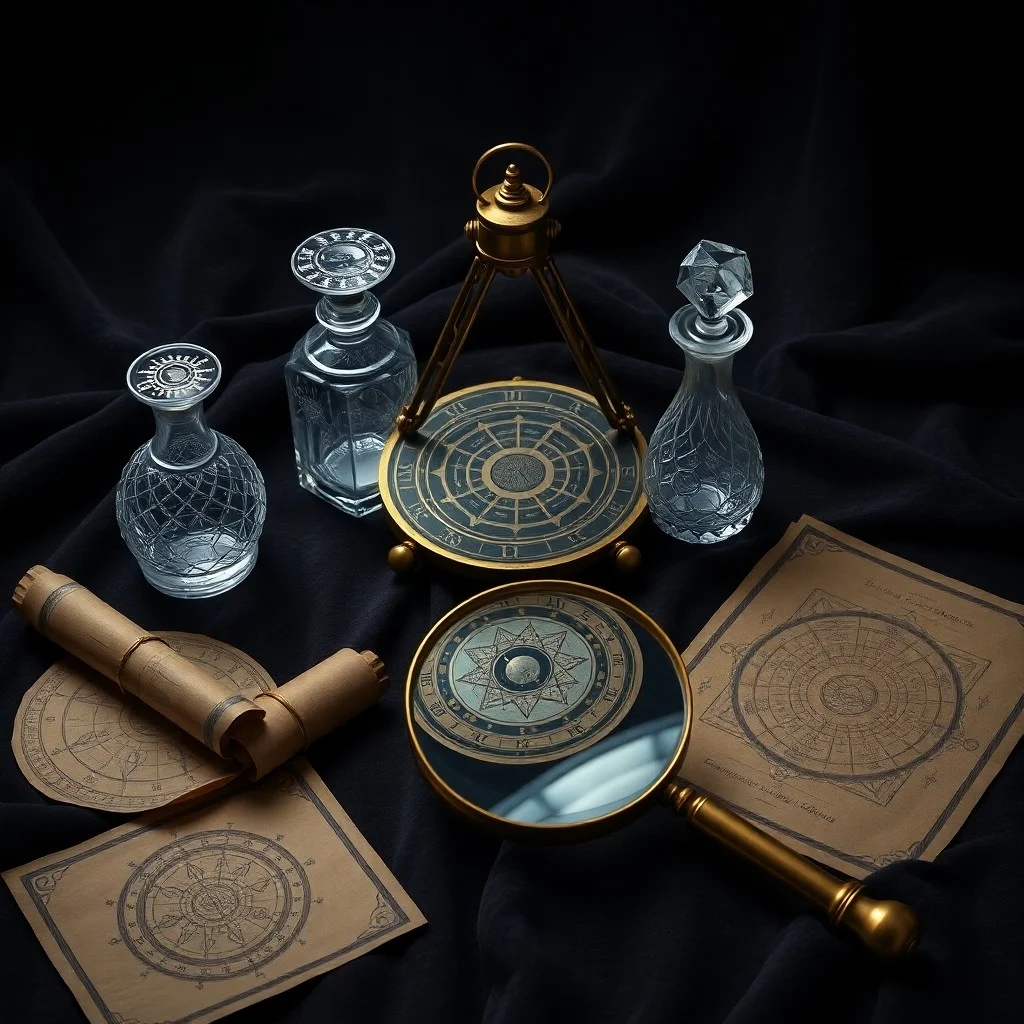
Tarot Esoteric Geometry: Unlocking Universal Truths Sacred Shapes, each with its unique planetary sub-ruler, offers a profound level of detail for understanding individual astrological profiles.
This article will delve into the fascinating world of decans, exploring their historical origins, calculation methods, and the profound impact they have on astrological interpretation. We will uncover how these "sub-rulers" refine our understanding of each sign, providing a more accurate and insightful lens through which to view personality traits, strengths, and challenges. Whether you are new to astrology or a seasoned enthusiast, grasping the concept of decans will undoubtedly deepen your appreciation for the complexity and precision of the cosmos.
Table of Contents
- Historical Roots of Decans
- Calculating Decans: The 10-Degree Segments
- Planetary Sub-Rulers: Adding Depth to Signs
- Interpreting Decans: Nuance in Personality
- Decans by Elemental Triplicity
- Decans by Modal Quality
- Practical Application in Chart Analysis
- Conclusion: The Value of Decans
Historical Roots of Decans
The concept of decans is not a modern astrological invention but rather a profound system with roots stretching back to ancient civilizations. Its origins can be traced to ancient Egypt, where decans were initially used as a time-keeping device. The Egyptians observed 36 specific star groups (or constellations) that rose sequentially above the horizon at ten-day intervals, marking the passage of time throughout the year. Each of these star groups was associated with specific deities and had prognostic significance, influencing daily life and religious practices.
As astrological knowledge developed and spread, particularly into Hellenistic Egypt, these 36 decans were integrated into the nascent zodiac system. The twelve zodiac signs, each spanning 30 degrees, were neatly divided into three 10-degree segments, aligning perfectly with the existing decanic structure. This fusion allowed for the attribution of specific planetary rulers to each decan, enriching the interpretive depth of the zodiac signs. The Hellenistic astrologers, building upon Egyptian foundations, formalized the system of planetary sub-rulers that we largely recognize today.
These historical connections highlight the enduring wisdom embedded within astrological traditions. The decans were not merely arbitrary divisions but were derived from careful astronomical observation and integrated into a comprehensive system of cosmic influence. Their continued relevance in modern astrology speaks to their effectiveness in providing nuanced insights into the human psyche and experience. Understanding their history helps us appreciate the layers of wisdom that have been built into astrological practice over millennia.
Calculating Decans: The 10-Degree Segments
Calculating the decans is straightforward, as it involves a simple division of each 30-degree zodiac sign into three equal parts. Each of these parts is a 10-degree segment, and the position of any planet or point in a birth chart within these segments determines its decan influence. This precise division ensures that every degree of the zodiac is accounted for, providing a consistent framework for interpretation. The exact degree of a planet or house cusp within a sign is crucial for identifying its decan.
- First Decan: This segment spans from 0 to 9 degrees and 59 minutes of a sign. Planets or points located here are considered to be in the "purest" expression of the sign, often emphasizing its core qualities without much external influence.
- Second Decan: This segment covers 10 degrees to 19 degrees and 59 minutes of a sign. Energies here are typically influenced by the first planetary sub-ruler, adding a distinct flavor that blends with the sign's inherent nature.
- Third Decan: This segment ranges from 20 degrees to 29 degrees and 59 minutes of a sign. Planets or points in this decan are influenced by the second planetary sub-ruler, often indicating a more evolved, complex, or outward-looking expression of the sign's energy.
To determine the decan of a planet in your birth chart, you simply need its exact degree and sign. For example, if your Sun is at 5 degrees of Aries, it falls into the first decan of Aries. If it's at 17 degrees of Aries, it's in the second decan, and if it's at 25 degrees of Aries, it's in the third decan. This systematic approach allows for a consistent and reliable method of applying decanic interpretations, ensuring accuracy in astrological readings.
Planetary Sub-Rulers: Adding Depth to Signs
The true power of decans lies in their association with specific planetary sub-rulers. While each zodiac sign has a primary planetary ruler (e.g., Mars rules Aries, Venus rules Taurus), each of its three decans is further governed by an additional planet. This system of sub-rulers follows a specific order, typically using the Chaldean order of planets (Saturn, Jupiter, Mars, Sun, Venus, Mercury, Moon) or a variation thereof, and repeating this sequence through the zodiac.
The planetary sub-ruler introduces a secondary layer of influence, blending its energies with the core characteristics of the zodiac sign. For instance, the first decan of a sign is always ruled by the sign's primary ruler, reinforcing its fundamental qualities. The second and third decans, however, introduce different planetary energies, creating unique combinations that manifest as distinct personality traits and expressions. This layered approach provides a more intricate portrait of an individual's astrological makeup.

Tarot Esoteric Geometry: Unlocking Universal Truths Sacred Shapes, symbolized by the astrolabe and distinct crystal spheres, reveal the intricate blend of energies within each decan, adding unique dimensions to a zodiac sign's expression.
Consider Aries, ruled by Mars. Its first decan (0-9 degrees) is also ruled by Mars, emphasizing pure Martian energy: courage, initiative, and assertiveness. The second decan (10-19 degrees) of Aries is traditionally sub-ruled by the Sun, adding a layer of leadership, vitality, and self-expression to the Martian drive. The third decan (20-29 degrees) of Aries is sub-ruled by Venus, introducing themes of charm, diplomacy, and a desire for harmony to the fiery Aries nature. These examples illustrate how sub-rulers modify and enrich the basic sign description, offering a more complete picture.
Interpreting Decans: Nuance in Personality
Interpreting decans allows astrologers to add significant nuance to personality assessments, moving beyond the generalized traits often associated with a full zodiac sign. Each decan represents a distinct phase or expression of the sign's energy, providing deeper insight into an individual's character, motivations, and life path. This level of detail is particularly useful in understanding why two people with the same Sun sign might exhibit vastly different personalities or respond to situations in unique ways.
- First Decan (0-9 degrees): The Pure Essence. Individuals with planets in the first decan often embody the most quintessential and unadulterated traits of their zodiac sign. Their expression of the sign's energy is direct, strong, and often pioneering. They are the "prototypical" members of their sign, showcasing its core strengths and weaknesses without much modification.
- Second Decan (10-19 degrees): The Blended Influence. The second decan introduces the influence of its specific planetary sub-ruler, creating a more complex and often more adaptable expression of the sign. People with planets here might display a blend of the sign's core traits with the characteristics of the sub-ruling planet, leading to unique talents or challenges. This decan often represents a development or refinement of the sign's initial energy.
- Third Decan (20-29 degrees): The Evolved or Future-Oriented Influence. The third decan, with its distinct sub-ruler, often suggests a more evolved, philosophical, or outward-looking manifestation of the sign's energy. Individuals here might be more focused on applying their sign's traits in a broader context, or they might possess a more nuanced understanding of its potential. This decan can also indicate a focus on growth, learning, or a more spiritual dimension of the sign's expression.
By considering these distinctions, astrologers can offer more precise and personalized readings. For example, a Libra in the first decan might be purely focused on balance and harmony, while a Libra in the third decan (sub-ruled by Mercury) might express their desire for balance through intellectual discourse and communication. This layered interpretation adds richness and depth to every astrological chart, making it a powerful tool for self-discovery.
Decans by Elemental Triplicity
Understanding decans can also be approached through the lens of the four classical elements: Fire, Earth, Air, and Water. Each element groups three zodiac signs, and the decanic sub-rulers often reinforce or modify the elemental qualities, adding specific nuances to how that element is expressed. This elemental perspective provides a broader framework for comprehending the energetic shifts within each sign's decans, revealing common threads across different signs that share an element.
- Fire Decans (Aries, Leo, Sagittarius):
- First Decan: Pure, unadulterated fire energy – passionate, enthusiastic, direct.
- Second Decan: Often brings a focus on self-expression, creativity, or leadership, blending the fire with solar or Jovian influences.
- Third Decan: Can introduce a more intellectual, communicative, or adventurous edge, perhaps through Mercurial or Venusian sub-rulership, refining the raw fire.
- Earth Decans (Taurus, Virgo, Capricorn):
- First Decan: Solid, practical, grounded earth energy – reliable, stable, sensual.
- Second Decan: Might emphasize material security, structure, or analytical precision, blending earth with Saturnian or Mercurial influences.
- Third Decan: Can bring a more adaptable, communicative, or even spiritual dimension to the earth, perhaps through Venusian or Lunar sub-rulership, seeking deeper meaning in the material world.
- Air Decans (Gemini, Libra, Aquarius):
- First Decan: Pure, intellectual, communicative air energy – curious, social, objective.
- Second Decan: Often highlights relationships, justice, or innovation, blending air with Venusian or Uranian influences, seeking connection and progress.
- Third Decan: Can introduce a more strategic, disciplined, or humanitarian focus, perhaps through Saturnian or Jovian sub-rulership, applying intellectual prowess to larger causes.
- Water Decans (Cancer, Scorpio, Pisces):
- First Decan: Pure, emotional, intuitive water energy – nurturing, deep, empathetic.
- Second Decan: Might emphasize emotional intensity, healing, or imaginative expression, blending water with Plutonian or Neptunian influences, delving into the subconscious.
- Third Decan: Can bring a more compassionate, spiritual, or transformative quality, perhaps through Jovian or Martian sub-rulership, channeling emotional depth into action or transcendence.
By examining the decans through their elemental groupings, we can observe patterns in how the core qualities of Fire, Earth, Air, and Water are subtly modulated and expressed. This provides a powerful framework for a more holistic understanding of a birth chart, connecting individual decan influences to broader energetic themes. It helps to see the underlying currents that shape a person's elemental temperament.

The dynamic reassembly of Tarot Esoteric Geometry: Unlocking Universal Truths Sacred Shapes visually represents how decans add intricate layers to zodiac interpretation, revealing the subtle shifts in cosmic energies.
Decans by Modal Quality
Just as elements categorize signs by their fundamental energy, modalities (Cardinal, Fixed, Mutable) describe how that energy is expressed or initiated. Decans further refine these modal qualities, showing how the initiating, stabilizing, or adapting nature of a sign can vary within its 30-degree span. This perspective offers another layer of insight into how individuals approach action, maintain stability, or navigate change, based on which decan their planets fall into.
- Cardinal Decans (Aries, Cancer, Libra, Capricorn):
- First Decan: Emphasizes pure initiation and leadership, often with a strong, direct drive to start new things.
- Second Decan: May introduce a more strategic or nurturing approach to initiation, blending the cardinal drive with other planetary influences, making action more considered or emotionally driven.
- Third Decan: Can bring a focus on communication, relationship, or long-term vision to the cardinal impulse, making the initiation more collaborative or goal-oriented.
- Fixed Decans (Taurus, Leo, Scorpio, Aquarius):
- First Decan: Highlights pure stability and persistence, often manifesting as unwavering determination and strong willpower.
- Second Decan: Might introduce a creative, intellectual, or transformative element to stability, blending the fixed nature with solar, Mercurial, or Plutonian influences, making persistence more expressive or insightful.
- Third Decan: Can bring a more humanitarian, rebellious, or emotionally deep aspect to fixedness, perhaps through Uranian or Neptunian sub-rulership, challenging the status quo while maintaining core values.
- Mutable Decans (Gemini, Virgo, Sagittarius, Pisces):
- First Decan: Represents pure adaptability and flexibility, often characterized by curiosity, versatility, and a desire for change.
- Second Decan: May introduce a more analytical, communicative, or philosophical approach to adaptability, blending the mutable nature with Mercurial or Jovian influences, seeking knowledge and understanding through change.
- Third Decan: Can bring a more spiritual, compassionate, or idealistic dimension to mutability, perhaps through Neptunian or Venusian sub-rulership, adapting to serve higher ideals or seeking universal connection.
Analyzing decans through modalities provides a powerful framework for understanding how individuals interact with their environment and approach life's challenges. It shows that even within a single modal quality, there are diverse ways of initiating, maintaining, or adapting, depending on the decanic influence. This level of detail enriches the astrological narrative, offering a more complete picture of an individual's behavioral patterns and innate tendencies.
Practical Application in Chart Analysis
Incorporating decans into birth chart analysis significantly enhances the depth and accuracy of interpretations. Astrologers use decans to gain a more precise understanding of how each planet, house cusp, or significant point in a chart expresses itself. This allows for a more personalized reading that resonates deeply with the individual, moving beyond the general characteristics of their zodiac signs. The practical applications are numerous and highly beneficial for both self-discovery and client work.
One primary application is in refining personality insights. For instance, two individuals with their Sun in Leo might share core Leonine traits like confidence and a desire for recognition. However, if one's Sun is in the first decan (Leo-Leo) and the other's is in the third decan (Leo-Mars), their expression of these traits will differ. The first might be more focused on creative self-expression, while the second might channel their Leonine confidence into assertive action or leadership roles, demonstrating a more combative spirit. This distinction helps explain variations within the same sign.
Decans are also valuable for understanding vocational aptitudes and challenges. The decan of the Midheaven (MC) or planets located in the 10th house can offer specific insights into career paths and public image, revealing sub-influences that guide professional choices. Similarly, the decan of the Ascendant (Rising Sign) provides a more detailed picture of one's outward persona and initial approach to life, explaining subtle differences in demeanor among individuals with the same rising sign. It helps to clarify the "how" behind the "what" of astrological placements.
Furthermore, decans can be used in predictive astrology, adding precision to transits and progressions. When a transiting planet moves through a specific decan, its influence will be colored not only by the zodiac sign but also by the decan's sub-ruler, providing a more focused interpretation of the energetic shifts. This allows for more targeted advice and a deeper understanding of the opportunities or challenges presented during specific astrological periods. The subtle energies of the decans can highlight specific themes that might otherwise be missed.
Finally, decans are excellent for compatibility analysis, offering a more nuanced view of how two individuals' energies interact. While Sun sign compatibility provides a general overview, considering the decans of key planets (Sun, Moon, Venus, Mars) can reveal deeper layers of connection or potential friction, helping to explain why certain pairings work better than others despite initial Sun sign assessments. This intricate layer of analysis provides a richer tapestry of understanding in relationship dynamics.
Conclusion: The Value of Decans
The decans of the zodiac represent a powerful and ancient system for adding profound depth and nuance to astrological interpretation. By dividing each sign into three 10-degree segments, each with its own planetary sub-ruler, astrologers can move beyond generalized descriptions to uncover the intricate layers that shape an individual's personality, motivations, and life experiences. This granular approach provides a more accurate and personalized understanding of the cosmic influences at play in a birth chart.
From their historical roots in ancient Egypt to their integration into Hellenistic astrology, decans have consistently proven their value in refining astrological insights. They offer a framework for understanding why individuals with the same zodiac sign can exhibit such diverse traits, and they provide critical detail for analyzing vocational paths, personal demeanor, and relationship dynamics. The sub-rulers act as modifiers, blending their energies with the core sign to create unique expressions.
Whether examining the elemental or modal qualities, decans consistently reveal the subtle shifts and complexities within the zodiac. For anyone seeking a truly comprehensive and insightful astrological reading, incorporating decans is an indispensable practice. They transform a broad cosmic blueprint into a finely detailed map of the self, offering deeper understanding and facilitating greater self-awareness. Embracing the study of decans is a step towards mastering the art of astrological interpretation and unlocking the full potential of a birth chart.
Fuente: Contenido híbrido asistido por IAs y supervisión editorial humana.


Comments
Post a Comment