
Neptune Sign: Dreams, Spirituality, Illusion Explained | StarPluto
In the vast tapestry of astrology, each planet plays a unique role, coloring our personalities and shaping our life experiences. Among these celestial bodies, Neptune stands out as the planet of dreams, spirituality, illusion, and the collective unconscious. Its influence is often subtle, yet profoundly transformative, guiding us towards higher ideals, artistic expression, and a deeper connection to the universal flow of existence.
Understanding your Neptune sign is akin to deciphering a cosmic blueprint of your spiritual inclinations, your capacity for empathy, and the areas where you might be prone to self-deception or idealization. It reveals how you seek transcendence, where your compassion lies, and the ways in which you might merge with something larger than yourself. This comprehensive guide will explore the multifaceted nature of Neptune and its significance within your natal chart.
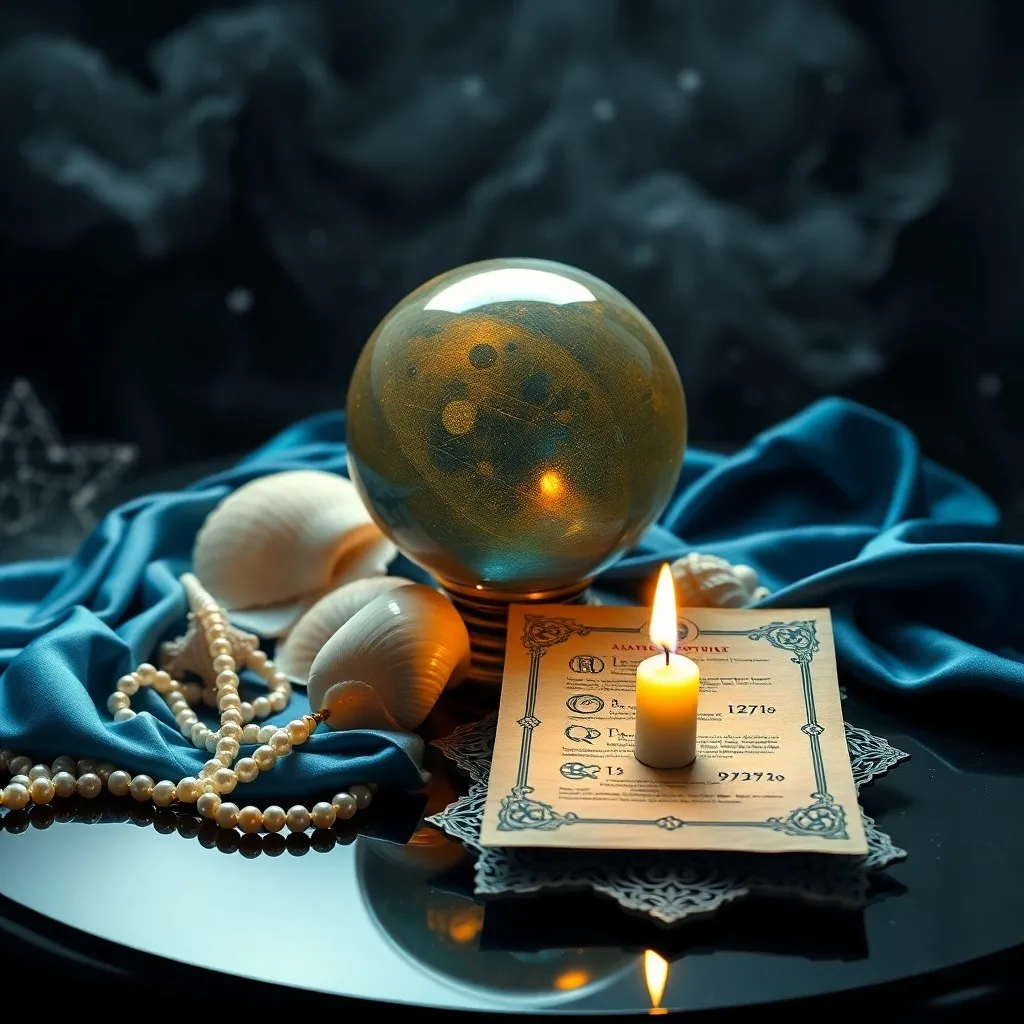
Neptune's subtle energies guide us towards spiritual awakening and artistic inspiration.
What is Neptune in Astrology?
Neptune, discovered in 1846, is one of the outer, slower-moving planets in our solar system, spending approximately 14 years in each zodiac sign. Its slow movement means that entire generations share the same Neptune sign, making its influence more collective and generational rather than intensely personal, though its house placement and aspects in a natal chart personalize its expression.
Often referred to as the "Higher Octave of Venus," Neptune governs unconditional love, spiritual connection, and the dissolution of boundaries. It is associated with mysticism, psychic abilities, dreams, altered states of consciousness, and all forms of escapism, both constructive (like art, music, and meditation) and destructive (like addiction and delusion). Neptune's energy encourages us to look beyond the material world and connect with the divine.
Neptune's Core Themes and Influence
The themes associated with Neptune are vast and often contradictory, reflecting its elusive nature. On one hand, it represents the highest forms of spiritual enlightenment, universal compassion, and artistic genius. On the other, it can manifest as confusion, deception, addiction, and a tendency to live in a fantasy world.
Key influences of Neptune include:
- Dreams and Imagination: Neptune rules the dream world, fantasy, and creative visualization. It enhances our imaginative capabilities, making us receptive to symbolic messages and inspiring artistic endeavors.
- Spirituality and Mysticism: This planet connects us to the divine, fostering spiritual awakening, psychic awareness, and an interest in esoteric practices. It represents our longing for transcendence and unity.
- Compassion and Empathy: Neptune dissolves ego boundaries, leading to profound empathy for others and a desire to serve humanity. It can inspire selfless acts and a deep understanding of suffering.
- Illusion and Deception: On its shadow side, Neptune can create fog, confusion, and a tendency to idealize situations or people, leading to disillusionment. It can also be associated with self-deception and escapist behaviors.
- Addiction and Escapism: The desire to escape harsh realities can manifest through various forms of addiction, whether to substances, media, or unhealthy relationships. Neptune seeks to dissolve boundaries, sometimes leading to a loss of self.
- Art and Music: Neptune is the muse for artists, musicians, poets, and dancers. It imbues creative works with emotional depth, ethereal beauty, and a sense of the sublime.
Neptune Through the Zodiac Signs
The sign Neptune occupies in your natal chart describes the collective spiritual ideals and illusions of your generation. While its influence is generational, it significantly shapes the cultural trends, artistic movements, and spiritual quests that define an era. Let's explore Neptune's general themes in each sign.

Exploring ancient tools and intuitive insights can deepen spiritual understanding.
Neptune in Aries (1861-1875)
This generation was marked by pioneering spiritual ideals and a strong drive to assert new forms of consciousness. They sought spiritual truth through individual action and often challenged traditional religious structures. However, this placement could also lead to spiritual fanaticism or a confused sense of self-identity.
Neptune in Taurus (1875-1889)
Individuals with Neptune in Taurus often experienced spiritual ideals tied to material values, nature, and artistic beauty. They sought to find the divine in tangible forms, leading to movements in art, music, and sustainable living. The challenge was to avoid materialism or confusion regarding financial and sensual matters.
Neptune in Gemini (1889-1902)
This generation explored spiritual concepts through communication, intellect, and diverse ideas. They were open to new philosophies and sought to disseminate spiritual knowledge. The potential pitfalls included mental confusion, susceptibility to misinformation, or a scattered approach to spiritual growth.
Neptune in Cancer (1902-1916)
With Neptune in Cancer, spiritual ideals were deeply intertwined with home, family, and national identity. There was a strong emphasis on emotional empathy, nurturing, and a collective yearning for security. This placement could also lead to emotional confusion, a tendency to idealize the past, or escapism through family ties.
Neptune in Leo (1916-1929)
This generation expressed spiritual ideals through creative self-expression, drama, and a charismatic leadership style. They sought to inspire others through art, performance, and a strong sense of personal destiny. Challenges included ego inflation, self-deception regarding personal talent, or a confused sense of identity.
Neptune in Virgo (1929-1942)
Neptune in Virgo brought a focus on practical spirituality, healing, and service. This generation often sought to integrate spiritual principles into daily life, health practices, and work. They could be prone to confusion around health issues, an idealized view of perfection, or a tendency towards self-sacrifice that borders on martyrdom.
Neptune in Libra (1942-1956)
This placement emphasized idealized relationships, social justice, and artistic harmony. This generation sought spiritual connection through partnerships and worked towards a more equitable and beautiful world. The potential for illusion lay in idealizing relationships, avoiding conflict, or being confused about personal boundaries within partnerships.
Neptune in Scorpio (1956-1970)
Neptune in Scorpio brought intense spiritual transformations, a fascination with the occult, and a collective exploration of taboo subjects. This generation delved deep into psychological and spiritual mysteries, seeking profound change. However, they could also be susceptible to psychic manipulation, addiction, or confusion surrounding power and control.
Neptune in Sagittarius (1970-1984)
This generation was characterized by a global spiritual quest, an interest in diverse philosophies, and a desire to expand consciousness through travel and higher learning. They sought universal truths and challenged dogmatic beliefs. The shadow side included spiritual escapism, a tendency to be overly idealistic, or confusion regarding personal beliefs and ethics.
Neptune in Capricorn (1984-1998)
Neptune in Capricorn brought a focus on structured spirituality, practical idealism, and the dissolution of traditional institutions. This generation aimed to bring spiritual principles into tangible, societal structures. Challenges could involve disillusionment with authority, confusion about career paths, or a tendency to be overly rigid in spiritual practice.
Neptune in Aquarius (1998-2012)
This placement signifies a generation with humanitarian ideals, a focus on collective consciousness, and an interest in technology's role in spiritual evolution. They seek universal brotherhood and innovative approaches to spirituality. Potential pitfalls include technological escapism, confusion about group dynamics, or an overly detached approach to empathy.
Neptune in Pisces (2012-2026)
Neptune is at home in Pisces, its ruling sign, amplifying its themes of universal compassion, spiritual dissolution, and deep empathy. This generation is highly sensitive, intuitive, and prone to mystical experiences. While capable of profound spiritual connection, they must navigate extreme idealism, escapism, and a potential for confusion regarding personal identity and boundaries.

The elusive nature of Neptune often blurs the lines between reality and illusion.
Neptune in the Astrological Houses
While the sign of Neptune reveals the generational spiritual current, its placement in the astrological houses pinpoints the specific areas of your life where these themes manifest personally. The house where Neptune resides indicates where you seek transcendence, where you might experience confusion or idealization, and where your spiritual gifts or challenges are most pronounced.
For example, Neptune in the 1st House (of self) might lead to an elusive or chameleon-like personality, while Neptune in the 10th House (of career and public image) could point to a career in the arts, healing, or a public role that involves inspiring others, but also potential confusion about one's public identity or professional path.
Navigating Neptune's Illusions and Gifts
The challenge with Neptune is distinguishing between genuine spiritual insight and self-deception or escapism. Its energy can be incredibly inspiring, fostering creativity and deep compassion, but it can also blur boundaries and create a sense of unreality. Here are some strategies to navigate Neptune's influence constructively:
- Cultivate Discernment: Develop a strong inner compass to differentiate between intuition and fantasy. Grounding practices like meditation, mindfulness, and connecting with nature can help.
- Embrace Creativity: Channel Neptune's imaginative energy into artistic pursuits such as painting, music, writing, or dance. This provides a healthy outlet for its ethereal qualities.
- Practice Compassion: Engage in acts of service and cultivate empathy for others, but be mindful of maintaining healthy boundaries to avoid spiritual or emotional exhaustion.
- Seek Clarity: If confusion arises, particularly in Neptune-ruled areas of your life (e.g., relationships, career, health), seek objective advice or professional guidance.
- Mindful Escapism: While some forms of escapism can be detrimental, healthy outlets like spiritual retreats, dream work, or engaging with inspiring art can be beneficial.
Understanding your Neptune sign and its house placement provides invaluable insights into your spiritual journey, your relationship with the unseen world, and the ways you interact with collective consciousness. By consciously working with Neptune's energies, you can harness its profound gifts of intuition, compassion, and creativity, while minimizing its potential for illusion and confusion.
Conclusion
Neptune's journey through the zodiac signs marks the spiritual and idealistic currents of generations, shaping our collective dreams and the illusions we collectively embrace or strive to overcome. In your personal chart, it highlights where you are most receptive to spiritual energies, where your compassion flows freely, and where you may need to exercise caution against self-deception or escapist tendencies.
Embracing the lessons of your Neptune sign allows you to navigate the mystical waters of life with greater awareness, transforming potential confusion into profound spiritual growth and artistic inspiration. It is a call to connect with the universal, to find beauty in the unseen, and to live with an open heart, guided by intuition and boundless compassion.
Fuente: Contenido híbrido asistido por IAs y supervisión editorial humana.


Comments
Post a Comment