
Astro-Psychology: Integrating Astrology with Modern Psychotherapy | StarPluto
Astro-Psychology: Integrating Astrology with Modern Psychotherapy
In an era where holistic approaches to well-being are gaining traction, the emerging field of astro-psychology offers a fascinating bridge between ancient wisdom and contemporary mental health practices. This discipline explores how astrological insights can complement modern psychotherapy, providing a deeper understanding of an individual's psychological landscape, inherent potentials, and challenges.
Far from being a predictive tool, astro-psychology utilizes the natal chart as a symbolic map of the psyche, offering unique perspectives on personality traits, emotional patterns, and developmental journeys. It provides a rich framework for self-discovery, helping individuals and therapists uncover underlying dynamics that might otherwise remain hidden.
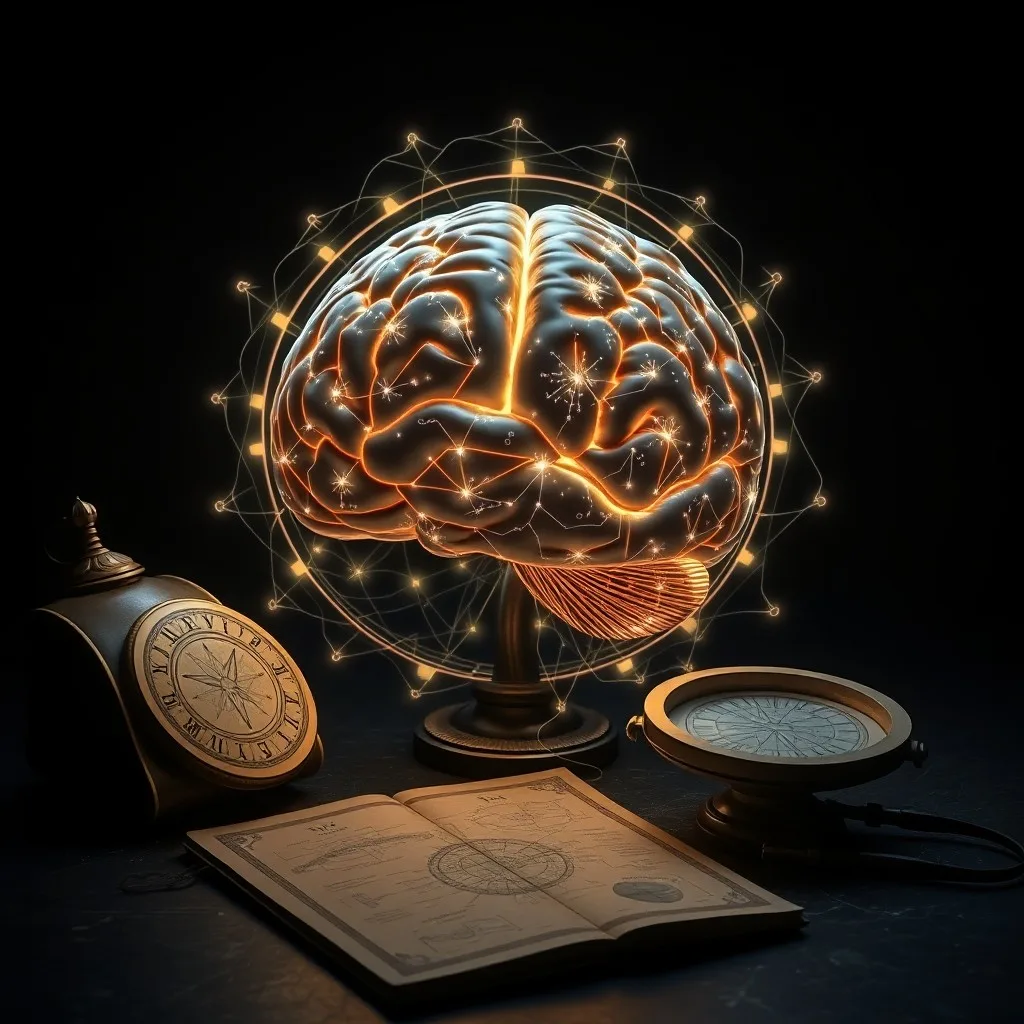
The fusion of cosmic patterns and neural pathways symbolizes the profound integration of astrology and psychology for self-understanding.
The aim is not to replace conventional therapy but to enhance it, offering additional layers of meaning and context to a client's experiences. By examining planetary placements, aspects, and house interpretations, practitioners can gain valuable clues about an individual's core motivations, defense mechanisms, and areas ripe for growth.
This interdisciplinary approach acknowledges the profound connection between the micro (individual psyche) and the macro (cosmic influences), suggesting that human behavior and development are intricately linked to universal archetypal patterns. Understanding these patterns can empower individuals to navigate their lives with greater awareness and intentionality.
Table of Contents
- Astro-Psychology: Integrating Astrology with Modern Psychotherapy
- Historical Roots: Astrology and the Psyche
- Core Principles of Astro-Psychology
- The Natal Chart as a Psychological Map
- Integration Techniques in Practice
- Benefits and Practical Applications
- Ethical Considerations and Responsible Practice
- Challenges and Future Directions
- Conclusion: A Holistic Path to Self-Understanding
Historical Roots: Astrology and the Psyche
The connection between celestial phenomena and human psychology is not a new concept. Ancient civilizations across the globe, from Mesopotamia to Greece, observed the heavens and developed intricate systems linking planetary movements to human destiny and character. Early philosophers and physicians often incorporated astrological principles into their understanding of human temperament and health.
During the Renaissance, figures like Marsilio Ficino, a prominent Neoplatonist, explored the psychological and spiritual dimensions of astrology. He believed that understanding celestial influences could help individuals align with their true nature and achieve greater harmony. This historical context demonstrates a long-standing human endeavor to find meaning in the cosmos and its reflection within the individual.
In the 20th century, the pioneering work of Carl Jung, the founder of analytical psychology, brought renewed attention to the symbolic power of astrology. Jung saw astrology as a symbolic representation of the collective unconscious, a repository of universal archetypes that manifest in human experience. He famously used astrological charts in his practice to gain deeper insights into his patients' psychological dynamics, recognizing its potential as a diagnostic and therapeutic tool.
Jung's exploration of synchronicity, the meaningful coincidence of inner and outer events, further underscored the potential connection between celestial patterns and human psychological states. He viewed the natal chart not as a cause of destiny, but as a symbolic snapshot of the individual's psychological makeup and life patterns at the moment of birth. This perspective laid a crucial foundation for the development of modern astro-psychology.
Core Principles of Astro-Psychology
Astro-psychology operates on several core principles that differentiate it from predictive astrology and align it more closely with therapeutic modalities. It emphasizes self-awareness, personal responsibility, and the potential for growth and transformation.
- Symbolic Interpretation: The natal chart is viewed as a symbolic language, where planets, signs, houses, and aspects represent psychological functions, archetypes, and life areas. It's not about literal predictions but about understanding underlying patterns.
- Holistic Perspective: It considers the individual as a whole, integrating mental, emotional, spiritual, and physical dimensions. The chart provides a comprehensive overview of these interconnected parts.
- Focus on Potential: Rather than determinism, astro-psychology highlights an individual's inherent potentials and challenges, encouraging conscious engagement with these energies. It suggests that while we are born with certain predispositions, we have the free will to work with them.
- Developmental Journey: The birth chart is seen as a blueprint for a lifelong developmental journey. Transits and progressions are used to understand current psychological themes and growth opportunities, rather than predicting specific events.
- Self-Empowerment: By understanding their unique astrological blueprint, individuals can gain agency over their lives, making conscious choices that align with their authentic self. This fosters a sense of empowerment and personal responsibility.
These principles guide the application of astrological insights within a therapeutic context, ensuring that the focus remains on personal growth and psychological integration. The goal is to illuminate the inner workings of the psyche, not to dictate a predetermined fate.
The Natal Chart as a Psychological Map
At the heart of astro-psychology is the natal chart, a snapshot of the heavens at the precise moment and location of an individual's birth. This complex diagram is interpreted as a symbolic representation of the individual's psychological makeup. Each component of the chart holds significant psychological meaning:
| Astrological Element | Psychological Interpretation |
|---|---|
| Planets | Represent core psychological functions or drives (e.g., Sun for ego/identity, Moon for emotions/needs, Mercury for communication/intellect, Venus for values/relationships, Mars for drive/assertion). |
| Zodiac Signs | Describe the Tarot Quantum Mechanics Intersecting Divination Reality through which the planetary functions operate (e.g., Sun in Leo expresses identity with confidence and creativity). |
| Houses | Indicate the specific life areas or environments where these psychological functions and energies are most actively expressed (e.g., planets in the 1st house relate to self-image, in the 7th to partnerships). |
| Aspects | Show the dynamic relationships and interactions between the planets, symbolizing inner conflicts, talents, and areas of harmony or tension within the psyche. These are crucial for understanding complex psychological patterns. |
| Nodes of the Moon | Represent the karmic path, indicating past life tendencies (South Node) and the evolutionary direction for growth in this lifetime (North Node). |
By meticulously analyzing these elements, a skilled astro-psychologist can construct a narrative of the individual's inner world, identifying core strengths, potential vulnerabilities, and the psychological themes that define their life journey. This map offers a profound sense of validation and understanding for clients.

A journal with astrological charts and notes, alongside therapeutic elements, illustrates the practical application of astro-psychology.
Integration Techniques in Practice
Integrating astrology into psychotherapy requires a nuanced and ethical approach. It is not about telling clients what their chart "says" they are, but rather using the chart as a springboard for self-exploration and dialogue. Here are some common techniques:
- Natal Chart Reading as a Diagnostic Aid: The chart can highlight predispositions to certain psychological patterns, such as anxiety (e.g., Moon-Uranus aspects), depression (e.g., Saturn aspects to personal planets), or relational challenges (e.g., Venus-Pluto aspects). This provides a framework for the therapist to understand the client's core issues more quickly.
- Archetypal Exploration: Each planet and sign corresponds to universal archetypes (e.g., Mars as the inner warrior, Venus as the lover). Exploring these archetypes can help clients connect with deeper parts of themselves and understand their motivations. This resonates strongly with Jungian psychology.
- Understanding Developmental Stages: Planetary transits and progressions can indicate periods of significant psychological growth, challenge, or transformation. For instance, the Saturn return is a well-known astrological event often coinciding with a major life review and maturation process, which can be a focal point in therapy.
- Relationship Dynamics (Synastry): Comparing two natal charts (synastry) can reveal the psychological dynamics at play in relationships, highlighting areas of harmony, friction, and mutual growth. This can be invaluable for couples therapy or understanding family patterns.
- Identifying Core Wounds and Strengths: Difficult aspects in the natal chart can point to areas of psychological vulnerability or "wounds" that need healing, while harmonious aspects highlight inherent strengths and resources. Therapists can use this information to tailor interventions.
- Goal Setting and Timing: While not predictive, understanding current astrological cycles can help clients align their personal goals with cosmic energies, fostering a sense of flow and optimal timing for certain endeavors. This can be particularly useful in career counseling or major life transitions.
These techniques are always presented within a supportive and non-deterministic framework, empowering the client to engage actively with their own psychological material. The therapist acts as a guide, helping the client interpret and integrate these symbolic insights into their conscious awareness.
Benefits and Practical Applications
The integration of astrology and psychotherapy offers a multitude of benefits for individuals seeking deeper self-understanding and personal growth. These advantages extend beyond traditional therapeutic outcomes, fostering a more holistic sense of well-being.
Key benefits include:
- Enhanced Self-Awareness: Clients gain a profound understanding of their innate personality traits, emotional needs, and behavioral patterns. The natal chart provides a comprehensive overview that can validate experiences and offer clarity on "why they are the way they are."
- Validation of Inner Experience: Often, individuals feel isolated by their unique struggles or talents. Seeing these reflected symbolically in their chart can be incredibly validating, fostering a sense of normalcy and belonging.
- Identification of Core Issues: Astrological insights can quickly pinpoint deep-seated psychological conflicts, unresolved traumas, or developmental challenges that might take longer to surface in conventional therapy.
- Guidance for Personal Growth: By understanding their chart's "challenges," individuals can consciously work on integrating shadow aspects, developing underdeveloped potentials, and transforming limiting patterns into strengths.
- Improved Relational Dynamics: For those struggling in relationships, synastry readings can illuminate the underlying psychological dynamics between individuals, fostering empathy and providing strategies for healthier interaction.
- Meaning-Making and Purpose: Astro-psychology can help clients connect with their life's purpose and find deeper meaning in their experiences, especially during challenging transits that signify periods of profound transformation.
- Holistic Well-being: By addressing the spiritual and archetypal dimensions alongside the psychological, this approach supports a more integrated and complete sense of self.
Applications span various areas, from individual therapy and couples counseling to career guidance and spiritual development. It offers a unique lens through which to view human experience, empowering individuals to live more authentically and purposefully.

Fluid watercolors depict the seamless integration of astrological wisdom and psychological understanding, leading to holistic self-discovery.
Ethical Considerations and Responsible Practice
Given the sensitive nature of both psychotherapy and astrology, ethical considerations are paramount in astro-psychology. Practitioners must adhere to strict guidelines to ensure client safety, respect, and the integrity of the therapeutic process.
- Professional Competence: Therapists integrating astrology must possess comprehensive training in both psychological counseling and astrological interpretation. A superficial understanding of either can be detrimental.
- Non-Determinism: It is crucial to emphasize that the natal chart is a map of potential, not a fixed destiny. Clients must be empowered to make their own choices, rather than feeling fated by their chart.
- Client Autonomy: The client's worldview and beliefs must always be respected. Astrology should only be introduced with informed consent and if it aligns with the client's therapeutic goals.
- Avoidance of Prediction: Astro-psychology is not about predicting future events. Instead, it focuses on understanding psychological patterns and developmental cycles, helping clients prepare for and navigate life's challenges with greater awareness.
- Maintaining Boundaries: Clear boundaries between astrological counseling and psychotherapy must be established. While integrated, the primary focus remains on the client's psychological well-being and growth.
- Confidentiality: All client information, including astrological data, must be treated with the utmost confidentiality, adhering to professional ethical codes for psychotherapy.
- Referral When Necessary: If a client presents with severe mental health issues, the astro-psychologist must be prepared to refer them to a qualified mental health professional, prioritizing their immediate well-being.
Responsible practice ensures that astro-psychology serves as a beneficial and empowering adjunct to mental health care, rather than a source of confusion or misguidance. Adherence to these ethical principles is fundamental for the credibility and efficacy of this evolving field.
Challenges and Future Directions
Despite its growing appeal, astro-psychology faces several challenges, primarily stemming from the scientific community's skepticism towards astrology. The lack of empirical, peer-reviewed research supporting direct causal links between celestial positions and psychological traits remains a significant hurdle for broader acceptance.
However, proponents argue that its value lies not in scientific proof of causation, but in its symbolic and archetypal utility as a therapeutic language. The challenge is to articulate this value in a way that resonates with both the scientific and spiritual communities, fostering dialogue rather than dismissal.
Future directions for astro-psychology include:
- Developing Standardized Methodologies: Creating consistent frameworks for integrating astrological insights into various therapeutic modalities could enhance credibility and facilitate training.
- Qualitative Research: Focusing on qualitative studies that explore client experiences and perceived benefits of astro-psychological interventions could provide valuable insights, even if quantitative data is scarce.
- Interdisciplinary Collaboration: Encouraging dialogue and collaboration between astrologers, psychologists, and researchers could foster a more nuanced understanding of the field's potential.
- Public Education: Educating the public about the ethical and non-predictive nature of astro-psychology is crucial to dispel misconceptions and promote responsible engagement.
- Integration with Other Holistic Practices: Exploring synergies with other mind-body practices and spiritual traditions could further enrich the field. For example, understanding Bio-Astral Projection: Conscious Journeys Through Starlight or Tarot Quantum Mechanics Intersecting Divination Reality could offer complementary perspectives.
As society continues to seek deeper meaning and personalized approaches to mental health, astro-psychology stands at the forefront of a movement towards more integrated and spiritually informed therapeutic practices. Its evolution will depend on rigorous ethical adherence, open-minded exploration, and a commitment to client well-being.
Conclusion: A Holistic Path to Self-Understanding
Astro-psychology represents a compelling frontier in the quest for self-understanding, offering a unique blend of ancient wisdom and modern therapeutic insight. By viewing the natal chart as a symbolic blueprint of the psyche, individuals can unlock deeper layers of self-awareness, identify core psychological patterns, and navigate their life's journey with greater clarity and purpose.
While it operates within a framework distinct from conventional science, its value lies in its capacity to provide profound meaning, validate personal experiences, and empower individuals to engage consciously with their inner world. As the field continues to evolve, guided by ethical practice and a commitment to holistic well-being, astro-psychology holds the potential to enrich the therapeutic landscape, offering a complementary path towards personal growth and psychological integration.
Ultimately, whether one approaches it from a purely symbolic perspective or with an open mind to cosmic influences, astro-psychology invites a deeper conversation about who we are, why we are here, and how we can best fulfill our unique potential. It is a testament to humanity's enduring fascination with the stars and their profound reflection within the human soul.
Fuente: Contenido híbrido asistido por IAs y supervisión editorial humana.


Comments
Post a Comment