
Herbal Magic: Plants for Spells, Healing, Protection | StarPluto
Herbal magic, an ancient and revered esoteric practice, delves into the profound connection between humanity and the plant kingdom. Far from mere folklore, it represents a sophisticated system of belief and application that harnesses the intrinsic energies and properties of plants for spiritual, emotional, and physical well-being. This practice is deeply rooted in the understanding that every plant possesses unique vibrations, symbolic meanings, and medicinal qualities that can be channeled through intention and ritual.
From crafting protective amulets to brewing healing infusions, herbal magic offers a tangible way to interact with the natural world and influence personal circumstances. It is a path that encourages reverence for nature, mindful awareness, and a deep appreciation for the subtle forces at play in our environment. This comprehensive guide will explore the historical foundations, core principles, practical applications, and ethical considerations of integrating herbal wisdom into your spiritual journey.
The ancient wisdom of plants, glowing with mystical energy, forms the foundation of herbal magic practices.
The practice of herbal magic is not confined to a single culture or era; it is a universal heritage, woven into the fabric of human history. Across continents and civilizations, plants have been revered as sacred entities, sources of sustenance, medicine, and spiritual power. Understanding this rich lineage provides a deeper context for contemporary herbal practices, highlighting their enduring relevance in an increasingly disconnected world.
Whether you are a seasoned practitioner or a curious beginner, the world of herbal magic invites you to explore the profound wisdom held within the botanical realm. It offers tools for self-empowerment, healing, and a deeper connection to the earth's rhythms. This article aims to demystify herbal magic, presenting it as an accessible and enriching esoteric discipline that can enhance your daily life.
Table of Contents
- Historical Roots of Herbal Magic
- The Power of Plants: Energetic and Symbolic Properties
- Key Principles of Herbal Magic
- Common Herbs and Their Magical Uses
- Methods of Herbal Magic
- Herbal Magic for Holistic Healing
- Herbal Magic for Spiritual Protection
- Ethical Considerations and Sustainable Practice
- Conclusion: Embracing Plant Wisdom
Historical Roots of Herbal Magic
The use of plants for magical and medicinal purposes dates back to the dawn of human civilization. Archaeological evidence suggests that Neanderthals used medicinal plants, while ancient Sumerian and Egyptian texts detail extensive knowledge of herbs for healing, rituals, and spiritual practices. These early cultures understood that plants were not just passive resources but living beings imbued with spirit and power.
In ancient Greece and Rome, figures like Dioscorides and Pliny the Elder documented vast pharmacopoeias that included both the physical and magical properties of herbs. Medieval European folk magic, often intertwined with Christian practices, continued to utilize plants for protection, love spells, and healing. Indigenous cultures worldwide, from the Amazonian shamans to Native American medicine people, have maintained sophisticated systems of herbal knowledge, often passed down through generations, emphasizing the spiritual connection to plant allies.
The Renaissance saw a resurgence of interest in hermeticism and alchemy, further integrating herbalism with astrological and magical correspondences. Physicians like Paracelsus explored the "Doctrine of Signatures," believing that a plant's appearance indicated its medicinal or magical use. Despite periods of suppression, especially during the witch hunts, herbal knowledge persisted, often secretly, preserving a vital link to humanity's botanical heritage.
The Power of Plants: Energetic and Symbolic Properties
At the heart of herbal magic lies the concept of plant correspondences – the idea that each plant resonates with specific energies, planets, elements, deities, and intentions. These correspondences are derived from a plant's physical characteristics, growth patterns, historical uses, and traditional folklore. For example, a plant with thorns might be associated with protection, while a fragrant flower could be linked to love or beauty.
Understanding these properties is crucial for effective herbal magic. Practitioners learn to identify which herbs align with their desired outcomes, creating powerful synergistic combinations. This knowledge allows for a nuanced approach to spellcraft and healing, moving beyond simple ingredient lists to a deeper, intuitive connection with the plant's spirit.
The energetic signature of a plant is believed to be influenced by its environment, the soil it grows in, the sunlight it receives, and even the moon phases during its harvest. This holistic view emphasizes the interconnectedness of all life and the importance of working with plants in a respectful and conscious manner. For more on planetary influences, consider exploring Tarot Esoteric Geometry: Unlocking Universal Truths Sacred Shapes.
Key Principles of Herbal Magic
Successful herbal magic is built upon several foundational principles that guide the practitioner's intent and actions. These principles ensure that the work is effective, ethical, and aligned with the natural flow of energy.
- Intention: The most critical element. Clear, focused intention directs the plant's energy towards the desired outcome. Without strong intent, even the most potent herbs may yield little result.
- Correspondence: As discussed, selecting herbs that align energetically and symbolically with your goal is paramount. This includes considering planetary rulers, elemental associations, and traditional uses.
- Respect and Gratitude: Approaching plants with reverence, thanking them for their gifts, and harvesting sustainably are essential. This fosters a reciprocal relationship with nature.
- Timing: The timing of rituals and harvests can significantly impact efficacy. Working with moon phases, planetary hours, or specific seasons can amplify the plant's power.
- Personal Connection: Developing a personal relationship with the plants you work with, perhaps through meditation or observation, deepens your understanding and strengthens your magic.
Common Herbs and Their Magical Uses
Many common herbs found in gardens and kitchens possess powerful magical properties. Here's a table outlining some popular choices and their traditional esoteric uses:

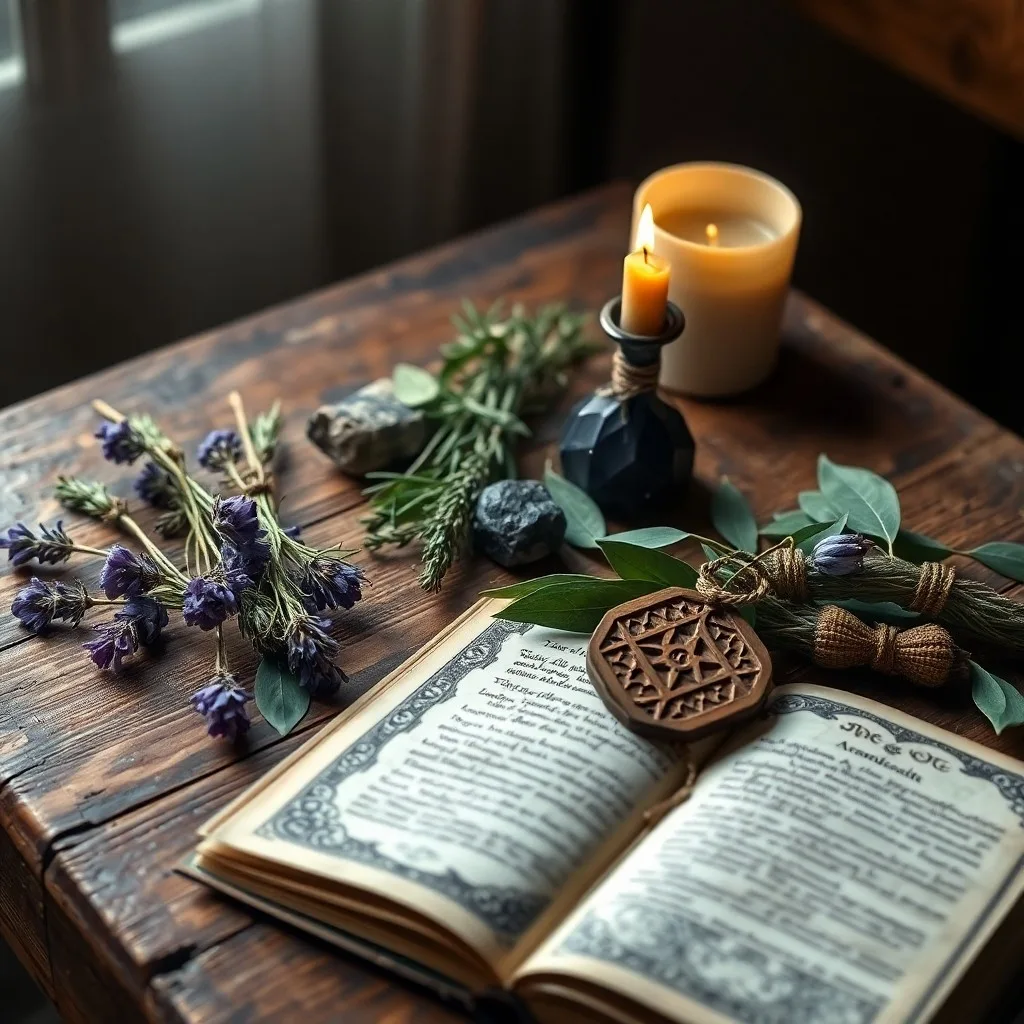
A collection of dried herbs and ancient texts, illuminated by soft candlelight, ready for magical workings.
| Herb | Primary Magical Uses | Associated Planet/Element |
|---|---|---|
| Rosemary | Protection, purification, memory, healing, love. | Sun / Fire |
| Lavender | Peace, sleep, love, purification, happiness, relaxation. | Mercury / Air |
| Chamomile | Relaxation, prosperity, luck, sleep, purification. | Sun / Water |
| Mugwort | Divination, lucid dreaming, psychic abilities, protection. | Venus / Earth |
| Sage | Cleansing, purification, wisdom, protection, healing. | Jupiter / Air |
| Basil | Prosperity, love, protection, exorcism, wealth. | Mars / Fire |
| Cinnamon | Success, passion, healing, protection, spiritual vibration. | Sun / Fire |
| Peppermint | Purification, healing, sleep, psychic awareness, prosperity. | Mercury / Air |
| Dandelion | Divination, wishes, communication with spirits, healing. | Jupiter / Air |
| Thyme | Courage, strength, purification, healing, sleep. | Venus / Water |
Methods of Herbal Magic
Herbal magic employs a variety of methods to harness the power of plants, each suited for different intentions and situations. The choice of method often depends on the desired outcome, the type of herb used, and personal preference.
- Sachets and Pouches: Small cloth bags filled with dried herbs, crystals, and other symbolic items. Carried for protection, attracting love, or promoting good fortune.
- Incense and Smudging: Burning dried herbs (like sage or palo santo) to cleanse spaces, purify objects, or create a sacred atmosphere for ritual work. This method releases the plant's spiritual essence into the air.
- Teas and Infusions: Brewing herbs for magical purposes, not just medicinal. Drunk for relaxation, psychic enhancement (e.g., mugwort tea before bed), or to internalize specific plant energies.
- Baths and Ritual Washes: Adding herbs to bathwater for purification, drawing in new energies, or releasing old ones. Herbal washes can also be used for cleansing tools or spaces.
- Oils and Tinctures: Infusing herbs into carrier oils or alcohol to create potent magical oils for anointing candles, talismans, or the body. Tinctures are often used for internal magical workings.
- Amulets and Talismans: Incorporating whole or parts of plants into wearable charms or objects to carry their protective or attractive energies constantly.
- Scrying: Using herbal infusions in a dark bowl or mirror for divination, allowing the plant's energy to facilitate visions or insights.
Herbal Magic for Holistic Healing
Beyond physical ailments, herbal magic addresses healing on emotional, mental, and spiritual levels. It recognizes that true well-being is a balance of these interconnected aspects. While not a substitute for professional medical advice, herbal magic can complement conventional treatments by supporting the body's natural healing processes and addressing underlying energetic imbalances.
For emotional healing, herbs like rose (for self-love and grief) or lemon balm (for anxiety and calm) can be used in teas, baths, or sachets. Spiritually, plants like frankincense or myrrh are employed for purification, meditation, and connecting with higher consciousness. The act of preparing and using these herbs itself can be a meditative and healing ritual, fostering a sense of agency and connection to the earth.
The energetic properties of herbs can help clear stagnant energy, release emotional blockages, and promote a sense of peace and harmony. For example, a rosemary bath can cleanse the aura, while a lavender sachet under the pillow can invite restful sleep and prophetic dreams. This holistic approach to healing is a cornerstone of many esoteric traditions, emphasizing the power of intention and natural remedies. Delve deeper into specific healing modalities with Feng Shui Modern Spirituality: Harmonizing Virtual Well-being.

Vibrant, swirling colors depict the unseen energetic auras of plants, symbolizing their healing and protective qualities.
Herbal Magic for Spiritual Protection
Protection is one of the most common and vital applications of herbal magic. Plants have long been used to ward off negative energies, evil spirits, and unwanted influences, creating a shield of energetic defense around individuals, homes, and sacred spaces. This practice is rooted in the belief that certain plants possess inherent qualities that repel negativity and attract positive vibrations.
Common protective herbs include rosemary, known for its ability to cleanse and guard; rue, often used to break curses and hexes; and garlic, a powerful ward against malevolent forces. These herbs can be placed in sachets by doorways, burned as incense, or incorporated into protective oils and sprays. Creating a protective barrier is not about fear, but about establishing energetic boundaries and maintaining personal sovereignty.
Beyond physical placement, the energetic imprint of these plants, combined with focused intention, creates a vibrational field that discourages negativity. For example, hanging a sprig of juniper over a door is a traditional way to prevent unwanted energies from entering a home. Similarly, carrying a bay leaf in your wallet is believed to protect your finances. These practices empower individuals to actively participate in their own spiritual safety and well-being.
Ethical Considerations and Sustainable Practice
As with any practice involving natural resources, ethical and sustainable engagement is paramount in herbal magic. Respect for the earth and its inhabitants is a core tenet. This means understanding where your herbs come from, how they are harvested, and ensuring that your practices do not harm the environment or deplete plant populations.
When wildcrafting (harvesting plants from the wild), it is crucial to follow guidelines such as taking only what you need, leaving plenty for the plant to regenerate, and never harvesting endangered species. Learning about local flora and fauna, and understanding proper identification, is also vital. Supporting ethical growers and suppliers who practice sustainable cultivation is another way to ensure responsible sourcing.
Cultivating your own herb garden, even a small one, is an excellent way to connect deeply with plants and ensure a sustainable supply. This direct interaction fosters a stronger bond and a deeper appreciation for the life cycle of each herb. By practicing ethically and sustainably, herbal magicians honor the sacred contract between humanity and the plant kingdom, ensuring these powerful practices can continue for generations to come.
Conclusion: Embracing Plant Wisdom
Herbal magic offers a rich and rewarding path for those seeking to deepen their connection with nature and harness its inherent power. From ancient traditions to modern practice, plants have consistently served as allies for healing, protection, and spiritual growth. By understanding their unique properties, applying clear intention, and practicing with respect and gratitude, anyone can begin to explore the transformative potential of botanical wisdom.
Embracing herbal magic is an invitation to slow down, observe the subtle energies of the natural world, and cultivate a more mindful existence. It encourages self-discovery, empowers personal agency, and fosters a profound reverence for the earth. As you embark on or continue your journey with herbal magic, remember that the most potent ingredient is always your own focused will and a heart open to the wonders of the plant kingdom.
Fuente: Contenido híbrido asistido por IAs y supervisión editorial humana.


Comments
Post a Comment