
AI Predictive Astrology Ethics: Navigating Big Data
The intersection of artificial intelligence (AI) and predictive astrology marks a fascinating frontier in modern spirituality and technology. As AI systems become increasingly sophisticated, their capacity to analyze vast datasets, identify complex patterns, and generate personalized insights has begun to transform various fields, including ancient practices like astrology. This evolution brings forth not only unprecedented opportunities for deeper understanding but also a complex web of ethical considerations that demand careful navigation.
Predictive astrology, traditionally reliant on human interpretation of planetary movements and cosmic energies, is now being augmented by algorithms capable of processing millions of birth charts, historical events, and individual outcomes. This fusion promises a new era of precision and accessibility, yet it simultaneously raises critical questions about data privacy, algorithmic bias, the nature of free will, and the very essence of human intuition in spiritual guidance. Understanding these ethical dimensions is crucial for developing responsible and beneficial AI applications in this sensitive domain.
Table of Contents
- The Rise of AI in Predictive Astrology
- Core Ethical Dilemmas in AI Astrology
- Navigating Big Data and Collective Trends
- Transparency and Accountability
- The Future of Ethical AI Astrology
The Rise of AI in Predictive Astrology
The application of artificial intelligence in astrology is a natural progression of technological advancement meeting ancient wisdom. AI algorithms excel at pattern recognition, a fundamental aspect of astrological interpretation. By feeding these systems vast quantities of astrological data—birth charts, planetary positions, historical events, and corresponding life outcomes—AI can begin to identify correlations and make predictions with a speed and scale impossible for human astrologers.
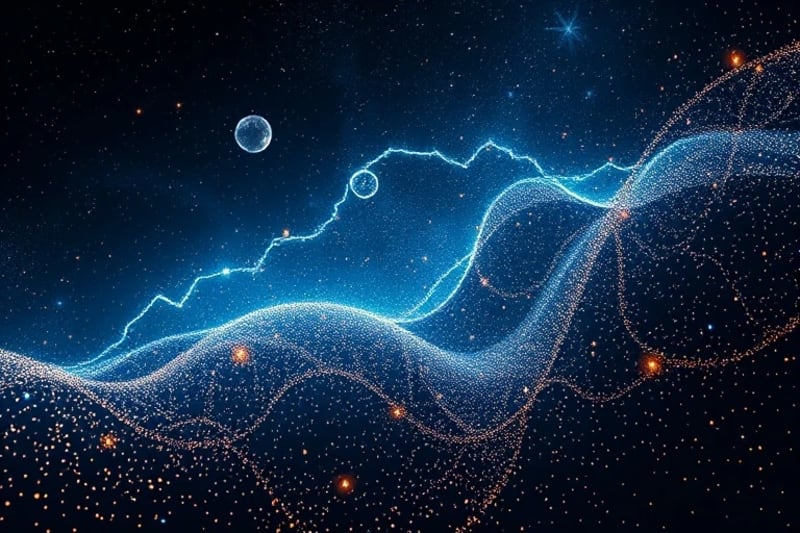 A conceptual depiction of artificial intelligence systems analyzing vast cosmic data streams to derive astrological insights. This convergence represents a new era where ancient wisdom meets advanced computational power, raising profound questions about prediction and understanding.
Conceptual rendering generated by AI, exploring the intricate relationship between technology and the cosmos.
This capability extends beyond individual charts to encompass collective astrological trends. AI can analyze societal shifts, economic cycles, and cultural movements in conjunction with astrological transits, potentially revealing macro-level patterns that influence large populations. The promise here is a more nuanced, data-driven understanding of how cosmic energies manifest in human experience, offering insights into both personal destinies and global trajectories.
However, this enhanced predictive power comes with significant responsibilities. The data used to train these AI models must be carefully curated, and the interpretations generated must be presented with an understanding of their limitations and potential impact on users. The goal is to augment human understanding, not to replace critical thinking or personal agency.
Core Ethical Dilemmas in AI Astrology
The integration of AI into predictive astrology introduces several critical ethical challenges that must be addressed to ensure responsible development and deployment. These dilemmas touch upon fundamental aspects of privacy, fairness, and human autonomy.
Data Privacy and Security
To provide personalized astrological readings, AI systems often require sensitive personal data, including birth dates, times, and locations. Users may also input information about their life events, relationships, and aspirations. The collection, storage, and processing of this data raise significant privacy concerns. How is this information protected from breaches? Who has access to it? Could it be used for purposes beyond astrological predictions, such as targeted advertising or even discrimination?
Robust data encryption, anonymization techniques, and transparent data usage policies are paramount. Users must be fully informed about how their data will be used and have control over its retention and deletion. The ethical imperative is to safeguard personal information with the utmost care, especially when dealing with data that can reveal intimate details about an individual's life path. For more on how digital tools can intersect with personal insights, consider exploring topics like Biometric Divination: Biofeedback, Intuition, Self-Discovery.
Algorithmic Bias
AI models are only as unbiased as the data they are trained on. If the historical astrological data used to train an AI system contains biases—for example, reflecting societal inequalities, cultural prejudices, or limited demographic representation—these biases will be amplified in the AI's predictions. This could lead to astrological interpretations that are discriminatory, inaccurate for certain groups, or perpetuate harmful stereotypes.
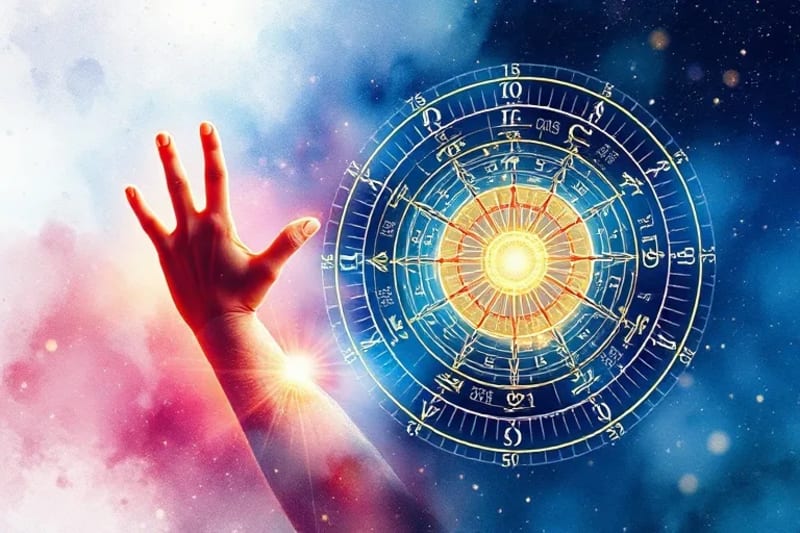 A symbolic representation of the delicate interaction between human agency and artificial intelligence in the realm of spiritual guidance. It highlights the need for ethical frameworks to ensure that technological advancements align with human values and well-being.
AI-generated artwork, illustrating the complex relationship between technology, ethics, and human spirituality.
Addressing algorithmic bias requires diverse and representative training datasets, as well as rigorous testing and auditing of AI models. Developers must actively seek to identify and mitigate biases, ensuring that astrological insights are fair, inclusive, and relevant to all users, regardless of their background.
Autonomy vs. Determinism
Astrology, by its nature, often discusses predispositions and potential life paths. When AI provides highly specific or seemingly definitive predictions, it can inadvertently influence a user's perception of their free will. If an AI predicts a certain outcome with high confidence, will users feel less empowered to make their own choices or alter their path? This could lead to a sense of fatalism or self-fulfilling prophecies.
Ethical AI astrology must emphasize that predictions are probabilistic and represent tendencies, not absolute decrees. The language used by AI should empower users to understand their potential while affirming their agency to shape their future. It should encourage self-reflection and personal growth, rather than fostering dependence on external predictions. This aligns with principles of Manifestation Psychology: Rewiring Subconscious Abundance Law, which emphasizes personal power.
The Human Element: Intuition and Empathy
Traditional astrological readings often involve a deep, empathetic connection between the astrologer and the client. Human astrologers bring intuition, wisdom, and the ability to provide nuanced guidance that considers the client's emotional state and personal context. AI, while capable of processing data, lacks consciousness, empathy, and the capacity for genuine human connection.
The ethical challenge here is to define the appropriate role for AI. It can be a powerful tool for analysis and information delivery, but it should not fully replace the human element where emotional support, intuitive insight, and compassionate guidance are crucial. A hybrid approach, where AI provides data-driven insights that are then interpreted and contextualized by human astrologers, may offer the best of both worlds.
Navigating Big Data and Collective Trends
One of the most powerful applications of AI in astrology is its ability to analyze "big data" to identify and predict collective trends. By correlating vast amounts of astrological data with historical societal events, economic shifts, and cultural phenomena, AI can potentially forecast periods of collective upheaval, innovation, or transformation. This capability, while offering immense potential for understanding global dynamics, also presents unique ethical considerations.
Ethical Implications of Predicting Mass Behaviors
If AI can predict periods of collective unrest or economic downturns based on astrological patterns, how should this information be used? There is a fine line between providing informed foresight and inadvertently creating panic or influencing markets. The ethical responsibility lies in presenting such predictions with caution, emphasizing their probabilistic nature, and focusing on empowering individuals and communities to prepare and adapt, rather than fostering fear or speculative behavior.
The potential for manipulation is also a concern. If certain entities gain access to AI-driven insights into collective astrological trends, they could potentially exploit this knowledge for political or economic gain, influencing public sentiment or market behavior. Safeguards must be in place to prevent such misuse, ensuring that these powerful insights serve the common good.
Informed Decision-Making vs. Determinism
The goal of understanding collective trends should be to foster greater awareness and resilience. For instance, knowing that a particular astrological transit often correlates with periods of social change can help communities prepare for dialogue, reform, or adaptation. This empowers collective decision-making rather than dictating outcomes. It transforms predictive insights into tools for proactive engagement with cosmic energies, much like understanding Transits and Progressions in Advanced Predictive Astrology can inform personal choices.
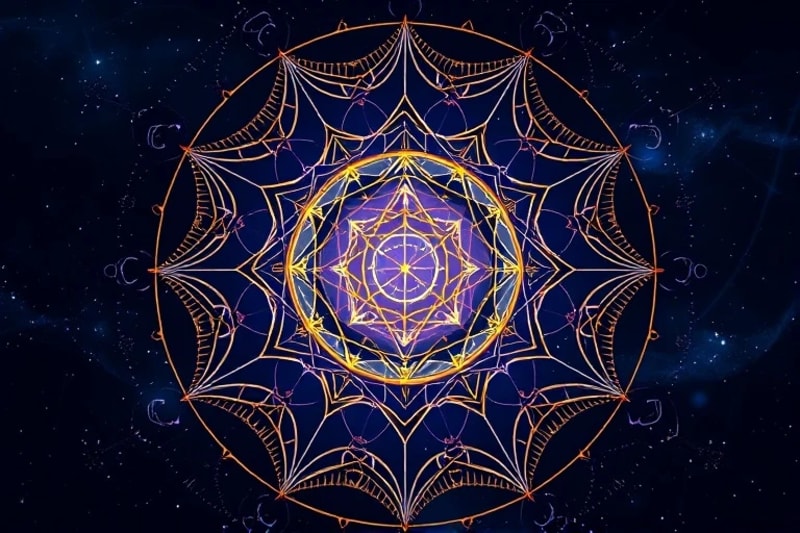 An abstract visualization depicting the critical balance between safeguarding sensitive personal data in astrological applications and understanding broader collective trends. It underscores the dual responsibility of privacy protection and insightful societal analysis.
Conceptual 3D rendering, exploring themes of data protection and macro-level astrological influences.
Ethical guidelines for AI in this context should prioritize education, critical thinking, and the promotion of collective wisdom. The insights derived from big data analysis should be presented as potential influences, encouraging thoughtful responses rather than passive acceptance of fate.
Transparency and Accountability
Transparency and accountability are cornerstones of ethical AI development in any field, and astrology is no exception. Users of AI-powered astrological tools have a right to understand how these systems work, what data they use, and how their predictions are generated.
Explainable AI (XAI) in Astrology
Explainable AI (XAI) aims to make AI models more understandable to humans. In astrology, this means not just providing a prediction, but also explaining the astrological principles, planetary aspects, or data correlations that led to that prediction. For example, an AI might state: "Your current transit of Saturn square your natal Sun suggests a period of challenging growth, as observed in X% of historical cases with similar configurations leading to professional re-evaluation."
This level of transparency builds trust and empowers users to critically evaluate the AI's insights, rather than blindly accepting them. It also helps users learn more about astrology itself, fostering a deeper engagement with the practice.
Who is Responsible?
When an AI-generated astrological reading leads to a significant life decision or emotional impact, who bears responsibility? Is it the AI developer, the platform provider, or the user? Clear lines of accountability must be established. Developers have a responsibility to create robust, well-tested, and ethically designed AI systems. Platforms must ensure that the AI is used responsibly and that users are properly informed about its capabilities and limitations.
Ultimately, users also bear responsibility for how they interpret and act upon astrological information, whether from AI or a human astrologer. The goal of ethical AI is to provide tools that enhance understanding and self-awareness, not to absolve individuals of their own decision-making processes.
The Future of Ethical AI Astrology
The path forward for AI in predictive astrology involves a commitment to ethical development, continuous evaluation, and a human-centered approach. This future is not about replacing human wisdom but enhancing it with powerful analytical tools.
Developing Ethical Guidelines and Standards
The astrology community, AI developers, ethicists, and users should collaborate to establish clear ethical guidelines for AI in astrology. These guidelines could cover data privacy, bias mitigation, responsible communication of predictions, and the role of human oversight. Adherence to these standards would foster trust and ensure that AI serves as a beneficial tool for spiritual exploration.
Hybrid Approaches and User Education
The most promising future likely lies in hybrid models, where AI provides comprehensive data analysis and pattern recognition, while human astrologers offer intuitive interpretation, empathetic guidance, and personalized context. This collaboration leverages the strengths of both AI and human wisdom, creating a richer, more holistic experience for users.
Furthermore, educating users about the capabilities and limitations of AI in astrology is crucial. Promoting digital literacy and critical thinking skills will empower individuals to engage with AI-generated insights thoughtfully, integrating them into their personal spiritual journey in a way that supports their autonomy and well-being. This aligns with a broader trend of harmonizing technology with Daily Cosmic Rituals and Modern Spirituality.
The ethical integration of AI into predictive astrology is not merely a technical challenge but a philosophical one. It requires a deep understanding of human nature, the spiritual quest, and the profound impact that information can have on individual lives and collective consciousness. By prioritizing ethics, transparency, and human well-being, we can harness the power of AI to illuminate the cosmic dance in ways previously unimaginable, while preserving the sacred essence of astrological wisdom.
Explore More Cosmic Insights
Manifestation Psychology: Rewiring Subconscious Abundance Law
SaaS Business Models for SMEs: Digitalization and Green Growth
Sanación Energética Planetaria: Cristales Maestros, Chakras Aura
Source: Hybrid content assisted by AI and human editorial supervision.


Comments
Post a Comment