
algorithmic-oracles-ethics-navigating-ai-divination-tools
The advent of artificial intelligence has ushered in an era where predictive capabilities extend far beyond traditional statistical models. Algorithmic oracles, sophisticated AI systems designed to forecast outcomes, offer insights ranging from financial market trends to personalized health prognoses. Increasingly, these tools are being adapted for more esoteric applications, venturing into what can be termed "AI divination," where complex algorithms analyze vast datasets to offer guidance on personal choices, future events, or even spiritual paths. This convergence of advanced technology and ancient human quests for foresight presents a unique and intricate ethical landscape that demands rigorous examination.
While the allure of an all-knowing digital seer is undeniable, the deployment of such powerful predictive tools necessitates a deep dive into their ethical implications. The very nature of algorithms—their design, the data they consume, and the interpretations they generate—is fraught with potential pitfalls. From inherent biases embedded in training data to the erosion of human agency and the opaque nature of their decision-making processes, the ethical challenges are multifaceted. Navigating this new frontier requires not only technological prowess but also a robust philosophical and societal framework to ensure these tools serve humanity responsibly and equitably.

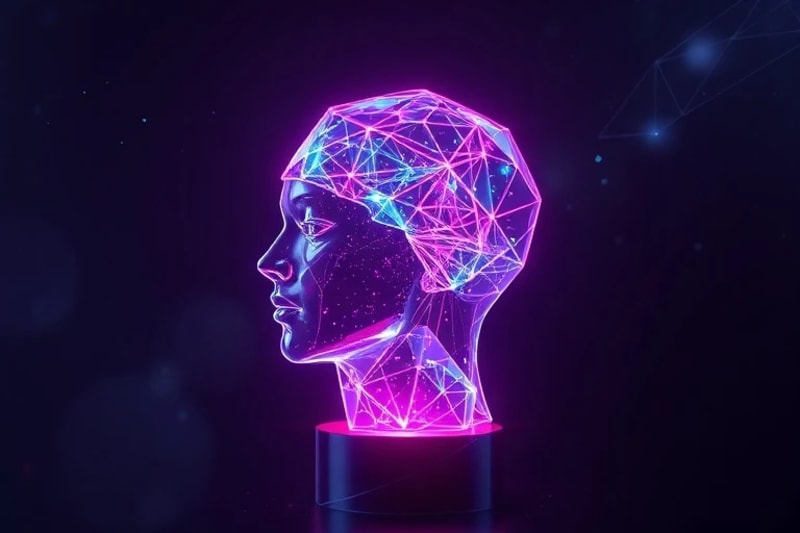
Exploring the intricate interplay between advanced AI systems and the ancient human pursuit of foresight, highlighting the ethical dimensions of predictive technology.
Conceptual AI render, illustrating the fusion of digital intelligence and esoteric symbolism, created under a license for free use.Table of Contents
- Understanding Algorithmic Oracles: Beyond Simple Prediction
- Core Ethical Frameworks for AI Divination
- The Peril of Bias and Data Integrity in Predictive AI
- Human Agency and the Illusion of Destiny: Philosophical Implications
- Misinformation, Misinterpretation, and Psychological Impact
- Regulatory Landscape and the Future of Ethical AI Divination
- Best Practices for Responsible Development and Use
Understanding Algorithmic Oracles: Beyond Simple Prediction
Algorithmic oracles, in their essence, are sophisticated computational systems that leverage machine learning, deep learning, and vast datasets to identify patterns and predict future states or outcomes. Unlike traditional statistical models that rely on predefined relationships, AI-driven oracles can uncover complex, non-linear correlations within data that are imperceptible to human analysis. This capability allows them to process information from diverse sources—social media trends, historical astrological charts, psychological profiles, or even biometric data—to generate highly nuanced predictions or insights.
The application of these oracles in "AI divination" extends beyond mere forecasting. It involves interpreting these predictions in a context that often touches upon personal guidance, life choices, or understanding one's path, mirroring the functions of traditional divinatory practices. For instance, an AI might analyze a user's birth chart data, current planetary transits, and personal journaling entries to suggest potential challenges or opportunities, much like a human astrologer. The distinction lies in the scale of data processed and the algorithmic nature of the interpretation, which can either enhance objectivity or introduce new forms of systemic error.
The power of these systems stems from their ability to identify subtle indicators and synthesize information at a speed and volume impossible for humans. However, this power also brings inherent complexities. The models are only as good as the data they are trained on, and their internal workings can often be opaque, leading to what is known as the "black box problem." This lack of transparency is a significant ethical hurdle, especially when the predictions influence critical life decisions or shape perceptions of self and future. Understanding the technical underpinnings is the first step towards establishing ethical guardrails.
Core Ethical Frameworks for AI Divination
To navigate the ethical complexities of algorithmic oracles, particularly in sensitive domains like divination, several established ethical frameworks provide essential guidance. These principles, often discussed in the broader context of AI ethics, become even more critical when dealing with tools that purport to offer insights into personal destinies or significant life choices. Key frameworks include:
- Transparency and Explainability: Users should understand how an AI oracle arrives at its predictions. The "black box" nature of many advanced AI models directly conflicts with this principle. Explainable AI (XAI) aims to make AI decisions more comprehensible to humans, which is vital for building trust and allowing users to critically evaluate the advice given.
- Fairness and Non-discrimination: AI systems must treat all individuals equitably, without perpetuating or amplifying existing societal biases. If an AI oracle is trained on biased historical data, its predictions could inadvertently discriminate based on gender, race, socioeconomic status, or other protected characteristics.
- Accountability and Responsibility: When an algorithmic oracle provides advice that leads to negative outcomes, who is accountable? Is it the developer, the user, or the algorithm itself? Clear lines of responsibility must be established, and mechanisms for redress should be in place.
- Privacy and Data Protection: AI divination often requires access to highly personal and sensitive data (e.g., birth details, personal history, emotional states). Robust data protection measures, informed consent, and strict adherence to privacy regulations (like GDPR) are paramount to prevent misuse or breaches.
- Human Agency and Autonomy: Perhaps the most profound ethical consideration is the impact of AI predictions on human free will. If an oracle presents a future as predetermined, it can diminish an individual's sense of agency and their motivation to make independent choices or strive for different outcomes. The tool should empower, not dictate.
- Beneficence and Non-maleficence: The primary goal of any AI oracle should be to benefit users and, at the very least, do no harm. This involves careful consideration of potential psychological impacts, the risk of dependency, and the promotion of critical thinking rather than blind acceptance.
These frameworks are not merely theoretical constructs; they must be actively integrated into the design, development, deployment, and ongoing monitoring of algorithmic oracles. Without a conscious commitment to these principles, the promise of AI divination risks devolving into a source of harm and inequity.
The Peril of Bias and Data Integrity in Predictive AI
One of the most significant ethical challenges facing algorithmic oracles is the pervasive issue of bias. AI systems learn from the data they are fed, and if that data reflects historical or societal prejudices, the AI will not only learn these biases but can also amplify them in its predictions. For instance, if an AI oracle designed for career guidance is trained on historical employment data that shows gender disparities in certain fields, it might implicitly steer individuals away from roles traditionally dominated by another gender, even if those biases are no longer relevant or desirable.
A conceptual representation of how inherent biases in data can fragment and distort the predictive insights offered by AI systems.
Digital art render, exploring the intersection of AI, data integrity, and ethical considerations, provided under a creative commons license.Data integrity is another critical concern. In the realm of AI divination, this can manifest in several ways:
- Historical Data Bias: Many traditional divinatory practices have historical contexts that may not align with modern values. If an AI is trained on centuries-old astrological interpretations or numerological associations without critical re-evaluation, it risks perpetuating outdated societal norms or discriminatory advice.
- Selection Bias: The data used to train an AI might not be representative of the entire population. If an oracle is trained primarily on data from a specific demographic, its predictions may be less accurate or even harmful for individuals outside that group.
- Incomplete or Noisy Data: Real-world data is often messy, incomplete, or contains errors. An AI trained on such data can produce unreliable or misleading predictions, which can be particularly damaging when users place significant trust in the oracle's pronouncements.
- Feedback Loops: If users start making decisions based on biased AI predictions, and these decisions are then fed back into the training data, it can create a reinforcing loop that exacerbates the original bias, making it harder to detect and correct.
Mitigating bias requires proactive measures, including rigorous data auditing, the use of diverse and representative datasets, and the development of debiasing algorithms. Furthermore, developers must critically assess the source and historical context of any data used, especially when dealing with esoteric or culturally specific information, to ensure that the AI's interpretations are both relevant and ethically sound. For a deeper understanding of astrological components, exploring Planetary Dignities Beyond Rulerships Astrology Decoding can provide context on how traditional interpretations might be processed by AI.
Human Agency and the Illusion of Destiny: Philosophical Implications
The core philosophical dilemma posed by algorithmic oracles, particularly in the realm of AI divination, revolves around human agency and the perception of free will. When an AI system, perceived as objective and all-knowing, presents a prediction about an individual's future, it can profoundly influence their choices and self-perception. If a user is told by an AI that a certain career path is "destined" for them, or that a relationship is "fated" to fail, it might inadvertently diminish their motivation to explore alternatives, overcome challenges, or actively shape their own future.
This raises critical questions about the nature of prediction itself. Are these AI forecasts merely probabilistic assessments based on historical patterns, or do they carry a prescriptive weight that can subtly guide or even coerce human behavior? The danger lies in users externalizing their decision-making process, becoming overly reliant on the oracle's pronouncements, and thus relinquishing their intrinsic capacity for self-determination. This is particularly salient in areas like psychological well-being, where understanding one's natal chart potentials can be empowering, but over-reliance on AI interpretations could be limiting. For insights into personal empowerment, consider Astrology NLP: Rewiring Natal Chart Potentials.
Ethical AI divination tools should be designed to empower human agency, not diminish it. This means framing predictions as probabilities, possibilities, or insights for reflection, rather than immutable decrees. They should encourage critical thinking, self-exploration, and the understanding that personal choices remain paramount. The goal should be to provide information that helps individuals make more informed decisions, rather than making decisions for them. The tool should act as a sophisticated mirror, reflecting potentials, but leaving the act of creation and choice firmly in the hands of the individual.
Misinformation, Misinterpretation, and Psychological Impact
Beyond technical biases, the way AI-generated insights are presented and interpreted by users poses significant ethical risks. Even if an algorithmic oracle produces an accurate probabilistic prediction, its misinterpretation can lead to adverse psychological outcomes. For example, a prediction about a challenging period in one's life, if presented without nuance or context, could induce anxiety, fatalism, or despair. Users might misinterpret statistical likelihoods as certainties, leading to poor decision-making or emotional distress.
The risk of misinformation also extends to the AI itself. If an oracle is trained on unreliable sources or propagates pseudoscientific claims without proper disclaimers, it can inadvertently legitimize false information. This is particularly problematic in domains where verifiable facts are scarce or subjective interpretations are common. The perceived authority of an AI can lend undue credibility to its outputs, regardless of their actual veracity.
The psychological impact on users is a paramount ethical concern:
- Dependency: Over-reliance on AI oracles for daily decisions can foster a form of digital dependency, eroding self-trust and decision-making skills.
- Anxiety and Fear: Negative predictions, even if framed as possibilities, can trigger significant anxiety, especially in individuals prone to worry or with pre-existing mental health conditions.
- Confirmation Bias: Users might selectively interpret AI outputs to confirm existing beliefs, ignoring contradictory advice or evidence.
- Self-Fulfilling Prophecies: Believing an AI prediction can inadvertently lead individuals to act in ways that make the prediction come true, regardless of its initial accuracy.
Developers of AI divination tools have an ethical obligation to design interfaces that promote critical engagement, provide clear disclaimers about the probabilistic nature of predictions, and offer resources for seeking professional human guidance when needed. The language used in presenting insights must be carefully chosen to be empowering and informative, rather than deterministic or fear-inducing. Ethical divination, whether human or AI-driven, emphasizes guidance over decree, fostering resilience and personal growth. Further exploration into ethical practices can be found in Ethical Divination: Best Practices, Tarot, Numerology.
Regulatory Landscape and the Future of Ethical AI Divination
The rapid advancement of AI technology has outpaced the development of comprehensive regulatory frameworks. While general AI ethics guidelines are emerging globally, specific regulations addressing the unique challenges of algorithmic oracles in sensitive domains like divination are still nascent. Existing data protection laws, such as the GDPR in Europe, provide some safeguards regarding personal data processing, but they do not fully address the nuances of predictive influence or the psychological impact of AI-generated insights.

A contemplative scene depicting the human struggle to maintain agency when faced with diverse paths, some influenced by algorithmic predictions.
Oil painting render, exploring philosophical themes of free will and technological influence, sourced from a public domain collection.The future of ethical AI divination will likely involve a multi-pronged approach:
- Industry Self-Regulation: Developers and platforms offering AI divination services could establish industry-wide codes of conduct, best practices, and ethical guidelines to ensure responsible innovation.
- Governmental Oversight: As these tools become more prevalent, governments may need to introduce specific legislation addressing transparency, accountability, bias mitigation, and consumer protection in AI predictive services, especially those impacting personal well-being.
- Ethical AI Certification: Independent bodies could emerge to certify AI systems that meet specific ethical standards, providing users with a trust signal.
- Public Education and Literacy: Empowering users with AI literacy—understanding how these systems work, their limitations, and how to critically evaluate their outputs—is crucial for responsible engagement.
- Interdisciplinary Collaboration: Bridging the gap between AI developers, ethicists, philosophers, psychologists, and practitioners of traditional divination can foster a more holistic and responsible approach to designing and deploying these tools.
The goal is not to stifle innovation but to guide it towards outcomes that genuinely benefit humanity, respecting individual autonomy and societal well-being. The conversation around ethical AI is dynamic, and continuous adaptation of frameworks and regulations will be necessary as the technology evolves.
Best Practices for Responsible Development and Use
For algorithmic oracles to be a force for good in the realm of divination, both developers and users must adopt a set of best practices:
For Developers:
- Prioritize Transparency: Implement Explainable AI (XAI) techniques to clarify how predictions are made. Clearly state the limitations and probabilistic nature of the AI's insights.
- Mitigate Bias Actively: Continuously audit training data for biases and employ debiasing strategies. Ensure datasets are diverse and representative.
- Design for Human Agency: Frame predictions as suggestions or possibilities, encouraging critical thinking and personal choice. Avoid deterministic language.
- Ensure Data Privacy and Security: Implement robust encryption, anonymization, and access controls for all personal data. Obtain explicit, informed consent.
- Include Ethical Disclaimers: Clearly state that AI insights are not substitutes for professional advice (medical, psychological, financial) and encourage users to consult human experts for critical decisions.
- Conduct Impact Assessments: Regularly assess the psychological and societal impact of the AI tool, and iterate based on feedback and ethical reviews.
- Foster Interdisciplinary Teams: Include ethicists, psychologists, and domain experts (e.g., astrologers, philosophers) in the development process.
For Users:
- Maintain Critical Perspective: Approach AI predictions with a healthy dose of skepticism. Understand that AI is a tool, not an infallible oracle.
- Understand Limitations: Recognize that AI predictions are based on patterns in data and do not account for all nuances of human experience or the unpredictable nature of life.
- Prioritize Human Agency: Use AI insights as a starting point for reflection and self-discovery, not as dictates to follow blindly. Your choices remain yours.
- Protect Your Privacy: Be mindful of the data you share with AI divination tools and understand their privacy policies.
- Seek Human Counsel: For significant life decisions, always consult with qualified human professionals (therapists, counselors, financial advisors) rather than relying solely on AI.
- Provide Feedback: Engage with developers by providing constructive feedback on the tool's accuracy, ethical implications, and user experience.
By adhering to these best practices, the potential of algorithmic oracles can be harnessed responsibly, transforming them into valuable tools for self-exploration and informed decision-making, rather than sources of ethical dilemma or harm.
Explore More Insights on AI and Esoteric Wisdom
The intersection of artificial intelligence and ancient wisdom traditions is a rapidly evolving field. As we delve deeper into the capabilities of AI to process and interpret complex patterns, understanding its ethical implications becomes paramount. Our curated selection of articles offers further perspectives on how technology is reshaping our understanding of self, destiny, and the cosmos.
- Medical Astrology: Birth Chart & Health | StarPluto
- Psycho-Astrology: Jungian Psychology Natal Chart Integration
- Fixed Stars Predictive Astrology: Timing Major Portents
- Esoteric Symbolism AI Art: Decoding Digital Consciousness
- Registros Akáshicos: Accede a la Biblioteca del Alma | AstroFuturo
- Cristales Kármicos Signos Solares: Sanación Ancestral
The journey into understanding algorithmic oracles is ongoing. By engaging with diverse perspectives and continuously evaluating the ethical landscape, we can ensure that these powerful tools are developed and used in ways that uplift and empower individuals, rather than diminish their autonomy or introduce new forms of harm. The future of AI divination lies in a delicate balance between technological innovation and profound ethical responsibility.
Source: Hybrid content assisted by AI and human editorial supervision.


Comments
Post a Comment