
AI Ethics Predictive Astrology: Big Data Trends
The intersection of artificial intelligence (AI) and predictive astrology represents a fascinating, yet complex frontier. As AI technologies advance, their capacity to process vast amounts of data and identify patterns has led to applications in fields far beyond traditional computing, including the ancient practice of astrology. This convergence promises unprecedented insights into individual and collective destinies, but it also raises profound ethical questions that demand careful consideration.
The ability of AI to analyze birth charts, planetary transits, and historical astrological data at scale could revolutionize how we understand cosmic influences. However, the ethical implications surrounding data privacy, algorithmic bias, and the potential impact on human agency and collective societal trends are critical. This article delves into these ethical considerations, exploring how we can navigate this new landscape responsibly.
A conceptual visualization of artificial intelligence processing astrological data, merging digital networks with celestial mechanics to uncover hidden patterns.
This image is a conceptual render generated by AI, illustrating the intricate fusion of technology and ancient cosmic wisdom.The Rise of AI in Predictive Astrology
AI's entry into astrology is driven by its unparalleled capability to handle "big data." Traditional astrological analysis often relies on human interpretation of complex charts and planetary movements, a process that can be time-consuming and subject to individual biases. AI, particularly machine learning algorithms, can process vast datasets comprising millions of birth charts, historical events, and astrological configurations to identify correlations and predictive patterns that might elude human observation.
This technological leap offers the promise of more precise and nuanced astrological predictions. By analyzing historical data, AI can potentially refine our understanding of how specific planetary alignments correlate with certain life events, personality traits, or societal shifts. This could lead to a more evidence-based approach to astrology, moving beyond anecdotal evidence to statistically significant correlations.
Ethical Dilemmas: Data Privacy and Consent
One of the most pressing ethical concerns revolves around data privacy. Predictive astrology models powered by AI require access to highly personal information, including birth dates, times, and locations, which are often linked to other demographic and behavioral data. The aggregation of such sensitive data, even if anonymized, poses significant risks.
Users providing their data for astrological analysis might not fully comprehend how this information could be used or shared by AI systems. The potential for re-identification, even from anonymized datasets, is a well-documented risk in the field of big data. Ensuring robust data protection measures, clear consent protocols, and transparency in data usage are paramount to maintaining user trust and protecting individual privacy.
- Data Collection: How is personal astrological data (birth details, life events) collected and stored?
- Anonymization: Are methods for anonymizing data truly effective against re-identification?
- Consent: Is informed consent obtained for the use of personal data in AI models, especially concerning predictive outcomes?
- Third-Party Sharing: What are the policies regarding sharing this sensitive data with other entities or for other purposes?
Algorithmic Bias and Social Equity in Astrology
AI algorithms are only as unbiased as the data they are trained on. If the historical astrological data used to train these models reflects societal biases, these biases will be amplified and perpetuated in the AI's predictions. For instance, if historical interpretations disproportionately associate certain astrological placements with negative outcomes for specific demographics (e.g., gender, race, socioeconomic status), the AI might reinforce these harmful stereotypes.
This raises critical questions about social equity in AI-driven astrology. Developers must actively work to identify and mitigate biases in their datasets and algorithms. This includes using diverse datasets, implementing fairness metrics, and continuously auditing models for discriminatory outcomes. The goal should be to create predictive tools that are inclusive and equitable, rather than tools that exacerbate existing social inequalities. Understanding Cosmic Sociology: Celestial Mechanics, Global Consciousness Trends can provide a broader context for these discussions.
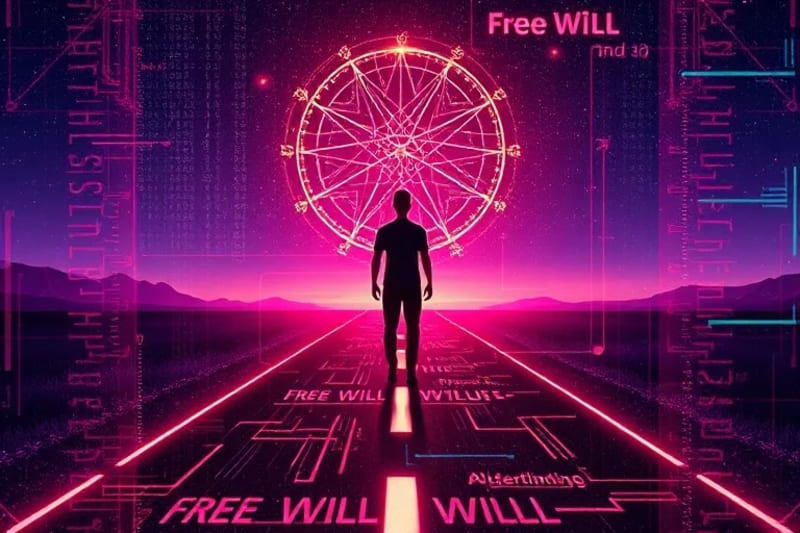
A symbolic representation of the ethical choices individuals face when confronted with AI-driven predictions, highlighting the tension between free will and algorithmic influence.
Impact on Human Agency and Free Will
Perhaps the most profound ethical dilemma concerns the impact of highly accurate AI predictions on human agency and free will. If an AI can predict future events with a high degree of certainty based on astrological configurations, how might this affect an individual's choices and sense of self-determination? The psychological impact of knowing one's "destiny" in advance could be significant, potentially leading to fatalism or self-fulfilling prophecies.
Astrology has traditionally offered insights and guidance, empowering individuals to navigate their paths with greater awareness. However, overly deterministic AI predictions could strip away this sense of empowerment, reducing life to a predetermined sequence of events. It is crucial for AI-driven astrological tools to emphasize potential paths and probabilities rather than absolute certainties, thereby preserving the space for human choice and growth. This aligns with the principles discussed in Quantum Manifestation Hermetic Principles Cosmic Laws Reality, which emphasize the role of consciousness in shaping reality.
Navigating Collective Trends and Potential Manipulation
Beyond individual predictions, AI in astrology could also identify and predict collective trends, from economic shifts to social movements. While this could offer valuable foresight, it also opens the door to potential manipulation. If powerful entities gain access to AI models capable of predicting mass behaviors based on astrological influences, they could exploit this knowledge for political, economic, or social gain.
For example, predicting periods of collective unrest or optimism could be used to influence markets or public opinion. This raises serious concerns about the responsible use of such powerful predictive capabilities. Safeguards must be put in place to prevent the weaponization of AI-driven astrological insights, ensuring they serve the collective good rather than narrow interests. The implications are similar to those explored in Astro-Economics Financial Markets: Predicting Planetary Cycles, but with an added layer of AI influence.
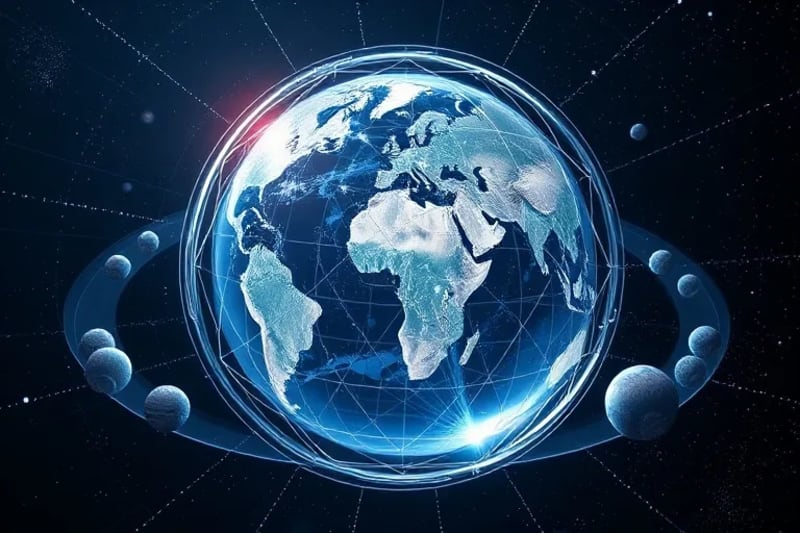
A three-dimensional render illustrating the intricate dance between global collective consciousness, planetary movements, and the abstract data visualizations that AI can interpret to forecast societal trends.
Future Outlook: Towards Responsible AI in Astrology
The path forward requires a commitment to ethical AI development within the astrological community. This involves establishing clear guidelines and best practices for data handling, algorithm design, and the presentation of predictive insights. Collaboration between astrologers, AI ethicists, data scientists, and policymakers will be essential to create a framework that maximizes the benefits of AI while minimizing its risks.
Education also plays a vital role. Users of AI-driven astrological applications need to be informed about the limitations of AI, the probabilistic nature of predictions, and the importance of maintaining their own agency. Emphasizing that AI tools are meant to augment human understanding and intuition, rather than replace them, is crucial. The integration of AI should enhance the wisdom of astrology, not diminish the human spirit.
Ultimately, the ethical deployment of AI in predictive astrology hinges on a balanced approach that respects individual autonomy, safeguards privacy, and ensures fairness. By addressing these challenges proactively, we can harness the transformative potential of AI to deepen our connection to the cosmos in a responsible and empowering way. This ethical framework is also relevant for understanding Dark Planets: Holistic Natal Chart Interpretation, where nuanced understanding is key.
Conclusion
The advent of AI in predictive astrology opens up a new era of cosmic exploration, offering tools to analyze and interpret astrological patterns with unprecedented precision. However, this powerful technology comes with significant ethical responsibilities. Addressing concerns related to data privacy, algorithmic bias, the preservation of human agency, and the potential for manipulation of collective trends is not merely an academic exercise; it is fundamental to ensuring that AI serves as a beneficial force in our understanding of astrology and ourselves. By fostering transparency, accountability, and a human-centered design philosophy, we can navigate this complex landscape, allowing AI to enhance, rather than diminish, the profound wisdom that astrology offers.
Explore More Content
- Zodiac Compatibility: Advanced Elemental Balance in Relationships
- Scrying: Ancient Divination Through Reflective Surfaces
- Synastry Attachment Theory: Bridging Relational Dynamics Astrological Bonds
- Quantum Tarot Entangled Meanings Divination
- Alchemical Sounds Cellular Regeneration Frequencies Energy
- Vibrational Linguistics: Mantras, Words, Reality Shaping
- Biosustainable Neuroarchitecture: AI-Driven Cognitive Well-being Spaces
- Numerología Angelical Tántrica: Códigos Sagrados Amor y Relaciones
Source: Hybrid content assisted by AI and human editorial supervision.


Comments
Post a Comment