
Ethics AI Dream Interpretation: Deciphering Subconscious Algorithms
The Ethics of AI in Dream Interpretation: Deciphering Subconscious Algorithms in the Digital Age
In an era where artificial intelligence increasingly permeates every facet of human existence, its application to the deeply personal and often enigmatic realm of dream interpretation presents a fascinating yet complex ethical landscape. The prospect of machines deciphering the intricate tapestry of our subconscious thoughts, emotions, and experiences raises profound questions about privacy, autonomy, bias, and the very essence of human understanding. As AI technologies advance, the ability to process vast amounts of data, recognize patterns, and even generate interpretations based on complex algorithms brings us closer to a future where our nocturnal narratives might be analyzed by non-human entities.
This exploration delves into the ethical considerations surrounding AI-driven dream interpretation, examining both its potential benefits and the critical challenges it poses. We will navigate the delicate balance between leveraging technological innovation for personal insight and safeguarding the sanctity of the human psyche against algorithmic overreach. Understanding these dynamics is crucial as we stand at the precipice of a new frontier, where the digital age meets the ancient art of dream deciphering, demanding a thoughtful and responsible approach.
Table of Contents
- The Dawn of AI Dream Analysis: A New Frontier
- From Ancient Oracles to Algorithmic Insights: A Brief History
- How Artificial Intelligence Deciphers the Subconscious
- Ethical Quandaries in AI Dream Interpretation
- The Promise: Benefits and Potential Applications
- Navigating the Future: Regulatory Needs and Best Practices
- The Symbiotic Path: Human and AI Collaboration in Dreamwork
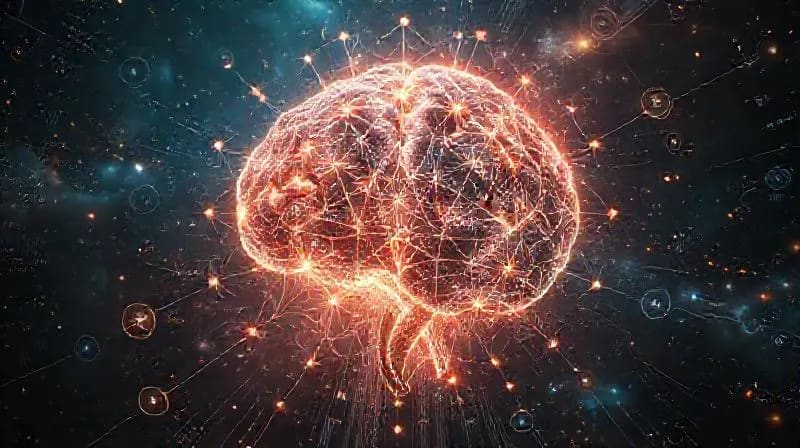
Exploring the intricate connection between artificial intelligence and the human subconscious, a realm where digital logic meets the fluidity of dreams.
This conceptual artwork, generated by an advanced AI, visualizes the complex interplay of neural networks and abstract thought, drawing inspiration from the collective unconscious to represent the emerging frontier of AI dream analysis.
The Dawn of AI Dream Analysis: A New Frontier
The concept of AI interpreting dreams is no longer confined to science fiction. With breakthroughs in natural language processing (NLP), machine learning, and vast computational power, algorithms are becoming increasingly capable of analyzing complex, unstructured data – a category into which dream narratives perfectly fall. This nascent field seeks to move beyond traditional symbolic interpretations by identifying patterns, correlations, and psychological insights that might otherwise remain hidden.
The promise is alluring: personalized insights into mental health, emotional well-being, and even predictive patterns for behavioral psychology. However, the very intimacy of dreams, their subjective nature, and their profound connection to our identity demand a cautious approach. The ethical framework for such technology must be robust, anticipating potential pitfalls before they manifest into widespread societal issues.
From Ancient Oracles to Algorithmic Insights: A Brief History
Dream interpretation has a rich and varied history, spanning millennia and cultures. From ancient Egyptian priests and Greek oracles who sought divine messages in dreams, to Freudian and Jungian psychoanalysis that viewed dreams as gateways to the unconscious, humans have always striven to understand these nocturnal phenomena. Early methods relied heavily on symbolism, cultural context, and the interpreter's intuitive understanding.
The modern scientific approach, particularly in psychology, moved towards more structured analysis, though still acknowledging the subjective nature of dream content. Now, AI introduces a paradigm shift, proposing a data-driven, algorithmic approach. This transition from intuitive, human-centric interpretation to machine-driven analysis marks a significant evolutionary step, but one that must respect the profound legacy of human wisdom in this domain.
How Artificial Intelligence Deciphers the Subconscious
AI systems interpret dreams primarily through advanced machine learning techniques. Users typically input their dream narratives as text, which is then processed through several stages:
- Natural Language Processing (NLP): This is the first step, where the AI breaks down the dream narrative, identifying key entities (people, objects, places), actions, and emotional tones. It can recognize metaphors and abstract concepts within the text.
- Pattern Recognition: AI algorithms are trained on vast datasets of dream reports, psychological theories, and symbolic dictionaries. They look for recurring themes, symbols, and emotional patterns within an individual's dreams over time, or across a larger population.
- Sentiment Analysis: The AI assesses the emotional valence of different dream segments, determining if parts of the dream are associated with fear, joy, anxiety, or peace. This helps in understanding the underlying emotional state of the dreamer.
- Contextual Correlation: Some advanced systems might integrate external data, such as the user's daily activities, mood logs, or even biometric data (if provided and consented to), to provide more contextually relevant interpretations. This can lead to a deeper understanding of personal timing and cycles, as explored in Planetary Cycles Numerology: Decoding Personal Timing.
The output is usually a textual analysis, highlighting potential meanings, psychological connections, and sometimes even suggestions for reflection. However, the 'black box' nature of some AI models means that the exact reasoning behind an interpretation might not always be transparent, posing a significant ethical challenge.
A digital padlock symbolizing the critical need for data privacy when algorithmic systems delve into the deeply personal realm of dreams.
Ethical Quandaries in AI Dream Interpretation
The ethical landscape of AI dream interpretation is fraught with complexities, demanding careful consideration from developers, users, and regulators alike. The very nature of dreams as a window into our innermost selves makes this application particularly sensitive.
Privacy and Data Security
Dream narratives are arguably among the most sensitive personal data. They contain unfiltered thoughts, fears, desires, and traumas. Storing, processing, and analyzing this information by AI systems raises significant privacy concerns. Who owns this data? How is it protected from breaches or misuse? The potential for profiling, targeted advertising, or even exploitation based on deep subconscious insights is immense. Robust encryption, anonymization techniques, and strict data governance are paramount.
Algorithmic Bias
AI models are only as unbiased as the data they are trained on. If training datasets for dream interpretation disproportionately represent certain cultural, demographic, or psychological profiles, the AI's interpretations could perpetuate biases, leading to inaccurate or culturally insensitive analyses. This could be particularly problematic for diverse populations, whose dream symbolism might differ significantly from mainstream interpretations. Addressing this requires diverse and representative datasets, along with continuous auditing of algorithms for fairness, a topic increasingly relevant in Advanced Astrological Ethics: Navigating AI, Big Data, and Collective Trends.
Misinterpretation and Psychological Impact
Dreams are inherently subjective and often defy literal interpretation. An AI, no matter how advanced, might struggle with nuance, irony, or highly personal symbolism. Misinterpretations could lead to undue anxiety, false self-diagnoses, or misguided life decisions. The psychological impact of an AI telling someone something potentially distressing about their subconscious, without the empathetic context of a human therapist, could be severe. Users might also develop an over-reliance on AI interpretations, diminishing their own capacity for self-reflection and intuition.
Autonomy and Free Will
If AI can 'know' our subconscious desires or fears before we do, what does this imply for our autonomy? The influence of AI-generated interpretations on personal choices, relationships, or career paths could be significant. There's a risk of external algorithms shaping our self-perception and decision-making, potentially eroding our sense of free will and self-discovery. This concern aligns with broader discussions on the impact of AI on global consciousness and digital trends, as explored in Cosmic Sociology AI: Mapping Global Consciousness Digital Trends.
A conceptual 3D render depicting AI's role in deciphering the intricate, evolving algorithms of the subconscious, transforming abstract dreams into discernible patterns.
The Promise: Benefits and Potential Applications
Despite the ethical challenges, AI dream interpretation holds significant promise for personal growth and scientific advancement. When developed and deployed responsibly, its benefits could be transformative.
- Personal Insights and Self-Discovery: AI can offer novel perspectives on recurring dream themes, helping individuals understand their underlying anxieties, desires, or unresolved issues. This can be a powerful tool for self-reflection and personal development, complementing traditional methods of self-discovery like those found in Zodiac Myths Archetypes Modern Self-Discovery Guidance.
- Mental Health Support: By identifying patterns indicative of stress, depression, or trauma, AI could potentially serve as an early warning system, prompting users to seek professional help. It could also track the efficacy of therapeutic interventions by monitoring changes in dream content.
- Research and Psychological Studies: Aggregated, anonymized dream data, analyzed by AI, could provide unprecedented insights into the collective human psyche, cultural influences on dreams, and the neurobiology of sleep. This could accelerate research in psychology, neuroscience, and anthropology.
- Enhanced Creativity: For artists, writers, and innovators, AI dream analysis might unlock new sources of inspiration by highlighting connections and themes from their subconscious that they might otherwise overlook.
Navigating the Future: Regulatory Needs and Best Practices
To harness the potential of AI dream interpretation while mitigating its risks, a robust framework of ethical guidelines and best practices is essential. This framework should involve collaboration between technologists, psychologists, ethicists, and policymakers.
- Informed Consent and Transparency: Users must be fully informed about how their dream data will be used, stored, and processed. The algorithms' limitations and potential biases should be clearly communicated.
- Data Anonymization and Security: Strict protocols for data anonymization and advanced cybersecurity measures are critical to protect highly sensitive dream data from breaches and unauthorized access.
- Human Oversight and Intervention: AI interpretations should always be presented as suggestions or tools for self-reflection, not definitive truths. Human experts (therapists, counselors) should remain the ultimate authority, especially in cases where psychological distress is indicated.
- Bias Mitigation: Continuous efforts to diversify training data and audit algorithms for fairness and cultural sensitivity are necessary to prevent biased interpretations.
- Ethical Design Principles: Developers should embed ethical considerations from the outset, prioritizing user well-being, privacy, and autonomy in the design of AI dream interpretation tools.
The Symbiotic Path: Human and AI Collaboration in Dreamwork
The most promising future for AI in dream interpretation lies not in replacing human understanding, but in augmenting it. A symbiotic relationship where AI acts as a powerful analytical tool, identifying patterns and correlations that might escape human perception, while human intuition, empathy, and contextual understanding provide the ultimate interpretation and guidance. This collaborative model ensures that the deeply personal and subjective nature of dreams is respected, while leveraging the efficiency and analytical power of artificial intelligence.
As we continue to explore the depths of the subconscious and the capabilities of AI, the ethical dialogue must evolve in parallel. By prioritizing user well-being, ensuring transparency, and fostering responsible innovation, we can navigate this complex frontier, allowing AI to illuminate aspects of our inner worlds without compromising the very essence of what makes us human. The journey into deciphering subconscious algorithms is just beginning, and its trajectory will be shaped by the ethical choices we make today.
Discover Our Content Ecosystem
- Aura Cleansing: Releasing Negative Energy | StarPluto
- Sacred Geometry Crop Circles: Decoding Earth's Cosmic Messages | StarPluto
- Monkey's Business Acumen: Strategic Career Moves by Element | StarPluto
- Chiron Lunar Nodes Healing Ancestral Karmic Wounds Chart | StarPluto
- Emerald Tablet Quantum Manifestation Hermetic Principles
- Advanced Synastry Nodal Vertex Connections: Relationship Dynamics Guide | StarPluto
- 12th House Astrology: Spirituality, Secrets, Unconscious | StarPluto
- Energy Healing Modalities: Reiki, Pranic Healing, and Beyond Explained | StarPluto
- Sound Healing: Vibrational Therapy for Mind, Body, and Spirit | StarPluto
- [ALTHOX] Estrategias Marketing Digital PYMES Mercados Globales | Althox
- [ASTROFUTURO] Cosmo-Gastronomía Consciente Mascotas: Recetas Energéticas Cristales Alma Animal
- [PROFECIAS] Oración Neuroplasticidad: Fe Modela Cerebro Vida Plena
Source: Hybrid content assisted by AI and human editorial supervision.


Comments
Post a Comment