
Astro-Genomics Epigenetics Decoding Health Patterns
Astro-Genomics and Epigenetics: Decoding Inherited Health Patterns Beyond DNA
The convergence of ancient wisdom and modern science often unveils new paradigms for understanding complex phenomena. In the realm of health and well-being, the emerging fields of astro-genomics and epigenetics offer a fascinating lens through which to explore inherited health patterns. This interdisciplinary approach suggests that our genetic predispositions, and how they are expressed, might be influenced not only by environmental factors but also by subtle cosmic energies reflected in our astrological birth charts.
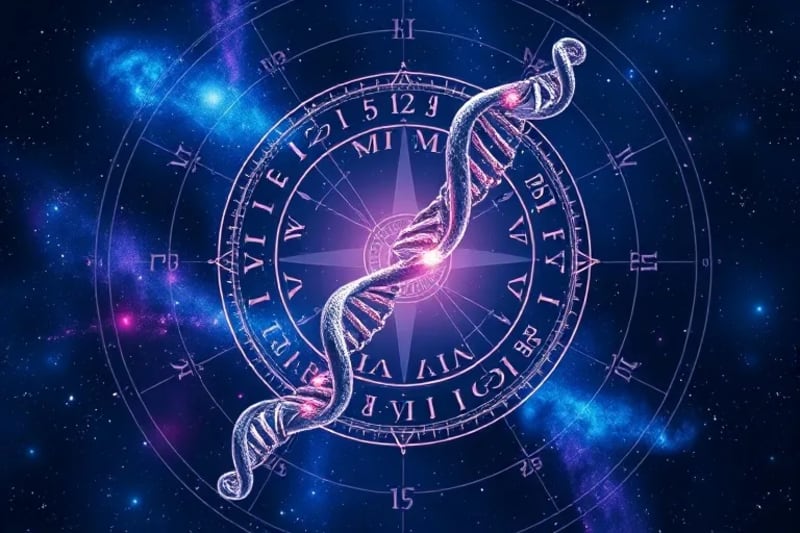 A visual representation of the intricate dance between genetic code, planetary alignments, and the subtle energies that shape our inherited health potentials.
This conceptual artwork, generated by AI, illustrates the theoretical framework where cosmic influences meet the biological blueprint, offering a fresh perspective on human health.
Traditionally, our understanding of inherited health has been anchored in genomics – the study of genes and heredity. However, the burgeoning field of epigenetics has revolutionized this perspective, demonstrating that gene expression can be modified without altering the underlying DNA sequence. When we introduce the astrological birth chart into this equation, we begin to explore a truly holistic model that considers both our biological inheritance and potential energetic predispositions.
Table of Contents
- 1. The Foundation: Genomics and DNA
- 2. Beyond the Genes: The Role of Epigenetics
- 3. Cosmic Influences: Astrology's Perspective
- 4. Astro-Genomics: Bridging the Divide
- 5. Mechanisms and Hypotheses for Connection
- 6. Practical Applications and Ethical Considerations
- 7. The Future Outlook: A Holistic Health Paradigm
1. The Foundation: Genomics and DNA
At the core of biological inheritance lies deoxyribonucleic acid, or DNA. This complex molecule carries the genetic instructions used in the growth, development, functioning, and reproduction of all known living organisms. Our DNA is organized into genes, which are segments that contain the code for building proteins, the workhorses of the cell. These genes are passed down from our parents, creating a unique genetic blueprint that influences everything from our eye color to our susceptibility to certain diseases.
Genomics, the study of an organism's entire genome, has provided unprecedented insights into human health. It allows scientists to identify genetic variations linked to various conditions, predict disease risk, and even tailor medical treatments based on an individual's genetic makeup. For instance, specific genetic markers can indicate a higher propensity for conditions like diabetes, heart disease, or certain cancers. However, genetics alone does not tell the whole story; many individuals with genetic predispositions never develop the associated conditions, while others without such markers do.
This observation underscores the critical role of factors beyond the static DNA sequence. While DNA provides the potential, its expression is dynamic and influenced by a myriad of internal and external stimuli. Understanding this interplay is crucial for a comprehensive view of health, moving beyond a purely deterministic genetic model to one that embraces adaptability and environmental interaction.
2. Beyond the Genes: The Role of Epigenetics
Epigenetics, meaning "above" or "on top of" genetics, explores how behaviors and environment can cause changes that affect the way genes work. Unlike genetic changes, epigenetic changes do not alter the DNA sequence itself but rather modify how cells read a gene's instructions. These modifications can turn genes "on" or "off," influencing protein production without changing the fundamental genetic code.
Key epigenetic mechanisms include DNA methylation, histone modification, and non-coding RNA. These processes act as molecular switches, regulating gene expression in response to various factors. For example, diet, exercise, stress, exposure to toxins, and even social interactions can induce epigenetic changes. What's even more remarkable is that some epigenetic modifications can be inherited across generations, meaning the experiences of our ancestors might subtly influence our own health and predispositions.
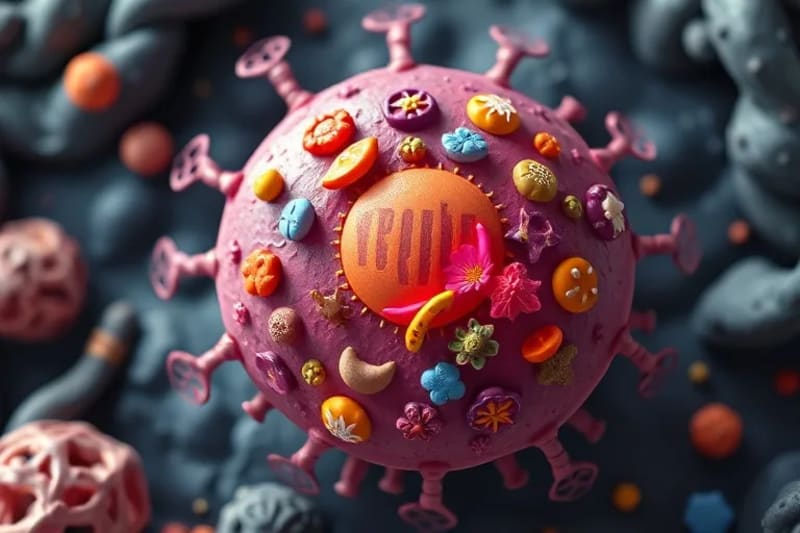 Visualizing how external factors dynamically influence gene expression through epigenetic mechanisms.
Consider the example of famine. Studies have shown that individuals whose grandparents experienced periods of severe food scarcity can exhibit altered metabolic profiles, potentially due to epigenetic changes passed down. This highlights a profound connection between our lived experiences, our biology, and even the legacy we carry from previous generations. Epigenetics thus provides a dynamic layer of control over our genetic destiny, emphasizing the power of lifestyle and environment in shaping our health outcomes.
The implications of epigenetics are vast, suggesting that we are not merely passive recipients of our genetic inheritance. Instead, we are active participants in shaping our genetic expression, holding significant agency over our health through our choices and environment. This opens doors to preventative strategies and therapeutic interventions that target epigenetic pathways.
3. Cosmic Influences: Astrology's Perspective
Astrology, an ancient system of knowledge, posits a profound connection between celestial movements and terrestrial events, including human health and destiny. A person's astrological birth chart, calculated based on the exact time and place of birth, serves as a snapshot of the heavens at that moment. It maps the positions of the Sun, Moon, planets, and other celestial points within the zodiacal signs and astrological houses.
From an astrological perspective, each planet, sign, and house is associated with specific energies, psychological archetypes, and physiological correlations. For example, Mars is often linked to vitality, aggression, and inflammatory processes, while Saturn relates to structure, discipline, and chronic conditions like bone or skin issues. The aspects (angles) between planets in the birth chart indicate how these energies interact, creating a unique energetic signature for the individual. This intricate map is believed to reveal inherent strengths, challenges, and predispositions across various life areas, including health.
Astrology does not claim direct causation in the same way genetics does, but rather suggests a synchronistic relationship. The celestial patterns at birth are seen as symbolic reflections of an individual's energetic blueprint, which can manifest on physical, emotional, and mental levels. For instance, a challenging aspect involving Uranus in Houses might correlate with a predisposition to sudden, unpredictable health issues or nervous system sensitivities, while a strong emphasis on a particular sign could highlight strengths or vulnerabilities in associated body parts or systems.
The concept of Chiron in Karmic Astrology further deepens this understanding, pointing to ancestral wounds or inherited patterns that may manifest as physical ailments or psychological challenges. This aligns remarkably with the epigenetic concept of transgenerational inheritance, suggesting a potential energetic layer to what science describes biologically.
4. Astro-Genomics: Bridging the Divide
Astro-genomics is an exploratory field that seeks to investigate potential correlations between astrological configurations and genetic/epigenetic expressions. It's not about proving astrology as a direct scientific mechanism, but rather exploring if the symbolic language of the cosmos can offer insights into the complex, dynamic interplay of our biological inheritance and environmental influences. The hypothesis is that certain planetary placements or aspects in a birth chart might correspond to specific epigenetic vulnerabilities or strengths, or even influence the expression of certain genetic predispositions.
For example, if an astrological chart indicates a predisposition to stress-related conditions (e.g., strong Saturn or Pluto aspects to personal planets), astro-genomics might explore if individuals with such configurations show particular epigenetic markers associated with stress response genes. Similarly, planetary placements linked to specific organs or systems (e.g., Venus with kidneys, Jupiter with liver) could be examined in conjunction with genetic variants or epigenetic patterns related to the health of those organs.
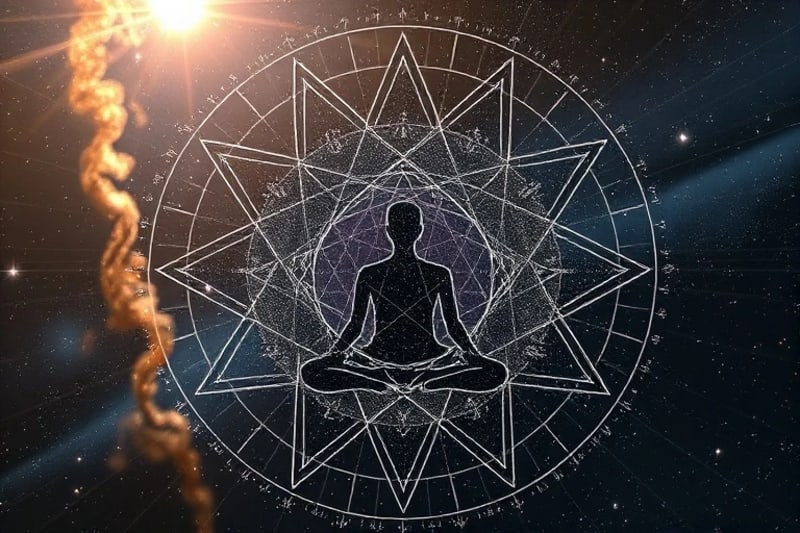 An abstract visualization of the profound interconnectedness between human biology, consciousness, and the subtle cosmic energies.
This interdisciplinary approach acknowledges that while our DNA provides the blueprint, epigenetics determines which parts of that blueprint are actively read and expressed. Astro-genomics then proposes that the energetic patterns of the birth chart could offer a symbolic map of these epigenetic tendencies, providing a deeper layer of understanding for personalized health strategies. It's about looking for patterns and correlations, rather than direct cause-and-effect, in the vast ocean of human biology and cosmic rhythm.
The integration of these fields could lead to a more nuanced understanding of "inherited health patterns." Beyond purely genetic inheritance, we might also be carrying energetic or karmic imprints that influence our epigenetic landscape. This perspective aligns with ancient wisdom traditions that have always viewed humans as microcosms reflecting the macrocosm, intrinsically linked to the rhythms of the universe.
5. Mechanisms and Hypotheses for Connection
While the direct mechanisms linking astrological influences to genetic or epigenetic expression remain largely theoretical and require extensive scientific investigation, several hypotheses can be explored:
- Subtle Energy Fields: Some theories suggest that planetary alignments generate subtle electromagnetic or gravitational fields that could influence biological processes at a cellular level. These subtle energies might impact the delicate machinery of epigenetic regulation, acting as environmental cues that trigger gene expression changes.
- Circadian and Biological Rhythms: Human physiology is governed by various biological rhythms, most notably the circadian rhythm, which is influenced by the Sun and Moon. Planetary cycles, though longer, could exert subtle influences on these rhythms, potentially affecting hormonal balance, immune function, and cellular repair mechanisms, all of which are intertwined with epigenetic processes.
- Stress Response and Consciousness: Astrological charts are often interpreted as reflecting psychological tendencies and stress vulnerabilities. Chronic stress is a known epigenetic modulator. If astrological predispositions lead to certain psychological patterns or stress responses, these could, in turn, epigenetically influence health outcomes. The mind-body connection is a well-established scientific fact, and astrology could offer a map of inherent psychological patterns that influence this connection.
- Synchronicity and Archetypal Influence: From a Jungian perspective, astrology operates through synchronicity – meaningful coincidences – rather than direct causality. The archetypal energies represented by planetary positions might resonate with inherent psychological and biological patterns, including those expressed epigenetically. The birth chart could be seen as a symbolic representation of the "initial conditions" of an individual's epigenetic potential.
It is crucial to emphasize that these are speculative hypotheses within an emerging interdisciplinary domain. Rigorous scientific methodologies, including large-scale observational studies and advanced statistical analyses, would be necessary to explore these connections empirically. The challenge lies in developing measurable parameters that can bridge the qualitative language of astrology with the quantitative data of genomics and epigenetics.
6. Practical Applications and Ethical Considerations
If a robust connection between astro-genomics and epigenetics were established, the practical applications could be transformative for personalized health and wellness. Imagine a future where an individual's birth chart could provide an additional layer of insight into their epigenetic predispositions, complementing genetic testing and lifestyle assessments. This could lead to highly tailored preventative strategies:
- Personalized Wellness Plans: Combining astrological insights with epigenetic data could help individuals understand their unique vulnerabilities and strengths, guiding choices in diet, exercise, stress management, and even career paths that support optimal well-being. For example, if a chart suggests a tendency towards inflammation, and epigenetic tests confirm related markers, specific anti-inflammatory diets and lifestyle adjustments could be recommended.
- Preventative Health: By identifying potential health patterns early, individuals could adopt proactive measures to "turn off" unfavorable gene expressions or "turn on" protective ones. This moves beyond treating symptoms to addressing root causes and predispositions.
- Conscious Lifestyle Choices: A deeper understanding of how cosmic energies and personal choices interact with our biology could empower individuals to make more conscious decisions about their environment, relationships, and daily habits, fostering a sense of agency over their health destiny.
- Holistic Therapeutic Approaches: Therapists and health practitioners could integrate these insights to offer more comprehensive support, addressing not just the physical symptoms but also the underlying energetic and psychological patterns reflected in the birth chart and expressed epigenetically.
However, this nascent field also presents significant ethical considerations. The potential for misinterpretation, oversimplification, or even deterministic fatalism is high. It is crucial to approach astro-genomics with a balanced perspective, emphasizing agency and personal responsibility rather than predestination. Data privacy, the potential for discrimination based on "cosmic predispositions," and the need for qualified practitioners are all areas that would require careful ethical frameworks.
The integration of diverse knowledge systems, while promising, must adhere to principles of informed consent, scientific rigor, and ethical responsibility. Any application of astro-genomics should be seen as a complementary tool for self-understanding and empowerment, not as a definitive diagnostic or predictive mechanism that overrides individual choice or medical advice.
As per emerging guidelines in interdisciplinary health research, the exploration of non-conventional influences on biological systems necessitates transparent methodologies and a commitment to avoid sensationalism or unsubstantiated claims.
The legal and regulatory landscape would also need to evolve to accommodate such interdisciplinary approaches, ensuring that any insights derived are used for the benefit of individuals and society, without creating new forms of bias or exclusion. The focus should always remain on empowering individuals with knowledge to make informed decisions about their health journey.
7. The Future Outlook: A Holistic Health Paradigm
The journey into astro-genomics and epigenetics represents a bold step towards a truly holistic understanding of human health. It challenges conventional boundaries, inviting us to consider the intricate web of connections between our internal biology, our external environment, and the subtle energies of the cosmos. As scientific tools become more sophisticated, and our understanding of consciousness and energy evolves, the potential for empirical validation of these interconnections may increase.
This paradigm shift moves us away from a purely mechanistic view of the body towards one that embraces the dynamic, interconnected nature of existence. It suggests that our health is not merely a product of our genes, but a co-creation influenced by our lifestyle, our environment, and perhaps even our unique cosmic signature. By integrating these diverse perspectives, we can cultivate a more profound appreciation for the complexity of human life and unlock new pathways to well-being.
The exploration of astro-genomics is still in its infancy, operating at the frontier of scientific inquiry and spiritual wisdom. However, the questions it raises are fundamental to understanding what it means to be human in a vast and interconnected universe. As we continue to decode the mysteries of our DNA and the subtle influences that shape us, we may find that the stars indeed hold more than just symbolic significance for our health and destiny.
Explore More Insights
- Esoteric Numerology: Decoding Karmic Debt, Soul Contracts
- Shadow Work Planetary Retrogrades Natal Chart Potentials
- Emerald Manifestation Hermetic Principles Quantum Transformation
- Mesoamerican Astrology AI Oracles Bridging Ancient Wisdom
- AI Quantum Energies: Renewable Optimization Challenges
- Astrology of Sound: Planetary Vibrations, Holistic Healing
Source: Hybrid content assisted by AI and human editorial supervision.


Comments
Post a Comment