
hellenistic-astrology-bridging-ancient-wisdom-and-modern-spirituality
Hellenistic Astrology's Enduring Wisdom: Bridging Ancient Techniques and Modern Spiritual Practices
Hellenistic astrology, a sophisticated system developed in the Mediterranean region from the 1st century BCE to the 7th century CE, represents a foundational pillar of Western astrological thought. This ancient practice, born from a synthesis of Babylonian, Egyptian, and Greek traditions, offered a comprehensive framework for understanding human destiny, character, and the unfolding of life events through the intricate dance of celestial bodies. Its profound insights, once lost to the Western world for centuries, are now experiencing a vibrant resurgence, captivating modern practitioners seeking deeper meaning and practical guidance.
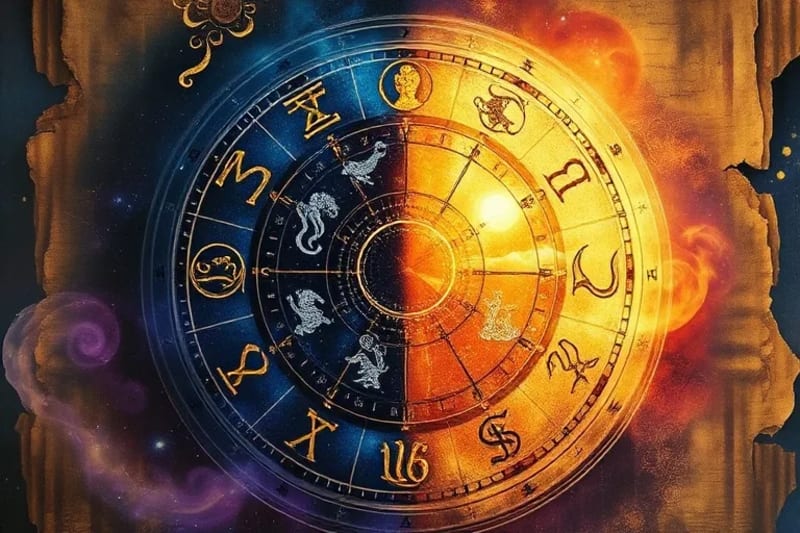
A visual synthesis of ancient astrological knowledge and contemporary spiritual paths, illustrating their harmonious convergence.
This conceptual render, generated by AI, envisions the timeless connection between celestial mechanics and human consciousness, drawing inspiration from historical texts and modern interpretations of cosmic influence.The rediscovery and translation of Hellenistic texts in recent decades have unveiled a wealth of techniques and philosophical underpinnings that provide a richer, more nuanced perspective than much of contemporary astrology. Unlike some modern approaches that emphasize psychological interpretation, Hellenistic astrology often focused on predictive methods and a more deterministic view of fate, offering tools to understand the inherent potentials and challenges embedded in one's birth chart. This deep dive into its methodologies allows for a more robust and historically informed practice.
This article aims to explore the enduring wisdom of Hellenistic astrology, highlighting its core techniques and demonstrating how these ancient practices can be meaningfully integrated into modern spiritual journeys. By bridging the gap between historical scholarship and contemporary application, we can unlock a powerful system for self-discovery, personal growth, and a more profound connection to the cosmos.
What is Hellenistic Astrology?
Hellenistic astrology emerged during the Hellenistic period, a time of immense cultural exchange and intellectual ferment following the conquests of Alexander the Great. It flourished in centers like Alexandria, Egypt, which became a melting pot of knowledge where Greek philosophy, Egyptian religious practices, and Babylonian astronomical observations converged. This synthesis created a highly structured and systematic form of astrology that profoundly influenced subsequent Western astrological traditions, including medieval, Renaissance, and even modern approaches.
Key characteristics of Hellenistic astrology include a strong emphasis on the concept of "lots" or "parts" (mathematically derived points in the chart), the use of specific house systems like Whole Sign Houses, and a detailed understanding of planetary condition, sect, and rulership. Unlike many contemporary systems that might focus solely on psychological traits, Hellenistic astrology also placed significant importance on predicting tangible life events, such as career success, relationships, and health outcomes. It viewed the birth chart as a map of one's fate, revealing the inherent predispositions and the timing of significant life chapters.
The philosophical underpinnings of Hellenistic astrology often drew from Stoicism and Neoplatonism, suggesting a cosmos governed by divine order and interconnectedness. This perspective implies that the celestial movements are not merely influences but reflections of a greater cosmic plan, offering humanity a means to understand its place within this grand design. Understanding this historical context is crucial for appreciating the depth and rigor of its techniques.
Core Techniques of Hellenistic Astrology
The richness of Hellenistic astrology lies in its diverse array of interpretive and predictive techniques, many of which have been meticulously reconstructed from ancient texts. These methods offer a layered approach to chart analysis, providing insights into various facets of a person's life. Here are some of the most prominent:
- Whole Sign Houses: This system assigns each zodiac sign to a corresponding house, starting with the sign rising on the Eastern horizon. It simplifies house rulerships and provides a clear framework for understanding planetary placements within the context of life areas.
- Planetary Sect: Planets are divided into diurnal (day) and nocturnal (night) sects based on whether the Sun is above or below the horizon at birth. Planets in their preferred sect are generally considered stronger and more benevolent, while those out of sect may face more challenges.
- Planetary Joys: Each planet has a specific house in which it "rejoices" or operates most effectively. For instance, Venus rejoices in the 5th house of good fortune and children, enhancing its positive expression.
- Lots (Arabic Parts): These are mathematically derived points in the chart, calculated from the positions of planets and the Ascendant. The Lot of Fortune, Spirit, Eros, and Necessity are particularly significant, revealing areas of material well-being, purpose, desire, and obligation, respectively. Delving into specific concepts like Trine Alliances in Chinese Astrology can offer a comparative perspective on how different ancient systems delineate specific life areas.
- Time Lords and Profections: These predictive techniques assign specific planets or houses as "time lords" for certain periods of life, indicating the themes and challenges that will be prominent during those times. Annual profections, for example, advance the Ascendant one house per year, highlighting the house and its ruler for that specific year.
- Aspects and Planetary Relationships: While modern astrology often focuses on specific aspect angles, Hellenistic astrology emphasized the "perfect" aspects (trine, square, opposition, sextile, conjunction) and the concept of "bonification" and "maltreatment" based on planetary beneficence or maleficence.

Ancient instruments and contemporary spiritual motifs, rendered in watercolors, symbolize the continuous quest for cosmic understanding.
This artistic interpretation, created with AI assistance, blends the historical instruments of astrological study with abstract representations of modern spiritual practices, reflecting a timeless pursuit of wisdom.These techniques, when applied rigorously, can paint a remarkably detailed picture of an individual's life path, offering insights into strengths, weaknesses, opportunities, and fated encounters. They move beyond simple sun sign interpretations, providing a robust framework for in-depth chart analysis and predictive work. Understanding the intricate dance of Celestial Mechanics in mundane astrology, for instance, provides a broader context for these individual techniques.
The Revival and Relevance Today
For centuries, much of Hellenistic astrology remained inaccessible, preserved only in obscure manuscripts and later translated into Arabic. It was largely overshadowed by more simplified forms of astrology that emerged during the medieval and Renaissance periods, eventually leading to the psychological and pop astrology prevalent today. However, a dedicated movement of scholars and practitioners in the late 20th and early 21st centuries embarked on the monumental task of translating and interpreting these ancient texts, primarily through projects like Project Hindsight.
This revival has brought Hellenistic astrology back into the mainstream astrological discourse, offering a renewed sense of depth, precision, and historical continuity. Modern astrologers are now able to integrate these powerful techniques, leading to more accurate delineations and predictions. The emphasis on objective conditions and fated events provides a valuable counterpoint to purely psychological interpretations, offering a more balanced view of human experience. This renewed interest also extends to understanding karmic connections through Vertex Anti-Vertex Synastry, which complements the Hellenistic focus on destiny.
The relevance of Hellenistic astrology today lies in its ability to provide clear, actionable insights. While modern spiritual practices often focus on free will and manifestation, Hellenistic astrology acknowledges the influence of predetermined patterns, offering a framework to work *with* destiny rather than against it. It helps individuals understand their inherent strengths and weaknesses, anticipate life's cycles, and make more informed decisions, fostering a sense of empowerment within the cosmic flow.
Bridging Ancient Wisdom and Modern Spirituality
Integrating Hellenistic astrology into modern spiritual practices offers a unique pathway to personal growth and self-awareness. Contemporary spirituality often emphasizes mindfulness, intention-setting, and personal agency. By combining these with the structured insights of Hellenistic techniques, individuals can gain a more holistic understanding of their spiritual journey.
- Enhanced Self-Understanding: Hellenistic techniques like planetary sect and joys offer a deeper understanding of one's innate predispositions and challenges. This knowledge can inform meditation practices, helping individuals focus on areas needing spiritual cultivation or acceptance.
- Intentional Manifestation: While Hellenistic astrology acknowledges fate, understanding the timing indicated by profections or time lords can empower individuals to align their intentions and actions with favorable cosmic periods. This aligns with the art of Manifesting with Celestial Mechanics, using cosmic rhythms for personal goals.
- Shadow Work and Acceptance: The delineation of difficult planetary placements or lots can highlight areas of life where one might encounter significant obstacles. Approaching these insights through shadow work, self-compassion, and acceptance can transform perceived challenges into opportunities for profound spiritual growth.
- Ritual and Connection: Many Hellenistic practices were intertwined with ritual and devotion to planetary deities. While modern practitioners may not adopt polytheistic worship, the understanding of planetary energies can inspire personal rituals, affirmations, or practices that honor these cosmic forces, fostering a deeper connection to the universe.
- Ethical and Philosophical Inquiry: The deterministic elements of Hellenistic astrology prompt profound philosophical questions about free will, destiny, and moral responsibility. Engaging with these questions can enrich one's spiritual philosophy, encouraging a more nuanced and expansive worldview.

A digitally rendered bridge, merging ancient astrological symbols with futuristic spiritual elements, signifies the harmonious integration of past and present.
This AI-generated 3D artwork symbolizes the enduring journey of astrological wisdom, evolving from its ancient roots to resonate with contemporary spiritual seekers.By embracing Hellenistic astrology, modern spiritual seekers can move beyond superficial interpretations and engage with a system that offers both profound predictive accuracy and a rich philosophical framework for navigating the complexities of life. It provides a historical anchor for contemporary practices, grounding them in centuries of observation and wisdom. Furthermore, exploring the astrological art of dream interpretation can provide another layer of depth to understanding one's inner and outer worlds, aligning with the holistic approach of ancient wisdom.
Challenges and the Future of Hellenistic Astrology
Despite its immense value, the integration of Hellenistic astrology into modern practice is not without its challenges. The language of ancient texts can be dense and requires careful interpretation, and some of the more deterministic elements may clash with contemporary emphasis on free will and personal empowerment. Moreover, the sheer volume of techniques can be overwhelming for newcomers, requiring dedicated study and mentorship.
However, the future of Hellenistic astrology looks promising. As more scholars and practitioners dedicate themselves to its study, the availability of resources, translations, and educational programs continues to grow. The development of astrological software that incorporates Hellenistic techniques also makes it more accessible to a broader audience. The ongoing dialogue between traditional and modern astrologers is fostering a more integrated and comprehensive understanding of the craft.
The enduring wisdom of Hellenistic astrology offers a powerful lens through which to view our lives and our place in the cosmos. By respectfully engaging with its ancient techniques and philosophical depth, we can enrich our modern spiritual practices, gaining clarity, purpose, and a deeper connection to the timeless rhythms of the universe. It stands as a testament to humanity's continuous quest for meaning, bridging millennia with its profound and applicable insights.
Explore More Cosmic Insights
- Daily Horoscopes: Personalized Zodiac Insights
- Fixed Stars Electional Astrology: Timing Key Life Events
- Celestial Mechanics: Mundane Astrology Planetary Dance
- Ceres Aspects: Nurturing, Loss, Self-Care Dynamics
- Sabian Symbols: Deeper Meaning in Chart Degree Placements
- Chinese Zodiac Generations Family Dynamics: Understanding Years
- AI Astrology Creative Writing Algorithms: Cosmic Muse
- Zodiac Synastry: Planetary Aspects in Relationships
- AI Sigil Magic: Algorithmic Symbols Manifestation
- Fire Dragon Water Snake Compatibility: Chinese Zodiac Deep Dive
- Moon's Nodes Aspects: Karmic Connections in Synastry
- Philosophy of Artificial Consciousness: The Debate
- Crystals for Lucid Dreams: Astral Guidance
Source: Hybrid content assisted by AI and human editorial supervision.


Comments
Post a Comment